

Your BMW’s dashboard can be an early warning system for potential engine issues. When the Electronic Power Control (EPC) light comes on, it’s easy to panic, but understanding what it means is your first step toward fixing the problem. This light doesn’t always signal a catastrophic failure: sometimes it’s a simple sensor issue or a loose gas cap.
The EPC light indicates that your vehicle’s engine control module has detected a problem with the electronic throttle control system, fuel injection, or ignition timing. It’s your BMW’s way of telling you something needs attention. You don’t always need to pull over immediately, but you should get it diagnosed soon to avoid more serious damage or reduced engine performance.
In this guide, you’ll learn what triggers the EPC light, what causes it to illuminate, and how to get it fixed properly. Whether you tackle it yourself or take it to a mechanic, knowing the basics will save you time and money.
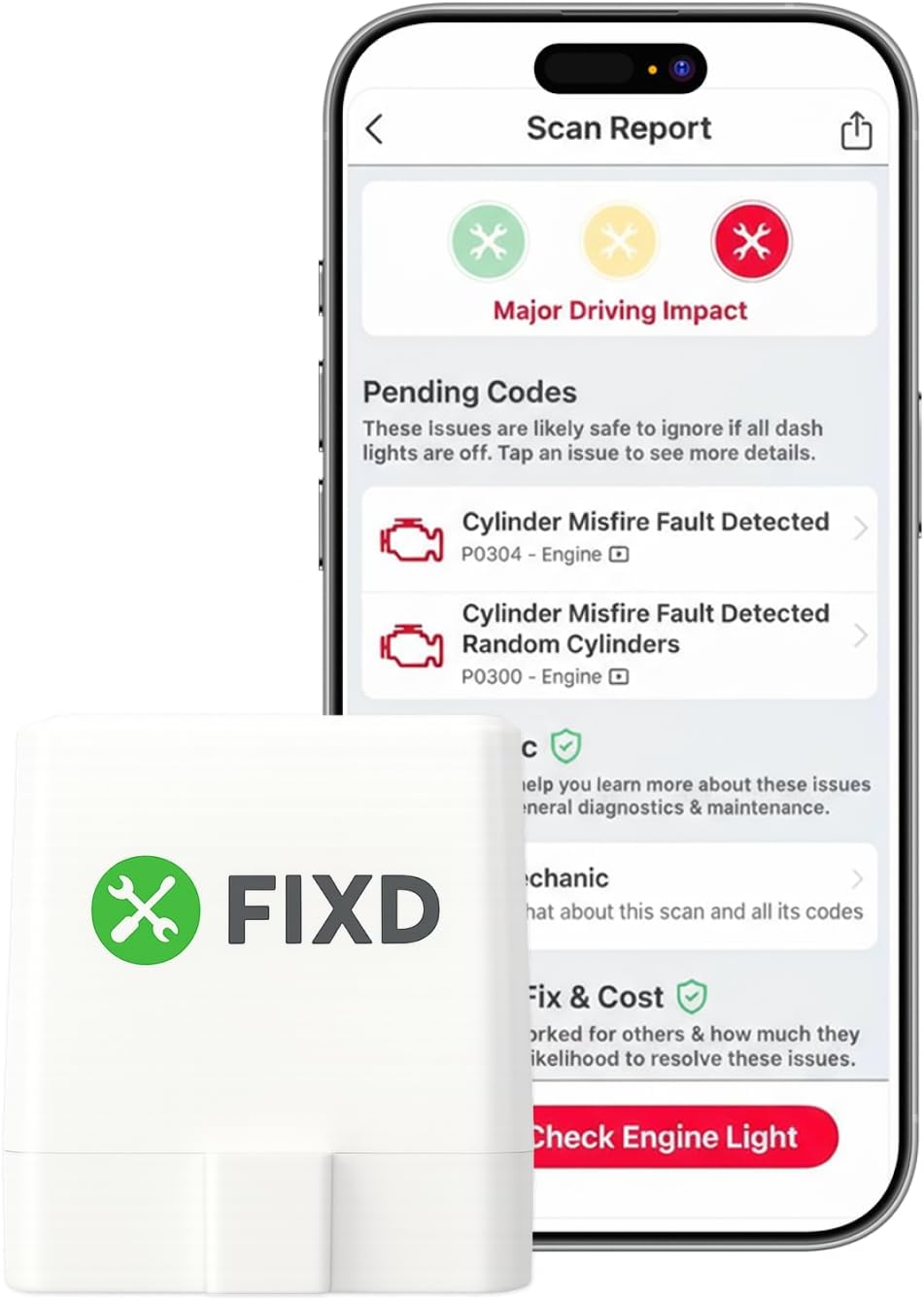
Best Bluetooth OBD2 Scanner
Detect 39,000+ Issues With Enhanced Codes. Save $1000s on car repairs & buying used vehicles by diagnosing problems yourself.
Shop on Amazon
What Does The EPC Light Mean?
The EPC light stands for Electronic Power Control, and it’s part of your BMW’s onboard diagnostic system. When this light appears on your instrument cluster, it means your engine computer has detected something wrong with the throttle control, fuel delivery, or spark plug firing.
This isn’t like the check engine light, though they can appear together. The EPC light specifically focuses on your vehicle’s electronic management systems rather than emissions. Your BMW monitors hundreds of sensors and parameters in real-time, and when one falls outside normal range, the light activates.
You might notice that your engine feels sluggish, the acceleration is weak, or your power feels reduced. Some drivers report a temporary hesitation when pressing the gas pedal. In many cases, your BMW will enter what mechanics call “limp mode”, a protective state where the engine runs at reduced power to prevent further damage.
The good news is that the EPC light rarely means your engine is about to fail. Most issues are fixable, and many are relatively affordable to repair. The key is addressing it quickly before a small problem becomes a bigger one.
One common scenario involves a loose gas cap. Yes, really. A loose fuel cap can trigger the EPC light because it affects the fuel system pressure readings. Try tightening it first and see if the light goes away after a few driving cycles.
Common Causes Of The EPC Light
Faulty Throttle Body
The throttle body controls how much air enters your engine. Over time, carbon deposits build up inside it, causing it to stick or malfunction. Your BMW’s computer detects this problem and triggers the EPC light.
When your throttle body fails, you’ll feel hesitation when accelerating. Your engine might surge unexpectedly or feel unresponsive. Cleaning the throttle body can sometimes solve the issue, but severely damaged units need replacement.
You can attempt a throttle body cleaning yourself if you’re mechanically inclined, though BMW repair shops charge between $200 and $500 for this service. The part itself costs $100 to $300, so professional help might be worth it.
Mass Air Flow Sensor Issues
The mass air flow (MAF) sensor measures how much air enters your engine so the computer can adjust the fuel mixture properly. A dirty or faulty MAF sensor sends incorrect readings to your engine computer.
This sensor is extremely sensitive and can get contaminated from dirty air filters or engine oil vapors. When it fails, you’ll notice rough idling, poor fuel economy, and difficulty starting. The EPC light will illuminate to alert you.
Cleaning the MAF sensor is sometimes effective and costs very little. Replacement sensors typically run $150 to $350 depending on your BMW model. You can often find quality aftermarket options online.
Oxygen Sensor Failure
Your BMW has oxygen sensors that monitor exhaust gases to ensure proper fuel combustion. When these sensors fail, your engine can’t adjust the fuel mixture correctly.
A bad oxygen sensor causes rough idling, decreased fuel economy, and the EPC light activation. Your engine might feel weak or hesitant during acceleration. Some drivers notice a noticeable smell from the exhaust.
Oxygen sensor replacement is straightforward for many BMW models. Parts cost $50 to $250, and labor typically runs $150 to $400 at a shop. This is one of the more common EPC light triggers.
Brake Light Switch Problems
You might not expect a brake light switch to cause the EPC light, but your BMW’s computer monitors it. A faulty brake switch can send signals that confuse the engine control module.
This happens because the brake switch is connected to the electronic throttle system. When it malfunctions, the computer detects inconsistent signals and activates the EPC light. Your brake lights might flicker or stay on constantly.
Replacing a brake light switch is usually inexpensive, $50 to $150 for the part and labor combined. It’s one of the easiest fixes, so get it checked early in your diagnosis.
Engine Control Module Errors
The engine control module (ECM) is your BMW’s brain. It processes signals from hundreds of sensors and controls critical engine functions. Sometimes the module develops errors or glitches that trigger the EPC light.
A faulty ECM can cause multiple warning lights to appear simultaneously. Your engine might run erratically or fail to start. Reprogramming or replacing the ECM is expensive, typically $500 to $1,500 depending on your BMW.
Before assuming your ECM is the problem, have a professional scan your car’s codes. The codes often point to the real issue, which might be a sensor or connection rather than the module itself.
How To Fix The EPC Light
Diagnostic Steps You Can Take
Start with the simple stuff. Check your gas cap to ensure it’s tight, this solves the EPC light problem more often than you’d think. Tighten it firmly and drive your BMW through several cycles (start-stop sequences) to see if the light clears.
Next, check your oil level and top it off if needed. Low oil can trigger various warning lights. Inspect your air filter, a dirty filter restricts airflow and affects sensor readings.
If those don’t work, you’ll need an OBD-II scanner to read the diagnostic codes. Most auto parts stores will scan for free, though professional shops use more advanced scanners that reveal additional information. The codes point you toward the specific problem, whether it’s a sensor, throttle body, or something else.
Write down the exact codes the scanner shows. These codes are invaluable when discussing the problem with a mechanic or when researching the issue online.
Professional Repair Options
Once you know what’s causing the light, you have two choices: repair it yourself or visit a shop. DIY repairs work well if you’re mechanically experienced and the problem is straightforward, like replacing an oxygen sensor or cleaning a throttle body.
A BMW dealership will charge premium prices but offers factory expertise and genuine parts. Independent BMW specialists are often cheaper and equally knowledgeable. Get quotes from multiple shops before committing.
Many shops can clear the EPC light temporarily through software, but this doesn’t fix the underlying issue. The light will return until you address the root cause. Always fix the problem rather than just clearing the code.
Consider costs carefully. A $200 sensor replacement beats a $1,500 ECM replacement, but both are cheaper than ignoring the problem until your engine suffers damage. Address the EPC light promptly.
Your BMW’s reliability depends on regular attention to warning lights. The EPC light is your vehicle’s way of asking for help before something breaks.
Prevention And Maintenance Tips
Regular maintenance is your best defense against the EPC light. Replace your air filter every 15,000 to 30,000 miles to keep your MAF sensor clean. A clean air filter prevents most sensor-related issues before they start.
Change your oil on schedule using the correct specification for your BMW. Low-quality oil or dirty oil damages sensors and causes electronic issues. Your owner’s manual specifies the exact oil type, follow it precisely.
Keep your fuel tank at least a quarter full. Running on empty allows sediment to enter the fuel system and clog injectors. Dirty fuel injectors trigger the EPC light and reduce fuel economy.
Have your battery tested annually. A weak battery can cause voltage fluctuations that confuse your engine computer. This sometimes triggers the EPC light or causes intermittent warnings.
Use quality fuel from reputable stations. Cheap fuel contains more detergents and contaminants that damage your fuel injection system. Premium fuel is worth the extra cost for your BMW’s longevity.
| Maintenance Task | Interval | Benefit |
|---|---|---|
| Air filter replacement | 15,000–30,000 miles | Prevents MAF sensor issues |
| Oil change | 10,000–15,000 miles | Keeps sensors clean |
| Fuel filter replacement | 30,000–50,000 miles | Prevents injector problems |
| Battery inspection | Annually | Prevents electrical faults |
| Engine scan | Annually or as needed | Early problem detection |
Consider getting a professional engine scan every year, even if no warning lights are on. Early detection saves money and keeps your BMW running smoothly.
Here are key prevention strategies:
- Use manufacturer-recommended fuel grades
- Keep tire pressure at recommended levels
- Address warning lights immediately
- Maintain regular service schedules
- Store your BMW in a garage when possible
- Avoid extreme driving conditions
Your BMW will reward consistent maintenance with years of reliable performance.
Frequently Asked Questions
What does the BMW EPC light mean?
The EPC light stands for Electronic Power Control and indicates your engine control module detected an issue with throttle control, fuel delivery, or spark plug firing. It’s not the same as the check engine light and specifically focuses on electronic management systems rather than emissions.
Can a loose gas cap trigger the EPC light?
Yes, a loose fuel cap can trigger the EPC light because it affects fuel system pressure readings. Try tightening it firmly and drive through several start-stop cycles to see if the light clears. This simple fix resolves the issue more often than expected.
What are the most common causes of an EPC light on a BMW?
Common causes include faulty throttle body, dirty MAF sensor, oxygen sensor failure, brake light switch problems, and engine control module errors. A diagnostic scan with an OBD-II scanner can identify the specific code triggering your EPC light.
Is it safe to drive a BMW with the EPC light on?
You don’t need to pull over immediately, but you should get it diagnosed soon. Your BMW may enter limp mode, reducing engine power to prevent damage. Driving with the EPC light on risks more serious damage if the underlying issue isn’t addressed promptly.
How much does it cost to fix an EPC light?
Costs vary widely depending on the cause. Simple fixes like brake light switch replacement cost $50–$150. Sensor replacements run $150–$400, throttle body service costs $200–$500, and ECM replacement is $500–$1,500. Get multiple quotes before deciding.
How often should you get a diagnostic engine scan for BMW maintenance?
Professional engine scans should be performed annually or as needed when warning lights appear. Early detection through regular scanning saves money and prevents small issues from developing into expensive repairs, keeping your BMW running smoothly.