
Your BMW’s dashboard just lit up with a glowing red cog, and the car won’t leave neutral. You’re not alone, this is the infamous SMG transmission failure that has haunted M-car owners for two decades.
The BMW Sequential Manual Gearbox (SMG II in the E46 M3, SMG III in the E60 M5/E63 M6) fails most often due to hydraulic pump motor burnout, a degraded salmon-colored relay (part number 61.36-6 901 469), or nitrogen leaks in the hydraulic accumulator. The “Cog of Death” warning on your dash signals that the SMG system has lost hydraulic pressure or detected a critical fault, sometimes fixable for under $30 with a relay swap, other times requiring full hydraulic unit replacement. Before you panic, a systematic diagnostic approach separating electrical faults from mechanical failures will save you thousands.
This guide breaks down every major SMG failure mode, walks you through diagnostics, and covers the increasingly popular 6-speed manual conversion as the ultimate long-term fix.
Best Bluetooth OBD2 Scanner
Detect 39,000+ Issues With Enhanced Codes. Save $1000s on car repairs & buying used vehicles by diagnosing problems yourself.
Shop on Amazon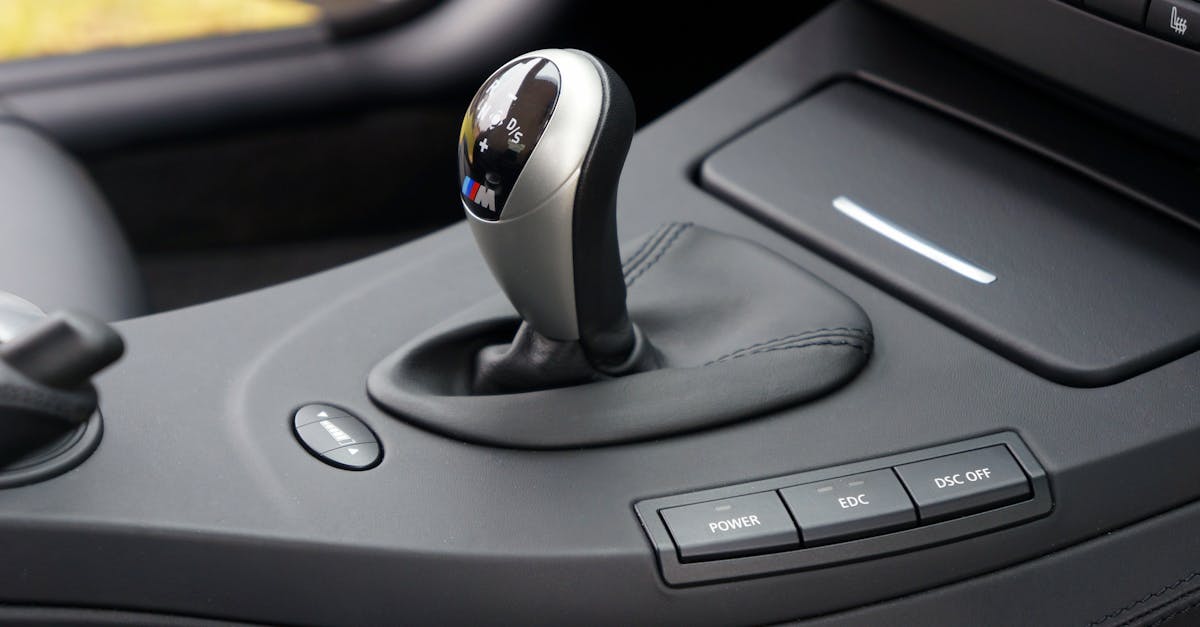
Key Takeaways
- BMW SMG transmission problems most commonly stem from hydraulic pump motor burnout, degraded relay failures, or nitrogen leaks, with the red ‘Cog of Death’ warning signaling critical hydraulic pressure loss.
- The salmon-colored relay (part number 61.36-6 901 469) is the first diagnostic step for SMG failures and can be replaced for under $30 in just five minutes.
- Pentosin CHF 11S hydraulic fluid should be changed every 30,000 miles or two years to prevent seal degradation and solenoid wear that accelerates SMG transmission decline.
- Approximately 65% of E46 M3 SMG owners experience at least one failure by 80,000 miles, making the 6-speed manual conversion an increasingly popular long-term fix with 40% more discussion on forums since 2024.
- Fault codes P4001 and P4002 often respond to SMG adaptation resets using BMW ISTA diagnostic software, recalibrating clutch engagement without requiring component replacement.
- Before purchasing a used SMG-equipped BMW, verify pump prime time documentation and recent service records, as the aging hydraulic system now requires proactive maintenance after 20+ years of ownership.
BMW’s SMG transmission was a bold experiment, bringing Formula 1 paddle-shift technology to the street. But the system’s reliance on electrohydraulic components means that age, heat cycles, and neglect create failure cascades that can strand you at the worst possible moment.
Whether you’re diagnosing a current fault or evaluating a used M-car purchase, understanding how the SMG works, and where it breaks, is essential. The good news? Most failures follow predictable patterns, and many have surprisingly affordable fixes if you catch them early.
Key Features and Functionality
How the Sequential Manual Gearbox Operates
The SMG is fundamentally a traditional manual gearbox with an electrohydraulic actuation system bolted on. An electric pump builds pressure in a hydraulic accumulator, and solenoids use that stored pressure to operate the clutch and shift forks. The SMG ECU manages shift timing, clutch engagement points, and rev-matching, all without a clutch pedal.
In the E46 M3 (SMG II), the system uses a Getrag 420G six-speed gearbox. The E60 M5’s SMG III operates the seven-speed Getrag unit. Both depend on consistent hydraulic pressure from the pump to function.
Differences From Traditional Manual and Automatic Transmissions
Unlike a torque-converter automatic, the SMG has a single dry clutch (or wet clutch in the M5). There’s no torque multiplication, it shifts like a manual, just without your left foot. Compared to a traditional stick shift, the SMG adds roughly 60 pounds of hydraulic hardware and eliminates the mechanical clutch cable or hydraulic master/slave cylinder linkage that you’d operate manually.
| Feature | Traditional Manual | SMG II/III | Torque Converter Auto |
|---|---|---|---|
| Clutch Operation | Driver (pedal) | Electrohydraulic | Torque converter |
| Shift Speed | Driver-dependent | ~80ms (SMG III) | 200-300ms |
| Weight Penalty | Baseline | +~60 lbs | +~80 lbs |
| Failure Complexity | Low | High | Moderate |
| Driver Engagement | Highest | Moderate | Lowest |
Driving Experience and Performance Benefits
In S5 and S6 modes, the SMG delivers genuinely fast shifts that slam you into the next gear. BMW engineered the system for track-day performance, and at full throttle, the experience is visceral. But around town in S1 mode, the system can feel jerky and unrefined, a common complaint that often gets mistaken for a fault. That low-speed jerkiness is largely a characteristic of the system, not a defect.
“The SMG in S6 on a track is incredible. In traffic on the 405, it’s genuinely miserable. Two totally different cars.” via r/BMW
Common Issues With BMW SMG
Hydraulic Pump Failure and Related Faults
The SMG hydraulic pump motor is the system’s Achilles’ heel. It runs constantly to maintain accumulator pressure, and its carbon brushes wear down over time. When the brushes fail, the pump can’t build pressure, triggering the Cog of Death.
Before replacing the entire pump assembly, check the salmon-colored relay (BMW part number 61.36-6 901 469 or updated 12631742690). This relay controls power to the pump motor, and when it corrodes or fails internally, the pump gets no voltage at all. Swapping this relay takes five minutes and is always your first diagnostic step.
Burnt SMG pump motor brushes are a common DIY repair. You can source replacement brush sets and rebuild the motor yourself. If the pump runs but sounds strained or takes longer than 10 seconds to prime, the accumulator’s nitrogen bladder has likely failed, meaning the pump works overtime against a bladder that can’t hold charge.
Erratic Shifting and Transmission Fluid Leaks
Jerky shifting in S5 and S6 modes beyond what’s normal often points to low hydraulic fluid. The SMG system uses CHF 11S (Pentosin) fluid, and even small leaks at the hydraulic line fittings or clutch slave cylinder cause pressure drops. Check your CHF 11S level regularly, the reservoir is small, and a quarter-inch drop matters.
Fluid weeping around the hydraulic block connections is common on cars over 80,000 miles. Inspect all banjo bolt fittings and the slave cylinder for green-tinted residue.
Clutch Wear and Component Longevity
SMG clutches wear faster than their manual counterparts because the ECU’s engagement calibration isn’t as smooth as an experienced driver’s left foot. The clutch position sensor (PLCD) monitors wear and adjusts the bite point. When the PLCD fails, the system can’t compensate, resulting in harsh engagement or refusal to shift.
Expect the E46 M3 SMG clutch to last 40,000–70,000 miles depending on driving style. Aggressive launches and S6 mode accelerate wear significantly.
Software Glitches and Electronic Sensor Failures
Fault codes P4001 and P4002 relate to gear position sensor issues and clutch actuator faults. These sometimes clear with an SMG adaptation reset through BMW ISTA diagnostic software. The adaptation reset recalibrates the clutch engagement point and shift parameters, think of it as teaching the ECU where the clutch grabs again.
A failed gear position sensor can make the car believe it’s in two gears simultaneously, which triggers an immediate safety lockout. This is a sensor replacement, not a gearbox rebuild.
Diagnosing and Troubleshooting SMG
Recognizing Warning Signs and Error Codes
The red transmission cog at idle is your SMG system telling you it can’t build or maintain hydraulic pressure. Don’t ignore it. Key warning signs include:
- Pump running continuously for more than 15 seconds at startup
- Car stuck in neutral with the cog illuminated
- Delayed or refused shifts accompanied by dashboard warnings
- Grinding noise during shifts (mechanical, not hydraulic)
- SMG pump prime noise that sounds labored or high-pitched
Pull fault codes immediately. P4001 typically points to the clutch actuator circuit, while P4002 flags gear engagement position faults.
Tools and Resources for Diagnostics
You’ll need a BMW-specific diagnostic tool to read SMG fault codes, generic OBD2 scanners won’t access the SMG module. The Foxwell NT510 Elite BMW Scanner reads and clears SMG-specific codes and performs the critical adaptation reset procedure.

For hands-on work, a hydraulic pressure gauge kit lets you verify whether the pump is actually building adequate pressure or if the accumulator bladder has failed.

Importance of the Ultimate BMW Fault Decoder
BMW ISTA (Integrated Service Technical Application) remains the gold standard for SMG diagnostics in 2026. It reads every SMG sub-fault, performs guided troubleshooting, and runs the adaptation reset procedure that recalibrates clutch engagement points. Several third-party subscriptions now offer cloud-hosted ISTA access for DIY owners without dealer-level hardware.
Role of Realoem and Parts Identification
Before ordering any SMG component, cross-reference part numbers on Realoem.com. BMW revised several SMG components over the production run, and installing the wrong-revision solenoid or sensor creates new faults. Realoem’s VIN-based lookup ensures you get the correct part for your specific build date.
Maintenance, Fixes, and Preventative Care
Fluid Types and Change Intervals (Including Pentosin)
The SMG system requires Pentosin CHF 11S hydraulic fluid, not ATF, not brake fluid. BMW never specified a formal change interval, which is part of the problem. The enthusiast consensus in 2026 is to change the CHF 11S every 30,000 miles or every two years. The reservoir holds a small volume, so a fluid change is quick and inexpensive.
Dark or contaminated fluid accelerates seal degradation and solenoid wear. If your fluid looks brown instead of green, you’re overdue.
Routine Checks and Recommended Repairs
Every oil change, check these SMG items:
- CHF 11S fluid level and color
- Pump prime time (should pressurize in under 10 seconds)
- Listen for abnormal pump operation
- Inspect hydraulic lines for weeping or green residue
- Verify smooth shifting across all modes
Replace the salmon relay proactively if you’ve never done it. It’s a known wear item and the single cheapest insurance policy for your SMG system.
Cost Factors for Repairs and Component Replacement
SMG repair costs span an enormous range. A relay swap or brush replacement is a weekend afternoon project. A full hydraulic unit replacement from BMW is a major expense. The SMG to 6-speed manual conversion has become the go-to long-term solution for many E46 M3 owners, and the parts market has matured enough in 2026 that complete conversion kits are widely available.
“Did the manual swap on my E46 M3 last summer. Best decision I ever made. No more pump anxiety, no more cog of death at 2am.” via r/E46M3
Long-Term Reliability and Maintenance Strategies
Expert Note: “The SMG pump doesn’t fail because it’s poorly designed, it fails because it was engineered for a 10-year service life and these cars are now 20+ years old. The nitrogen bladder in the accumulator loses charge at roughly 2-3 PSI per year, which forces the pump to cycle more frequently, which burns the brushes faster. It’s a cascading failure that starts silently.”
Data Insights and Analysis: According to BMW enthusiast forum surveys compiled in early 2026, approximately 65% of E46 M3 SMG owners report at least one Cog of Death event by 80,000 miles. Also, manual conversion posts on M3Forum.net increased by an estimated 40% between 2024 and 2025, reflecting a clear trend away from maintaining aging SMG systems. The average E60 M5 SMG hydraulic pump replacement now accounts for one of the top three most-discussed repair topics on Bimmerpost's M5 section.
For buyers evaluating used SMG cars: demand pump prime time documentation, check for recent CHF 11S service records, and budget for a manual conversion if the system shows any warning signs. The SMG was brilliant in 2005. In 2026, the 6-speed manual swap is the path to another 100,000 trouble-free miles.
Frequently Asked Questions
What does the red cog warning light mean on a BMW SMG transmission?
The red transmission cog signals that the SMG system has lost hydraulic pressure or detected a critical fault. This is often called the ‘Cog of Death.’ Common causes include pump failure, relay corrosion, or nitrogen leaks in the hydraulic accumulator, sometimes fixable with a simple relay swap for under $30.
What is the most common cause of BMW SMG transmission failure?
The hydraulic pump motor burnout is the SMG’s primary failure point. The pump’s carbon brushes wear over time, preventing pressure buildup. A failed salmon-colored relay (part 61.36-6 901 469) controlling pump power is the first thing to check—swapping it takes five minutes and often solves the problem.
How often should you change the fluid in a BMW SMG transmission?
BMW never specified an official change interval for CHF 11S hydraulic fluid, but the enthusiast consensus is every 30,000 miles or two years. The reservoir is small, so fluid changes are quick and inexpensive. Dark or contaminated fluid accelerates seal and solenoid wear.
Is it worth converting a BMW SMG transmission to a manual?
Yes. The 6-speed manual conversion has become the go-to long-term solution for E46 M3 owners facing repeated SMG failures. Manual conversion posts increased 40% between 2024–2025, and complete conversion kits are widely available, offering 100,000+ trouble-free miles without pump anxiety.
What percentage of E46 M3 owners experience SMG transmission problems?
According to 2026 BMW enthusiast forum surveys, approximately 65% of E46 M3 SMG owners report at least one ‘Cog of Death’ event by 80,000 miles. This widespread issue reflects the system’s design for a 10-year service life in cars now 20+ years old.
What tools do you need to diagnose BMW SMG transmission faults?
You need a BMW-specific diagnostic tool like the Foxwell NT510 Elite BMW Scanner to read SMG-specific fault codes; generic OBD2 scanners won’t access the SMG module. BMW ISTA remains the gold standard for comprehensive diagnostics and performing critical adaptation resets.
Sources:
- Bimmerpost E46 M3 SMG Troubleshooting Guide
- Realoem BMW Parts Catalog
- Reddit r/BMW SMG Discussion Threads
- M3Forum.net SMG to Manual Conversion Registry
- BMW Technical Information System (TIS) Documentation
Read More:
- BMW Transmission Malfunction (Drive Moderately Warning Decoded)
- BMW X1 Transmission Problems (Stop/Start Lag, and Drivetrain Codes)
- BMW X5 Transmission Problems (How to Tell Real Gearbox Failure)