
Your Ford Edge just shuddered hard between second and third gear, and now the dashboard reads “Transmission Not in Park.” You’re not alone, and you’re right to be concerned.
Ford Edge transmission problems center on three recurring failures: PTU (Power Transfer Unit) overheating in AWD models, harsh 2-3 shift shock in both the 6F50/6F55 6-speed and the newer 8-speed automatics, and persistent “Transmission Not in Park” sensor errors. The 2015–2018 model years carry the highest failure rates, with torque converter shudder and internal solenoid faults (P0750) driving most complaints. A failing TSS or OSS speed sensor can mimic catastrophic internal damage, so proper triage is critical before committing to a full rebuild.
This guide walks you through every major symptom, the latest 2026 TSB updates and recall coverage, and the exact diagnostic steps that separate a sensor swap from a transmission replacement.
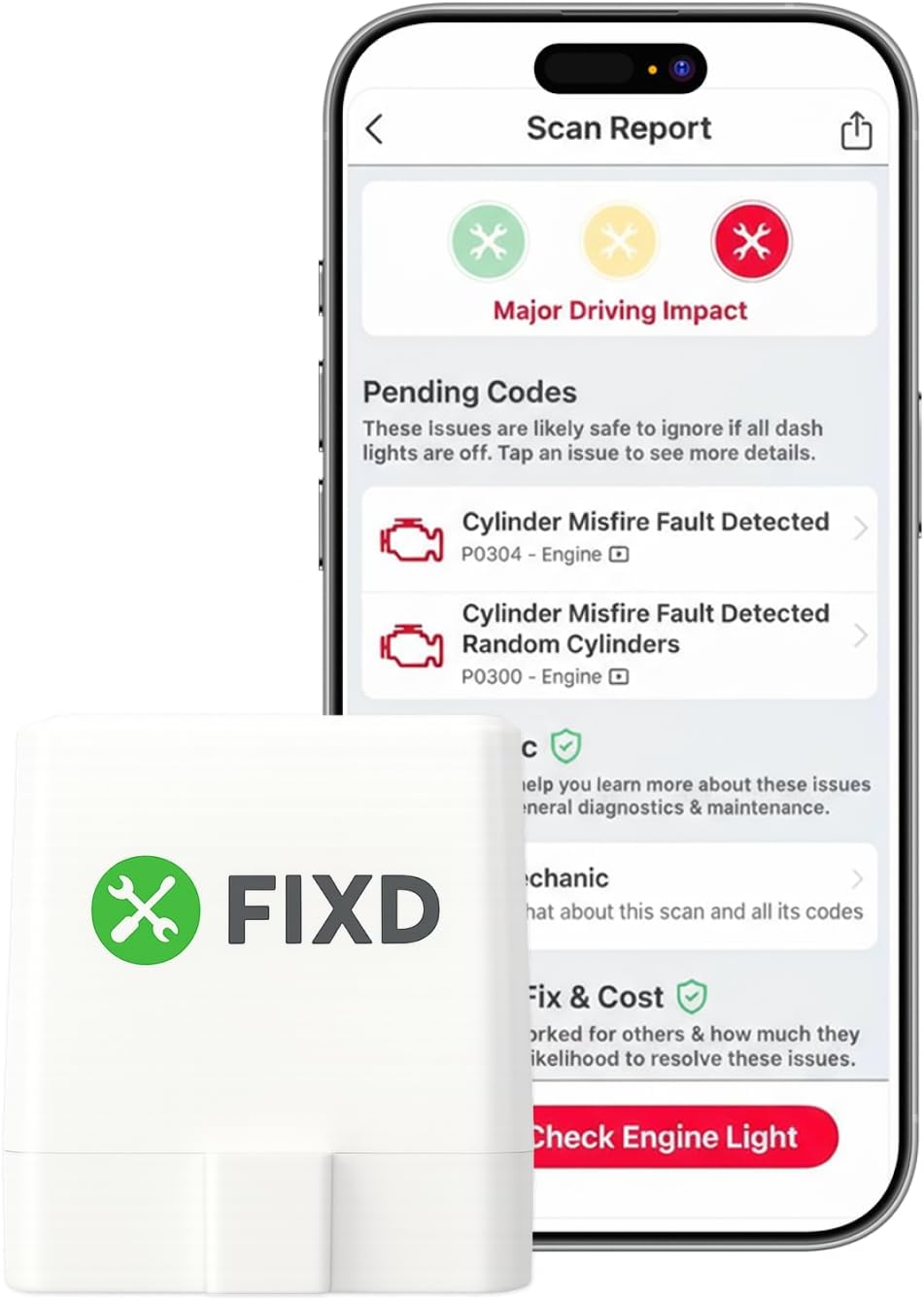
Best Bluetooth OBD2 Scanner
Detect 39,000+ Issues With Enhanced Codes. Save $1000s on car repairs & buying used vehicles by diagnosing problems yourself.
Shop on Amazon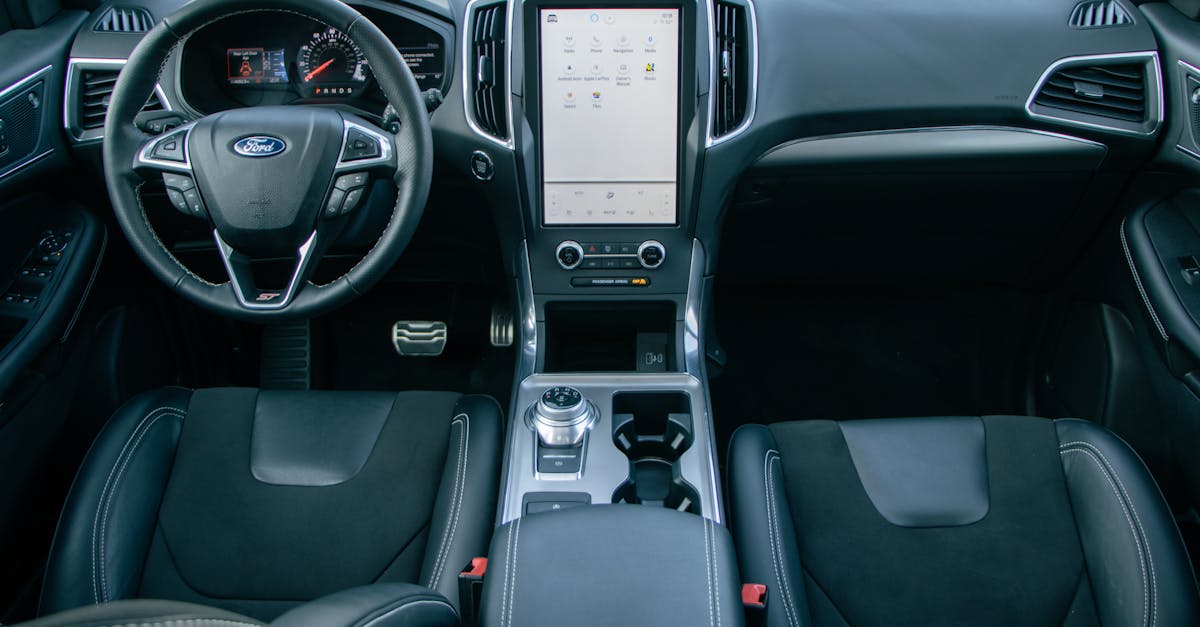
Ford Edge models equipped with the 6F50, 6F55, and 8-speed automatic transmissions have generated thousands of owner complaints since the SUV’s 2007 debut. The issues range from mild hesitation on upshifts to complete loss of forward gears. AWD variants suffer an additional weak point: the PTU, which overheats and dumps metal shavings into the drivetrain if the fluid is never changed.
Understanding whether your problem is electrical (a speed sensor or range sensor fault) or mechanical (worn clutch packs, a failing torque converter) determines whether you’re looking at a straightforward repair or a full transmission rebuild. The stakes are high, getting the diagnosis wrong costs you thousands. Let’s break down exactly what fails, why, and what you can do about it right now.
Major Transmission Symptoms and Failures
Common Warning Signs
The earliest red flags in a Ford Edge transmission problem usually appear as delayed engagement when shifting from Park to Drive, a noticeable “clunk” entering Reverse, or a brief flare between gears where the engine revs without acceleration. You may also see the wrench warning light illuminate on the dash, which indicates the PCM has logged a powertrain fault.
A P0750 code (Shift Solenoid A malfunction) is one of the most frequently pulled codes on 6F50-equipped models. This code often points to a failed solenoid pack, but it can also result from degraded transmission fluid that’s lost its friction-modifier properties. Always check fluid condition before replacing parts.
If your Edge displays “Transmission Not in Park” while the shifter is clearly in Park, suspect the transmission range sensor (TR sensor) mounted on the side of the case. Corrosion on the connector or internal sensor wear triggers this ghost reading.
Transmission Slipping and Shudder
Torque converter shudder is the single most common complaint across 2015–2018 Ford Edge models. You’ll feel a vibration between 35–50 mph under light throttle, almost like driving over rumble strips. This shudder results from degraded friction material inside the torque converter lockup clutch.
“My 2016 Edge Sport started shuddering around 40 mph at 60k miles. Dealer said it was the torque converter and quoted me a rebuild. Turned out a fluid flush with Mercon ULV actually fixed it for another 30k.” via r/FordEdge
Ford Edge transmission slipping under load, especially uphill or during passing maneuvers, often indicates worn clutch packs inside the 6F50. Transmission fluid that appears dark brown or smells burnt confirms internal friction material breakdown.
Loss of Power and Hard Shifting
The Ford Edge 8-speed transmission 2-3 shift shock is a well-documented issue. You’ll feel a firm “bang” as the transmission engages third gear, particularly when the fluid is cold. This hard shift often traces to the adaptive learning tables inside the TCM (Transmission Control Module) compensating for wear by increasing line pressure.
Performing a Ford Edge transmission adaptive learning reset through a scan tool can temporarily smooth shifts, but if the problem returns within a few hundred miles, internal wear is the root cause. Limp mode, where the transmission locks into a single gear, means the PCM has detected a critical fault and is protecting the gearbox from further damage. Do not ignore limp mode.
Known Recalls, Service Bulletins, and Affected Model Years
Key Safety Recalls and TSBs
Ford has issued multiple Technical Service Bulletins covering Edge transmission issues. TSB 19-2346 addressed torque converter shudder in 2015–2018 models by recommending a fluid drain-and-fill with Mercon ULV and, in persistent cases, torque converter replacement. For 2019+ models with the 8-speed, TSB updates through 2025 focused on TCM recalibration to reduce the 2-3 shift shock.
In early 2026, Ford released updated calibration files for the 8-speed automatic targeting improved shift quality and reduced PTU thermal load in AWD models. These updates are available at dealerships and should be requested during any transmission-related service visit.
Ford Edge Transmission Recall Coverage
The Ford Edge transmission recall list relevant to 2026 includes NHTSA Campaign 19V-170, which covered the “Transmission Not in Park” condition on select 2015–2016 models where a faulty TR sensor could allow the vehicle to roll. Ford’s powertrain warranty coverage for 2026 extends 5 years/60,000 miles on new vehicles, but several owner lawsuits have pushed extended coverage for torque converter failures on affected model years.
| Model Years | Transmission | Primary Issue | Coverage Status |
|---|---|---|---|
| 2007–2014 | 6F50 6-speed | Solenoid pack failure, harsh shifts | Standard warranty only |
| 2015–2018 | 6F50/6F55 6-speed | Torque converter shudder, PTU overheat | Extended goodwill coverage possible |
| 2019–2024 | 8-speed auto | 2-3 shift shock, TCM calibration | Active TSB updates through 2026 |
Hidden Fixes and Dealer Actions
Some Ford dealers perform “customer satisfaction” repairs on torque converters outside of formal recalls if you escalate through Ford’s regional customer service line. This is especially true for 2015–2018 models with documented shudder complaints. Always ask your dealer to check for open TSBs and field service actions, these don’t always appear in standard recall lookups.
“Ford covered my torque converter replacement at 78k miles after I called corporate. Dealer originally said no coverage but the regional rep approved it as goodwill.” via r/MechanicAdvice
Diagnosing and Addressing Transmission Issues
Transmission Range Sensor and Fluid Check
Your first triage step is simple: check the transmission fluid level and condition. Pull the dipstick (or use the overflow plug on sealed units) and look for color and smell. Healthy Mercon LV or ULV fluid is translucent red. Dark brown or black fluid with a burnt odor means internal damage has already occurred.
Next, scan for codes. A dedicated OBD-II scanner like the FOXWELL NT624 Elite reads Ford-specific transmission codes including P0750, P0715 (TSS sensor), and P0720 (OSS sensor). If you only pull speed sensor codes without accompanying solenoid or clutch codes, you likely have an external sensor failure, not an internal mechanical breakdown. This distinction alone can save you from an unnecessary rebuild.
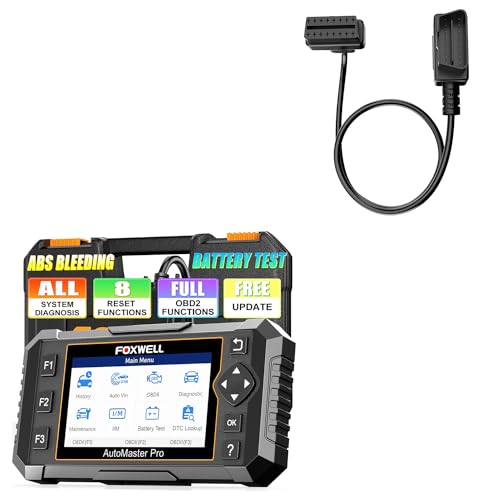
For the Ford Edge transmission not in park sensor fix, inspect the TR sensor connector for corrosion and test the sensor’s resistance values against Ford specs. Replacement is straightforward and requires basic hand tools.
Software Updates and Parts Replacement
Before replacing hardware, visit your dealer for the latest TCM flash. Ford’s 2026 calibration updates address shift timing, torque converter lockup strategy, and PTU thermal management. A software flash takes under an hour and may resolve your shift quality complaint entirely.
For DIY diagnostics and live data monitoring, FORScan is the go-to software tool for Ford vehicles. It lets you read enhanced Ford modules, reset adaptive learning tables, and even program new TR sensors without a dealer visit. You’ll need a compatible OBD-II adapter like the OBDLink EX to use FORScan effectively.

If speed sensor replacement (TSS or OSS) doesn’t resolve erratic shifting, the next step is a solenoid pack replacement, an external repair that doesn’t require removing the transmission.
Transmission Replacement Costs
Rebuilding a Ford Edge 6-speed vs replacement is a decision that depends on mileage and the extent of internal damage. A rebuild addresses worn clutch packs, seals, and the torque converter while reusing the case and most hard parts. Full replacement with a remanufactured unit provides a longer warranty but higher upfront cost.
Symptoms of failing PTU in Ford Edge AWD, grinding noise from under the vehicle, fluid leak at the PTU seal, or vibration at highway speed, require separate attention. The PTU is not part of the transmission rebuild and must be serviced independently. Ford Edge transmission cooling system failure, where the internal trans cooler in the radiator leaks, can also introduce signs of water in Ford Edge transmission fluid, a milky pink appearance that demands immediate action.
Long-Term Reliability and Preventive Maintenance
Maintenance Practices and Fluid Changes
Ford’s official maintenance schedule lists the 6F50 transmission fluid as “lifetime fill”, but experienced technicians disagree. Ford Edge transmission fluid life and overheat conditions shorten that interval dramatically, especially in AWD models where the PTU generates additional heat. Change your transmission fluid every 30,000–40,000 miles using the correct spec (Mercon LV for 6-speed, Mercon ULV for 8-speed). Change your PTU fluid every 30,000 miles without exception.
Preventive maintenance checklist:
- Drain and fill transmission fluid every 30,000–40,000 miles
- Replace PTU fluid every 30,000 miles (AWD models)
- Inspect trans cooler lines for leaks at every oil change
- Scan for stored codes annually, even without symptoms
- Request latest TCM calibration at each dealer visit
How Driving Habits Affect Transmission Longevity
Aggressive acceleration from stops and towing near the Edge’s maximum rating accelerate clutch pack wear in the 6F50. The 8-speed automatic handles towing loads better due to improved gear spacing, but still suffers from heat buildup during sustained grades. If you tow regularly, install an auxiliary transmission cooler, it’s the single best investment for long-term transmission health.
Avoid rocking the vehicle between Drive and Reverse when stuck in snow or mud. This practice hammers the forward and reverse clutch apply pistons and can crack the servo bore.
Assessing Ford Edge Problems Over Time
Data Insights & Analysis
According to NHTSA complaint data, the 2015 Ford Edge leads all model years with over 400 transmission-related complaints filed through early 2026. The 2016 and 2017 models follow closely. By contrast, 2019+ models with the 8-speed show roughly 60% fewer transmission complaints per vehicle sold, suggesting Ford’s engineering revisions made measurable progress.
CarComplaints.com data shows the average mileage at failure for 6F50-equipped Edges clusters around 65,000–80,000 miles, just past the standard powertrain warranty.
Expert Note: "The 6F50 doesn't fail because of a single design flaw. It fails because the torque converter lockup clutch generates micro-debris that contaminates the valve body over time. By the time you feel the shudder, the damage has been circulating through the system for 20,000 miles. Early fluid changes interrupt this cycle before it becomes irreversible."
If you’re shopping for a used Ford Edge, prioritize 2019+ models, verify fluid change history, and budget for a pre-purchase transmission inspection. For current owners, staying ahead of fluid maintenance and keeping up with TSB updates remain your strongest defenses against a major failure.
Frequently Asked Questions
What are the most common Ford Edge transmission problems?
The three main Ford Edge transmission problems are PTU overheating in AWD models, harsh 2-3 shift shock in 6-speed and 8-speed automatics, and “Transmission Not in Park” sensor errors. Torque converter shudder between 35–50 mph is the most frequently reported complaint, especially in 2015–2018 models.
How can I tell if my Ford Edge transmission needs repair or just a fluid change?
Check your transmission fluid condition first—healthy fluid is translucent red, while dark brown or burnt-smelling fluid indicates internal damage. Scan for diagnostic codes; speed sensor codes alone suggest an external fix, while solenoid or clutch codes point to internal wear requiring more extensive repair.
What does the “Transmission Not in Park” error mean on a Ford Edge?
This error usually indicates a faulty transmission range (TR) sensor mounted on the transmission case, often triggered by connector corrosion or internal sensor wear. Inspect the connector for corrosion and test sensor resistance; replacement is straightforward and can resolve the issue without transmission removal.
How often should I change Ford Edge transmission fluid?
Despite Ford’s “lifetime fill” claim, change transmission fluid every 30,000–40,000 miles using Mercon LV (6-speed) or ULV (8-speed). For AWD models, also change PTU fluid every 30,000 miles. Regular fluid changes prevent torque converter degradation and extend transmission life significantly.
What is torque converter shudder and can it be fixed without replacement?
Torque converter shudder—a vibration felt between 35–50 mph—results from degraded friction material in the lockup clutch. TSB 19-2346 recommends a fluid drain-and-fill with Mercon ULV as the first fix; many owners report success with this approach before considering full torque converter replacement.
Which Ford Edge model years have the worst transmission problems?
The 2015–2018 Ford Edge models carry the highest transmission failure rates, with over 400 complaints filed for the 2015 model alone. By contrast, 2019+ models with the 8-speed automatic show approximately 60% fewer transmission complaints per vehicle sold, indicating significant engineering improvements.
Sources:
- NHTSA Complaints for Ford Edge
- CarComplaints.com Ford Edge Problems
- r/MechanicAdvice Transmission Discussion
- r/FordEdge Community Discussion
- FORScan Official Site
Read More:
- Ford Transmission Problems (Symptoms, Recalls, and What to Do)
- Ford Fusion Transmission Problems (Guide to Shifts, Shudders, & Recalls)
- Ford Explorer Transmission Problems Every Owner Should Know