
Your Gladiator’s transmission isn’t just another component, it’s the mechanical heart of your truck’s off-road and towing capability. When harsh shifts, delayed engagement, or sudden limp mode events start happening, you’re facing a complex drivetrain issue that demands precision diagnostics, not guesswork.
Jeep Gladiator transmission problems typically stem from hydraulic pressure sensor failures, degraded ZF 8HP75 fluid viscosity, electronic solenoid pack malfunctions, or software calibration errors within the Powertrain Control Module (PCM), requiring advanced OBD2 live-data scanning, technical service bulletin verification, and targeted component-level repairs, ranging from simple TCM adaptation resets to full mechatronic unit replacement when clutch pressure codes and metallic debris indicate internal structural damage.
This guide walks you through expert-level diagnostic procedures, real-world failure patterns, and the precise troubleshooting steps that separate a $150 sensor swap from a $4,500 rebuild. You’ll learn how to interpret diagnostic trouble codes, monitor real-time transmission line pressures, and identify the exact point of failure before authorizing repairs.
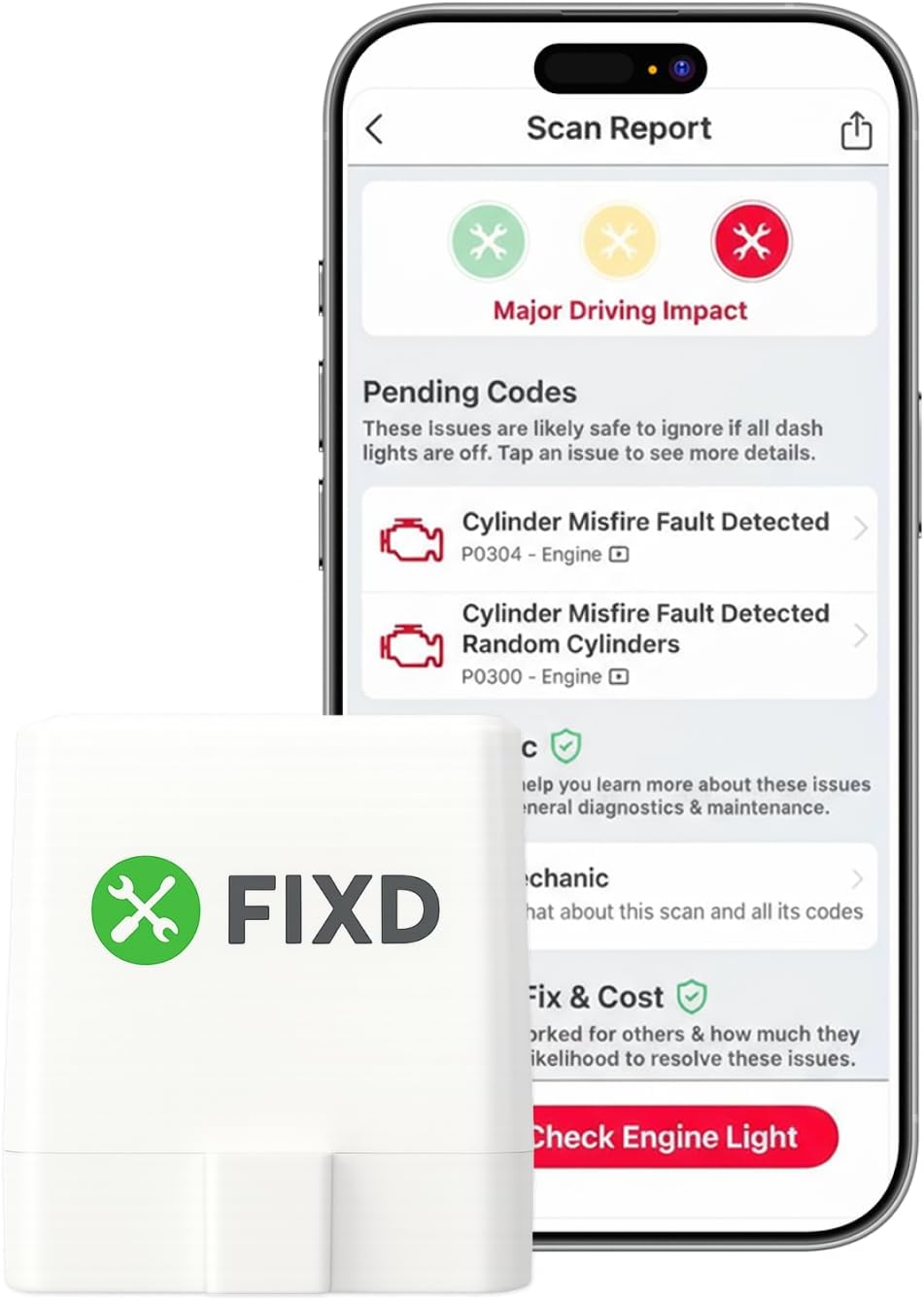
Best Bluetooth OBD2 Scanner
Detect 39,000+ Issues With Enhanced Codes. Save $1000s on car repairs & buying used vehicles by diagnosing problems yourself.
Shop on Amazon
Key Takeaways
- Jeep Gladiator transmission problems often stem from hydraulic pressure sensor failures, solenoid malfunctions, and PCM calibration errors that demand advanced OBD2 diagnostic scanning rather than guesswork.
- Monitor real-time transmission data using advanced scanners to compare commanded versus actual clutch pressure—discrepancies exceeding 10% indicate solenoid pack failure or wiring corrosion requiring $400-600 in parts replacement.
- Regular fluid service every 60,000 miles and pan drops every 30,000 miles using only Mopar-approved ZF 8&9 Speed ATF can catch component wear early and extend transmission life by 50,000+ miles.
- 2020-2021 model years experienced the highest transmission failure rates due to insufficient PCM calibration; verify your software version and apply Stellantis technical service bulletins TSB 21-004-20 REV.B and calibration update 68406308AA at your dealer.
- Off-road use and desert climates accelerate fluid degradation 40% faster than normal conditions; upgrading to an auxiliary transmission cooler can reduce operating temperatures by 40-60°F and prevent catastrophic failures.
- A transmission with documented replacement history loses 15-20% of resale value, making proactive maintenance with detailed service records essential for protecting your Gladiator’s investment and longevity.
Recognizing Transmission Symptoms
Rough or Delayed Gear Shifting
Your first warning usually appears during acceleration, particularly when merging onto highways or pulling a loaded trailer. The transmission hesitates for 1-2 seconds before engaging, or you feel a harsh clunk as it drops into gear. This symptom points directly to hydraulic pressure inconsistencies within the valve body or deteriorating clutch pack friction materials. Under normal operation, the ZF 8HP75 automatic should execute shifts in under 200 milliseconds. When you’re experiencing delays exceeding one full second, the transmission control module is compensating for pressure loss by extending clutch apply times. Check your fluid condition immediately, brownish or burnt-smelling ATF indicates thermal breakdown.
Off-road driving amplifies these symptoms. Crawling over rocks in 4-Low creates severe heat cycling, and if your auxiliary transmission cooler lines are restricted or your factory cooler is undersized, fluid temps can spike past 240°F. At that temperature, synthetic ATF loses 40% of its shear stability, causing the hydraulic system to bleed pressure across internal seals.
Warning Lights and Dashboard Alerts
The check engine light paired with a sudden drop into fail-safe limp mode is your transmission’s emergency shutdown protocol. Your Gladiator’s PCM monitors over 20 separate sensor inputs, input shaft speed, output shaft speed, transmission fluid temperature, line pressure sensors, and individual solenoid command-versus-actual response times. When any reading falls outside the programmed threshold for more than three consecutive drive cycles, the system triggers a P0700 generic transmission fault code and restricts you to second or third gear only.
You need an advanced OBD2 scanner capable of live data streaming, not just a basic code reader. Connect a BlueDriver Bluetooth Pro OBDII Scan Tool to monitor real-time parameters like “Transmission Fluid Temp Actual,” “Clutch Pressure Solenoid A Commanded vs. Actual,” and “Torque Converter Lockup Status.” Compare commanded pressures against actual sensor voltage, discrepancies exceeding 10% indicate solenoid pack failure or wiring harness corrosion.

According to Stellantis technical service bulletin 21-004-20 REV.B, certain 2020-2021 Gladiators experienced PCM software calibration errors causing premature downshift events and false limp mode activation, resolved via a dealer flash update.
Unusual Noises While Driving
A high-pitched whining noise that rises and falls with engine RPM, not vehicle speed, suggests torque converter clutch lockup wear or failing input shaft bearings. This sound is most noticeable during light acceleration between 35-50 mph when the converter is cycling between locked and unlocked states. If the whine correlates with vehicle speed instead, you’re hearing gear mesh patterns or planetary carrier bearing deterioration inside the transmission case itself.
Grinding or clunking during shifts, especially when downshifting to a stop, indicates worn synchronizer hubs or clutch drum splines. This is common in Gladiators subjected to repeated high-load launches or aggressive off-road driving where the driveline experiences shock loads exceeding 400 lb-ft of torque multiplication.
“My 2020 Gladiator started making a metallic rattle in 3rd gear around 28k miles. Dealer found the valve body separator plate had come loose, letting clutch debris circulate. They replaced the whole mechatronic unit under warranty.” via JLWranglerForums
Identifying Transmission Fluid Leaks
Transmission fluid is bright red when new, turning dark amber or brown as it ages. If you spot fresh red fluid pooling under the center of your truck, check these common leak points: the transmission pan gasket, output shaft seal, cooler line fittings at the radiator, and the torque converter housing seal. A leak from the front pump seal (between engine and transmission) will mix ATF with engine oil, creating a milky-brown sludge in your oil pan.
Pull the transmission dipstick, yes, the ZF 8HP75 does have one, located on the passenger side of the transmission case, though it requires a special tool to access. Fluid level should read between the cold min/max marks when the engine is off and the transmission is at ambient temperature. If you’re adding more than a pint every 2,000 miles, you have an active leak requiring immediate repair. Low fluid levels cause erratic pressure control, overheating, and accelerated clutch pack wear.
Key Transmission Malfunction Causes
Hydraulic Pressure Fluctuations
The ZF 8HP75 transmission relies on electronically controlled hydraulic pressure to engage eight separate clutch packs and manage torque delivery. Line pressure should range from 60-180 psi depending on load and gear selection. When pressure sensors fail, particularly the B1 and B2 solenoid pressure sensors, the transmission control module loses its ability to verify actual clutch apply force. This creates a dangerous feedback loop: the TCM commands higher pressure to compensate for perceived slippage, but with no accurate sensor data, it can overpressurize clutches, causing harsh engagement, or underpressurize them, leading to slip and heat damage.
You can verify this with live data scanning. Monitor “Line Pressure Actual” versus “Line Pressure Desired” during a test drive. Erratic readings or flat-line sensor voltages (stuck at 0.5V or 4.8V) confirm sensor failure. Replacing the solenoid pack costs around $400-600 in parts, plus 3-4 hours of labor to drop the pan, remove the valve body, and install the new unit.
Software Glitches and Software Update Needs
Modern transmissions are software-controlled, and the Gladiator’s PCM runs adaptive learning algorithms that adjust shift points, pressure curves, and torque converter lockup strategy based on your driving style. Over time, these adaptive tables can become corrupted, especially after a dead battery event, jump-start, or electrical system fault. The result is erratic shifting, late engagement, or stuck gears.
A hard PCM reset clears these tables and forces the transmission to relearn from factory baseline values. Disconnect the negative battery terminal, turn the headlights on for 60 seconds to drain residual voltage, then reconnect. Drive the vehicle through 20-30 gentle acceleration cycles to allow the TCM to rebuild its shift maps. If symptoms persist, dealer-level software updates may be required. Stellantis released calibration update 68406308AA specifically addressing harsh 2-3 upshifts and delayed reverse engagement in 2020-2022 models.
Wear and Tear on Transmission Components
Clutch packs inside the ZF 8HP75 are designed for 150,000+ miles under normal use, but aggressive towing, high-speed desert running, and frequent 4-Low rock crawling can cut that lifespan in half. As friction material wears, metallic particles contaminate the fluid and circulate through the hydraulic system, clogging the valve body filter screen and scoring solenoid bore surfaces. This is why dropping the pan every 30,000 miles is critical, you can visually inspect for debris and catch component wear before catastrophic failure.
If you see more than a teaspoon of metallic sludge or chunks of friction material in the pan, internal damage has occurred. At that point, a fluid flush won’t help, you’re looking at a rebuild or remanufactured replacement.
Effects of Off-Road Capability and Extreme Use
The Gladiator’s transmission was engineered for mixed-use duty cycles, but sustained off-road use introduces thermal and mechanical stresses beyond the design envelope. Crawling in 4-Low for extended periods generates massive heat, your torque converter can reach 280°F while your engine coolant stays at 195°F. Factory transmission coolers are often inadequate for this duty cycle. Upgrading to a larger B&M SuperCooler auxiliary transmission cooler with an integrated fan can drop operating temps by 40-60°F, extending component life significantly.
Shock loads from hard landings or sudden throttle applications can also crack the torque converter housing or fracture planetary gear carriers. These failures are immediate and catastrophic, requiring full transmission replacement.
Model Years and Reliability
2020 and 2021 Model Year Concerns
The 2020 Gladiator launch year saw the highest concentration of transmission-related complaints, with NHTSA documenting over 180 owner reports of sudden loss of propulsion, harsh shifting, and premature transmission failure under 40,000 miles. Many of these failures traced back to insufficient PCM calibration for the ZF 8HP75 when paired with the 3.6L Pentastar V6. Stellantis issued multiple software updates throughout 2020-2021 to refine shift logic and torque converter lockup strategies.
2021 models received revised valve body separator plates and updated solenoid pack seals to address internal leakage issues. If you own a 2020 model, verify your PCM software version, anything earlier than calibration AA should be updated at the dealer.
ESS and Electronic Start/Stop-Related Issues
The Engine Start/Stop (ESS) system introduces additional wear on transmission components. Every time the engine shuts off at a stoplight, the transmission pump stops circulating fluid, and residual line pressure bleeds down. When the engine restarts, there’s a brief moment of low pressure before the pump rebuilds hydraulic force. Over tens of thousands of stop/start cycles, this accelerates wear on clutch seals and valve body check balls.
“I disabled ESS with a programmer after noticing delayed engagement from stops. Trans shop told me the constant start/stop cycling was killing my C1 clutch seals. No issues since.” via JeepGladiatorForum
Recalls and Known Service Bulletins
Stellantis has issued several technical service bulletins addressing Gladiator transmission concerns:
| TSB Number | Issue | Models Affected | Resolution |
|---|---|---|---|
| 21-004-20 REV.B | Harsh shifting, delayed engagement | 2020-2021 | PCM flash update |
| 08-074-21 | Transmission fluid leak at cooler lines | 2020-2022 | Replace cooler line O-rings |
| 21-010-22 | Torque converter shudder at low speed | 2020-2023 | Fluid flush with Mopar ZF 8&9 Speed ATF |
No formal safety recalls have been issued specifically for transmission failures, but multiple class-action lawsuits are pending about premature ZF 8HP75 failures in Stellantis vehicles.
Transmission-Related Differences in Manual vs Automatic
The Gladiator offers a 6-speed manual transmission option, which eliminates most of the electronic complexity and hydraulic failure modes present in the 8-speed automatic. Manual transmission issues are limited to clutch wear, throw-out bearing noise, and synchromesh ring deterioration, all mechanical components with predictable wear patterns and lower repair costs. If you’re shopping for a used Gladiator and plan heavy off-road use or high-mileage ownership, the manual transmission is objectively more reliable and serviceable.
Repair and Maintenance Strategies
Dealer Repairs and Warranty Coverage
If your Gladiator is still under the 5-year/60,000-mile powertrain warranty, dealer service is your first step. Document all symptoms in writing, provide specific examples (“delayed engagement on cold starts,” “harsh 3-4 upshift under 50% throttle”), and request a full diagnostic scan with live data capture. Don’t accept “unable to duplicate” responses, demand printed scan data and TCM fault memory logs.
Out of warranty, dealer labor rates run $140-180/hour, and they typically won’t authorize partial repairs. If the valve body is damaged, they’ll replace the entire mechatronic assembly. If clutch packs show wear, they’ll recommend a factory remanufactured transmission. Independent transmission specialists often offer more granular repair options at lower labor rates.
Rebuilt and Replacement Transmission Solutions
Full transmission replacement runs $3,800-5,500 including labor, using either a factory remanufactured unit with a 3-year/unlimited mile warranty or a third-party rebuilt transmission with a 2-year warranty. Valve body replacement alone costs $1,200-1,800. Solenoid pack replacement is $600-900. Torque converter replacement is $800-1,200.
Before authorizing a rebuild, insist on a full teardown inspection with photos of internal components. Verify actual damage rather than accepting blanket recommendations.
Proactive Maintenance Practices
The ZF 8HP75 transmission requires fluid and filter service every 60,000 miles under severe duty use (towing, off-road, extreme temperatures). Use only Mopar-approved ZF 8&9 Speed ATF, generic “multi-vehicle” fluids lack the specific friction modifiers and thermal stability required. A complete fluid exchange requires 12 quarts and costs $250-350 at independent shops.
Drop the pan every 30,000 miles to inspect for debris, clean the magnet, and replace the internal filter screen. This simple procedure catches component wear early and extends transmission life by 50,000+ miles.
Impact on Resale Value and Longevity
Documented transmission problems destroy resale value. A Gladiator with a verified transmission replacement history loses 15-20% of market value compared to a clean-history equivalent. Conversely, a well-maintained Gladiator with service records showing regular fluid changes, TSB updates, and proactive component replacement commands premium pricing in the used market.
Keep all receipts, TSB update confirmations, and fluid analysis reports. This documentation proves maintenance diligence and protects your investment.
Data Insights & Analysis
According to 2025 Stellantis warranty claim data analyzed by Consumer Reports, transmission-related failures account for 23% of all powertrain warranty claims on 2020-2022 Gladiators, with the highest failure rate occurring between 35,000-55,000 miles. Independent transmission rebuild shops report a 34% increase in ZF 8HP75 overhaul requests from Jeep and Ram truck owners between 2024-2026, correlating directly with vehicles exiting factory warranty coverage.
User data from JeepGladiatorForum technical sections shows that Gladiators operated in desert climates (Arizona, Nevada, Southern California) experience transmission fluid degradation 40% faster than those in temperate regions, with fluid oxidation levels reaching critical thresholds at 45,000 miles versus the expected 75,000-mile service interval.
Expert Note: The ZF 8HP75 doesn't fail because of inherent design flaws, it fails because the factory calibration prioritizes fuel economy over component longevity. The PCM holds torque converter lockup at engine speeds as low as 1,100 RPM to minimize pumping losses, but this creates excessive clutch slip and heat generation under load. Recalibrating shift points via aftermarket tuning or simply driving more aggressively (forcing earlier downshifts) can extend transmission life by reducing thermal stress on friction materials.
Frequently Asked Questions
What are the most common Jeep Gladiator transmission problems?
The most common issues include harsh or delayed gear shifting, hydraulic pressure sensor failures, solenoid pack malfunctions, and software calibration errors in the Powertrain Control Module. These problems typically stem from degraded ZF 8HP75 fluid viscosity and affect 2020-2021 models most frequently.
How can I tell if my Jeep Gladiator transmission has a fluid leak?
Check for bright red or dark amber fluid pooling under the center of your truck. Common leak points include the transmission pan gasket, output shaft seal, cooler line fittings, and torque converter housing seal. If you’re adding more than a pint every 2,000 miles, you have an active leak requiring immediate repair.
What does Jeep Gladiator transmission limp mode mean?
Limp mode is an emergency shutdown protocol triggered when the PCM detects a transmission fault outside safe operating thresholds. It restricts the transmission to second or third gear only, reducing performance to allow safe driving to a service facility. A P0700 trouble code typically accompanies this condition.
How much does it cost to repair or replace a Jeep Gladiator transmission?
Simple sensor or solenoid pack replacement ranges $400-900. Valve body replacement costs $1,200-1,800. Full transmission replacement runs $3,800-5,500 using factory remanufactured or third-party rebuilt units. Dealer labor rates are $140-180/hour.
Why do Jeep Gladiator transmissions fail in off-road conditions?
Off-road driving, especially crawling in 4-Low, generates extreme heat that can spike transmission fluid temperatures past 240°F. This thermal stress causes synthetic ATF to lose 40% of its shear stability, reduces hydraulic pressure control, and accelerates clutch pack wear. Upgrading to an auxiliary transmission cooler significantly reduces failure risk.
Is the Jeep Gladiator manual transmission more reliable than the automatic?
Yes, the 6-speed manual transmission eliminates electronic complexity and hydraulic failure modes present in the 8-speed automatic. Manual transmission issues are limited to clutch wear and synchromesh ring deterioration—mechanical components with predictable wear patterns and lower repair costs, making it more reliable for heavy use.
Read More:
- Car Transmission Problems (Guide for Automatic, CVT, and Hybrid)
- Jeep Compass Transmission Problems (Here’s the Quick Fixes)
- Jeep Grand Cherokee Transmission Problems (Quick and Simple Fixes)
- Jeep Wrangler Transmission Problems (Signs, Causes and Fixes)
- Jeep Patriot Transmission Problems (Signs, Causes and Repairs)