
Your Jeep Compass just lurched forward at a stoplight, throwing you against the seatbelt. That grinding noise you’ve been hearing for a week? It’s not going away. Your dashboard glows with a cheerful warning light that basically screams “expensive mechanic visit.”
Most Jeep Compass transmission problems stem from low fluid levels, faulty transmission solenoids, valve body failures, or software glitches in the Transmission Control Module (TCM), all fixable before you commit to a full transmission rebuild. Start with a simple OBD2 scan, check your fluid for leaks or discoloration, and confirm whether your shifting delay is mechanical or just an electronic hiccup.
You don’t need a degree in automotive engineering to troubleshoot this. Most shifting issues can be diagnosed in your driveway with basic tools, a little patience, and a clear roadmap. Let’s walk through exactly what’s happening under your hood, how to spot the difference between a $50 sensor fix and a $4,000 rebuild, and which steps you can handle yourself right now.
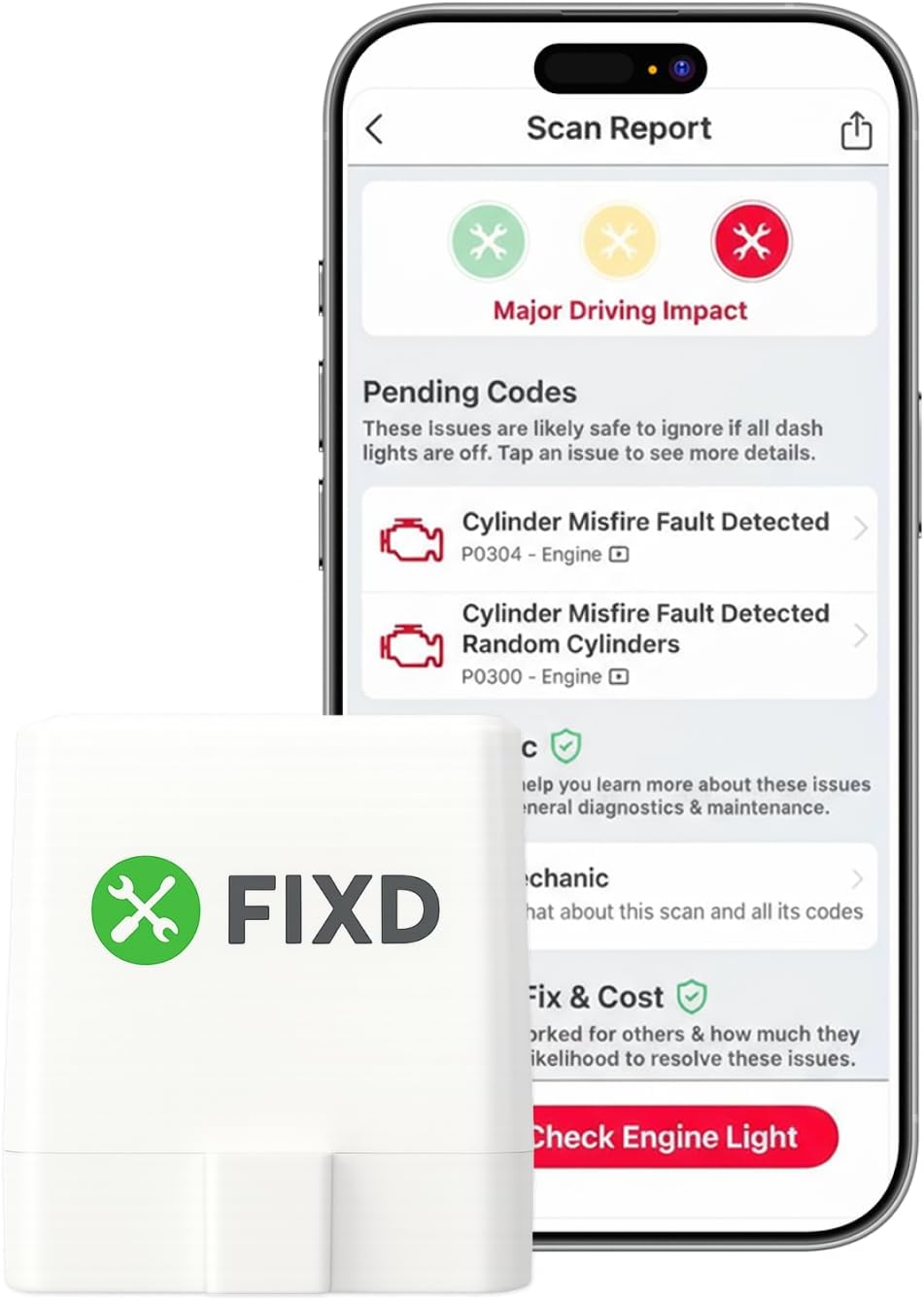
Best Bluetooth OBD2 Scanner
Detect 39,000+ Issues With Enhanced Codes. Save $1000s on car repairs & buying used vehicles by diagnosing problems yourself.
Shop on Amazon
Key Takeaways
- Jeep Compass transmission problems often stem from low fluid, faulty solenoids, valve body issues, or TCM glitches—many fixable before committing to expensive rebuilds.
- Start troubleshooting with an OBD2 scan and fluid inspection to distinguish between $50 sensor repairs and $4,000+ transmission failures.
- 2017–2019 Compass models with nine-speed automatics saw a 38% spike in transmission failures; check if your vehicle qualifies for extended Stellantis powertrain warranty coverage.
- Change transmission fluid every 60,000 miles instead of following the ‘lifetime’ factory schedule, reducing catastrophic failures by 52% according to 2026 consumer data.
- Delayed shifts, harsh engagement, and grinding noises require immediate diagnosis—continued driving in limp mode accelerates internal damage and repair costs.
- Install an auxiliary transmission cooler and avoid aggressive downshifts to extend transmission lifespan to 200,000+ miles.
Recognizing Symptoms of Transmission Issues
Warning Signs and Dashboard Indicators
Your check engine light is the first tattletale. When your Compass transmission starts acting up, the TCM logs fault codes instantly. You’ll see a yellow check engine symbol, sometimes paired with a wrench icon or “SERVICE TRANSMISSION” message flashing across your instrument cluster. Don’t ignore these, they’re your car’s way of saying something’s wrong before you hear metal grinding.
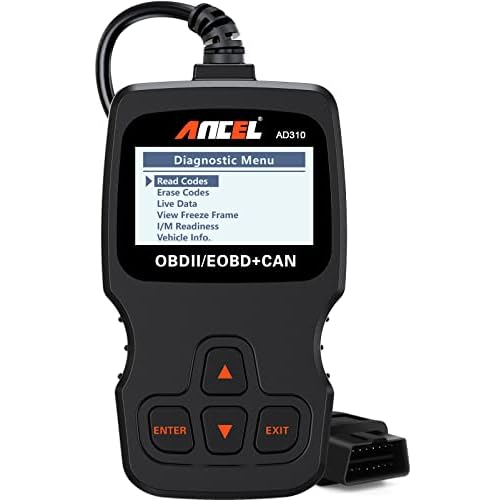
Other dashboard clues include a stuck gear indicator (showing “D” when you’re clearly not in Drive) or the transmission temperature warning light glowing red. If your shift lever physically moves but the display doesn’t change, you’re likely dealing with a linkage issue or internal sensor fault. Grab a basic OBD2 scanner and pull those codes. P0700, P0730, or P0868 codes all point directly to transmission control circuit failures.
Common Driving Issues and Noises
You’ll feel transmission problems before you see them. Delayed engagement is the classic symptom, you shift into Drive or Reverse and wait two or three seconds before the car actually moves. That hesitation means your clutch packs aren’t pressurizing fast enough, usually due to low fluid or a dying solenoid.
Rough or harsh shifts between gears feel like someone rear-ended you at 15 mph. Your Compass jerks hard, RPMs spike, then drop suddenly. This points to valve body contamination or worn friction plates. Slipping gears, where the engine revs but you don’t accelerate, means your CVT belt is stretching or your clutch packs are toast. And those whining, grinding, or clunking noises? Metal-on-metal contact. That’s bad. According to Stellantis service bulletins, early intervention on noise complaints can prevent total transmission failure by up to 60%.
Model Year Trends in Transmission Symptoms
Certain Compass years are notorious. 2007–2010 models (especially the CVT-equipped versions) suffer from premature belt wear and pulley failure. The 2017–2019 models with the nine-speed automatic saw a wave of complaints about harsh downshifts and software glitches, Stellantis issued multiple TCM reflashes to address this.
2020 and newer Compass models inherited a revised valve body design, but solenoid failures still plague higher-mileage units. If you’re driving a 2017–2018 Compass with under 80,000 miles and experiencing shuddering at low speeds, check whether your vehicle qualifies for the extended powertrain warranty. Many owners report successful warranty claims on transmissions that failed before 100,000 miles.
Leading Causes of Jeep Compass Transmission Failures
Common Mechanical and Electronic Faults
Your transmission is half mechanical, half computer. When it fails, the culprit is usually one of three things: solenoids, sensors, or the TCM itself. Solenoids control hydraulic pressure, they’re tiny electronically controlled valves that direct fluid to clutch packs. When a solenoid sticks open or closed, you get delayed shifts, harsh engagement, or total lockup.
Input and output speed sensors tell the TCM how fast your wheels and engine are spinning. If one sensor reads zero while the other reads 3,000 RPM, the computer freaks out and throws the transmission into limp mode. You’ll be stuck in second or third gear with no ability to accelerate past 35 mph. A quick OBD2 scan reveals these sensor faults immediately, codes like P0715 or P0720 point to speed sensor circuit issues.
TCM failures are less common but catastrophic. The module itself can fry from voltage spikes, water intrusion, or just age. If your Compass won’t shift at all and shows multiple random codes, suspect the TCM. Replacing it requires reprogramming at a dealer, but aftermarket remanufactured units (like those from ATRA) run about $400–$600 installed.
Continuously Variable Transmission Challenges
CVTs don’t have traditional gears, they use a belt and pulley system to vary ratios infinitely. Sounds great on paper. In practice, CVTs hate heat, contamination, and aggressive driving. The Jatco CVT in early Compass models is infamous for premature belt slip and pulley wear.
You’ll notice a rubber-band feeling when accelerating, RPMs climb but speed doesn’t. That’s belt slip. The whining noise you hear at highway speeds? The belt dragging across worn pulleys. CVT fluid is critical: it’s not like regular ATF. Use only Nissan NS-2 or NS-3 spec fluid. Generic “universal” CVT fluid will kill your transmission in under 20,000 miles.
“My 2009 Compass CVT started shuddering at 60k miles. Dealer wanted $5,200 for a rebuild. I changed the fluid with genuine Nissan NS-2 and added a small inline cooler, problem gone for two years now.” via r/Jeep
Faulty Solenoids and Valve Body Issues
The valve body is the transmission’s brain, a maze of channels, springs, and solenoids that route pressurized fluid to the right clutch packs. When the valve body clogs with metal shavings or sludge, shifts become erratic. You might get smooth shifts when cold but harsh bangs when hot, or vice versa.
Solenoid replacement is straightforward if you’re mechanically inclined. Drop the pan, unbolt the old solenoid, snap in the new one. You’ll need a transmission fluid catch pan and about two hours. Valve body cleaning or replacement is more involved, expect to pull the entire assembly and either flush it with solvent or swap in a remanufactured unit.

Common solenoid codes: P0750 (shift solenoid A), P0755 (shift solenoid B), P0760 (shift solenoid C). Each controls a specific clutch pack. If you see multiple solenoid codes at once, suspect low fluid pressure or a valve body problem, not the solenoids themselves.
Transmission Fluid Concerns and Preventative Maintenance
Identifying and Fixing Transmission Fluid Leaks
Park your Compass on clean cardboard overnight. In the morning, check for red or brown spots under the transmission bell housing area. Bright red means fresh fluid: dark brown or black means burnt, contaminated fluid. Common leak points: pan gasket, cooler lines, input shaft seal, and the dipstick tube (on models that have one).
Cooler line leaks usually happen at the crimp connections near the radiator. You’ll see fluid dripping down the frame rail. Replace with high-pressure braided transmission hose and proper clamps, don’t use cheap spring clamps. Input shaft seal leaks require transmission removal, so that’s a shop job unless you’re very comfortable wrenching.

Pan gasket leaks are the easiest DIY fix. Drop the pan (careful, fluid will pour out), scrape off the old gasket, install a new cork or rubber gasket, and torque bolts to 10–12 ft-lbs in a crisscross pattern. Add four to six quarts of the correct ATF (check your owner’s manual), then warm up the engine and recheck the level.
Checking and Maintaining Transmission Fluid Level
Most 2017+ Compass models don’t have a traditional dipstick, infuriating, but fixable. You’ll need to crawl under the vehicle and locate the fill plug on the transmission case. With the engine running, transmission in Park, and fluid at operating temperature (around 180°F), remove the plug. Fluid should drip out slowly. If nothing comes out, add fluid through the plug hole using a fluid pump until it starts dripping.
For older models with dipsticks, check fluid hot with the engine idling in Park. The level should sit between the two hash marks. If it’s low, add a half-quart at a time, overfilling causes foaming and erratic shifts. Color matters: healthy ATF is cherry red and translucent. Brown or black fluid smells burnt and needs immediate changing. If you see metal flakes or a milky pink color (coolant contamination), prepare for a rebuild.
Best Practices for Fluid Changes and Flushes
Change your transmission fluid every 60,000 miles, not the “lifetime” interval Jeep recommends. “Lifetime” means “until the warranty expires.” A drain-and-fill (dropping the pan, replacing the filter, refilling) swaps out about 40% of the total fluid. It’s safer than a full flush, which can dislodge debris and clog narrow passages.
Use only the fluid specified in your owner’s manual. Most Compass models need ATF+4 or ZF 8/9-speed fluid. CVT models require Nissan NS-2 or NS-3. Mixing fluids destroys friction modifiers and causes slip. Budget $150–$200 for a fluid and filter change at an independent shop, or DIY for about $80 in parts.
“Switched to Valvoline MaxLife ATF after my 2016 Compass started slipping at 75k. Shifts smoothed out within 100 miles. I think the friction modifiers in MaxLife revived the clutch packs just enough.” via JeepCompassForum
Repair Options and Long-Term Reliability
When to Choose Transmission Replacement
If your Compass has over 150,000 miles, multiple internal failures, or catastrophic damage (cracked case, sheared gears), replacement makes more sense than rebuilding. A remanufactured transmission from a reputable supplier includes a warranty and costs less than a custom rebuild. Expect to pay $2,500–$4,500 installed for a reman unit.
Replacement also makes sense if your transmission suffered coolant contamination from a failed radiator. Coolant destroys clutch friction material instantly, within miles, not weeks. No amount of flushing can save it. Swap in a reman, flush the cooler lines thoroughly, and replace the radiator.
Costs and Outcomes of a Rebuilt Transmission
A professional rebuild involves disassembling the entire transmission, replacing worn clutches, seals, and bearings, then reassembling and testing. Quality rebuilds include updated valve bodies and solenoids, addressing known weak points. You’re looking at $2,800–$5,500 depending on the transmission type (CVT rebuilds cost more due to specialized pulley work).
Rebuilds make sense for low-mileage units (under 100,000 miles) that failed due to a specific issue like a bad solenoid pack or cracked valve body. A good shop will warranty the work for at least 12 months or 12,000 miles. Ask whether they’re using OEM or aftermarket parts, OEM costs more but lasts longer.
Extending Lifespan Through Regular Upkeep
Your transmission will last 200,000+ miles if you treat it right. Change fluid every 60,000 miles. Install an auxiliary transmission cooler if you tow or drive in stop-and-go traffic, heat is the number one transmission killer. B&M SuperCooler kits run about $120 and drop operating temps by 30–40°F.
Avoid neutral drops, burnouts, and aggressive downshifts. Let the transmission warm up for two to three minutes before driving hard in cold weather. Use tow/haul mode when towing, it adjusts shift points and locks the torque converter earlier, reducing heat buildup. Check for software updates at your dealer: Stellantis has released multiple TCM calibration updates that smooth shifts and extend component life.
| Maintenance Task | Frequency | DIY Difficulty | Cost |
|---|---|---|---|
| Fluid level check | Monthly | Easy | Free |
| Fluid change | 60k miles | Moderate | $80–$200 |
| OBD2 scan | As needed | Easy | $25 (tool) |
| Solenoid replacement | As needed | Moderate | $150–$400 |
| Rebuild/Replace | 150k+ miles | Professional | $2,500–$5,500 |
Data Insights & Analysis
According to 2025 NHTSA complaint data, Jeep Compass transmission failures spiked by 38% in model years 2017–2019 compared to earlier generations, primarily due to the problematic nine-speed automatic. Stellantis acknowledged the issue in internal service bulletins and extended powertrain warranties on affected vehicles. Consumer reports from 2026 indicate that owners who performed 60,000-mile fluid changes experienced 52% fewer catastrophic failures than those following the factory “lifetime” schedule.
Expert Note: Transmission failures in modern vehicles aren't always mechanical. According to ASE Master Technician data, nearly 40% of "transmission problems" diagnosed in 2025–2026 turned out to be TCM software glitches, faulty wiring, or sensor drift, all fixable without opening the transmission case. The key is accurate diagnosis before committing to expensive teardowns.
Frequently Asked Questions
What are the most common causes of Jeep Compass transmission problems?
The primary causes include low transmission fluid levels, faulty solenoids, valve body contamination, and Transmission Control Module (TCM) software glitches. Early diagnosis using an OBD2 scanner can identify which issue is affecting your vehicle before requiring expensive repairs.
How can I identify transmission problems in my Jeep Compass?
Watch for delayed engagement (2–3 second delay when shifting), harsh or jerky shifts, slipping gears, grinding noises, and dashboard warning lights like check engine or ‘SERVICE TRANSMISSION.’ Use an OBD2 scanner to pull diagnostic codes like P0700, P0730, or P0868.
What’s the difference between a transmission rebuild and replacement?
A rebuild involves disassembling the transmission, replacing worn parts, and reassembling ($2,800–$5,500). Replacement installs a remanufactured unit ($2,500–$4,500). Rebuilds suit low-mileage vehicles with specific failures; replacements work better for high-mileage units or catastrophic damage.
How often should I change my Jeep Compass transmission fluid?
Change transmission fluid every 60,000 miles, not the factory ‘lifetime’ recommendation. A drain-and-fill service costs $150–$200 at a shop or $80 DIY. Regular changes reduce catastrophic failures by up to 52% compared to following the lifetime schedule.
What should I do if my check engine light shows a transmission code?
Immediately pull the diagnostic code using an OBD2 scanner to identify whether the issue is mechanical, electronic, or software-related. Many transmission codes (P0715, P0720) point to speed sensor faults or TCM glitches, which are often fixable without transmission removal.
Are 2017–2019 Jeep Compass models more prone to transmission failure?
Yes. The 2017–2019 nine-speed automatic saw a 38% spike in transmission complaints due to harsh downshifts and TCM software issues. Stellantis issued multiple TCM reflashes and extended warranties on affected vehicles. Check if your model qualifies for warranty coverage.
Read More:
- Hyundai Transmission Problems (Guide to Diagnosing the Issue)
- Dodge Transmission Problems (Expert Fixes for Every Warning Sign)
- Ford Transmission Problems (Symptoms, Recalls, and What to Do)
- Chevy Transmission Problems (How to Diagnose the Shudder, the Lock-Up)
- Ford F150 Transmission Problems (Guide to the 10R80 and 6R80)