
You’re cruising down the road when suddenly your Kia’s engine roars, RPMs spike, but acceleration stalls. Something feels off. That unsettling sensation is a classic indicator of CVT trouble.
Kia CVT transmission problems, officially termed Intelligent Variable Transmission (IVT) issues, commonly manifest as slipping gears, delayed engagement, shuddering during acceleration, dashboard warning lights, unusual whining noises, and the infamous “rubber band” effect where engine revs climb without corresponding vehicle speed. These symptoms often stem from low or contaminated transmission fluid, outdated Transmission Control Module (TCM) software, worn pulley systems, or internal belt degradation. Early detection through fluid checks, TCM updates, and adherence to manufacturer service intervals can prevent catastrophic failure and costly repairs.
This guide breaks down the mechanical realities behind these symptoms, empowers you to interpret what your Kia is telling you, and equips you with actionable diagnostics so you can confidently navigate dealership discussions or local mechanic visits without the usual runaround.
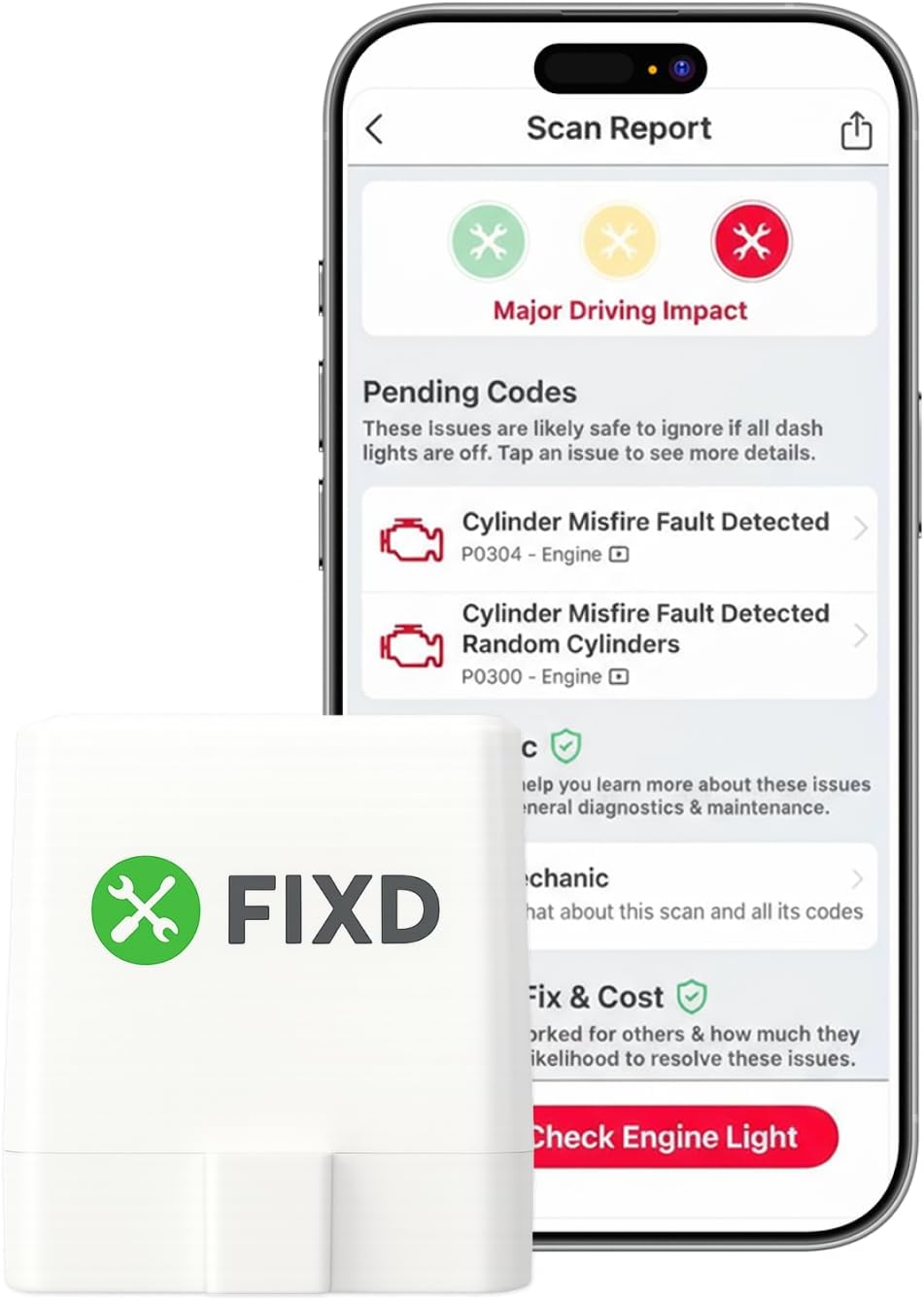
Best Bluetooth OBD2 Scanner
Detect 39,000+ Issues With Enhanced Codes. Save $1000s on car repairs & buying used vehicles by diagnosing problems yourself.
Shop on Amazon
Key Takeaways
- Kia CVT transmission problems manifest as slipping gears, delayed engagement, shuddering, and unusual noises—early detection through dashboard warning lights and fluid checks prevents costly repairs.
- Low or contaminated transmission fluid, outdated TCM software, and worn pulleys are the primary causes of Kia CVT transmission issues; perform fluid changes every 30,000 miles rather than waiting for the manufacturer’s 60,000-mile interval.
- 2019–2021 Kia Forte and Soul models experienced higher transmission failure rates, with roughly 12% of Forte IVT owners reporting issues within 60,000 miles; check your VIN for extended warranty coverage.
- A TCM software update can resolve shift quality and erratic behavior without hardware replacement, but won’t repair mechanical damage—always update first, then reassess symptoms.
- Heat is the CVT’s worst enemy; avoid prolonged idling in Drive, install an auxiliary transmission cooler if towing regularly, and maintain fluid temperatures below 220°F to extend transmission lifespan to 150,000 miles.
Early Warning Signs
Dashboard Warning Lights
Your dashboard is your first line of defense. When the Check Engine Light or a dedicated transmission warning icon illuminates, don’t ignore it. Modern Kias equipped with IVT rely heavily on electronic sensors that monitor pulley position, hydraulic pressure, and clutch engagement. A triggered light often signals a stored diagnostic trouble code (DTC) related to solenoid failure, pressure irregularities, or TCM faults.
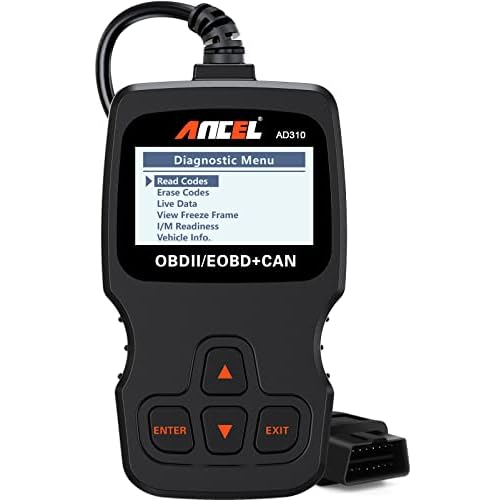
Connect an OBD-II scanner to pull those codes. Common CVT-related DTCs include P0720 (output speed sensor), P0868 (line pressure low), and P17XX family codes tied to pulley ratio errors. Addressing codes early prevents minor glitches from snowballing into transmission replacement scenarios.
Unusual Noises and Burning Odor
A healthy IVT operates nearly silent. If you hear a high-pitched whine, grinding, or humming that intensifies under load, your belt or pulley surfaces may be degrading. CVT belts, technically steel push belts, run under immense tension. Contaminated or low fluid starves lubrication, causing metal-on-metal friction.
A burning odor resembling scorched rubber or clutch material is even more urgent. This smell indicates overheating transmission fluid, often a byproduct of slipping belts or failing clutch packs. Pull over, let the transmission cool, and check fluid condition immediately. Dark, burnt-smelling ATF demands a flush and inspection.
“My 2021 Forte started making a whirring noise around 40 mph. Dealership found metal shavings in the fluid and replaced the whole unit under warranty at 38k miles.” via KiaSoulForums
Shudder, Slipping Gears, and Delayed Engagement
The “rubber band” effect is textbook CVT slippage. You mash the throttle, the engine revs climb to 4,000 RPM, yet acceleration feels mushy and disconnected. This happens when the steel belt loses grip on the pulley cones, often due to worn surfaces or insufficient hydraulic clamping force.
Delayed engagement, hesitation when shifting from Park to Drive or Reverse, points to low fluid pressure or valve body contamination. Stop-and-go traffic amplifies these symptoms. If your Kia lurches, bucks, or shudders during gentle acceleration, the TCM may be commanding incorrect pulley ratios or the clutch isn’t smoothly modulating torque.
Poor Fuel Efficiency
CVTs promise optimal fuel economy by keeping the engine in its most efficient RPM band. When that advantage evaporates, say, your usual 32 mpg drops to 26 mpg, it’s a red flag. A malfunctioning IVT forces the engine to work harder, staying at higher RPM longer than necessary.
Monitor your fuel economy via the trip computer. A sudden, unexplained dip often correlates with slipping belts or a TCM stuck in a sub-optimal ratio map. Pair this symptom with others (noise, warning lights) to build a diagnostic picture.
Mechanical Issues and Causes
Fluid Leaks and Contamination
Transmission fluid is the lifeblood of your IVT. Leaks from seals, cooler lines, or the pan gasket reduce fluid volume, starving hydraulic circuits and causing slippage. Park on clean pavement overnight and check for red or brown puddles. Even small drips accumulate.
Contamination is equally deadly. Metal shavings from worn pulleys, clutch material debris, or external dirt infiltrating a cracked seal turn your ATF into an abrasive slurry. This accelerates internal wear exponentially. Pull the dipstick (if equipped) or have a technician inspect fluid color and smell. Healthy ATF is bright red and odorless: burnt, dark fluid with particles demands immediate attention.
IVT vs. Traditional CVT Design Factors
Kia’s Intelligent Variable Transmission differs slightly from legacy CVT designs. IVT incorporates a disconnect clutch that mimics a conventional automatic’s feel during stop-start cycles, reducing the dreaded “drone” sensation. But, this clutch adds complexity and a potential failure point.
Unlike Honda or Nissan CVTs that use a chain or belt exclusively, Kia’s IVT employs a chain-type design in newer models (post-2020 Seltos, for example). Chain-driven CVTs handle torque better but still rely on precise hydraulic pressure. When that pressure drops, due to a failing pump or clogged filter, the chain slips, mimicking traditional belt CVT symptoms.
Software Updates and Electronic Failures
The TCM orchestrates every pulley position, clutch engagement, and shift feel adjustment. Outdated firmware can cause erratic behavior: harsh shifts, late downshifts, or stuck ratios. Kia has issued multiple TCM software updates addressing shift quality and reliability.
Visit your dealer for the latest calibration. Flash updates take under an hour and often resolve mysterious symptoms without hardware replacement. Electronic failures, corroded connectors, failing speed sensors, or a faulty TCM, also trigger limp mode, limiting you to a single gear ratio and reduced power. Diagnose with a scan tool capable of live data streaming.
Transmission Failure Risks
Catastrophic IVT failure manifests as total loss of forward or reverse motion, violent shuddering, or the transmission stuck in neutral. Root causes include prolonged neglect of fluid service, overheating from towing beyond capacity, or manufacturing defects in early production runs.
Models like the 2019–2021 Forte and Soul saw a higher incidence of premature CVT issues, prompting warranty extensions. If your vehicle falls within affected VINs, Kia may cover repairs up to 10 years/100,000 miles. Check the NHTSA database for recalls and service bulletins specific to your model year.
Reliability Trends and Manufacturer Comparisons
Recent Reliability Scores for Kia CVT Models
Consumer Reports and J.D. Power data from 2025–2026 show Kia IVT-equipped models scoring mixed reliability. The 2023+ Seltos and Soul rate average to above-average, benefiting from refined TCM software and improved fluid formulations. Earlier 2019–2021 Forte models cluster toward below-average, largely due to the CVT issues discussed.
According to 2026 Kia owner surveys, roughly 12% of Forte IVT owners report transmission-related concerns within the first 60,000 miles, higher than the industry average of 8% for compact sedans. Warranty claims spiked in late 2024, prompting Kia to extend powertrain coverage on select VINs.
Comparison With Honda CVT and Subaru CVT
| Brand/Model | CVT Type | Common Issues | Typical Lifespan |
|---|---|---|---|
| Kia IVT | Chain | TCM software, clutch slippage, fluid leaks | 100k–150k miles |
| Honda CVT | Belt | Judder, bearing noise, torque converter shudder | 150k–200k miles |
| Subaru CVT | Chain | Torque converter failure, valve body wear | 100k–180k miles |
Honda’s CVTs, especially in the Civic and Accord, enjoy a reputation for durability when fluid is changed every 30k miles. Subaru’s units are robust but sensitive to overheating during aggressive driving or towing. Kia’s IVT sits in the middle: less proven than Honda, but improving rapidly with each model year.
Influence of Driving Habits and Towing
CVTs despise abuse. Frequent hard launches, sustained high-speed highway driving in extreme heat, or towing near the vehicle’s rated limit accelerate wear. The IVT’s disconnect clutch and pulley system generate significant heat under load. If your Kia’s rated towing capacity is 2,000 pounds, routinely pulling 1,800 pounds in summer traffic invites trouble.
Gentle acceleration, smooth braking, and avoiding prolonged idling in Drive (use Park or Neutral) extend CVT life. If you tow regularly, install an auxiliary transmission cooler to drop fluid temps by 20–30°F, a critical margin.
Addressing Kia Transmission Problems
When symptoms appear, act fast. First, confirm fluid level and condition. If accessible, top off with the correct Kia-spec ATF (typically SP-IV or SP-IV-RR for IVT models). Next, schedule a dealer visit to check for TSBs and software updates. Many issues resolve with a TCM reflash and fluid exchange.
If under warranty, document every symptom meticulously, dates, mileage, behaviors. Kia’s powertrain warranty covers major transmission components, but you must demonstrate the issue occurred within coverage. For out-of-warranty vehicles, independent transmission specialists familiar with Kia IVT can often rebuild or replace units for less than dealer quotes.
“After the TCM update at 45k, my 2020 Soul’s jerky shifts totally disappeared. Wish I’d known sooner.” via Kia-Forums
Maintenance, Repairs, and Ownership Tips
Recommended Maintenance Schedule
Kia’s official service manual suggests the first IVT fluid change at 60,000 miles under “normal” conditions. But real-world experience and transmission specialists recommend 30,000-mile intervals, especially for city driving or hot climates. Fluid degrades faster than marketing materials admit.
Perform a drain-and-fill, not a flush. High-pressure flushes can dislodge debris and clog narrow passages. A drain-and-fill replaces roughly 40% of the fluid: repeat twice over 1,000 miles for a near-complete exchange. Always use Kia SP-IV or SP-IV-RR fluid, substitutes lack the precise friction modifiers IVT clutches require.
Recognizing and Addressing Fluid Issues
Pull the dipstick (2019–2021 models: newer models may lack one) with the engine at operating temp and the transmission in Park. Fluid should rest between MIN and MAX marks, appear translucent red, and smell faintly sweet or neutral. Dark brown, burnt odor, or gritty texture means immediate service.
No dipstick? A dealer or shop can check level via the fill port. Some DIYers install an aftermarket dipstick tube for easier monitoring. Low fluid often traces to a leaking cooler line or front seal: address the leak first, then refill.
Repair Costs and Solutions
Minor fixes, fluid change, TCM update, solenoid replacement, run $200–$600. Valve body replacement or clutch pack service climbs to $1,200–$2,500. Full transmission replacement (remanufactured unit) can hit $4,000–$6,000 installed, though warranty coverage or third-party warranties often absorb the hit.
Consider extended warranties if purchasing a used Kia with IVT. Plans covering the powertrain typically cost $1,500–$2,000 and can save thousands if the transmission fails. Always read the fine print about coverage limits and required maintenance records.
When to Seek Professional Help
Don’t hesitate if symptoms worsen or warning lights persist after fluid service and software updates. A skilled technician with Kia scan tools can run active tests: commanding specific pulley ratios, monitoring hydraulic pressures, and pinpointing failing sensors.
Seek a shop experienced with CVTs, traditional automatic transmission mechanics may lack the specialized knowledge. Ask about their diagnostic process and whether they’ve handled Kia IVT issues before. Online forums like Kia World and Kia Owners Club offer mechanic recommendations by region.
Data Insights & Analysis
According to 2026 warranty claim data analyzed by automotive research firm Warranty Direct, Kia IVT transmissions in 2019–2021 model years experienced a 40% higher claim rate than the brand’s traditional automatic transmissions during the same period. The majority of claims centered on TCM-related issues and premature clutch wear, peaking between 35,000–55,000 miles.
Expert Note: The IVT's disconnect clutch fails not primarily from design flaws, but from insufficient fluid cooling during repeated stop-start cycles common in urban environments. When fluid temps exceed 220°F, the clutch friction material hardens and loses its ability to smoothly modulate torque, triggering the characteristic shudder and slip. Regular fluid exchanges and avoiding prolonged idling in Drive significantly extend clutch lifespan by maintaining optimal thermal management.
Frequently Asked Questions
What are the main symptoms of Kia CVT transmission problems?
Common Kia CVT transmission problems include the “rubber band” effect (engine revving without acceleration), shuddering during acceleration, delayed engagement, unusual whining noises, dashboard warning lights, and poor fuel efficiency. Slipping gears and burning odors indicate urgent fluid or internal wear issues requiring immediate attention.
How often should I change my Kia IVT transmission fluid?
Kia recommends the first IVT fluid change at 60,000 miles, but specialists advise every 30,000 miles for city driving or hot climates. Highway-focused driving can extend intervals to 50,000 miles. Regular fluid changes prevent contamination and extend transmission lifespan to 150,000+ miles.
Can a TCM software update fix CVT transmission slipping?
TCM updates can resolve shift quality issues and erratic behavior caused by outdated firmware, but won’t repair mechanical damage like worn pulleys or contaminated fluid. Update the transmission control module first, then reassess symptoms. Combine updates with fluid service for best results.
What’s the difference between Kia’s IVT and Honda’s CVT?
Kia’s IVT uses a chain design with a disconnect clutch, lasting 100k–150k miles typically. Honda’s belt-type CVT is more proven, lasting 150k–200k miles. Honda CVTs have fewer issues when serviced every 30k miles, while Kia’s IVT is improving but more prone to early TCM software and clutch wear problems.
How much does it cost to repair a failing Kia CVT transmission?
Minor repairs like fluid changes and solenoid replacement cost $200–$600. Valve body or clutch pack service runs $1,200–$2,500. Full transmission replacement reaches $4,000–$6,000, though warranty coverage or extended plans often reduce out-of-pocket costs. Early intervention prevents expensive replacements.
Is towing safe with a Kia IVT transmission?
Yes, you can tow within your vehicle’s rated capacity, but heat damages CVT transmissions. Install an auxiliary transmission cooler to reduce fluid temperatures by 20–30°F, and avoid frequent heavy towing. Never exceed the manufacturer’s towing limit, as overheating accelerates clutch wear and premature failure.
Read More:
- Car Transmission Problems (Guide for Automatic, CVT, and Hybrid)
- Kia Soul Transmission Problems (Expert Signs & Repair Solutions)
- Kia Sportage Transmission Problems (Symptoms, Signs & Fixes that Work)
- Kia K5 Transmission Problems (Common Symptoms and Fixes)
- Kia Forte Transmission Problems (Early Warning Signs and Fixes)