
Your Kia Telluride’s check engine light just turned on, and you want answers, fast. This warning signal demands attention, but it doesn’t mean disaster.
The check engine light in your Kia Telluride activates when the powertrain control module (PCM) detects a malfunction in the engine, transmission, emissions system, or related sensors. The issue can range from a loose gas cap to a failed oxygen sensor, catalytic converter fault, or ignition system misfire. A solid amber light typically indicates a non-critical fault you can diagnose safely, while a flashing light signals an active misfire requiring immediate attention to prevent catalytic damage.
This guide walks you through the most common triggers on the 3.8L Lambda II V6 and newer Telluride powertrains, plus practical diagnostic steps, from pulling OBD-II codes to checking EVAP seals, so you can protect your flagship SUV investment with confidence.

Best Bluetooth OBD2 Scanner
Detect 39,000+ Issues With Enhanced Codes. Save $1000s on car repairs & buying used vehicles by diagnosing problems yourself.
Shop on Amazon
Key Takeaways
- A check engine light in your Kia Telluride signals a fault detected by the powertrain control module—a solid amber light is non-critical but a flashing light demands immediate attention to prevent catalytic converter damage.
- The most common causes of Kia Telluride check engine light issues are faulty oxygen sensors, loose gas caps, catalytic converter problems, and mass airflow sensor contamination.
- Use an OBD-II scanner to read trouble codes from your Telluride’s diagnostic port under the driver-side dashboard, then cross-reference codes to identify the exact source before attempting repairs.
- Kia’s powertrain warranty covers check engine light faults including oxygen sensors, coil packs, and the PCM for 10 years/100,000 miles, plus federal emissions coverage for catalytic converters up to 8–10 years depending on location.
- Prevent future check engine light warnings by maintaining your Telluride on schedule: replace air filters every 15,000 miles, spark plugs at 60,000–75,000 miles, use Top Tier gasoline, and inspect the gas cap after every refuel.
- Never clear check engine codes without fixing the underlying problem—the light will return—and always complete a full drive cycle after repairs to ensure readiness monitors are reset properly.
What Does the Check Engine Light Mean in Your Kia Telluride?
The check engine light, officially called the malfunction indicator lamp (MIL), serves as your Telluride’s primary emissions and powertrain alert system. When the PCM logs a fault code that exceeds predetermined thresholds, it illuminates the amber engine symbol on your digital instrument cluster.
A solid amber light means the system detected an issue but the vehicle remains drivable in the short term. You have time to diagnose and schedule repairs without risking immediate damage. Common culprits include sensor drift, minor EVAP leaks, or aging oxygen sensors.
A flashing check engine light is a critical warning. It signals an active engine misfire severe enough to send unburned fuel into the exhaust, which can overheat and destroy your catalytic converter within minutes. Pull over safely, reduce load, and arrange towing or very gentle driving to a service center.
Ignition-off cycles won’t erase stored codes. The PCM requires either a successful drive cycle, where monitored parameters return to normal, or a manual reset with an OBD-II scanner. Never ignore a persistent light: modern Kia ECUs can trigger limp mode to protect the drivetrain if faults accumulate.
Most Common Causes of Check Engine Light in Kia Telluride
Faulty Oxygen Sensor
The Telluride’s 3.8L V6 uses upstream and downstream oxygen sensors on each bank to monitor exhaust gases and adjust fuel trim. Over time, sensor elements degrade from heat cycles and contaminants, triggering codes like P0131, P0137, or P0141.
Symptoms include rough idle, hesitation under acceleration, and reduced fuel economy. You might notice the engine “hunting” for correct air-fuel ratio at steady cruise. Oxygen sensor failures rarely strand you, but they force the PCM into open-loop mode, which increases emissions and cuts MPG by 10–15 percent.
“2022 Telluride, 38k miles. Check engine light came on with P0420 and P0137. Dealer replaced downstream O2 sensor under warranty, took 20 minutes, light’s been off for 6 months.” via KiaForums.com
Replacement sensors typically run $80–$150 each. If you’re handy, swap them yourself, they thread into the exhaust manifold or catalytic converter inlet. Always use OEM or equivalent parts: cheap aftermarket sensors can throw false readings and re-trigger the light.
Loose or Damaged Gas Cap
This is the simplest fix and the one you should check first. The Telluride’s EVAP system maintains a sealed fuel system to prevent hydrocarbon vapors from escaping. A loose, cracked, or missing gas cap breaks that seal and triggers codes P0441, P0455, or P0456.
You’ll usually see the light within one or two drive cycles after refueling. Inspect the cap’s rubber O-ring for cracks, debris, or hardening. Tighten it until you hear three distinct clicks. If the seal looks worn, replace the cap, it’s a $15–$25 part at any auto store or Kia dealer.
After tightening or replacing the cap, drive normally for 20–50 miles. The PCM runs an EVAP self-test during specific conditions (engine warm, fuel level between ¼ and ¾ tank, ambient temp moderate). If the seal holds, the light clears on its own. If it persists, suspect a purge valve or canister leak.
Catalytic Converter Issues
The Telluride’s close-coupled and underfloor catalytic converters reduce NOx, CO, and unburned hydrocarbons. Converter efficiency codes, P0420 (Bank 1) or P0430 (Bank 2), appear when downstream O2 sensors detect insufficient conversion.
Root causes include prolonged misfires (which dump raw fuel onto the catalyst substrate), oil consumption from worn valve seals, or simply age and thermal stress. You might notice a sulfur smell, reduced power on hills, or a rattling sound from broken internal honeycomb.
Replacement converters for the Telluride cost $800–$2,000 per side, plus labor. Fortunately, Kia’s federal emissions warranty covers converters for 8 years/80,000 miles, and California residents get 10 years/100,000 miles. Always verify warranty eligibility before paying out-of-pocket.
Mass Airflow Sensor Failure
The MAF sensor sits in the intake duct between the air filter and throttle body, measuring incoming air mass to calculate fuel delivery. Contamination from oil residue, dirt bypass around the air filter, or sensor element degradation triggers codes P0171, P0174, or P0101.
Symptoms include stalling at idle, hesitation during acceleration, black smoke from the exhaust, and erratic RPM. The engine might start rough or require extra cranking. In severe cases, the PCM limits throttle response to prevent lean or rich conditions that could damage internal components.
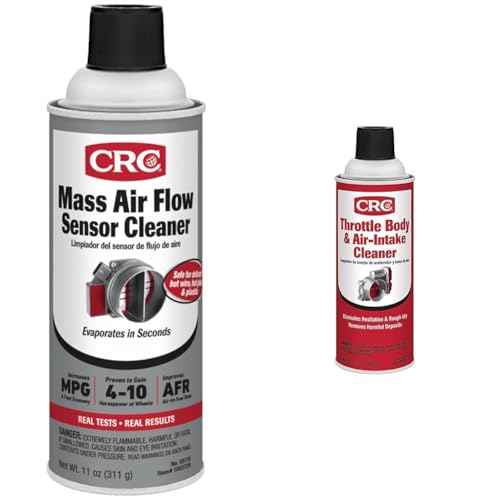
Cleaning the MAF with dedicated sensor cleaner (like CRC Mass Air Flow Sensor Cleaner) can restore function if caught early. Spray the hot-wire element gently and let it air-dry. If cleaning doesn’t work, replacement sensors cost $100–$200. Always replace the engine air filter at the same time to prevent re-contamination.
How to Diagnose Your Kia Telluride Check Engine Light
Using an OBD-II Scanner to Read Trouble Codes
The OBD-II port in your Telluride sits under the driver-side dashboard, left of the steering column. Plug in a code reader, like the FOXWELL NT201 OBD2 Scanner, turn the ignition to ON (engine off), and press “Read Codes.”

The scanner displays five-character codes (P0xxx, P2xxx) plus short descriptions. Write down every code, including pending/history codes. Don’t rely on memory: some Tellurides store multiple faults that interact. Cross-reference codes using OBD-Codes.com or the Kia service manual.
Pay attention to freeze-frame data, engine RPM, coolant temp, vehicle speed, and sensor voltages at the moment the fault triggered. This context helps isolate intermittent faults. For example, a misfire code at cold start points to spark plugs or coil packs, while a misfire under load suggests fuel delivery or compression issues.
After repairs, clear codes with the scanner and drive through a complete drive cycle: cold start, idle for 2 minutes, steady 40–60 mph cruise for 10 minutes, stop-and-go traffic, and highway acceleration. If the light stays off, you’ve fixed it. If it returns immediately, re-check connections and verify part quality.
When to Take Your Telluride to a Mechanic
Certain faults exceed DIY capabilities and require professional diagnostics. If your scanner shows codes related to transmission valve body (P0741, P0776), AWD transfer case (P182B, P184F), or VVT actuators (P0011, P0021), schedule a dealer visit. These systems demand specialized tools, Kia GDS software, and access to TSBs.
Flashing check engine lights demand immediate professional attention. A sustained misfire can destroy the catalytic converter in under 100 miles, turning a $200 ignition coil replacement into a $3,000 exhaust system overhaul. Don’t gamble with your powertrain.
“Had a flashing CEL at 62k. Dealer found cylinder 3 coil pack failure and two fouled plugs. Covered under powertrain warranty, zero cost. Don’t delay, misfires trash your cats fast.” via TellurideForum.org
If you’ve replaced obvious components, gas cap, MAF sensor, oxygen sensor, and the light returns within 50 miles, suspect deeper issues: intake manifold leaks, EGR valve carbon buildup, low oil pressure affecting VVT, or PCM software glitches. A qualified Kia technician can run enhanced diagnostics, perform smoke tests on the EVAP system, and reflash the ECU with updated calibrations.
Always request printed diagnostic reports and declined service estimates. These protect you if warranty disputes arise and provide documentation for resale value.
Resetting the Check Engine Light: Should You Do It?
Clearing codes without fixing the root cause is pointless, the light will return. Use the reset function only after completing repairs and verifying all systems function normally. Your OBD-II scanner’s “Clear Codes” command erases stored faults and turns off the MIL, but it also wipes freeze-frame data and readiness monitors.
Readiness monitors must complete before your Telluride passes emissions testing. After a reset, drive through a full cycle: cold start, idle, city driving, highway cruise, and deceleration. Monitors for catalyst, EVAP, O2 sensors, and EGR typically require 50–100 miles and specific operating conditions to set.
Some owners disconnect the battery negative terminal for 15 minutes to force a hard reset. This clears codes but also erases radio presets, adaptive transmission learning, and throttle body adaptation. It’s rarely necessary. Stick with the scanner method.
Never reset codes just to pass inspection or sell the vehicle. That’s fraud in most states, and the light will return before the buyer reaches home. Besides, savvy buyers run history reports that log check engine events. Transparency builds trust: cover-ups destroy it.
Preventing Future Check Engine Light Issues in Your Kia Telluride
Maintenance is your best defense. Follow Kia’s severe-duty service intervals if you tow, drive in dusty conditions, or make frequent short trips. Replace engine air filters every 15,000 miles, cabin filters every 20,000, and spark plugs at 60,000–75,000 miles (or sooner if you detect misfires).
Use Top Tier gasoline to minimize carbon deposits on intake valves and injectors. The Telluride’s GDI system sprays fuel directly into the cylinder, bypassing valve cleaning. Over time, blow-by vapors leave residue that restricts airflow and triggers lean codes. Consider periodic induction cleaning or walnut-shell blasting at 80,000-mile intervals.
Key prevention checklist:
- Inspect and tighten gas cap after every fill-up
- Change engine oil every 5,000–7,500 miles with spec-compliant 5W-30 or 5W-20
- Replace spark plugs and inspect coil packs per schedule
- Keep air filter housing sealed: replace filter at recommended intervals
- Address oil consumption early (common on higher-mileage V6 engines)
- Monitor coolant level: low coolant can trigger false sensor codes
Store an OBD-II scanner in your glovebox. Catching codes early, especially pending codes that haven’t triggered the light yet, lets you fix minor issues before they cascade into expensive failures. Think of it as preventive medicine for your Telluride.
Warranty Coverage for Check Engine Light Problems
Kia’s powertrain warranty covers the engine, transmission, and related electronic controls for 10 years or 100,000 miles (5 years/60,000 for second owners). This includes the PCM, oxygen sensors, coil packs, fuel injectors, and VVT actuators. The federal emissions warranty extends catalyst and PCM coverage to 8 years/80,000 miles nationwide, and 10 years/100,000 miles in California and CARB states.
Before paying for repairs, verify your VIN and mileage at the service desk. If you’re within warranty, insist on zero cost for covered components. Some dealers try to charge diagnostics or blame “maintenance neglect” to deny claims. Push back with service records proving you followed the maintenance schedule.
Extended warranties, Kia’s own or third-party plans, can cover check engine faults beyond factory coverage. Read the fine print: many exclude “wear items” like spark plugs or sensors, and some require pre-authorization for repairs. Keep all receipts and diagnostic printouts.
For technical bulletins, check the National Highway Traffic Safety Administration (NHTSA) recalls database and Kia’s official owner portal for software updates or campaigns related to your model year. TSBs don’t always trigger recalls, but they guide technicians toward known fixes and may influence goodwill coverage even outside warranty.
Frequently Asked Questions
What does the check engine light mean in a Kia Telluride?
The check engine light (malfunction indicator lamp) activates when the powertrain control module detects a fault in the engine, transmission, emissions system, or sensors. A solid amber light indicates a non-critical issue you can diagnose safely, while a flashing light signals an active misfire requiring immediate attention to prevent catalytic converter damage.
What are the most common causes of a Kia Telluride check engine light?
Common causes include faulty oxygen sensors, loose or damaged gas caps, catalytic converter issues, mass airflow sensor failure, and ignition system misfires. Oxygen sensor failures trigger rough idle and reduced fuel economy. A loose gas cap often triggers EVAP codes. Catalytic converter issues appear as efficiency codes like P0420 or P0430.
How do I read check engine light codes on my Kia Telluride?
Plug an OBD-II scanner into the port under the driver-side dashboard, left of the steering column. Turn ignition to ON (engine off) and select ‘Read Codes.’ The scanner displays five-character codes (P0xxx). Write down all codes and cross-reference them using OBD-Codes.com or the Kia service manual for accurate diagnosis and repair planning.
Can I clear the check engine light myself?
You can use an OBD-II scanner to clear codes, but only after fixing the underlying issue. Clearing codes without repairs is pointless—the light will return. After resetting, drive through a complete drive cycle (cold start, idle, city driving, highway cruise, deceleration) so readiness monitors can reactivate before emissions testing.
Is a loose gas cap a serious issue for my Kia Telluride?
No. A loose or cracked gas cap breaks the EVAP system seal and triggers codes P0441, P0455, or P0456, but it’s the easiest fix. Tighten it until you hear three clicks, or replace it ($15–$25). Drive normally for 20–50 miles—the PCM will clear the light automatically if the seal holds.
Does Kia warranty cover check engine light repairs on the Telluride?
Yes. Kia’s powertrain warranty covers the engine, PCM, oxygen sensors, coil packs, and fuel injectors for 10 years/100,000 miles. The federal emissions warranty covers catalytic converters and PCM for 8 years/80,000 miles (10 years/100,000 in California). Always verify coverage at the service desk before paying for repairs.
Read More:
- Kia Check Engine Light (Complete Troubleshooting Guide)
- Kia Soul Check Engine Light (Means, Causes and How to Fix It)
- Kia Sportage Check Engine Light (Here’s the Complete Owner’s Guide)
- Kia Sorento Check Engine Light (Here’s the Causes & How to Fix It)