
That amber warning glow on your Kia Sportage dashboard can turn your morning commute into instant anxiety. Whether you’re dropping the kids at school or merging onto the highway, that check engine light demands attention, but what does it actually mean?
Your Kia Sportage check engine light activates when the onboard diagnostic system detects an emissions, fuel, ignition, or sensor fault that exceeds EPA thresholds. A solid light indicates a non-critical issue requiring investigation within a few days, while a flashing light signals immediate powertrain damage risk, usually misfires threatening your catalytic converter, and demands you pull over safely and shut down the engine.
This guide walks you through the most common triggers across 2.0L, 2.4L, 1.6T, and hybrid Sportage models, how to scan OBD-II codes at home, when it’s safe to drive, and practical reset methods that won’t void your warranty.
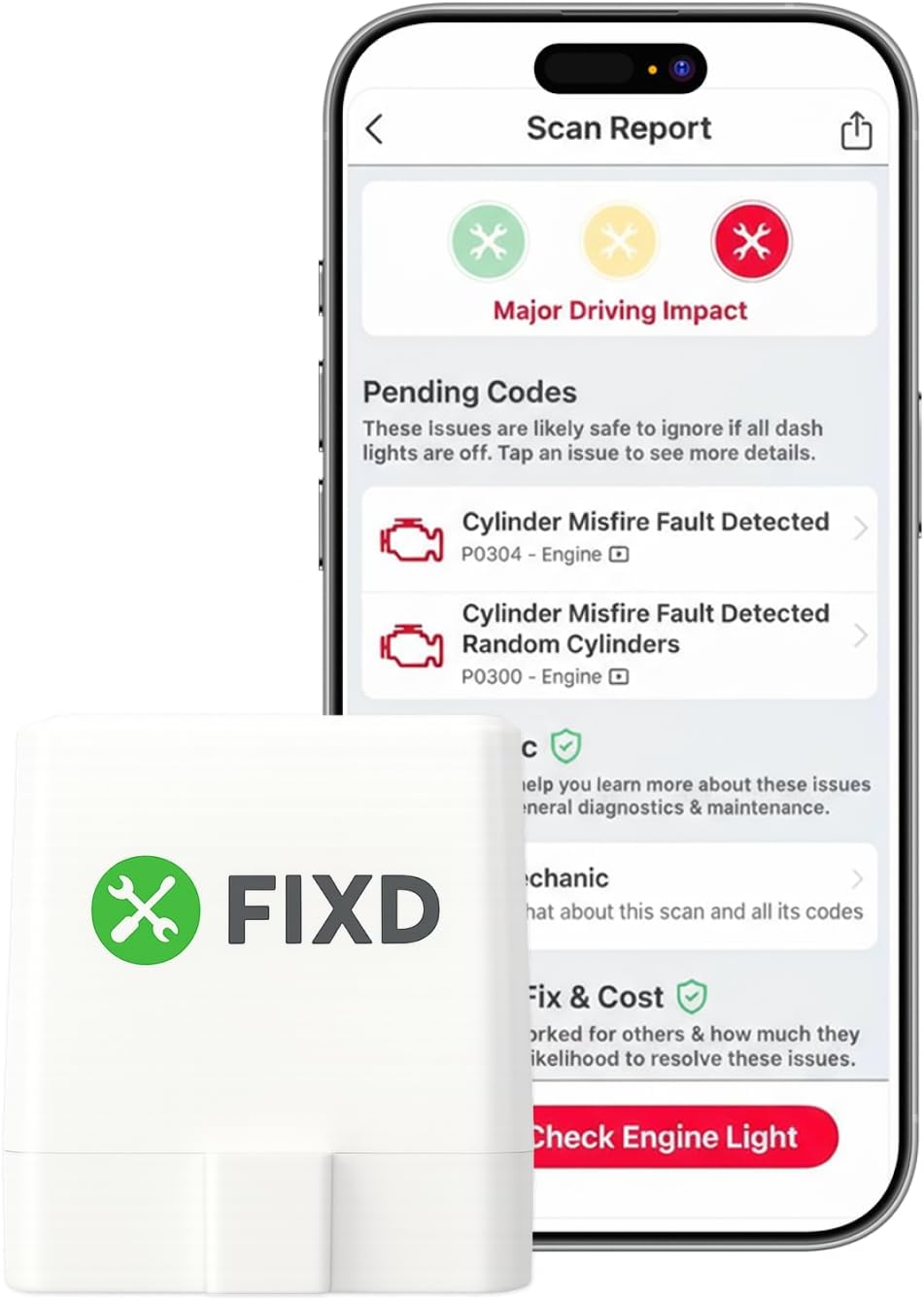
Best Bluetooth OBD2 Scanner
Detect 39,000+ Issues With Enhanced Codes. Save $1000s on car repairs & buying used vehicles by diagnosing problems yourself.
Shop on Amazon
Key Takeaways
- A solid Kia Sportage check engine light indicates a non-critical fault requiring investigation within days, while a flashing light signals immediate powertrain damage risk and demands you pull over safely.
- The most common causes of your Kia Sportage check engine light include faulty oxygen sensors, loose gas caps, ignition coil failures, and dirty mass airflow sensors—all readable with a $20 Bluetooth OBD-II adapter and free smartphone app.
- You can safely drive short distances with a solid check engine light, but a flashing light means active misfires that can destroy your catalytic converter in minutes, potentially costing $2,000+ in repairs.
- DIY troubleshooting—tightening your gas cap, replacing your air filter, checking oil level, and inspecting ignition components—can resolve the check engine light before visiting a mechanic and save hundreds in diagnostic fees.
- Preventive maintenance including Top Tier gasoline, regular air and oil filter changes every 15,000–30,000 miles, and monitoring manufacturer recalls significantly reduces Kia Sportage check engine light occurrences.
What Does the Check Engine Light Mean in Your Kia Sportage?
Your Sportage runs continuous self-tests through its ECU. When a sensor reading drifts outside normal parameters, say your oxygen sensor reports too much unburned fuel or your knock sensor detects pre-ignition, the computer logs a Diagnostic Trouble Code (DTC) and illuminates the check engine light.
The icon looks like an amber engine outline, sometimes labeled “Service Engine Soon.” Solid means the system detected a fault but the vehicle remains driveable in most cases. Flashing warns of active cylinder misfires that can overheat and destroy your catalytic converter in minutes, potentially costing thousands in repairs.
Kia’s OBD-II system tracks over fifty emissions-related components. A single failed reading won’t always trigger the light: the ECU waits for repeated failures across two or three drive cycles to avoid false alarms. Once confirmed, the light stays on until you fix the root cause and clear the code.
Most Common Causes of Kia Sportage Check Engine Light
Faulty Oxygen Sensor
Your Sportage uses two to four O2 sensors depending on the engine. The upstream sensor measures air-fuel ratio before the catalytic converter: the downstream sensor monitors converter efficiency. When these fail, often after 80,000 miles, you’ll see P0130, P0135, P0420, or P0430 codes. Symptoms include rough idling, stuttering acceleration, and a 15–20 percent drop in fuel economy.
Ignition coil packs and spark plugs on Theta II 2.4L engines wear faster under direct-injection stress. If one cylinder misfires, unburned fuel floods the exhaust and confuses the O2 sensor. Replace all four plugs and inspect coil boots for cracks. OBD2 scanners like the ANCEL AD410 let you read live sensor data and pinpoint which cylinder is misfiring before you swap parts.

Loose or Damaged Gas Cap
A loose, cracked, or missing gas cap triggers P0456 or P0457 (small EVAP leak). The EVAP system captures fuel vapors in a charcoal canister and prevents them from escaping into the atmosphere. Even a quarter-turn loose cap breaks the seal and allows pressure to drop.
Tighten your cap until you hear three clicks. If the light doesn’t clear after 20–30 miles of driving, inspect the rubber O-ring for cracks or replace the entire cap. Aftermarket caps under five dollars often solve the issue.
Catalytic Converter Issues
Code P0420 or P0430 signals low converter efficiency. Inside the converter, a ceramic honeycomb coated with platinum and palladium oxidizes carbon monoxide and hydrocarbons. Over time, especially if you’ve ignored misfires or used low-quality fuel, this catalyst degrades.
Before replacing a converter (often $800–$1,500 installed), verify your oxygen sensors aren’t reading false data. Swap the downstream sensor first: if the code returns, you likely need a new cat. Some 2017–2019 Sportage owners report premature converter failure tied to short-trip driving that never fully heats the exhaust.
Mass Airflow Sensor Problems
The MAF sensor sits between your air filter and throttle body, measuring incoming airflow so the ECU can calculate fuel delivery. Dirty or failing MAF sensors report incorrect data, causing codes P0171 (system too lean) or P0101 (MAF range/performance).
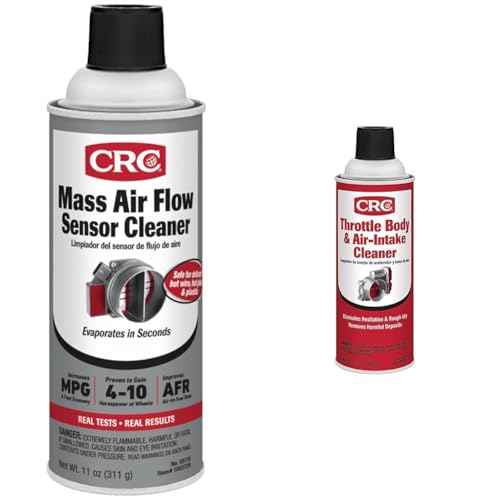
Symptoms include hesitation during acceleration, black exhaust smoke, and unstable idle. Clean the sensor element with CRC MAF Cleaner, never touch the fragile hot-wire element with anything solid. If cleaning doesn’t help, replacement runs $150–$300 for OEM parts.
How to Read Kia Sportage Check Engine Light Codes
You don’t need a dealership scan. Plug a Bluetooth OBD-II adapter into the 16-pin port under your steering column, it’s usually left of the brake pedal. Pair it with a free smartphone app like Torque Lite (Android) or OBD Fusion (iOS).
Turn your ignition to “ON” without starting the engine. The app pulls stored codes in seconds. Write down every code: some issues trigger multiple DTCs. For example, a failing MAF sensor might log P0171, P0174, and P0101 simultaneously.
Google each five-digit code with “Kia Sportage” to find model-specific forums and TSBs. The NHTSA recall database lists active campaigns, 2016–2018 Sportage models had a knock-sensor detection recall that can mimic random misfires. Cross-check your VIN to confirm whether your vehicle qualifies for free dealer repairs.
When You Can Drive With the Light On (And When You Can’t)
Solid light: You can usually drive short distances to a parts store or mechanic. Monitor for new symptoms, if the engine runs smooth and you aren’t losing power, it’s likely a minor sensor or EVAP fault. Avoid highway speeds and heavy loads until you diagnose the code.
Flashing light: Pull over immediately. A flashing CEL indicates active misfires dumping raw fuel into the exhaust. Within minutes, that fuel ignites inside the catalytic converter, melting the ceramic substrate and causing $2,000+ damage. Shut off the engine, call a tow truck, and don’t restart until you’ve diagnosed and fixed the misfire.
If you’re in stop-and-go traffic, drive gently to a safe spot, don’t strand yourself in a live lane, but minimize throttle input. One Sportage owner on r/KiaSportage wrote:
“Mine started flashing on I-40. I babied it two exits to a rest area. Turned out coil pack #3 failed, caught it before the cat died.” via r/KiaSportage
DIY Troubleshooting Steps Before Visiting a Mechanic
Start with the simplest fix: remove and reinstall your gas cap. Drive 20–30 miles through mixed city and highway cycles. The ECU needs multiple “ready” monitors to confirm the leak is sealed. If the light persists, move to the next step.
Inspect your air filter. A clogged filter starves the engine of oxygen, triggering lean codes. Pop the hood, unlatch the airbox, and hold the filter up to sunlight. If you can’t see through it, replace it.
Check engine oil level and condition. Low oil, especially on 2.4L Theta II engines prone to consumption, can trip the oil-pressure sensor and illuminate the CEL alongside the oil-pressure warning. Top off with 5W-20 or 5W-30 (consult your owner’s manual) and look for leaks around the valve cover gasket.
Visually examine spark plug wires and ignition coils. Remove the plastic engine cover if equipped. Look for cracks, carbon tracking, or oil pooling in the spark-plug wells. On 1.6T models, a leaking PCV valve can coat plugs in oil and cause misfires.
Reset Methods: How to Turn Off Your Kia Sportage Check Engine Light
Battery disconnect: Loosen the negative terminal clamp for 15 minutes. This clears all DTCs and resets the ECU. Downside: you’ll lose radio presets, clock settings, and emission-monitor readiness, which can cause automatic inspection failures in some states.
OBD-II scanner clear: After fixing the fault, use your scan tool’s “Clear Codes” function. This preserves drive-cycle data and is the preferred method. The light turns off immediately if the underlying issue is resolved.
Drive cycles: Sometimes the ECU clears non-critical codes after three consecutive fault-free cycles. A cycle = cold start, 10+ minutes of mixed driving, engine off. This only works if you’ve actually fixed the problem: otherwise the code returns.
Never reset codes without diagnosing the cause. Masking a misfire or O2-sensor fault accelerates engine wear and can strand you mid-trip.
Repair Costs: What to Expect When Fixing Common Issues
| Issue | DIY Cost | Shop Cost |
|---|---|---|
| Gas cap replacement | $5–$15 | $20–$40 |
| Oxygen sensor (one) | $40–$90 | $150–$250 |
| Mass airflow sensor | $150–$300 | $250–$400 |
| Spark plugs + coils (set of 4) | $80–$200 | $300–$500 |
| Catalytic converter | $400–$900 (aftermarket) | $1,200–$2,500 (OEM) |
| EVAP purge valve | $30–$60 | $150–$250 |
Labor at independent shops averages $100–$140 per hour: Kia dealerships charge $130–$180. If your Sportage is under the 10-year/100,000-mile powertrain warranty, major engine or emissions components may qualify for coverage, always call your dealer before paying out-of-pocket.
How to Prevent Check Engine Light Problems in Your Kia Sportage
Use Top Tier gasoline with detergent additives. Brands like Shell, Chevron, and Mobil keep fuel injectors and intake valves cleaner, reducing carbon buildup that can trick sensors.
Replace your air filter every 15,000–30,000 miles and cabin filter every 12 months. A $15 filter prevents a $300 MAF-sensor replacement. Inspect your gas cap O-ring twice a year and replace the cap every 50,000 miles.
Stick to Kia’s maintenance schedule: oil changes every 5,000–7,500 miles (sooner if you drive short trips or tow), spark plugs at 60,000 miles (or 30,000 on turbo models), and coolant flush at 60,000 miles. Address oil leaks immediately, oil-soaked ignition components fail fast.
Monitor recalls via the Kia Owners Portal or NHTSA. The 2016–2018 knock-sensor update and 2020 hybrid inverter software flash are free at any dealer and can prevent nuisance CEL triggers.
Frequently Asked Questions
What does the check engine light mean on my Kia Sportage?
Your Kia Sportage check engine light indicates the onboard diagnostic system detected an emissions, fuel, ignition, or sensor fault. A solid light means a non-critical issue requiring investigation within days; a flashing light signals immediate misfire risk threatening your catalytic converter and demands you pull over safely.
Is it safe to drive with the Kia Sportage check engine light on?
A solid check engine light on your Kia Sportage allows short-distance driving to a mechanic if the engine runs smoothly. However, a flashing light indicates active misfires and requires immediate shutdown—continuing to drive risks catastrophic catalytic converter damage costing $2,000+.
What are the most common causes of the check engine light in a Kia Sportage?
Common Kia Sportage check engine light triggers include faulty oxygen sensors (P0130, P0420), loose gas caps (P0456), spark plug or ignition coil failures, mass airflow sensor issues (P0171), and catalytic converter degradation. Each produces specific diagnostic trouble codes.
How do I read the Kia Sportage check engine light code myself?
Plug a Bluetooth OBD-II adapter into the 16-pin diagnostic port under your steering column, pair it with a smartphone app like Torque Lite or OBD Fusion, turn ignition to ‘ON’ without starting, and retrieve stored codes. Write down all five-digit codes for model-specific diagnosis.
Can I turn off the Kia Sportage check engine light myself without fixing the problem?
Yes, you can clear codes via battery disconnect or OBD-II scanner, but this masks the underlying issue. Never reset codes without diagnosing the cause—hiding misfires or sensor faults accelerates engine wear and risks leaving you stranded mid-trip.
How much does it cost to fix a Kia Sportage check engine light issue?
Costs vary widely: gas cap replacement ($5–$40), oxygen sensors ($40–$250), spark plugs and coils ($80–$500), mass airflow sensors ($150–$400), and catalytic converters ($400–$2,500). Check your Kia warranty for coverage on emissions components under 10 years/100,000 miles.
Read More:
- Kia Check Engine Light (Complete Troubleshooting Guide)
- Kia Soul Check Engine Light (Means, Causes and How to Fix It)
- Honda Check Engine Light (Means, Causes and How to Decode)
- Jeep Check Engine Light (Here’s the Quick Diagnostic Guide)
- Ford Check Engine Light (Means and Step-By-Step Diagnosis)