
Your Nissan Sentra’s check engine light just blinked on mid-commute. Your stomach drops. Is it something expensive? Will you fail emissions? Can you keep driving?
The check engine light in your Nissan Sentra signals an issue detected by the onboard diagnostic system, ranging from a loose gas cap (P0440/P0455) to oxygen sensor failure, throttle body carbon buildup causing idle codes (P0505), ignition coil misfires (P0300), or CVT transmission sensor problems. Most triggers are affordable DIY fixes that cost under $50 when caught early, but ignoring them can escalate into catalytic converter damage exceeding $1,200.
This guide walks you through reading diagnostic codes, identifying the most common Sentra-specific failures on 1.8L and 2.0L engines, and executing step-by-step repairs that keep your car roadworthy and emissions-compliant without draining your wallet.
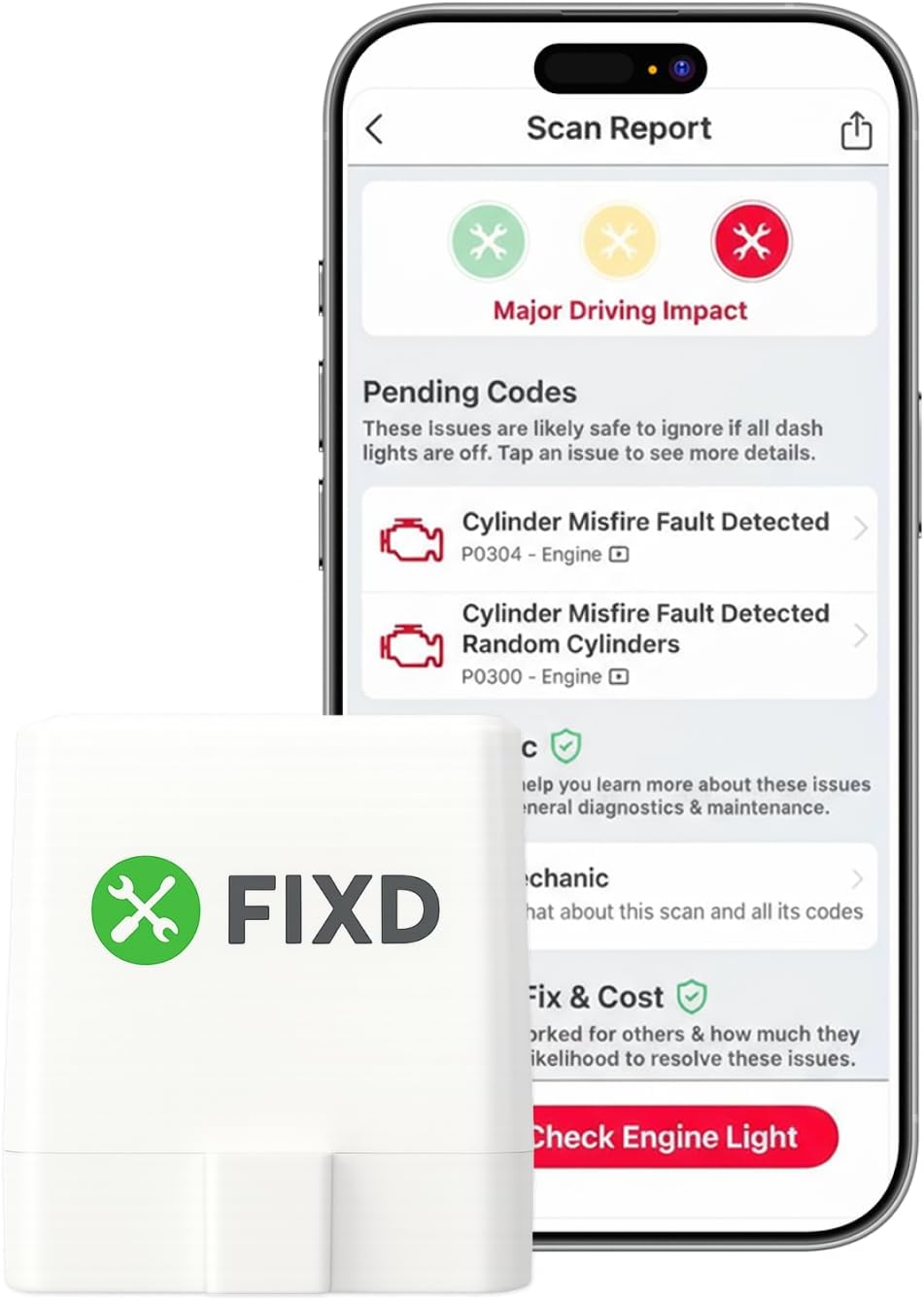
Best Bluetooth OBD2 Scanner
Detect 39,000+ Issues With Enhanced Codes. Save $1000s on car repairs & buying used vehicles by diagnosing problems yourself.
Shop on Amazon
Key Takeaways
- A Nissan Sentra check engine light indicates a fault in emissions, fuel delivery, or transmission detected by the Engine Control Module—use an OBD-II scanner to identify the specific diagnostic trouble code and determine repair urgency.
- The most common check engine light causes in Nissan Sentras are oxygen sensor failure, MAF sensor contamination, loose gas caps, and throttle body carbon buildup, most of which cost under $50 to fix when addressed early.
- A flashing check engine light signals active misfires requiring immediate attention; a steady light allows safe driving to a parts store or mechanic, but ignoring either can escalate repairs from under $100 to over $1,200 for catalytic converter replacement.
- DIY repairs for Nissan Sentra check engine issues save 50–70% compared to shop labor, but invest in OEM or quality brand sensors like Denso, NTK, or Bosch to avoid cheap parts that retrigger codes within weeks.
- Year-specific issues plague Nissan Sentras: 2013–2015 CVT models need fluid changes every 30,000 miles, 2016–2019 models require thermostat replacement in cold climates, and 2007–2012 models experience throttle body carbon buildup.
What Does the Check Engine Light Mean in Your Nissan Sentra?
The check engine light, officially called the Malfunction Indicator Lamp (MIL), activates when your Sentra’s Engine Control Module (ECM) detects a fault affecting emissions, fuel delivery, ignition timing, or transmission operation. The ECM continuously monitors dozens of sensors and actuators. When readings fall outside programmed thresholds, it stores a Diagnostic Trouble Code (DTC) and illuminates the amber engine symbol on your instrument cluster.
A steady light means the system logged a fault but the issue isn’t immediately catastrophic. You can drive carefully to a safe location or parts store to retrieve the code. A flashing check engine light signals active misfires that can overheat and destroy your catalytic converter within minutes, pull over immediately and arrange a tow.
Common triggers include evaporative emissions leaks (P0440, P0455, P0456), oxygen sensor circuit malfunctions (P0130, P0420), mass airflow sensor contamination (P0101), throttle position sensor drift (P0505), ignition coil or spark plug failures (P0300–P0304), and CVT step motor or pressure sensor codes (P17F0, P17F4). Each code points to a specific component or circuit, giving you a roadmap for diagnosis.
How to Read Check Engine Light Codes on a Nissan Sentra
Using an OBD-II Scanner
You need an OBD-II scanner to translate the check engine light into actionable data. Locate the 16-pin diagnostic port under your Sentra’s dashboard, just above the brake pedal. Plug in your scanner with the ignition off.
Turn the key to the “ON” position without starting the engine. The scanner powers up and establishes communication with the ECM. Select “Read Codes” or “Scan” from the menu. Within seconds, the tool displays stored DTCs in alphanumeric format, P0301 (cylinder 1 misfire), P0171 (system too lean), P0420 (catalyst efficiency below threshold).
I recommend the ANCEL AD310 OBD-II Scanner for Sentra owners. It reads and clears codes, displays freeze-frame data showing exact conditions when the fault occurred, and checks emissions readiness monitors, critical before your state inspection. Write down all codes before clearing them: intermittent faults return quickly if the root cause isn’t fixed.
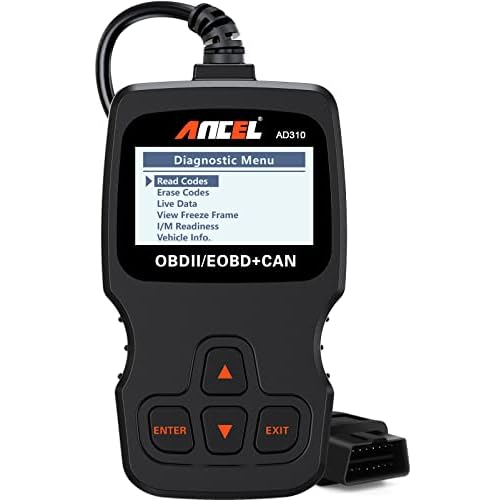
Some auto parts chains offer free code scans, but investing $25–$40 in your own scanner pays off after one or two uses. You gain real-time insight without waiting for a shop appointment, and you can verify repairs by clearing codes and monitoring for recurrence during test drives.
Most Common Check Engine Light Causes in Nissan Sentras
Oxygen Sensor Failure
Oxygen sensors measure exhaust gas composition before and after the catalytic converter, feeding data to the ECM for precise fuel trim adjustments. Sentra 1.8L and 2.0L engines use upstream (Bank 1 Sensor 1) and downstream (Bank 1 Sensor 2) sensors. When they degrade, you see P0130, P0133 (slow response), P0138, or P0420 (catalyst efficiency) codes.
Symptoms include rough idle, hesitation during acceleration, black exhaust smoke, and a 15–25% drop in fuel economy. Replace the upstream sensor first, it fails more often due to higher exhaust temperatures. Use a 22mm oxygen sensor socket and apply penetrating oil 24 hours before removal to break corrosion. OEM Denso or NTK sensors cost $40–$80 and restore factory performance. Avoid cheap aftermarket units: they drift quickly and retrigger the light within weeks.
“Replaced my 2015 Sentra upstream O2 sensor after getting P0420. Light stayed off for 8 months, then came back, turns out the cat was toast.” via r/NissanDrivers
Faulty Mass Air Flow Sensor
The MAF sensor sits between the air filter and throttle body, measuring intake air volume so the ECM can calculate fuel injection duration. Carbon deposits and oil residue from over-oiled aftermarket filters contaminate the hot-wire element, skewing readings and triggering P0101 (MAF range/performance) or P0171 (system too lean).
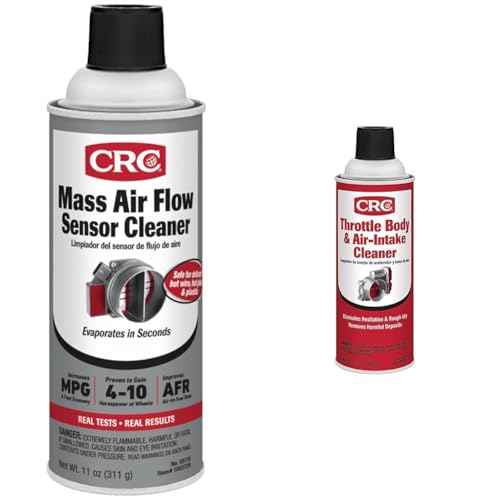
You’ll notice sluggish throttle response, stalling at idle, or surging at highway speeds. Remove the MAF sensor (two screws and an electrical connector) and spray the element with CRC MAF Sensor Cleaner. Let it air-dry completely, never use cotton swabs or compressed air, which damage the delicate hot wire. Reinstall and clear codes. If the light returns, replace the MAF ($90–$150 OEM). Use only dry paper air filters to prevent recontamination.
Catalytic Converter Issues
The catalytic converter reduces NOx, CO, and hydrocarbon emissions. Code P0420 means the downstream oxygen sensor detects insufficient conversion efficiency. This happens when the honeycomb substrate melts or breaks apart due to prolonged misfires, oil consumption, or coolant contamination.
Catalyst replacement runs $600–$1,200 installed, making it the most expensive common repair. Before replacing, verify upstream and downstream O2 sensors are functioning, false P0420 codes often stem from sensor drift. Check for exhaust leaks upstream of the front sensor: they pull in ambient oxygen and confuse the ECM. Use a backpressure tester to confirm the cat isn’t clogged. If backpressure exceeds 3 psi at 2,500 RPM, the substrate has collapsed and replacement is unavoidable.
Loose or Damaged Gas Cap
A loose, cracked, or missing gas cap is the simplest, and most overlooked, check engine light trigger. The evaporative emissions (EVAP) system maintains a sealed fuel tank to prevent vapor leaks. When the cap seal fails, the ECM detects pressure loss and logs P0440 (EVAP system malfunction), P0455 (large leak), or P0456 (small leak).
You might smell raw fuel after refueling or hear a hissing sound when removing the cap. Inspect the rubber seal for cracks or hardening. Twist the cap until it clicks three times to ensure proper torque. If the seal looks damaged, replace the cap, OEM units cost $12–$18 at Nissan parts counters or auto stores. Clear the code and drive through two complete drive cycles (cold start, 20+ minutes of mixed driving, cooldown). The light should extinguish if the cap was the sole issue.
Year-Specific Check Engine Light Problems
2013–2015 Sentras with CVT transmissions frequently throw P17F0 (CVT step motor function) and P17F4 (CVT pressure sensor circuit) codes after 80,000 miles. Nissan issued Technical Service Bulletin NTB13-064a addressing fluid degradation. Use only Nissan NS-3 CVT fluid and perform 30,000-mile interval changes to prevent valve body clogging.
2016–2019 models often log P0128 (coolant thermostat stuck open) in cold climates. The thermostat fails in the open position, preventing the engine from reaching operating temperature. You’ll see poor cabin heat and increased fuel consumption. Replace the thermostat housing assembly ($45 OEM part) and refill with 50/50 prediluted Nissan Long Life coolant.
“My 2017 Sentra threw P0128 every winter. New thermostat fixed it in 45 minutes, saved $300 versus the dealer quote.” via SentraForum
2007–2012 Sentras experience chronic P0505 (idle air control system) codes due to throttle body carbon buildup. Remove the throttle body, clean the butterfly valve and IAC passages with throttle body cleaner, and reset the ECM idle learn procedure by idling for 10 minutes with all accessories off.
How to Reset the Check Engine Light on a Nissan Sentra
After completing repairs, clear the stored codes to reset the check engine light. With your OBD-II scanner connected and ignition on, select “Erase Codes” or “Clear DTCs.” The scanner confirms deletion and the light extinguishes immediately.
Alternatively, disconnect the negative battery cable for 15 minutes to reset the ECM. This clears codes and readiness monitors, but you’ll need to complete a full drive cycle before passing emissions inspection. Start the engine and idle for five minutes, then drive at steady highway speeds (50–60 mph) for 10 minutes, followed by city driving with multiple stops. The ECM relearns sensor parameters and sets readiness flags.
If the light returns within a few drive cycles, the original fault persists or you have multiple issues. Recheck codes and verify your repairs addressed the root cause, not just symptoms.
When to Take Your Nissan Sentra to a Mechanic
Some check engine light issues exceed DIY capability or require specialized tools. Seek professional diagnosis for flashing check engine lights with active misfires, continued driving risks catalytic converter meltdown. P0420 codes paired with rattling exhaust noise indicate internal cat substrate failure requiring replacement.
Multiple misfires across all cylinders (P0300 plus P0301–P0304) suggest fuel pressure regulator failure, clogged injectors, or jumped timing chain, all complex repairs needing compression tests and fuel pressure gauges. CVT codes (P17F0, P17F4) may require transmission valve body replacement or fluid pressure testing with factory scan tools.
If you clear codes and the light returns within five miles, you likely have hard failures rather than intermittent sensor glitches. A qualified technician with factory-level diagnostics can pinpoint wiring shorts, ECM software corruption, or mechanical wear that home scanners miss.
Repair Costs for Common Check Engine Light Issues
| Issue | DIY Cost | Shop Cost |
|---|---|---|
| Gas cap replacement | $12–$18 | $25–$40 |
| Oxygen sensor (1) | $40–$80 | $150–$220 |
| MAF sensor cleaning | $8 (cleaner) | $90–$140 |
| MAF sensor replacement | $90–$150 | $220–$320 |
| Throttle body cleaning | $10 (cleaner) | $120–$180 |
| Spark plugs (set of 4) | $24–$40 | $120–$180 |
| Ignition coil (1) | $35–$60 | $130–$200 |
| Thermostat assembly | $45–$70 | $180–$280 |
| Catalytic converter | $400–$800 (aftermarket) | $800–$1,400 |
DIY repairs save 50–70% on labor costs. Invest in quality OEM or name-brand sensors, Denso, NTK, Bosch, rather than budget parts that fail prematurely. For emissions-critical components like oxygen sensors and catalytic converters, cheap replacements often retrigger codes within weeks, costing more in the long run.
Frequently Asked Questions
What does the check engine light mean on a Nissan Sentra?
The check engine light, or Malfunction Indicator Lamp (MIL), signals that your Sentra’s Engine Control Module detected a fault affecting emissions, fuel delivery, or ignition. A steady light indicates a logged fault; a flashing light means active misfires requiring immediate towing to prevent catalytic converter damage.
How do I read check engine light codes on my Nissan Sentra?
Use an OBD-II scanner connected to the diagnostic port under your dashboard above the brake pedal. Turn the ignition to “ON” without starting, select “Read Codes,” and the scanner displays diagnostic trouble codes like P0301 or P0420. Many auto parts stores offer free code reading, or invest $25–$40 in your own scanner.
What are the most common check engine light causes in Nissan Sentras?
Common triggers include oxygen sensor failure (P0130, P0420), mass airflow sensor contamination (P0101), loose gas caps (P0440, P0455), throttle body carbon buildup (P0505), ignition coil misfires (P0300), and CVT transmission sensor issues (P17F0, P17F4). Most cost under $50 to fix when caught early.
Is it safe to drive with the check engine light on in a Nissan Sentra?
A steady check engine light is generally safe for careful driving to a parts store or mechanic. However, a flashing light indicates active misfires that can destroy your catalytic converter in minutes—pull over immediately and arrange towing rather than continue driving.
Can a loose gas cap trigger the check engine light on a Nissan Sentra?
Yes. A loose, cracked, or missing gas cap triggers P0440, P0455, or P0456 evaporative emissions codes. Inspect the rubber seal for damage, twist until it clicks three times, and replace it if worn ($12–$18). Clear the code and drive two complete cycles for the light to extinguish.
How much does it cost to fix a Nissan Sentra check engine light issue?
DIY repairs typically cost $8–$150 depending on the issue: gas cap ($12–$18), oxygen sensor ($40–$80), MAF sensor ($90–$150), spark plugs ($24–$40). Catalytic converter replacement is the most expensive at $600–$1,200 installed. Professional shop labor adds 50–70% to component costs.
Read More:
- Nissan Check Engine Light (Means, Master Diagnostic Guide)
- Nissan Altima Check Engine Light (Step-by-Step Diagnostic Guide)
- Nissan Rogue Check Engine Light (Complete Owner’s Guide)