
Your Subaru Crosstrek’s check engine light just turned on mid-commute. Now you’re wondering whether it’s a simple fix or a symptom of a serious powertrain problem that could sideline your crossover.
The check engine light in your Subaru Crosstrek signals detected issues ranging from a loose gas cap to oxygen sensor failures, catalytic converter codes, or mass airflow sensor malfunctions. The amber dashboard warning illuminates when the onboard diagnostic system logs fault codes, requiring either a quick DIY fix or professional dealer scan.
This guide walks you through the most common causes, how to pull diagnostic codes, year-specific glitches, and when you can safely drive versus when you need immediate service. You’ll gain the confidence to diagnose, reset, and decide whether a repair is a 15-minute gas-cap tighten or a technician visit.
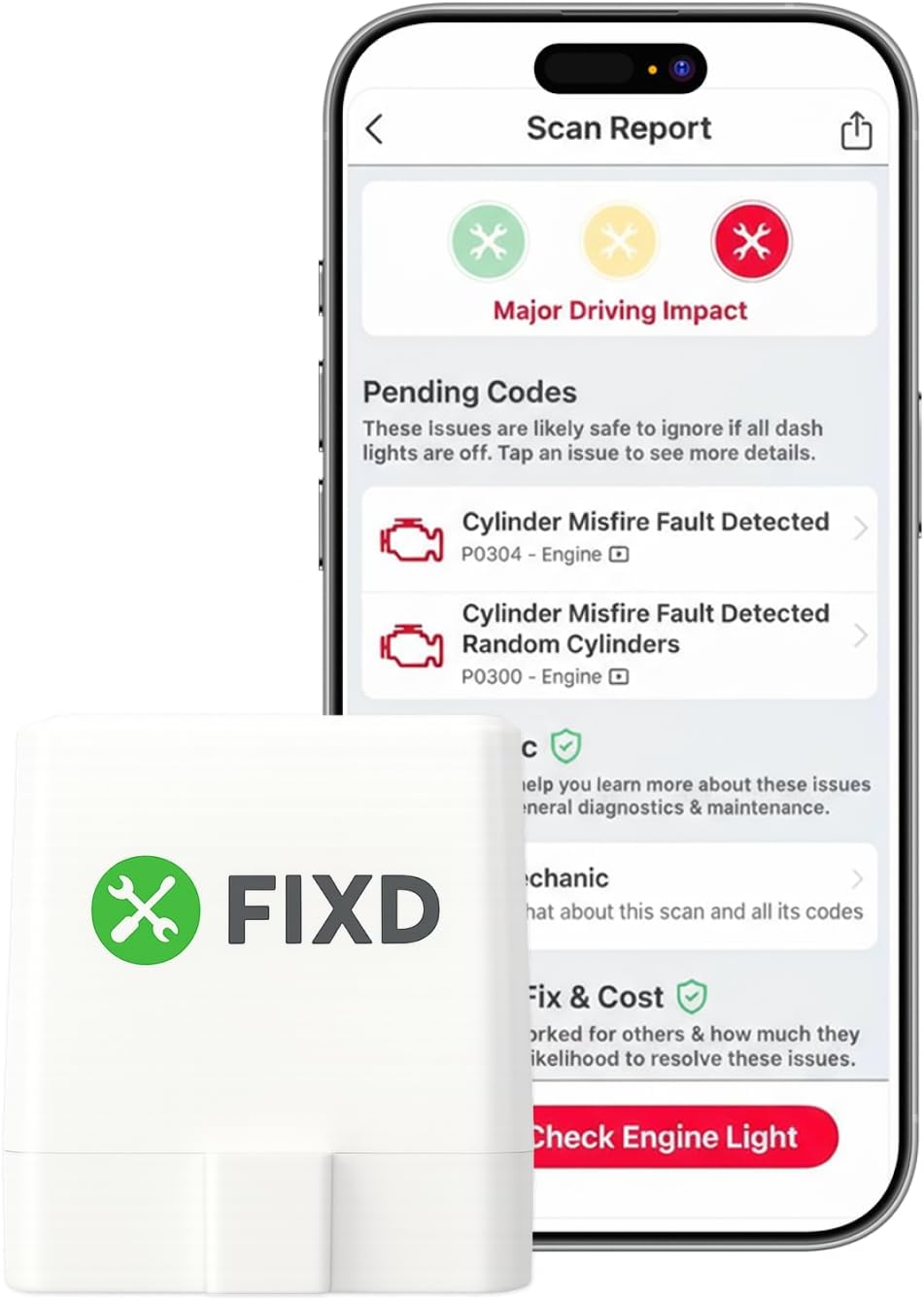
Best Bluetooth OBD2 Scanner
Detect 39,000+ Issues With Enhanced Codes. Save $1000s on car repairs & buying used vehicles by diagnosing problems yourself.
Shop on Amazon
Key Takeaways
- A Subaru Crosstrek check engine light can signal issues ranging from a loose gas cap to oxygen sensor or catalytic converter failures, requiring diagnostic codes to identify the root cause.
- Distinguish between a steady check engine light (safe to drive briefly while arranging service) and a flashing light (stop immediately to avoid catalytic converter damage).
- Most common Crosstrek check engine light causes include oxygen sensor failures, loose or faulty gas caps, catalytic converter issues, and mass airflow sensor problems that can be identified and often fixed with an OBD-II scanner.
- Use an OBD-II scanner to read diagnostic trouble codes from your Crosstrek’s diagnostic port, research the specific codes online, and determine whether the issue is a quick DIY fix like tightening a cap or requires professional service.
- Year-specific issues affect different Crosstrek generations: 2013–2015 models commonly develop catalytic converter codes, 2016–2017 models experience EVAP purge valve failures, and 2021–2024 models show camshaft timing codes related to oil maintenance.
- Simple DIY repairs like gas cap checks, MAF sensor cleaning, and air filter replacement can resolve many Crosstrek check engine light issues, but catalytic converter replacement, oxygen sensor diagnosis, and timing component work require professional equipment and expertise.
What Does the Check Engine Light Mean in Your Subaru Crosstrek?
The amber engine-shaped icon on your dashboard connects directly to your Crosstrek’s engine control unit (ECU). This computer continuously monitors emissions, fuel delivery, ignition timing, and intake sensors. When a parameter falls outside normal range, the ECU stores a diagnostic trouble code (DTC) and triggers the warning light.
You’ll see two states: steady and flashing. A steady light indicates the system detected an issue that may affect emissions or fuel economy but doesn’t pose immediate danger. A flashing light signals active misfires or severe combustion problems that can damage the catalytic converter within minutes.
Subaru’s onboard diagnostics follow OBD-II protocol, meaning any fault code begins with a letter (P for powertrain, B for body, C for chassis) followed by four digits. Common Crosstrek codes include P0420 (catalytic efficiency), P0171 (system too lean), and P0101 (MAF range/performance). Once lit, the check engine light won’t clear itself until you address the root cause and reset the code.
Most Common Causes of Crosstrek Check Engine Light
Oxygen Sensor Failures
Oxygen sensors measure exhaust gas composition before and after the catalytic converter. Subaru Crosstreks typically use four O2 sensors, two upstream, two downstream. When a sensor drifts out of calibration or fails, you’ll see codes like P0135, P0141, or P0420.
Symptoms include rough idle, reduced fuel economy, and sluggish acceleration. Sensors degrade over time from heat cycling and contamination. Replacing a faulty O2 sensor is straightforward: disconnect the harness, unscrew the old unit with an oxygen sensor socket, apply anti-seize compound to the threads of the new sensor, and torque to spec.
Crossover owners report sensor life averaging 80,000–100,000 miles under normal driving. Highway-heavy usage extends lifespan: short trips with frequent cold starts shorten it. If your Crosstrek shows P0420 but all four sensors test good, suspect the catalytic converter itself.
Loose or Faulty Gas Cap
A loose, damaged, or missing gas cap remains the simplest cause of a Crosstrek check engine light. The evaporative emissions (EVAP) system maintains a sealed fuel system to prevent vapor leaks. When pressure tests fail, the ECU logs P0440, P0442, or P0455.
You’ll hear a hissing sound when you remove the cap if the seal held vacuum. Inspect the rubber gasket for cracks, distortion, or debris. Tighten the cap until it clicks three times. Drive through two complete drive cycles, cold start, highway cruise, key-off, to allow the ECU to retest and clear the code.
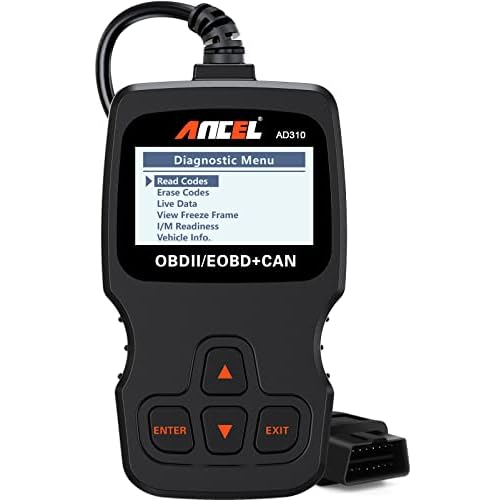
ANCEL AD310 OBD2 Scanner provides instant access to stored codes and lets you verify the fix without a dealer visit.
Catalytic Converter Issues
The catalytic converter transforms harmful exhaust gases into less-toxic compounds. Subaru Crosstreks use underfloor cats that see high heat and stress. Code P0420 (catalyst system efficiency below threshold) appears when downstream O2 sensors detect insufficient conversion.
Common culprits include internal substrate breakdown, oil contamination from engine oil consumption, or sensor drift falsely reporting converter failure. You may notice a rotten-egg smell, loss of power, or increased fuel consumption. Inspecting the converter requires lifting the vehicle and checking for rattling (indicating broken honeycomb) or physical damage.
Replacement involves cutting the old unit and welding or clamping an aftermarket or OEM converter. Some states require California Air Resources Board (CARB) compliance, so verify part certification before purchase.
Mass Airflow Sensor Problems
The mass airflow (MAF) sensor sits between the air filter and throttle body, measuring incoming air volume. Your Crosstrek’s ECU uses this data to calculate fuel injection timing. A dirty or failed MAF triggers codes P0101, P0102, or P0103, causing hesitation, stalling, or poor acceleration.
Cleaning the MAF takes five minutes. Remove the sensor, spray the hot-wire element with CRC Mass Air Flow Sensor Cleaner, and let it air-dry completely before reinstalling. Never use carburetor cleaner or touch the element, the wire is fragile.

If cleaning doesn’t resolve the issue, test the sensor with a multimeter or swap in a known-good unit. MAF failures often coincide with dirty air filters or intake leaks that introduce unmetered air.
How to Read Check Engine Light Codes on Your Crosstrek
You need an OBD-II scanner to pull codes from your Crosstrek. The diagnostic port lives under the dashboard, left of the steering column. Plug the scanner into the 16-pin connector, turn the ignition to ON (engine off), and select “Read Codes” on the device menu.
The scanner displays alphanumeric codes. Write down every code shown, multiple faults often share a root cause. For example, P0171 (system too lean) and P0101 (MAF issue) together point toward an intake air leak or dirty MAF sensor.
Free smartphone apps like Torque Pro (Android) or Car Scanner (iOS) pair with Bluetooth OBD adapters for real-time data. You’ll see live sensor readings, freeze-frame data captured when the fault occurred, and pending codes that haven’t yet triggered the check engine light.
After repairs, use the scanner’s “Clear Codes” function. The check engine light turns off immediately, but the ECU marks the repair incomplete until drive cycles confirm the fix. Drive normally for 50–100 miles to let all monitors complete their self-tests.
Year-Specific Crosstrek Check Engine Light Issues
2013–2015 models frequently throw P0420 catalytic converter codes around 80,000 miles. Subaru issued a service bulletin acknowledging premature converter failure on early first-generation Crosstreks. Some owners report O2 sensor recalibration temporarily clears the code, but most require converter replacement.
2016–2017 Crosstreks exhibit EVAP system codes (P0456, P0457) linked to purge valve failures. The valve sticks open or closed, preventing proper fuel vapor management. Replacement takes 30 minutes and involves disconnecting two hoses and one electrical connector.
2018–2020 models with EyeSight occasionally disable the driver-assist suite when the check engine light appears. Any powertrain fault triggers a safety lockout. Resolve the engine code first, then recalibrate EyeSight if the warning persists.
2021–2024 Crosstreks show increased P0011 and P0021 codes (camshaft position timing over-advanced/retarded). Low oil level or degraded oil viscosity prevents proper variable valve timing operation. Check oil level first, change oil if overdue, and clear codes.
“My 2019 Crosstrek threw P0456 at 35k miles. Dealer replaced the purge valve under warranty. Light hasn’t come back in two years.” via SubaruXVForum
What to Do When the Check Engine Light Comes On
First, assess whether the light is steady or flashing. A steady light allows you to continue driving while scheduling diagnostics. A flashing light demands immediate action, pull over safely, shut off the engine, and arrange a tow to avoid catalytic converter damage.
Check basic items before scanning codes. Verify the gas cap clicks properly. Listen for unusual engine noises, rough idle, or loss of power. Note any recent maintenance or fuel fill-ups that coincide with the warning.
Scan the codes at an auto parts store (most offer free scans) or use your own OBD-II reader. Research the specific codes online, cross-referencing Subaru forums and technical service bulletins. Many codes point to simple fixes, tightening clamps, replacing air filters, or cleaning sensors.
If you lack tools or diagnostic confidence, schedule a dealer or independent shop inspection. Provide the technician with scanned codes to streamline diagnosis. Request a written estimate before authorizing repairs, especially for expensive components like catalytic converters or ECU replacements.
Can You Drive Your Crosstrek With the Check Engine Light On?
Short answer: it depends on the code and symptoms. A steady check engine light with no performance changes typically allows continued driving for a few days while you arrange service. But, ignoring the warning risks escalating damage and failed emissions inspections.
Codes related to emissions sensors (O2, MAF) or EVAP leaks won’t strand you immediately but degrade fuel economy and may increase tailpipe emissions. Catalytic converter codes left unaddressed can cause internal substrate meltdown, turning a sensor replacement into a thousand-dollar converter job.
Never drive with a flashing check engine light. This indicates active cylinder misfires dumping unburned fuel into the exhaust. The catalytic converter overheats, melts, and clogs within minutes. You’ll experience severe power loss, stalling, and potential engine damage.
If the check engine light appears alongside traction control, ABS, or brake warning lights, stop driving. Multiple system warnings suggest a shared failure, often a wheel speed sensor or ECU communication fault that compromises braking safety.
“Drove 200 miles with P0420 on my 2017. Got it fixed during the next oil change. No harm done, but mileage dropped 2 MPG.” via r/XVcrosstrek
DIY Fixes vs. When to Visit a Mechanic
You can handle these repairs yourself with basic tools:
- Gas cap: Check seal, tighten, or replace (takes 1 minute)
- Air filter: Swap a dirty filter to restore MAF sensor accuracy (5 minutes)
- MAF sensor cleaning: Spray cleaner, dry, reinstall (10 minutes)
- Spark plugs: Replace worn plugs causing misfires (30–60 minutes)
- Code clearing: Use an OBD-II scanner after repairs (2 minutes)
Seek professional help for:
- Catalytic converter replacement: Requires lift, cutting/welding, and emissions compliance
- Oxygen sensor diagnosis: Distinguishing sensor failure from converter issues demands live data analysis
- Timing component codes: Camshaft actuators and oil control valves require engine disassembly
- Intermittent misfires: Random misfires across cylinders need compression testing, fuel pressure checks, and injector flow analysis
| Repair | DIY Difficulty | Time | Tools Needed |
|---|---|---|---|
| Gas cap replacement | Easy | 1 min | None |
| MAF sensor cleaning | Easy | 10 min | Cleaner spray |
| Spark plug swap | Moderate | 45 min | Socket set, gap tool |
| O2 sensor replacement | Moderate | 30 min | O2 socket, wrench |
| Catalytic converter | Hard | 2+ hrs | Lift, welding/clamps |
Consider your skill level, available tools, and time constraints. A misdiagnosis wastes money on unnecessary parts, while delaying critical repairs multiplies damage.
How to Reset the Check Engine Light in a Subaru Crosstrek
Method 1: OBD-II Scanner
Plug your scanner into the diagnostic port, turn the ignition to ON, and select “Clear Codes” or “Erase DTCs.” The check engine light turns off immediately. Drive 50–100 miles through varied conditions to complete readiness monitors.
Method 2: Battery Disconnect
Loosen the negative battery terminal, wait 15 minutes, then reconnect. This clears all stored codes and ECU adaptations. You’ll lose radio presets and clock settings. The check engine light stays off until the next drive cycle detects the fault again.
Method 3: Drive Cycles
If you fixed the underlying issue but the light persists, complete two full drive cycles. Start the engine cold, drive 10+ miles including highway speeds, then shut off and let the engine cool completely. The ECU retests systems and clears codes if no faults appear.
Avoid clearing codes before emissions testing, technicians need readiness monitors to show “complete” status. If you clear codes the day before inspection, monitors won’t finish self-tests in time and you’ll fail for incomplete readiness.
Use NordVPN to securely access Subaru technical forums and service bulletins when researching complex codes. Protect your browsing while downloading factory repair procedures from international databases.
Frequently Asked Questions
What does the check engine light mean on a Subaru Crosstrek?
The check engine light indicates your Crosstrek’s engine control unit detected a fault code in the emissions, fuel, or ignition system. A steady light signals a non-urgent issue; a flashing light warns of active misfires that can damage the catalytic converter within minutes and requires immediate attention.
What are the most common causes of a check engine light in a Subaru Crosstrek?
Common causes include oxygen sensor failures (P0135, P0141), loose gas caps (P0440, P0442), catalytic converter issues (P0420), MAF sensor problems (P0101, P0102), and timing component codes. Identifying the specific code with an OBD-II scanner helps pinpoint the exact issue.
Can I drive my Subaru Crosstrek with the check engine light on?
A steady check engine light allows short-term driving while you arrange service, though performance and fuel economy may degrade. Never drive with a flashing light, as it indicates active misfires that will overheat and damage your catalytic converter within minutes.
How do I read check engine light codes on my Crosstrek?
Plug an OBD-II scanner into the diagnostic port located under the dashboard left of the steering column. Turn the ignition to ON (engine off) and select ‘Read Codes.’ Free apps like Torque Pro or Car Scanner pair with Bluetooth adapters for real-time sensor data and freeze-frame diagnostics.
What’s the difference between a steady and flashing check engine light?
A steady check engine light indicates detected emissions or fuel issues that won’t immediately strand your vehicle but risk escalating damage over time. A flashing light signals dangerous active misfires dumping unburned fuel into the exhaust, potentially destroying the catalytic converter in minutes.
Which Subaru Crosstrek check engine codes are year-specific?
2013–2015 models frequently throw P0420 (catalytic converter failure around 80k miles); 2016–2017 exhibit EVAP codes (P0456, P0457) from purge valve failures; 2018–2020 may disable EyeSight driver-assist when powered codes appear; 2021–2024 show increased P0011/P0021 codes from low oil or degraded viscosity.
Read More:
- Subaru Forester Check Engine Light (Owner’s Diagnostic Guide)
- Subaru Check Engine Light (Here’s the Master Diagnostic Guide)
- Subaru Outback Check Engine Light (Fix It Before EyeSight Shuts Down)
- Subaru Check Engine Light Reset (How to Perform Successfully)
- Subaru Impreza Check Engine Light (Here’s the Quick Fix Guide)