
You bought a Toyota because of its legendary reliability. Now you’re feeling delayed engagement when shifting from Park to Drive, hearing strange grinding noises, or watching the RPMs spike without the vehicle accelerating properly.
Toyota transmission problems typically manifest as slipping gears, delayed engagement, rough shifting, torque converter shudder, burning fluid smells, and dashboard warning lights, often caused by low or contaminated ATF fluid, failing shift solenoids, torque converter clutch faults, or software glitches in the Transmission Control Module (TCM), affecting models like the Camry, Corolla, RAV4, Tacoma, and Highlander with U660E, UA80E, or Direct Shift CVT transmissions.
The good news? Many symptoms stem from correctable fluid issues or TCM software updates rather than catastrophic internal failures, but early detection and proper diagnosis using trouble codes like P0741, P0751, or P0776 are critical to avoid costly rebuild scenarios.
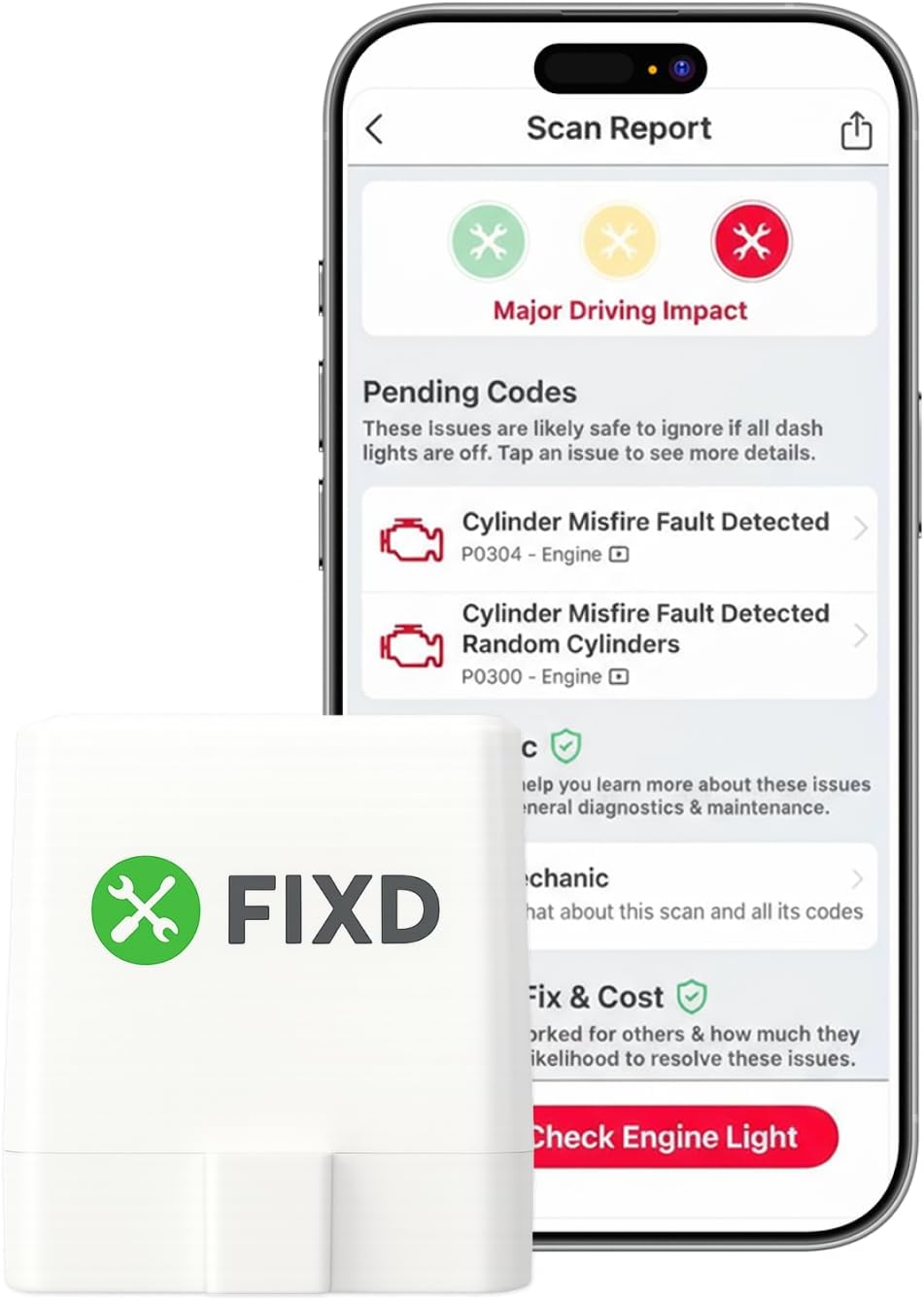
Best Bluetooth OBD2 Scanner
Detect 39,000+ Issues With Enhanced Codes. Save $1000s on car repairs & buying used vehicles by diagnosing problems yourself.
Shop on Amazon
Key Takeaways
- Toyota transmission problems like slipping gears, rough shifting, and delayed engagement often stem from low or contaminated ATF fluid, which can be corrected through regular maintenance rather than expensive rebuilds.
- Preventive fluid service every 30,000-40,000 miles prevents approximately 80% of transmission failures and costs far less than the $3,000-6,000 price tag for a transmission rebuild.
- Diagnostic trouble codes (P0741, P0751, P0776) and proper diagnosis from an ASE-certified transmission specialist are critical to avoid unnecessary transmission replacement recommendations from general repair shops.
- TCM software updates and resets can resolve shift hesitation, torque converter shudder, and gear hunting issues without replacing hardware on affected Camry, Corolla, RAV4, and other Toyota models.
- Always check transmission fluid monthly if you notice slipping or engagement issues, and address burning smells or grinding noises immediately, as these indicate accelerating internal wear.
- Install an external transmission cooler and monitor shift quality regularly if you tow frequently or drive in extreme heat to extend clutch pack and seal life.
Common Toyota Transmission Symptoms
Slipping Gears and Transmission Slipping
Transmission slipping occurs when your engine revs up but the car won’t accelerate proportionally. You’ll press the throttle, hear the RPMs climb past 3,000, yet the vehicle hesitates or crawls forward sluggishly. This symptom indicates the transmission can’t maintain hydraulic pressure to keep clutch packs or bands engaged.
Slipping often appears during highway merging or climbing hills. The transmission may momentarily lose power transfer between the engine and wheels. You might also notice the tachometer needle jumping erratically while speed remains constant. This behavior typically points to worn clutch friction material, a failing torque converter clutch, or critically low ATF fluid levels.
“2018 Camry with 87k miles. Engine revs to 4k but barely moves uphill. Dealer says torque converter is toast.” via r/Toyota
Don’t ignore slipping. It accelerates internal wear exponentially. Metal particles from degrading clutches contaminate the fluid, creating a destructive cycle that damages valve bodies and solenoids.
Rough and Erratic Shifting
Hard downshift jolts feel like someone rear-ended your vehicle during deceleration. The transmission slams into lower gears instead of gliding smoothly. You’ll especially notice harsh 3-2 or 2-1 downshifts when approaching stop signs or traffic lights.
Erratic shifting creates unpredictable gear hunting. The transmission can’t decide which gear to select, constantly upshifting and downshifting during steady-speed cruising. This hunting behavior wastes fuel and signals that the TCM receives inconsistent data from speed sensors or throttle position sensors. Software calibration issues in 2016-2019 model years frequently cause this pattern.
Some owners report violent shuddering during light acceleration between 30-50 mph. This torque converter shudder and chassis vibration happens when the torque converter lockup clutch applies and releases repeatedly, creating a rhythmic pulsation through the floorboard. Toyota issued Technical Service Bulletins (TSBs) addressing this exact problem across multiple platforms.
Delayed Gear and Shift Engagement
Delayed engagement from Park to Drive or Reverse creates a nerve-wracking 2-4 second pause before the transmission catches. You shift, wait, then feel a pronounced thunk as the transmission finally engages. This delay indicates low line pressure, worn pump seals, or stuck pressure control solenoids.
Cold weather exacerbates this condition. Thick, cold ATF flows poorly through narrow valve body passages. If your transmission engages normally after warming up but hesitates during cold starts, suspect aging fluid or a weak transmission fluid pump. But, consistent delay regardless of temperature points to internal hydraulic circuit failures.
Shifting hesitation during acceleration creates dangerous gaps in power delivery. You’ll press the accelerator expecting a downshift for passing power, but the transmission pauses 1-2 seconds before responding. This throttle lag often stems from adaptive learning corruption in the TCM’s memory or failing throttle position sensor inputs.
Dashboard Warning Lights and Noises
The check engine light illuminates when the TCM detects abnormal sensor readings or component failures. Stored diagnostic trouble codes pinpoint the exact fault, P0741 indicates torque converter clutch circuit performance issues, P0751 points to shift solenoid A stuck or electrical faults, and P0776 signals pressure control solenoid B problems.
Grinding or whining noises during gear changes indicate mechanical component wear. A high-pitched whine that changes with vehicle speed suggests planetary gear set damage or bearing failures. Grinding during shifts points to worn synchronizers (in manual modes) or damaged clutch drums. These sounds never improve, they only worsen as metal components destroy each other.
“My 2017 Highlander makes a grinding sound when shifting from 3rd to 4th. Dealership found metal shavings in the pan.” via ToyotaNation Forums
Burnt transmission fluid smell resembles burning paper or electrical insulation. This odor signals that clutch material is overheating and decomposing. If you detect this smell, check your fluid immediately, it should appear cherry red and translucent, not brown or black.
Key Causes and Underlying Issues
Transmission Fluid Levels and Leaks
Low ATF creates immediate hydraulic pressure loss. Transmissions require precise fluid volume to generate the 80-200 PSI needed for clutch pack engagement. Even one quart low causes slipping, delayed engagement, and overheating. Check your fluid weekly if you notice any symptoms.
Checking transmission fluid level without a dipstick requires a specific procedure. Most 2016+ Toyotas eliminated dipsticks, forcing you to access the fill plug underneath the vehicle while it’s running at operating temperature. You’ll need the vehicle level on a lift, engine idling in Park, and fluid temperature between 95-113°F measured with a scan tool like the BlueDriver Bluetooth OBDII Scanner.

Common leak points include the transmission pan gasket, output shaft seals, cooler line connections, and torque converter front seal. Red fluid puddles under your vehicle after overnight parking indicate active leaks. External leaks are cheaper to repair than internal seal failures, so address them immediately before fluid levels drop critically low.
Contaminated or Burnt Transmission Fluid
The ATF WS lifetime fluid replacement interval myth has damaged countless transmissions. Toyota markets their World Standard fluid as “lifetime,” but that marketing term assumes ideal operating conditions that don’t exist in real-world stop-and-go traffic, trailer towing, or extreme climates. Fluid degrades chemically from heat cycles and becomes contaminated with clutch material particles.
Burnt transmission fluid loses its friction-modifying additives and lubricating properties. The fluid turns dark brown or black and develops a sharp, acrid smell. This degraded fluid can’t protect components or maintain proper hydraulic pressure. Contaminated fluid acts like liquid sandpaper, accelerating wear on valve bodies, pump components, and solenoid screens.
Strict mechanical recommendations call for drain-and-fill service every 30,000-40,000 miles for normal driving, or every 25,000 miles if you tow, drive in extreme heat, or frequently sit in heavy traffic. A drain-and-fill replaces approximately 40% of total fluid volume, you’ll need 2-3 sequential services to fully refresh the system. Never perform a high-pressure flush on Toyota transmissions, as the aggressive flow can dislodge debris that clogs narrow passages.
Transmission Control Module and Software Glitches
TCM re-flashes cure shift hesitations caused by outdated adaptive learning algorithms. Toyota releases updated calibrations that refine shift timing, adjust line pressure curves, and correct torque converter lockup logic. Dealers can flash your TCM in 30-45 minutes using Toyota’s Techstream diagnostic software.
Software updates address specific shift quality complaints without replacing hardware. The 2018-2020 Camry, Corolla, and RAV4 received multiple TCM updates to eliminate the 2-3 second delay when accelerating from a stop. These updates recalibrate throttle response mapping and transmission shift schedules.
Occasionally, the TCM’s adaptive memory becomes corrupted from repeated error events or voltage fluctuations. Resetting adaptive values forces the TCM to relearn your driving patterns from scratch. This 20-mile relearning process may create slightly erratic shifting initially, but shift quality typically improves after the TCM recalibrates.
Model Specific Transmission Concerns
Toyota 8-Speed Transmission and UA80E
The UA80E 8-speed transmission debuted in 2016 Tacoma trucks and later expanded to 4Runner, Tundra, and Sequoia models. This Aisin-built unit replaced the aging 5-speed and 6-speed transmissions. Early production UA80E units suffered from harsh 1-2 upshifts and inconsistent shift quality that Toyota addressed through multiple TCM calibration updates.
UA80E reliability issues center on the torque converter clutch circuit. Diagnostic codes P0741 and P2757 appear frequently on 2016-2018 Tacomas, indicating the torque converter lockup clutch can’t maintain proper engagement. Symptoms include shuddering between 35-45 mph during light acceleration and occasional harsh lockup engagement that feels like hitting a speed bump.
Toyota extended warranty coverage for some UA80E transmissions through customer support programs. If you own a 2016-2018 Tacoma with documented transmission complaints, contact Toyota Customer Experience at 1-800-331-4331 to verify if your VIN qualifies for goodwill coverage even outside the standard warranty period.
AC60E and Tacoma Transmission Issues
The AC60E appears in hybrid models like the Highlander Hybrid and RAV4 Hybrid. This electronically controlled CVT-style unit integrates electric motors directly into the transmission case. AC60E problems typically involve the hybrid control module rather than traditional mechanical failures.
Tacoma transmission issues dominated owner forums for 2016-2019 model years. Beyond the UA80E problems mentioned above, owners reported excessive gear hunting on highways, inability to maintain 6th gear on slight inclines, and inconsistent transmission temperature regulation. The National Highway Traffic Safety Administration (NHTSA) received hundreds of complaints about these symptoms.
Toyota’s response included multiple TSBs and an extended transmission fluid service campaign. TSB T-SB-0076-18 specifically addresses shift quality concerns and recommends TCM reprogramming combined with complete fluid replacement using updated ATF WS specifications.
Common Problems in Camry, Corolla, RAV4, Sienna, and Other Models
| Model | Transmission Type | Common Issues | Years Affected |
|---|---|---|---|
| Camry | U660E 6-speed | Shift hesitation, torque converter shudder | 2012-2017 |
| Corolla | K120 Direct Shift CVT | Launch gear engagement delay, rough starts | 2019-2022 |
| RAV4 | U660E/K120 | Slipping, delayed engagement, fluid leaks | 2013-2019 |
| Sienna | U760E 6-speed | Harsh downshifts, valve body failures | 2011-2016 |
| Highlander | UA80E 8-speed | Torque converter clutch codes, shudder | 2017-2020 |
Toyota’s Direct Shift CVT launch gear problems affect 2019+ Corolla and 2019-2021 Corolla Hatch models. This innovative CVT uses a physical first gear before transitioning to the CVT belt system. Owners report rough engagement when launching from stops and occasional gear clash noises during the first-to-CVT transition. Most cases resolve with TCM software updates that refine the launch gear release timing.
Diagnosis, Repairs, and Preventive Maintenance
When to See a Transmission Specialist
Seek professional diagnosis immediately if you experience slipping, harsh shifting, burning smells, or fluid leaks. Delaying inspection allows minor problems to cascade into major internal damage. A qualified transmission specialist can differentiate between simple fluid issues and catastrophic component failures.
Avoid general repair shops for transmission diagnosis, find an ASE-certified transmission specialist or Toyota-trained technician. Transmissions require specialized knowledge, proprietary scan tools, and model-specific diagnostic procedures. A misdiagnosis often leads to unnecessary rebuilds or incorrect repairs.
Don’t accept a transmission replacement quote without a thorough diagnosis. Many dealerships default to recommending complete transmission replacement for symptoms that could be resolved with valve body replacement, solenoid service, or software updates. Request specific failure codes and ask what diagnostic steps confirmed internal damage.
Diagnostic Methods and Tools
Scanning for diagnostic trouble codes provides the foundation for accurate diagnosis. A quality OBDII scanner retrieves both generic powertrain codes and manufacturer-specific Toyota codes. The OBD2 Scanner offers real-time transmission temperature monitoring alongside code reading.
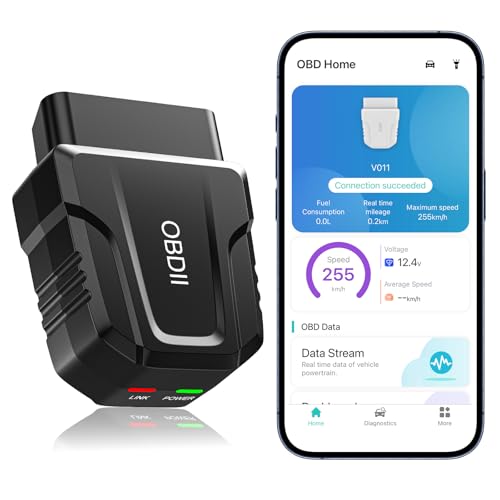
Live data analysis reveals problems that don’t trigger codes. Watch transmission fluid temperature, shift solenoid command versus actual position, throttle position sensor voltage, and turbine speed sensor readings. Discrepancies between commanded and actual values pinpoint failing components.
Transmission fluid analysis sends a sample to a lab that identifies metal contamination types and concentrations. This test distinguishes normal wear from catastrophic failure. High aluminum content indicates pump or valve body wear, while high iron suggests planetary gear damage. Blackstone Laboratories provides detailed transmission fluid analysis for $30-40.
Maintenance to Avoid Transmission Failure
Regular fluid service stands as the single most effective preventive measure. Replace ATF WS fluid every 30,000-40,000 miles through drain-and-fill procedures. This simple maintenance prevents 80% of transmission failures and costs $150-250 compared to $3,000-6,000 rebuilds.
Essential preventive maintenance schedule:
- Inspect fluid level and condition every oil change
- Replace transmission fluid every 30,000-40,000 miles
- Update TCM software when TSBs become available
- Replace external filter (if equipped) during fluid service
- Inspect cooler lines and connections for leaks annually
Install an external transmission cooler if you tow regularly or drive in extreme heat. The B&M SuperCooler Transmission Cooler mounts in front of the radiator and reduces operating temperatures by 20-40°F. Lower temperatures exponentially extend clutch pack and seal life.
Monitor transmission behavior and address changes immediately. Keep a log of shift quality, engagement timing, and any unusual sounds or smells. Early intervention saves thousands compared to ignoring symptoms until complete failure occurs.
Frequently Asked Questions
What are the most common Toyota transmission problems?
Common Toyota transmission problems include slipping gears, delayed engagement, rough shifting, torque converter shudder, and burning fluid smells. These typically stem from low or contaminated ATF fluid, failing shift solenoids, torque converter faults, or TCM software glitches affecting models like Camry, Corolla, RAV4, and Tacoma.
How often should I service my Toyota transmission fluid?
Toyota recommends drain-and-fill service every 30,000-40,000 miles for normal driving, or every 25,000 miles if you tow, drive in extreme heat, or sit in heavy traffic. Despite “lifetime” marketing, regular fluid replacement prevents 80% of transmission failures and costs $150-250 versus $3,000-6,000 rebuilds.
What does transmission slipping feel like?
Transmission slipping occurs when your engine revs up but the car won’t accelerate proportionally. You’ll press the throttle and hear RPMs climb past 3,000, yet the vehicle hesitates or crawls forward. The tachometer needle may jump erratically while speed remains constant, indicating hydraulic pressure loss in clutch packs or bands.
Can a TCM software update fix Toyota transmission problems?
Yes, TCM reprogramming can resolve shift hesitations, torque converter shudder, and delayed engagement caused by outdated adaptive learning algorithms. Toyota dealers can flash updated calibrations in 30-45 minutes using Techstream software. The 2018-2020 Camry, Corolla, and RAV4 received multiple updates eliminating 2-3 second acceleration delays.
What does burnt transmission fluid smell like?
Burnt transmission fluid smells like burning paper or electrical insulation, signaling that clutch material is overheating. Check your fluid immediately if you detect this odor. Healthy ATF appears cherry red and translucent; degraded fluid turns brown or black and loses friction-modifying additives needed for proper transmission function.
Should I get a transmission fluid flush or drain-and-fill for my Toyota?
Never perform high-pressure flushes on Toyota transmissions; always use drain-and-fill procedures. Aggressive flushing can dislodge debris that clogs narrow passages. A drain-and-fill replaces approximately 40% of total fluid volume. You’ll need 2-3 sequential services to fully refresh the system and avoid potential transmission damage.
Read More:
- Ford Transmission Problems (Symptoms, Recalls, and What to Do)
- Chevy Transmission Problems (How to Diagnose the Shudder, the Lock-Up)
- Car Transmission Problems (Guide for Automatic, CVT, and Hybrid)
- Nissan Transmission Problems (Here’s the Expert Diagnosis & Repair)
- Kia Transmission Problems (Here’s the Common Symptoms and Fixes)