This post contains affiliate links. Purchases may earn me a commission at no extra cost to you.
If your Chevy Malibu is jerking between gears, slipping under acceleration, or throwing a “Shift to Park” message, you’re not alone. These are among the most reported driveability complaints across the 2008–2024 model range.
Chevy Malibu transmission problems most commonly stem from 6T40/6T45 wave plate failures, torque converter clutch (TCC) shudder, faulty shift solenoids, and TCM (Transmission Control Module) communication errors. The 2013–2015 model years with the 6-speed automatic are the worst offenders, while the 2016+ 9-speed units (9T45/9T60) show fewer catastrophic failures but still exhibit harsh shifting and delayed engagement. Diagnosing the root cause, whether it’s a mechanical issue requiring a rebuild or a simple fluid/sensor fix, can save you thousands.
This guide breaks down every major fault by generation, walks you through warning signs, and gives you the diagnostic knowledge to make smart repair decisions.
Chevy Malibu transmission problems are most severe in 2013–2015 models with the 6-speed automatic, which suffer from 3-5-R wave plate failure, while 2016+ 9-speed units show improved durability but still experience harsh shifts and sensor issues.
Early warning signs like slipping gears, hard shifts, torque converter shudder, and Check Engine codes P0700 or P0711 require immediate diagnosis with an OBD-II scanner to prevent costly full transmission rebuilds.
The GM 6T40 transmission’s wave plate design is undersized for sustained highway torque loads, making preventive fluid flushes every 45,000 miles and adaptive learning resets critical for extending transmission life.
Repair costs range from $500–$1,500 for solenoid replacements and fluid flushes to $3,000–$5,000+ for full rebuilds, so always get a second diagnostic opinion before authorizing major transmission work.
The 2014 Malibu has over 800 NHTSA transmission complaints and remains the most problematic year, making transmission condition a critical factor when buying used or evaluating long-term ownership.
Monitoring transmission fluid temperature below 200°F and using only GM-specified Dexron HP or ULV ATF is essential preventive maintenance that can save thousands in repair costs over the vehicle’s lifetime.
Most Common Chevy Malibu Transmission Problems by Model Year
Not all Malibu model years are created equal. The transmission platform changed significantly across generations, and certain year ranges carry far more risk than others.
The 2008–2012 Malibu used the 6T40 and 6T45 six-speed automatics paired with 2.4L Ecotec engines. Common issues include premature torque converter clutch wear, valve body sticking, and P0700 diagnostic trouble codes indicating a general transmission malfunction. These units can develop a noticeable shudder between 30–50 mph as the TCC engages.
The 2013–2015 models are widely considered the most problematic. The 6T40 transmission in these years is prone to 3-5-R wave plate failure, which causes a complete loss of third, fifth, and reverse gears. According to owner complaints compiled on CarComplaints.com, the 2014 Malibu has one of the highest concentrations of transmission-related NHTSA reports in the lineup.
The 2016–2024 models transitioned to the 9T45 (paired with the 1.5L Turbo) and 9T60 (paired with the 2.0L Turbo) nine-speed automatics. These units improved overall durability but introduced new complaints: harsh 1-2 upshifts, delayed engagement from park, and occasional “Shift to Park” sensor errors. The “Shift to Park” issue became so widespread that GM issued a customer satisfaction program (N212345670) covering certain 2016–2019 models.
Model Years
Transmission
Most Common Failure
2008–2012
6T40/6T45
TCC shudder, valve body issues
2013–2015
6T40/6T45
3-5-R wave plate failure
2016–2019
9T45/9T60
Shift to Park sensor, harsh shifts
2020–2024
9T45/CVT
Delayed engagement, adaptive learn resets
Warning Signs Your Malibu’s Transmission Is Failing
Catching transmission trouble early is the difference between a sensor replacement and a full rebuild. Here are the symptoms you should never ignore:
Slipping between gears, Your RPMs climb but the car doesn’t accelerate. This is especially common in 3rd and 4th gear on 6T40 units and often points to worn clutch packs or a failing wave plate.
Hard or delayed shifts, A noticeable “clunk” when shifting from Park to Drive or between gears suggests valve body wear or low transmission fluid pressure.
Shuddering at highway speeds, A vibration between 30–60 mph that feels like driving over rumble strips is a classic sign of torque converter clutch shudder.
Check Engine Light with P0700 or P0711, P0700 is a generic transmission fault flag, while P0711 indicates a transmission fluid temperature sensor issue. Both require a scan tool to read sub-codes from the TCM.
Limp mode activation, The transmission locks into a single gear (usually 3rd) to prevent further damage. This often accompanies TCM communication errors.
“Shift to Park” message, Your Malibu won’t recognize it’s in Park, draining the battery or preventing a restart. This is typically a faulty park position sensor in the shifter assembly.
“My 2016 Malibu started with random hard shifts, then went full limp mode on the highway at 70k miles. Turned out to be a bad solenoid pack, not the whole trans.” via r/MechanicAdvice
If you’re experiencing any combination of these symptoms, plug in an OBD-II scanner that reads transmission-specific codes. A quality scanner like the LAUNCH CRP123X OBD2 Scanner reads TCM, ABS, and engine codes, critical for pinpointing whether your issue is electrical or mechanical.
Why the 6-Speed Automatic Is the Biggest Trouble Spot
The GM 6T40 transmission family (which includes the 6T45 and 6T70 variants) was designed for front-wheel-drive applications. The difference between the 6T40, 6T45, and 6T70 comes down to torque capacity, the 6T40 handles up to 221 lb-ft, while the 6T70 manages up to 280 lb-ft. In the Malibu, the lower-capacity 6T40 and 6T45 are the primary units, and they bear the brunt of reliability complaints.
The core design weakness is the 3-5-R wave plate assembly. This component manages engagement for third, fifth, and reverse gears. When it cracks or warps, often between 60,000 and 100,000 miles, you lose those gears entirely. The failure is internal and mechanical, meaning no amount of fluid changes or solenoid replacements will fix it. You’re looking at a teardown.
Shuddering and Torque Converter Issues Explained
Torque converter clutch shudder is the single most reported symptom across all 6T40-equipped Malibus. It happens when the TCC applies at light throttle during highway cruising, and instead of locking smoothly, it chatters. The root cause is usually degraded transmission fluid that’s lost its friction-modifying properties.
GM released a Technical Service Bulletin (TSB PIP5810) recommending a complete transmission fluid flush using Dexron HP ATF, along with a TCM adaptive learning reset, to address early-stage shudder. According to GM’s official technical resources, the adaptive learning reset clears stored shift data and forces the TCM to relearn shift points from scratch. This fix works well if the converter’s friction material hasn’t delaminated.
But, if the shudder persists after a fluid flush and reset, the torque converter itself requires replacement. At that point, most technicians recommend replacing the solenoid pack and valve body gaskets simultaneously, since the transmission is already partially disassembled.
For DIY fluid changes, use a quality ATF like the ACDelco Dexron HP Automatic Transmission Fluid. This is the GM-specified fluid and makes a measurable difference in shift quality, especially on higher-mileage 6T40 units.
ACDelco GM Original Equipment 10-9243 (88865549) Dexron VI Full Synthetic Automatic Transmission Fluid - 1 qt
How Much Does a Chevy Malibu Transmission Repair Cost?
Repair costs vary dramatically depending on whether you need a minor fix or a full overhaul. Here’s a general breakdown of what to expect:
A transmission fluid flush and adaptive relearn is the least expensive option and can resolve early TCC shudder. A solenoid pack replacement addresses hard shifts and delayed engagement without opening the transmission case. Valve body replacement is a mid-range repair that fixes internal hydraulic pressure issues. A full rebuild becomes necessary when wave plates, clutch packs, or the torque converter are damaged. And a remanufactured unit is the most comprehensive option, essentially giving you a factory-spec transmission.
Before committing to any major repair, always get a second diagnostic opinion. Many shops will recommend a full rebuild when a solenoid replacement or fluid service would solve the problem. Monitoring your transmission fluid temperature via the DIC (Driver Information Center) can also help you catch overheating before it causes internal damage, sustained temps above 220°F accelerate fluid breakdown and clutch wear.
Should You Repair, Rebuild, or Replace the Transmission?
This decision depends on mileage, the severity of the failure, and how long you plan to keep the car.
Repair makes sense if the issue is isolated, a single bad solenoid, a faulty park position sensor, or degraded fluid. These are targeted fixes that don’t require pulling the transmission. If your scan tool shows only P0700 with a sub-code pointing to a specific solenoid circuit, you’re likely in repair territory.
Rebuild is the right call when internal hard parts have failed, cracked wave plates, burnt clutch packs, or a scored valve body. A quality rebuild includes replacing all friction components, seals, solenoids, and the torque converter. Expect the transmission to be out of the car for several days.
“Got quoted for a whole new trans on my ’14 Malibu. Took it to a transmission specialist instead, turned out to be the 3-5-R wave plate. Rebuild saved me over a grand compared to a reman unit.” via r/ChevyMalibu
Replace with a remanufactured unit if your transmission has over 150,000 miles and multiple failure points. A reman unit comes with a warranty (typically 3 years/100,000 miles) and resets the clock on all wear components. For used car buyers evaluating a Malibu purchase, asking whether the transmission has been rebuilt or replaced is one of the most important questions you can ask.
Data Insights and Analysis
According to NHTSA complaint data through early 2026, the 2014 Chevrolet Malibu has accumulated over 800 transmission-related complaints, more than any other model year in the lineup. The 2016 and 2017 models follow, with “Shift to Park” sensor failures representing roughly 35% of all drivetrain complaints for those years.
A 2025 analysis by RepairPal rated the Malibu’s overall reliability at 4.0 out of 5.0, but noted that transmission repairs remain the most expensive category of service, averaging significantly higher than comparable Camry or Accord repairs.
Expert Note: "The 6T40's wave plate doesn't fail because of driver abuse, it fails because the stamped steel plate is undersized for the torque loads in sustained highway driving. GM later revised the part with thicker material, but early-production units remain vulnerable. If you're rebuilding, always specify the updated wave plate."
Preventive Maintenance Tips To Extend Transmission Life
The best transmission repair is the one you never need. Follow these steps to maximize the lifespan of your Malibu’s automatic:
Change your transmission fluid every 45,000 miles, or sooner if you drive in stop-and-go traffic, tow, or live in a hot climate. GM’s “lifetime fluid” recommendation is misleading. The fluid degrades, loses its friction modifiers, and accelerates wear on clutch packs and the torque converter. Use Dexron HP ATF for 6T40/6T45 units and Dexron ULV for 9-speed transmissions.
Monitor fluid temperature. You can display transmission fluid temp through the DIC on 2016+ models. Keep it below 200°F during normal driving. If you regularly see temps above 220°F, consider adding an auxiliary transmission cooler.
Don’t ignore early symptoms. A slight shudder at 45 mph today becomes a full TCC failure at 80,000 miles. A fluid flush and adaptive learning reset at the first sign of shudder can buy you tens of thousands of additional miles.
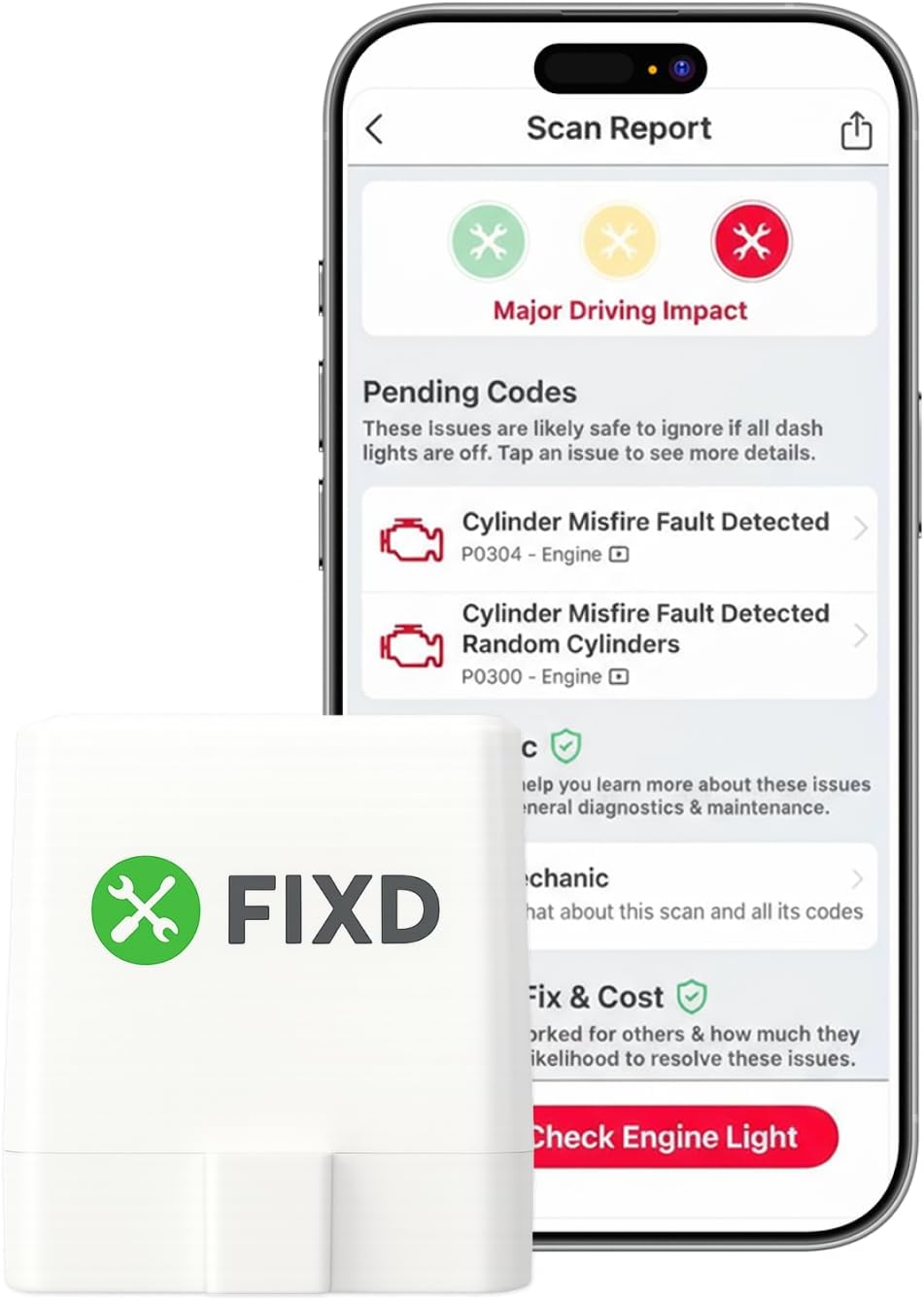
Use a subscription diagnostic service like FIXD to monitor live transmission data, read DTCs in plain language, and track maintenance intervals. It plugs into your OBD-II port and sends alerts to your phone, useful for catching issues like elevated fluid temps or intermittent solenoid faults before they escalate.
Finally, if you’re buying a used Malibu, always request a transmission fluid sample. Dark, burnt-smelling fluid is a red flag. Clear, red fluid with no metallic particles means the previous owner likely maintained the transmission properly.
Frequently Asked Questions
What are the most common Chevy Malibu transmission problems?
Chevy Malibu transmission problems include 6T40/6T45 wave plate failures, torque converter clutch shudder, faulty shift solenoids, and TCM communication errors. The 2013–2015 models are most problematic, while 2016+ 9-speed units show fewer catastrophic failures but still exhibit harsh shifting and delayed engagement.
Why is the 2013-2015 Chevy Malibu transmission so unreliable?
The 2013–2015 Malibu’s 6T40 transmission is prone to 3-5-R wave plate failure, which causes complete loss of third, fifth, and reverse gears between 60,000–100,000 miles. The undersized stamped steel wave plate cannot handle sustained highway driving torque loads, making this the most problematic generation.
How much does a Chevy Malibu transmission repair typically cost?
Costs vary: fluid flush and adaptive relearn ($200–$500), solenoid pack replacement ($400–$800), valve body replacement ($800–$1,500), full rebuild ($2,500–$4,000), or remanufactured unit ($3,000–$5,000). A second diagnostic opinion is recommended to avoid unnecessary full rebuilds.
What does the ‘Shift to Park’ message mean on a Chevy Malibu?
The ‘Shift to Park’ message indicates a faulty park position sensor in the shifter assembly. This became widespread on 2016–2019 models, leading GM to issue customer satisfaction program N212345670. It prevents the car from restarting or may drain the battery.
Can a transmission fluid flush fix Chevy Malibu transmission problems?
A fluid flush with Dexron HP ATF can resolve early torque converter clutch shudder and hard shifts, especially when combined with a TCM adaptive learning reset. However, internal mechanical failures like wave plate cracks or burnt clutch packs require a rebuild or replacement.
What should I check when buying a used Chevy Malibu?
Request a transmission fluid sample from the previous owner. Clear, red fluid with no metallic particles indicates proper maintenance. Dark, burnt-smelling fluid is a red flag. Also ask whether the transmission has been rebuilt or replaced, as this directly impacts reliability and remaining lifespan.
Disclaimer: This content is provided for educational and informational purposes only. Equipment symptoms, repairs, and diagnostic procedures may vary by make, model, year, and condition. Always consult a qualified technician, your equipment’s service manual, and verified manufacturer recalls or service bulletins before performing repairs. GearFixes.com assumes no liability for damages resulting from the use of information on this site.