
Your Chevy Tahoe shouldn’t shudder, slip, or hunt for gears on a routine drive. Yet thousands of owners report exactly these symptoms across every generation, from the 4L60E to the 10L80.
The most common Chevy Tahoe transmission problems include torque converter clutch (TCC) shudder, 6L80 3-5 reverse clutch pack failures, hard shifting from 1st to 2nd gear, delayed engagement, and 10L80 adaptive learning glitches. These issues stem from fluid degradation, overheating, faulty solenoids, or cracked wave plates, and catching them early can mean the difference between a sensor swap and a full rebuild.
This guide breaks down every major symptom, root cause, and fix across Tahoe model years so you can walk into a shop armed with real knowledge, or handle basic diagnostics yourself.
Best Bluetooth OBD2 Scanner
Detect 39,000+ Issues With Enhanced Codes. Save $1000s on car repairs & buying used vehicles by diagnosing problems yourself.
Shop on Amazon
Key Takeaways
- Chevy Tahoe transmission problems vary by generation—4L60E units slip in 3rd/4th gear, 6L80 models experience torque converter shudder and cracked pistons, and 10L80 transmissions may have adaptive learning glitches requiring software resets.
- Early detection of transmission symptoms like slipping, hard shifting, or shudder can mean the difference between a simple sensor swap and a costly full rebuild or replacement.
- Low, degraded, or incorrect transmission fluid is the root cause of most common Chevy Tahoe transmission issues and can be prevented with fluid changes every 30,000–45,000 miles depending on driving conditions.
- Installing an auxiliary transmission cooler with a thermal bypass valve upgrade significantly extends transmission lifespan during towing by keeping fluid temperatures stable and preventing overheating.
- A quality GM-compatible scan tool is essential for diagnosing transmission faults beyond generic P0700 codes; ATRA-certified shops with platform-specific experience provide the most reliable repairs and warranties.
GM has used three primary automatic transmissions in the Tahoe lineup: the 4L60E (1996–2013), the 6L80 (2007–2019), and the 10L80 (2019–present). Each platform has distinct weak points. The 4L60E is notorious for slipping in 3rd and 4th gear due to worn clutch packs. The 6L80 suffers from cracked 1-2-3-4 pistons and torque converter shudder. And the GM 10L80 10-speed transmission can exhibit shifting issues tied to software calibration and valve body wear.
You can identify your Tahoe’s transmission by checking the RPO sticker inside the glove box. Look for codes like MYC (6L80) or MQB (10L80). Knowing your exact unit helps you research model-specific TSBs and recalls, critical information when you’re staring down a major repair.
Recognizing Common Transmission Signs
Slipping and Delayed Engagement
Transmission slipping feels like a brief loss of power, your engine revs climb but the truck barely accelerates. In 4L60E-equipped Tahoes, this typically happens during the 3-4 shift and often points to worn 3-4 clutch packs or a failing forward sprag. On 6L80 units, slipping between 3rd and 5th can indicate a cracked 1-2-3-4 piston, a well-documented failure in 2015–2019 models.
Delayed engagement, where you shift into Drive or Reverse and the truck hesitates for two or more seconds, usually signals low line pressure. Check your fluid level first. If it’s full, the issue may be a worn pressure regulator valve or a failing pump.
Shudder, Vibration, and Harsh Shifting
Torque converter shudder is one of the most reported Chevy Tahoe 6L80 transmission shudder symptoms. It feels like driving over rumble strips at 40–60 mph during light throttle. GM issued Technical Service Bulletin 18-NA-355 addressing this by recommending a fluid flush with Mobil 1 Synthetic LV ATF HP and a new torque converter in severe cases.
Hard shifting from 1st to 2nd gear in Chevy trucks often traces back to a sticking 1-2 accumulator piston or a worn valve body bore. On the 10L80, harsh shifts may simply require a transmission adaptive learning reset through a capable scan tool.
“My 2017 Tahoe had the shudder at exactly 45 mph. Dealer did a fluid swap with Mobil 1 LV ATF HP and it went away for about 8 months, then came back worse. Ended up needing a converter.” via r/ChevyTahoe
Warning Lights and Unusual Noises
A P0700 transmission control system malfunction code is a generic flag that tells you the TCM has stored a more specific fault. Don’t ignore it. Common companion codes include P0751 (1-2 shift solenoid stuck), P0776 (pressure control solenoid B), and P0717 (input speed sensor). Use a GM-compatible scanner like the Innova 5610 to pull enhanced transmission codes beyond what a basic OBD-II reader shows.

Whining or buzzing from the bellhousing area while in gear often points to a worn torque converter thrust bearing or pump gear wear.
Transmission Fluid Leaks and Puddles
Red or brown fluid underneath your Tahoe typically comes from the front pump seal, pan gasket, or transmission cooler lines. The 6L80 is particularly prone to cooler line leaks at the radiator connections, especially in northern climates where road salt accelerates corrosion. Even a small, persistent leak can drop fluid levels enough to cause overheating and accelerated clutch wear.
Underlying Causes of Transmission Problems
Low and Degraded Transmission Fluid
Transmission fluid does more than lubricate, it acts as a hydraulic medium, coolant, and friction modifier. GM specifies Dexron VI for the 6L80 and a specific Mobil 1 Synthetic LV ATF HP for the 10L80. Running the wrong fluid or letting it degrade past 60,000 miles dramatically increases your risk of shudder, slipping, and valve body scoring.
Torque Converter and Clutch Failures
The torque converter clutch (TCC) locks the converter to the flywheel at highway speed for fuel efficiency. When TCC lining material sheds, it contaminates the entire fluid system, clogging the valve body, solenoids, and filter. Signs of torque converter clutch failure include shudder during lockup, stalling at stops, and a persistent P0741 code.
In 6L80 units, the 3-5 reverse clutch pack and the 1-2-3-4 piston are structural weak points. A cracked 1-2-3-4 piston causes a slow pressure bleed, leading to flared or slipped shifts.
Electronics, Sensors, and Control Modules
Modern Tahoe transmissions rely heavily on the Transmission Control Module (TCM), input/output speed sensors, and pressure control solenoids. A failing transmission fluid temperature sensor can cause erratic shifting because the TCM bases its shift strategy partly on fluid temp. Some owners explore a Chevy Tahoe transmission fluid temperature sensor bypass, but this is risky and voids calibration logic.
The troubleshooting “Shift to Park” message on 2019+ Tahoes, while technically a body control issue, often gets conflated with transmission problems. It’s typically a faulty shifter position sensor, not a trans failure.
Overheating and Cooling System Shortcomings
Transmission fluid above 220°F degrades exponentially. Every 20°F over that threshold cuts fluid life roughly in half. The factory transmission cooler on towing-spec Tahoes is marginal at best when pulling loads near the rated capacity. A thermal bypass valve upgrade forces fluid through the external cooler at all times, keeping temps significantly lower during towing, a popular and effective mod for extending the lifespan of your Chevy Tahoe transmission with heavy towing.
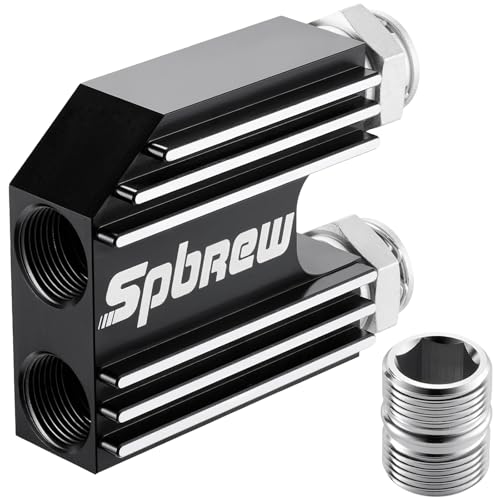
“Installed a TBV delete and external cooler on my 2016 Tahoe before a cross-country tow. Trans temp dropped from 210 to 170. Best mod I’ve done.” via r/MechanicAdvice
Diagnosing and Addressing Failures
Transmission Fluid Checks and Maintenance
Check your fluid with the engine running and the transmission at operating temperature (around 185°F). Healthy Dexron VI should be translucent red with no burnt smell. Dark, brown, or gritty fluid demands immediate attention. On the 10L80, GM made the dipstick access less convenient, you may need to check fluid level through the scan tool’s transmission data PIDs.
Diagnostics and Warning Code Analysis
A quality scan tool is essential. Free code readers give you generic P0700 flags, but you need enhanced GM diagnostics to see solenoid performance data, pressure readings, and adaptive shift tables. Software like Mitchell 1 ProDemand provides OEM-level repair procedures and TSB lookups that can save hours of diagnostic guesswork.
Here’s a quick comparison of common codes across Tahoe transmission platforms:
| Code | 4L60E | 6L80 | 10L80 |
|---|---|---|---|
| P0741 (TCC Stuck Off) | Very Common | Common | Rare |
| P0700 (Generic TCM Fault) | Common | Common | Common |
| P0751 (1-2 Shift Solenoid) | Common | N/A | N/A |
| P0776 (Pressure Control B) | N/A | Common | Less Common |
| P0796 (Pressure Control C) | N/A | Less Common | Common |
When to Repair, Rebuild, or Replace
Not every transmission problem requires a rebuild. Here’s a rough decision framework:
- Repair: Solenoid replacement, valve body service, or fluid flush when caught early.
- Rebuild: Internal hard part damage (cracked pistons, burnt clutch packs) with otherwise sound case and planetaries.
- Replace: Catastrophic failure with metal contamination throughout, or when a quality reman unit offers better warranty coverage.
The cost of a Chevy Tahoe transmission rebuild vs replacement varies significantly, but a rebuild on a 6L80 often runs less than a remanufactured unit while giving you control over upgraded parts.
Selecting a Qualified Transmission Shop
Look for ATRA (Automatic Transmission Rebuilders Association) member shops. Ask specifically about their experience with your transmission platform. A shop that rebuilds ten 6L80s a month will catch issues a general mechanic might miss. Always request a written warranty of at least 12 months/12,000 miles.
Preventing Recurring Transmission Issues
Routine Maintenance and Service Schedules
GM’s “Severe Use” maintenance schedule calls for transmission fluid changes every 45,000 miles. If you tow, drive in stop-and-go traffic, or live in extreme climates, consider 30,000-mile intervals. A pan drop and filter replacement is far cheaper than ignoring maintenance until the trans fails.
Upgrading Fluids and Cooling Components
For 6L80 owners experiencing shudder, switching to Mobil 1 Synthetic LV ATF HP has proven effective. Adding an auxiliary transmission cooler with a thermal bypass valve upgrade for Tahoe transmissions keeps fluid temps stable during heavy loads. These two upgrades alone address the most common AFM/DFM impact on transmission longevity by ensuring consistent fluid quality and temperature.
Model-Specific Considerations and Recalls
GM has released several recalls and TSBs affecting Tahoe transmissions. The 2024–2026 model years with the 10L80 have received updated transmission calibrations addressing gear hunting and harsh low-speed shifts. Always check the NHTSA Recalls & TSBs page for your specific VIN before approving any major work, your fix might already be covered.
Data Insights & Analysis
According to NHTSA complaint data, transmission-related complaints for the 2015–2019 Chevrolet Tahoe represent roughly 18% of all powertrain complaints filed for those model years, with the 6L80 shudder and harsh shifting being the most cited symptoms. The 2019+ 10L80 platform has seen a 35% reduction in transmission complaints per unit sold compared to the outgoing 6L80, largely attributed to improved calibration updates and better fluid specifications.
Expert Note: The 6L80's torque converter shudder isn't primarily a converter problem, it's a fluid chemistry problem. The TCC apply clutch relies on a precise friction coefficient from the ATF. When that fluid oxidizes or loses its friction modifier package (typically around 50,000–70,000 miles under towing loads), the clutch can't maintain smooth engagement. This is why a fluid swap sometimes fixes shudder temporarily: you're restoring the friction modifier, not fixing the root wear. If the converter lining has already shed material into the system, a fluid change alone won't hold.
Frequently Asked Questions
What are the most common Chevy Tahoe transmission problems?
The most common Chevy Tahoe transmission problems include torque converter clutch (TCC) shudder, hard shifting from 1st to 2nd gear, delayed engagement, slipping in 3rd and 4th gears, and 10L80 adaptive learning glitches. These issues stem from fluid degradation, overheating, faulty solenoids, and worn clutch packs across different model generations.
How do I know if my Chevy Tahoe transmission is slipping?
Transmission slipping feels like a brief loss of power where your engine revs climb but the truck barely accelerates. In 4L60E models, slipping typically occurs during the 3-4 shift. In 6L80 units, slipping between 3rd and 5th gears often indicates a cracked 1-2-3-4 piston, a common failure in 2015-2019 models.
What causes Chevy Tahoe transmission shudder?
Torque converter clutch (TCC) shudder, commonly reported in 6L80 models, is primarily caused by transmission fluid degradation and loss of friction modifiers, typically around 50,000-70,000 miles under towing. GM issued Technical Service Bulletin 18-NA-355 recommending a fluid flush with Mobil 1 Synthetic LV ATF HP and a new torque converter in severe cases.
How often should I change my Chevy Tahoe transmission fluid?
GM’s ‘Severe Use’ maintenance schedule calls for transmission fluid changes every 45,000 miles. If you tow, drive in stop-and-go traffic, or live in extreme climates, consider 30,000-mile intervals. A pan drop and filter replacement is far cheaper than waiting until the transmission fails completely.
What transmission codes indicate a Chevy Tahoe transmission problem?
Common Chevy Tahoe transmission fault codes include P0700 (generic TCM malfunction), P0751 (1-2 shift solenoid stuck), P0776 (pressure control solenoid B), P0717 (input speed sensor), and P0741 (torque converter clutch stuck). Use a GM-compatible scanner to pull enhanced codes beyond basic OBD-II readings.
Should I repair, rebuild, or replace my Chevy Tahoe transmission?
Choose repair (solenoid replacement, fluid flush) for early-caught issues. Opt for rebuild if internal hard parts are damaged but the case is sound. Select replacement for catastrophic failure with metal contamination or when a remanufactured unit offers superior warranty coverage compared to rebuilding costs.
Sources:
- NHTSA Vehicle Complaints, Chevrolet Tahoe
- NHTSA Recalls and TSBs Lookup
- Reddit r/ChevyTahoe Community
- Reddit r/MechanicAdvice Community
- Mitchell 1 ProDemand Repair Information
Read More:
- Chevy Transmission Problems (How to Diagnose the Shudder, the Lock-Up)
- Chevy Silverado Transmission Problems (Diagnosing Shudder and Lockups)