
Your Dodge just slipped out of gear at a stoplight, and now you’re wondering if you need a full transmission replacement. That fear is more common than you think.
Dodge transmission problems range from minor software glitches and solenoid failures to serious mechanical breakdowns involving torque converters, valve bodies, and clutch packs. The most reported issues across the 8HP, 62TE, 68RFE, and older RFE-series transmissions include shuddering at highway speeds, delayed gear engagement, limp mode activation, and fluid contamination, many of which are fixable without a full unit replacement when caught early.
This guide walks you through every warning sign, the most failure-prone Dodge transmissions by model, and exactly when a repair makes more sense than a rebuild. Whether you drive a Ram 1500, Durango, Charger, or Grand Caravan, you’ll find actionable diagnostic steps below.
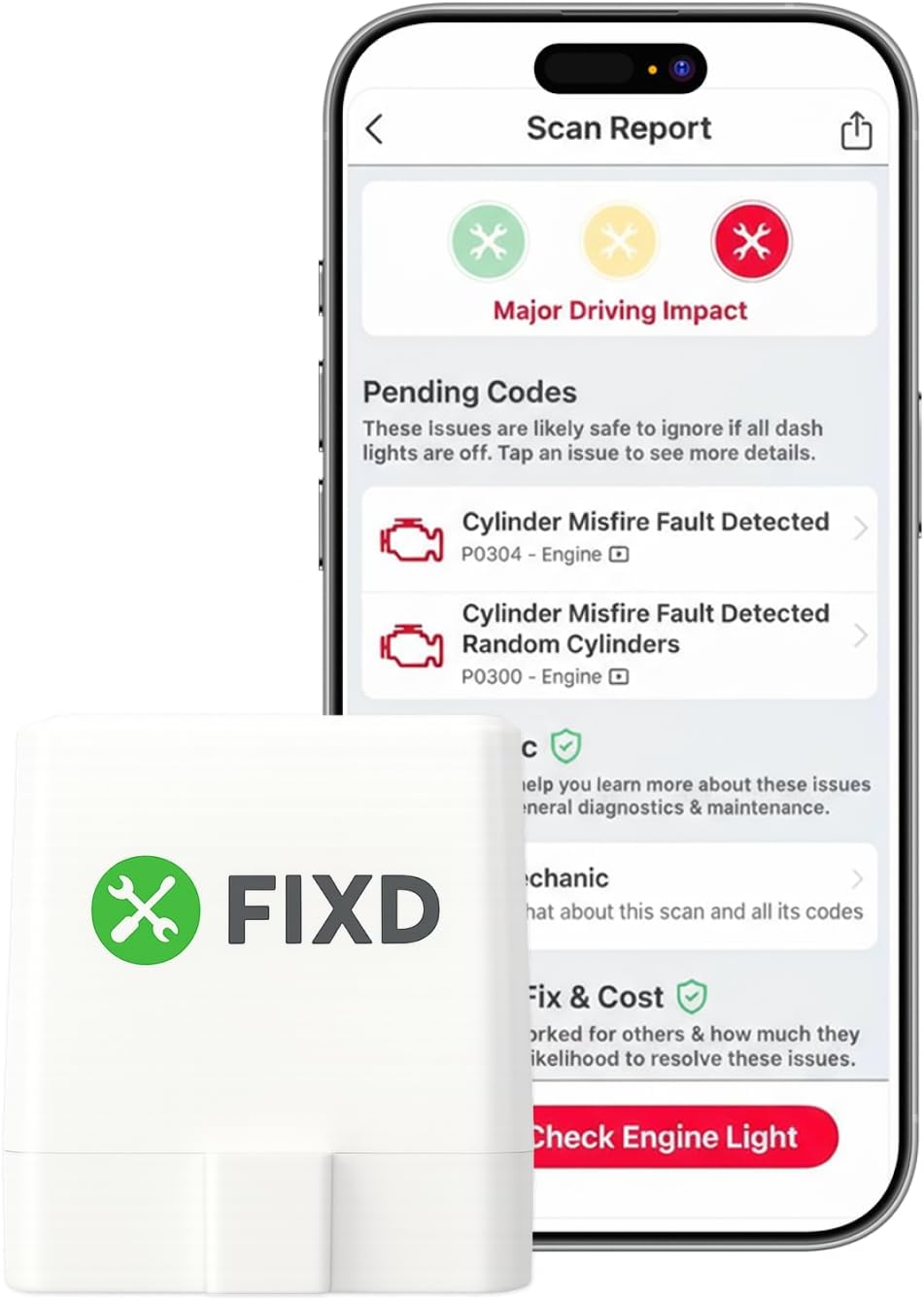
Best Bluetooth OBD2 Scanner
Detect 39,000+ Issues With Enhanced Codes. Save $1000s on car repairs & buying used vehicles by diagnosing problems yourself.
Shop on Amazon
Key Takeaways
- Early warning signs of Dodge transmission problems—such as slipping gears, delayed engagement, harsh shifts, and shuddering—are often fixable without full replacement when caught early through proper diagnostics and fluid maintenance.
- The ZF 8HP and 68RFE transmissions account for the majority of Dodge transmission complaints, with shuddering typically caused by torque converter clutch lining degradation and resolved through fluid exchanges using the correct ZF Lifeguard 8 fluid.
- Using the correct transmission fluid—ATF+4 for older RFE-series and 62TE transmissions, or ZF Lifeguard 8 for ZF 8HP models—is critical to preventing premature Dodge transmission failure and internal wear.
- Regular fluid changes every 30,000–60,000 miles (or half that interval for towing) prevent the majority of preventable Dodge transmission problems and extend component lifespan.
- A transmission rebuild addressing specific failed components like clutch packs, solenoids, or valve bodies makes sense over full replacement when damage is isolated and caught early.
- For Dodge trucks regularly towing, an auxiliary transmission cooler is essential since overheating accounts for roughly 90% of premature automatic transmission failures.
Dodge vehicles have earned a complicated reputation for transmission reliability. Some owners drive 200,000 miles without a hiccup. Others experience harsh shifts, shuddering, or a stuck-in-limp-mode nightmare before hitting 60,000 miles. The difference often comes down to maintenance habits, fluid type, and catching problems before they cascade.
The ZF 8HP (used in the Ram 1500, Charger, and Durango) and the 68RFE (Ram 2500/3500 heavy-duty workhorse) account for the bulk of complaints in 2025–2026 owner forums. But older units like the 545RFE and 62TE still plague used-car buyers. Understanding which symptoms point to a software reset versus a mechanical teardown can save you thousands.
Early Warning Signs and Symptoms
Slipping Gears and Delayed Engagement
Gear slipping is one of the first red flags. You press the accelerator and the engine revs climb, but the vehicle hesitates before moving. In Dodge trucks with the 68RFE, this often stems from worn clutch packs or low transmission fluid. On ZF 8HP-equipped vehicles, slipping between 3rd and 4th gear frequently points to a failing mechatronic unit rather than a hard-part failure.
Delayed engagement, where you shift from Park to Drive and wait two or three seconds before the transmission “catches”, usually signals low fluid pressure or a degraded valve body. Don’t ignore it. A delay that starts at one second can grow to five seconds within a few thousand miles.
Harsh, Erratic, and Delayed Shifting
Harsh downshifts in the ZF 8-speed are among the most common Dodge transmission complaints on forums like r/DodgeRam. Owners describe a “clunk” or “slam” when decelerating from highway speed. This rough downshift fix often involves resetting the transmission adaptive learning values through an OBD-II scanner or a dealer-level tool.
“My 2019 Ram would slam into 2nd gear every time I slowed down for a turn. Dealer reset the TCM and it drove like new for about 8 months before it came back.” via r/ram_trucks
Erratic shifting can also result from a failing shift solenoid. A P0750 shift solenoid malfunction code, for example, directly affects 1-2 shift quality and can throw your Dodge into limp mode.
Noises and Warning Lights
Whining, buzzing, or grinding noises during gear changes point to internal wear, often planetary gear damage or bearing failure. A check-engine light paired with a P0700 code means the Transmission Control Module has logged a fault. Don’t panic, but do read the sub-codes. A P0700 by itself only tells you “something’s wrong.” The specific sub-code (like P0740 for torque converter clutch circuit open) tells you what.
The “Shift to Park” error has become increasingly common in 2024–2026 Dodge models with electronic rotary shifters. This issue often traces back to a faulty shifter position sensor rather than the transmission itself.
Shuddering and Transmission Overheating
ZF 8HP transmission shudder typically occurs between 35–50 mph and feels like driving over rumble strips. This is often caused by torque converter clutch (TCC) material degradation contaminating the fluid. A fluid flush using the correct ZF Lifeguard 8 fluid resolves many cases.
Transmission overheating during towing is a serious concern for Ram owners. When fluid temps exceed 270°F, the transmission enters limp mode and locks into 4th gear. Aftermarket transmission coolers are a proven solution for trucks that regularly tow near their rated capacity.
Most Common Dodge Transmission Failures
Fluid Leaks and Transmission Fluid Issues
Fluid leaks rank as the number-one preventable cause of Dodge transmission failure. Common leak points include the output shaft seal, pan gasket, and cooler line fittings. If you spot red or brown fluid under your vehicle, check the level immediately.
Using the wrong fluid accelerates internal wear. Dodge’s older RFE transmissions require ATF+4. The ZF 8HP demands ZF Lifeguard 8. Mixing these fluids, or substituting generic Dexron, can destroy friction surfaces within 20,000 miles.
| Fluid Type | Application | Key Property |
|---|---|---|
| ATF+4 | 545RFE, 68RFE, 62TE | Synthetic, friction-modified for Chrysler clutch packs |
| ZF Lifeguard 8 | ZF 8HP45, 8HP70, 8HP75 | Low-viscosity, optimized for ZF mechatronic seals |
| Generic Dexron III/VI | Not recommended | Wrong friction coefficient for Mopar internals |
For DIY fluid changes, the Valvoline ATF+4 Full Synthetic is a reliable and widely available option.

Valve Body and Control Module Failures
The valve body directs hydraulic pressure to engage specific gears. In the 68RFE, valve body wear causes erratic 3-4 shifts and can trigger P0750 or P0760 solenoid codes. Replacing the valve body assembly often resolves these codes without a full rebuild.
TCM failures are less common but more expensive. Symptoms include “ghost shifts” where the transmission changes gear without driver input, particularly in vehicles with electronic rotary shifter issues. A TCM reflash or replacement typically requires dealer-level software.
For reading and clearing transmission codes at home, a scan tool like the FIXD OBD2 Scanner gives you real-time transmission temperature monitoring and code definitions specific to Dodge P0700-series faults.
Torque Converter and Clutch Pack Problems
Symptoms of a failing Dodge torque converter clutch include shuddering at light throttle, a noticeable RPM flare between shifts, and poor fuel economy. When the TCC lining disintegrates, it sends debris throughout the transmission. A P0740 torque converter clutch circuit open code confirms an electrical or mechanical TCC failure.
Broken snap rings in Dodge transmissions, especially the 68RFE overdrive snap ring, can cause catastrophic output shaft failure. This is a known design weakness that aftermarket companies have addressed with upgraded billet snap rings.
Overheating and Complete Transmission Failure
Overheating accounts for roughly 90% of premature automatic transmission failures across all brands, according to the Automatic Transmission Rebuilders Association. For Dodge trucks used for towing, an auxiliary transmission cooler is essential, not optional.
Complete failure usually follows months of ignored warnings: slipping, overheating cycles, and contaminated fluid. By the time metal shavings appear on the transmission pan magnet, internal damage is extensive.
Notorious Dodge Transmissions and Model-Specific Issues
545RFE, 46RE, 47RE, and 48RE Common Problems
These older Chrysler transmissions powered Ram trucks and Dakotas through the early 2000s. The 46RE and 47RE are known for governor pressure sensor failures, which cause erratic shift points and harsh 1-2 engagement. The 48RE (used in Cummins-equipped Rams) suffers from overdrive clutch burnout under heavy towing loads.
The 545RFE improved on earlier designs but still struggles with valve body solenoid pack degradation after 100,000 miles.
68RFE, 845RE, and 8HP70 Reliability Concerns
The 68RFE remains the most discussed Dodge transmission on enthusiast forums. Troubleshooting 68RFE transmission slipping almost always starts with checking for the infamous snap ring failure and inspecting the overdrive section. Aftermarket valve body kits from companies like BD Diesel have become a popular upgrade for owners who tow frequently.
The 845RE (a Chrysler-branded version of the ZF 8HP) and the 8HP70 power most modern Ram 1500s. Their primary complaints center on shudder and rough downshifts, issues that ZF has addressed through updated torque converter designs and revised TCM calibrations in 2025–2026 production vehicles.
“Had the shudder at 42k miles on my ’22 Ram. Dealer did a full fluid swap with ZF Lifeguard and a TCM reset. Fixed it completely.” via r/ram_trucks
Dodge Ram and Other Affected Models
Ram 1500 (2013–2026) owners report the highest volume of ZF 8-speed complaints. The Dodge Durango shares the same transmission and experiences similar shudder issues. Grand Caravan and Town & Country models with the 62TE suffer from solenoid pack failures and premature torque converter lockup problems.
- Ram 1500: ZF 8HP shudder, rough downshifts, TCC failure
- Ram 2500/3500: 68RFE snap ring failure, overheating while towing
- Durango: Shared ZF 8HP issues, electronic shifter glitches
- Grand Caravan: 62TE solenoid pack failure, delayed engagement
- Charger/Challenger: ZF 8HP harsh shifts under sport driving
Diagnostic, Repair, and Maintenance Strategies
Checking and Changing Transmission Fluid
Start every diagnosis by checking fluid level, color, and smell. Healthy ATF+4 is bright red and has a slightly sweet odor. Dark brown or burnt-smelling fluid indicates overheating and internal wear. Many ZF 8HP-equipped Dodges lack a traditional dipstick, you’ll need to check fluid level through a fill plug with the transmission at operating temperature (around 95–113°F).
A drain-and-fill replaces about 40% of the fluid. A full flush exchanges nearly all of it. For the ZF 8HP, ZF recommends a full fluid and filter service every 60,000 miles, even though some dealers calling it a “lifetime fill.”
Regular Preventive Maintenance
Fluid changes every 30,000–60,000 miles prevent the majority of Dodge transmission problems. For towing applications, cut that interval in half. Also inspect the transmission cooler lines annually for corrosion, especially in northern climates where road salt accelerates deterioration.
Resetting adaptive learning values after a fluid change helps the TCM recalibrate shift points to the fresh fluid’s friction characteristics. You can perform this reset with most professional-grade OBD-II scanners or through a battery disconnect procedure (though results vary by model year).
Transmission Rebuilds and Replacements
A rebuild addresses specific failed components, clutch packs, bands, seals, and the valve body, while reusing the case and undamaged hard parts. A replacement swaps the entire unit for a remanufactured or new assembly. Rebuilds make sense when damage is isolated. Replacement is the better path when metal contamination has spread throughout the system.
When to See a Transmission Specialist
Visit a specialist when you encounter any P0700-series code that doesn’t clear after a fluid service, when your Dodge gets stuck in limp mode repeatedly, or when you find metal debris in the pan. Independent transmission shops often provide more thorough diagnostics than general-repair dealers, and they’ll tell you honestly whether a solenoid swap can fix your problem or if you’re looking at a full rebuild.
Data Insights and Analysis
According to data from the National Highway Traffic Safety Administration (NHTSA), transmission-related complaints for Dodge/Ram vehicles increased by approximately 18% between 2023 and 2025, with the ZF 8HP and 68RFE accounting for the largest share of reported issues.
CarComplaints.com reports that the 2014–2019 Ram 1500 model years generate the highest concentration of ZF 8-speed transmission complaints, with shuddering and harsh shifting as the top two reported symptoms.
Expert Note: "The ZF 8HP shudder isn't caused by a mechanical gear defect, it's driven by torque converter clutch lining material degrading and contaminating the fluid. This changes the friction coefficient at the TCC apply surface, creating micro-slip oscillations that the driver feels as a shudder. A complete fluid exchange with the correct ZF Lifeguard 8 restores the proper friction interface in roughly 70% of cases without requiring a converter replacement."
Frequently Asked Questions
What are the most common Dodge transmission problems?
The most common Dodge transmission issues include slipping gears, delayed engagement, harsh downshifts, shuddering between 35–50 mph, limp mode activation, and fluid leaks. These problems affect models like the Ram 1500, 68RFE, and ZF 8HP transmissions and range from fixable software glitches to serious mechanical failures.
What causes Dodge transmission shudder at highway speeds?
Torque converter clutch lining degradation is the primary cause of Dodge transmission shudder. When the lining material breaks down, it contaminates the fluid, changing friction characteristics and creating micro-slip oscillations felt as vibrations, typically between 35–50 mph. A fluid flush with the correct ZF Lifeguard 8 resolves most cases.
Should I use ATF+4 or ZF Lifeguard 8 in my Dodge transmission?
The correct fluid depends on your transmission type. Older RFE-series and 62TE transmissions require ATF+4, while ZF 8HP transmissions demand ZF Lifeguard 8. Using the wrong fluid voids warranties and accelerates internal wear. Never mix these fluids or substitute generic Dexron.
How often should I change my Dodge transmission fluid?
The ZF 8HP recommends a full fluid and filter service every 60,000 miles, though some dealers call it a ‘lifetime fill.’ For towing applications, cut the interval in half to 30,000 miles. Regular fluid changes prevent the majority of Dodge transmission problems before they escalate.
Is a Dodge transmission rebuild worth it compared to replacement?
A rebuild makes sense when damage is isolated to clutch packs, solenoids, or the valve body, as it costs less and reuses undamaged hard parts. However, if metal contamination has spread throughout the system, a remanufactured replacement is more reliable and provides better long-term peace of mind.
What does a P0700 transmission code mean on my Dodge?
A P0700 code indicates the Transmission Control Module has logged a fault, but it’s a generic alert. You must read the specific sub-codes (like P0740 for torque converter clutch circuit open or P0750 for shift solenoid malfunction) to determine the exact problem and appropriate repair strategy.
Read More:
- Car Navigation Not Working (Fixes GPS Signal Loss and System Freezes)
- Ford Navigation Not Working (Reasons and How to Fix It)
- Toyota Navigation Not Working (Fixes for GPS, Cloud Nav, and Frozen Screens)
- Tesla Model 3 Navigation Not Working (Fixes for GPS Drift, and Frozen Maps)
- Uconnect Navigation Not Working (Fixes for GPS Loss, and Frozen Maps)
- Google Maps Voice Navigation Not Working (Fixes for Muted Audio)