This post contains affiliate links. Purchases may earn me a commission at no extra cost to you.
If your Dodge Caravan shudders, slips, or locks into second gear, you’re not alone. The 62TE six-speed automatic has well-documented weak points that plague 5th-generation Grand Caravans.
The most common Dodge Caravan transmission problems include 62TE torque converter clutch shudder, solenoid pack failures triggering P0750 and P0700 codes, transmission slipping from worn underdrive pistons, and limp mode activation that locks the van in 2nd or 3rd gear. Many of these failures stem from degraded ATF+4 fluid, corroded wiring harnesses, or worn compounder gear set components. The good news: a significant number of these issues respond to targeted repairs, like a solenoid pack swap or TCM re-flash, rather than a full transmission replacement.
This guide walks you through every major failure mode, the warning signs you’ll notice first, root causes, and the exact diagnostic and repair steps to fix Dodge Caravan transmission problems in 2026.
Dodge Caravan transmission problems in the 62TE six-speed automatic stem primarily from worn clutch packs, solenoid failures, and degraded ATF+4 fluid, but many issues can be fixed with targeted repairs like solenoid swaps instead of full rebuilds.
The most common warning signs of Dodge Caravan transmission failure are shuddering between 35–50 mph, transmission slipping during gear shifts, limp mode lockup in 2nd or 3rd gear, and burning-smelling fluid that appears brown or dark instead of deep red.
Using Mopar ATF+4 fluid exclusively and performing drain-and-fill maintenance every 30,000 miles is the single most important factor in preventing catastrophic transmission damage, with fluid quality directly determining whether a transmission lasts 80,000 or 200,000 miles.
P0700 and P0750 fault codes indicate transmission control module or solenoid issues, but require transmission-specific scan tools and diagnostic procedures like fluid pressure testing to pinpoint whether the problem is electrical, mechanical, or fluid-related.
Installing an auxiliary transmission cooler significantly extends transmission lifespan, especially for vehicles that tow, haul heavy loads, or operate in stop-and-go traffic, as thermal cycling is the primary driver of clutch and fluid degradation.
High-mileage Dodge Grand Caravans in salt-heavy regions experience accelerated TCM connector corrosion, making regular inspection of external wiring harness connections and TCM pins a critical preventive maintenance step for vehicles over 100,000 miles.
Primary Transmission Issues in Dodge Caravan
The 62TE transmission used in 2008–2020 Dodge Grand Caravans suffers from a handful of recurring mechanical failures. Understanding which problem you’re dealing with saves you from unnecessary teardowns.
Transmission Slipping and Delayed Engagement
Transmission slipping is one of the earliest symptoms of a failing Dodge Caravan solenoid pack or worn clutch packs. You’ll feel the engine rev without a corresponding increase in speed, especially during 2-3 or 3-4 upshifts. Delayed engagement, where you shift into Drive and wait two or three seconds before the van moves, often points to low line pressure from a failing transmission pump or degraded ATF+4 fluid.
The 62TE’s underdrive clutch assembly is a known weak point. Symptoms of a broken underdrive piston in a Dodge Caravan include harsh 1-2 shifts followed by slipping under moderate throttle. If you catch this early, a clutch pack replacement inside the unit can save the transmission. Wait too long, and metal debris contaminates the valve body beyond repair.
Rough and Hard Shifting Symptoms
Hard shifting typically points to either a transmission control module (TCM) issue or contaminated fluid causing valve body sticking. The 62TE uses an external TCM mounted on the transmission case, and it’s vulnerable to moisture intrusion, particularly in high-mileage 5th-generation vans where harness corrosion is rampant.
If your Dodge Caravan transmission produces a whining noise during acceleration paired with harsh shifts, suspect the pump or torque converter. The 62TE torque converter clutch shudder, felt as a vibration between 35 and 50 mph, is so common that Chrysler issued multiple Technical Service Bulletins addressing it. Clearing Dodge Caravan transmission adaptive memory via a TCM reset can temporarily smooth shifts, but it won’t fix mechanical wear.
Transmission Fluid Leaks and Fluid Loss
Fluid leaks on the 62TE occur most frequently at the cooler line fittings, the pan gasket, and the axle seals. Even a small leak matters enormously here because the 62TE is sensitive to fluid level, running even half a quart low accelerates clutch wear and overheating.
Always use ATF+4 fluid exclusively. Using generic Dexron or Mercon causes seal swelling, erratic shift quality, and accelerated torque converter clutch wear. Replacing Dodge Caravan transmission fluid with ATF+4 only is not optional, it’s the single most important maintenance rule for this transmission.
Key Warning Signs and Common Causes
Catching problems early is the difference between a solenoid swap and a full rebuild. Here’s what to watch for.
Dashboard Warnings and Unusual Noises
A P0700 transmission control system fault code is the 62TE’s general “something’s wrong” alert. It’s a gateway code, it tells you the TCM has stored a more specific fault, like P0750 shift solenoid A malfunction. You need a scan tool that reads transmission-specific codes (not just engine codes) to get the full picture.
A Dodge Caravan transmission whining noise during acceleration often originates from the pump assembly or worn planetary bearings. If the whine changes pitch with vehicle speed rather than engine RPM, the problem is inside the transmission. If it tracks engine RPM in Park, look at the torque converter or pump.
“My 2012 Grand Caravan started with a slight whine at 60k miles. By 85k it was slamming into 3rd and throwing P0750. Turned out to be the solenoid pack AND the valve body.” via r/MechanicAdvice
Burning Smell and Fluid Discoloration
Healthy ATF+4 is a deep red color. If your fluid looks brown or smells burnt, internal clutch material is breaking down. Pull the dipstick (or check via the fill plug on later models) and rub the fluid between your fingers. Gritty texture means hard parts are shedding metal, a sign of common failures in the Dodge Caravan compounder gear set or planetary assembly.
Overheating is the 62TE’s biggest enemy. Installing an auxiliary transmission cooler on your Dodge Grand Caravan is one of the best preventive upgrades you can make, especially if you tow or drive in stop-and-go traffic regularly.
Difficulty or Failure to Shift Gears
When your Dodge Caravan transmission gets stuck in limp mode (2nd gear), the TCM has detected a critical fault and locked the transmission into a “safe” gear to prevent further damage. Common triggers include solenoid electrical faults, low fluid pressure, and internal speed sensor failures.
The difference between 41TE and 62TE transmission problems matters here. The older 41TE (4-speed) suffered from different failure patterns, mainly governor pressure sensor issues. The 62TE’s six-speed design adds the compounder gear set and a more complex solenoid pack, creating entirely different failure modes.
Factors Leading to Transmission Malfunctions
Most 62TE failures aren’t random, they follow predictable patterns tied to specific components and maintenance habits.
Worn Internal Components and Clutches
The 62TE’s underdrive and overdrive clutch packs bear the brunt of daily driving. These friction surfaces degrade faster when fluid isn’t changed on schedule. The compounder gear set, a unique planetary assembly that gives the 62TE its six forward ratios, develops play over time. When it fails, you’ll hear a rattle at idle that disappears under load, followed by eventual gear slipping.
In 2026, remanufactured 62TE units with “Monster” upgraded clutch packs and reinforced compounder assemblies are widely available. These rebuilt units address the factory weak points directly.
Transmission Control Module and Electrical Failures
The externally-mounted TCM on the 62TE is exposed to road spray, salt, and vibration. Corrosion at the connector pins causes intermittent codes, P0750, P0700, and erratic shifting that comes and goes. On high-mileage 5th-generation vans, the internal wiring harness inside the transmission also degrades, creating phantom solenoid faults.
How to reset a Dodge Caravan transmission control module: disconnect the battery for 30 minutes, reconnect, and drive through a re-learn cycle (gentle acceleration through all gears). But understand that a reset only clears adaptive memory, it doesn’t fix hardware failures. If codes return within 50 miles, you need deeper diagnosis.
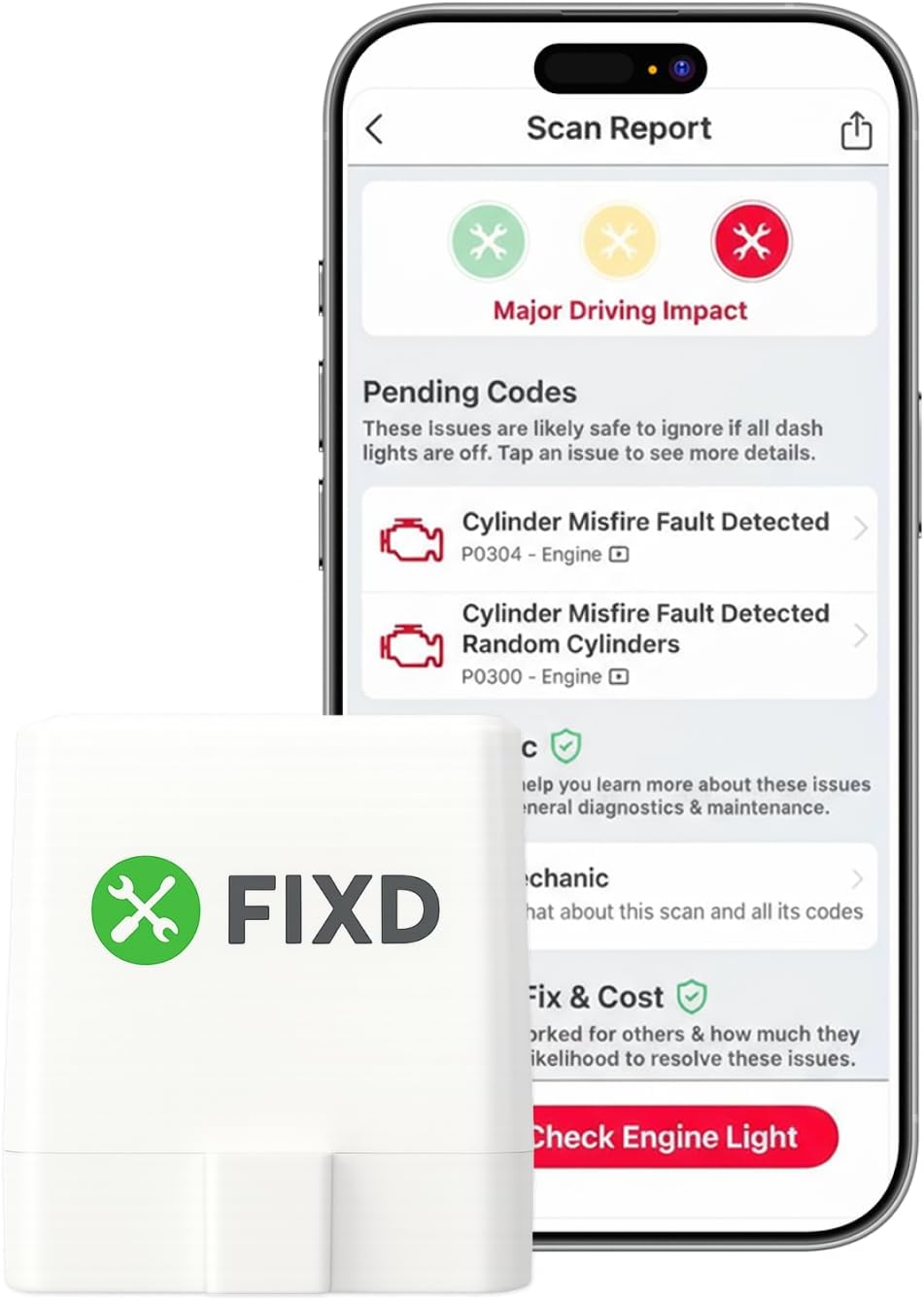
For scanning and monitoring your TCM, the OBDLink MX+ scan tool reads transmission-specific codes and live data that generic readers miss.
OBDLink MX+ OBD2 Bluetooth Scanner for iPhone, Android, and Windows
The single biggest factor in 62TE longevity is fluid maintenance. Chrysler’s original “lifetime fluid” recommendation was disastrous, no transmission fluid lasts 150,000+ miles. Every 30,000 miles, perform a drain-and-fill (not a flush) with Mopar ATF+4.
“Changed my trans fluid at 60k, 90k, and 120k with ATF+4. My 2014 Grand Caravan has 187,000 miles and still shifts clean. My neighbor’s identical van needed a rebuild at 95k because he never touched the fluid.” via r/Dodge
Issue
41TE (4-Speed)
62TE (6-Speed)
Most Common Failure
Governor pressure sensor
Solenoid pack / underdrive clutch
Limp Mode Gear
2nd gear
2nd or 3rd gear
Fluid Requirement
ATF+4
ATF+4
Compounder Gear Set
Not present
Present (unique failure point)
TCM Location
Internal (valve body)
External (on case)
Typical Failure Mileage
80k–120k
70k–110k
Diagnosis, Solutions, and Prevention
Troubleshooting your Dodge Caravan 6-speed automatic transmission follows a logical hierarchy: fluid first, electrical second, mechanical last.
How to Check and Replace Transmission Fluid
Start every diagnosis by checking fluid level and condition. On 2008–2020 Grand Caravans, you’ll find a dipstick on most models (some later years use a fill plug instead). With the engine running in Park at operating temperature, pull the dipstick and check:
Color: Deep red = good. Brown = due for change. Dark brown/black = internal damage likely.
Smell: Sweet or neutral = normal. Burnt = clutch material degradation.
Texture: Smooth = good. Gritty = hard part failure, do NOT just change fluid.
Level: Must be in the crosshatch zone. Low level causes pump cavitation and erratic shifts.
For a drain-and-fill, drop the pan, replace the filter, and refill with approximately 5 quarts of Mopar ATF+4 transmission fluid. Never substitute generic fluid.
When to Seek Professional Repairs
If your scan tool shows P0750 shift solenoid A malfunction and the code returns after a solenoid pack replacement, suspect the valve body or internal harness. Fluid pressure testing, which requires a dedicated gauge set tapped into the diagnostic ports on the case, will confirm whether the pump is delivering adequate line pressure. Low pressure across all ranges means the pump is failing: low pressure in specific gears points to a worn clutch pack or stuck valve.
TCM re-flashing with the latest Stellantis software calibration can resolve shift quality complaints that aren’t caused by mechanical wear. Any Chrysler/Dodge dealer can perform this update. It’s especially important if your TCM has never been reflashed since the van left the factory.
Preventive Maintenance and Best Practices
Follow this schedule to maximize 62TE life:
Every 30,000 miles: Drain-and-fill with ATF+4, replace the transmission filter.
Every 60,000 miles: Inspect cooler lines for corrosion, check TCM connector pins for green oxidation.
At installation or 80,000 miles: Add an auxiliary transmission cooler if you tow, haul heavy loads, or live in a hot climate.
Annually: Clear adaptive memory and allow a fresh re-learn cycle to account for clutch wear.
Data Insights and Analysis
According to owner complaint data compiled through 2025–2026, the 2012 and 2013 Dodge Grand Caravan model years account for the highest volume of 62TE transmission failure reports, with solenoid pack and torque converter issues representing roughly 60% of all complaints. The 2016+ model years show fewer catastrophic failures, likely due to revised TCM calibrations and updated solenoid designs.
High-mileage vans in northern U.S. states and Canada show a significantly higher rate of TCM connector corrosion due to road salt exposure, some repair shops report seeing this on nearly every van over 100,000 miles in those regions.
Expert Note: "The 62TE doesn't fail because of a single design flaw, it fails because of thermal cycling. Every time the torque converter clutch locks and unlocks, it generates heat spikes in the fluid. Without an auxiliary cooler and regular fluid changes, those thermal cycles degrade the ATF+4 additives until the fluid can no longer protect the clutch surfaces. That's why the same transmission lasts 200,000 miles in one van and 80,000 in another, it's almost entirely about fluid health."
Frequently Asked Questions
What are the most common Dodge Caravan transmission problems with the 62TE?
The 62TE six-speed automatic experiences torque converter clutch shudder, solenoid pack failures (P0750/P0700 codes), transmission slipping from worn clutches, and limp mode lockup in 2nd or 3rd gear. Most stem from degraded ATF+4 fluid, corroded wiring, or worn compounder gear sets. Many issues can be fixed with solenoid replacement or TCM reflashing instead of full rebuilds.
How often should I change Dodge Caravan transmission fluid?
Perform a drain-and-fill every 30,000 miles using only Mopar ATF+4 fluid. Never substitute generic Dexron or Mercon, as these cause seal swelling and accelerated wear. Regular fluid changes are the single most important maintenance rule for the 62TE—vans with proper service reach 180,000+ miles, while neglected ones fail by 95,000 miles.
What does the P0750 code mean on a Dodge Caravan?
P0750 indicates a shift solenoid A malfunction, typically triggered by solenoid pack electrical faults, low transmission pressure, or internal speed sensor failures. It’s often paired with the P0700 general transmission control system fault code. Diagnosis requires transmission-specific scan tools and pressure testing to determine if the issue is electrical or mechanical.
Why does my Dodge Caravan transmission feel like it’s slipping or delayed engaging?
Transmission slipping occurs from failing solenoid packs, worn underdrive clutch packs, or low line pressure from a degraded pump. Delayed engagement—waiting 2-3 seconds after shifting into Drive—suggests low fluid level or poor ATF+4 condition. Early detection of underdrive piston failure allows clutch pack replacement; delayed treatment causes metal contamination requiring full rebuild.
Is an auxiliary transmission cooler worth installing on a Dodge Grand Caravan?
Yes, especially if you tow, haul, or drive in hot climates. Overheating is the 62TE’s biggest enemy—thermal cycling degrades ATF+4 additives until fluid cannot protect clutch surfaces. An auxiliary cooler significantly extends transmission life and is one of the best preventive upgrades for high-mileage vans over 80,000 miles.
Can I fix Dodge Caravan transmission problems without a full rebuild?
Often yes. Many failures respond to targeted repairs: solenoid pack swaps for electrical faults, fluid and filter changes for pressure issues, TCM reflashing for shift quality complaints, or clutch pack replacement for internal wear. Fluid pressure testing and transmission-specific diagnostics determine whether mechanical damage requires rebuild or repair suffices.
Disclaimer: This content is provided for educational and informational purposes only. Equipment symptoms, repairs, and diagnostic procedures may vary by make, model, year, and condition. Always consult a qualified technician, your equipment’s service manual, and verified manufacturer recalls or service bulletins before performing repairs. GearFixes.com assumes no liability for damages resulting from the use of information on this site.