
Your Dodge Journey’s transmission is acting up, shuddering, hunting for gears, or stuck in second. You’re not alone, and you’re not necessarily facing a full rebuild.
Dodge Journey transmission problems most commonly stem from 62TE solenoid pack failures, worn “Compounder” gear sets in V6 models, torque converter clutch degradation, and thermal management breakdowns in the 4-speed 41TE paired with 2.4L engines. These issues trigger limp mode (P0750/P0700), hard shifting, and transmission slipping, often fixable with targeted solenoid replacement, ATF+4 fluid service, or a TCM reset before a full transmission replacement becomes necessary.
This guide walks you through every major failure point, diagnostic step, and repair decision so you can distinguish a $200 solenoid fix from a transmission replacement scenario.
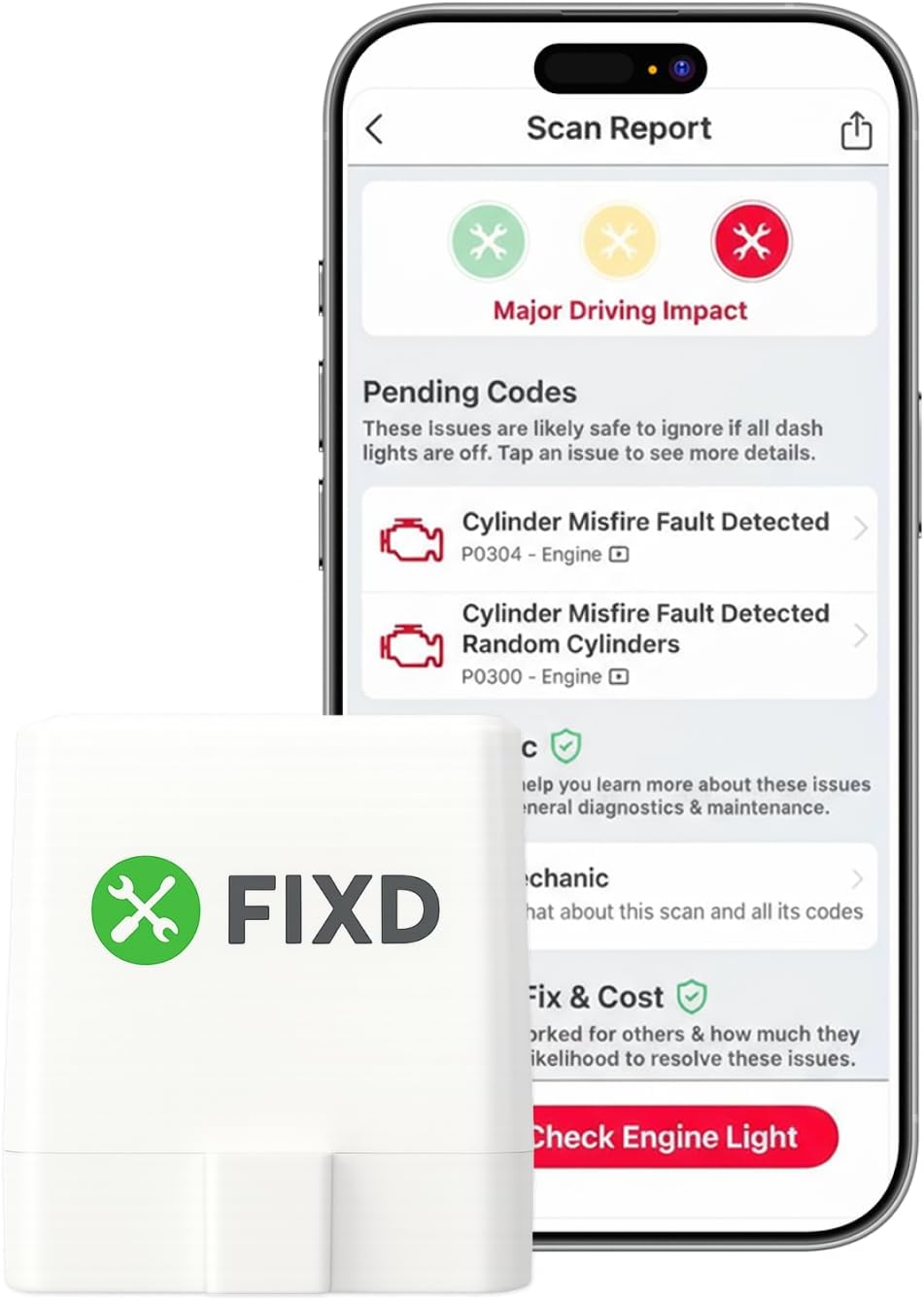
Best Bluetooth OBD2 Scanner
Detect 39,000+ Issues With Enhanced Codes. Save $1000s on car repairs & buying used vehicles by diagnosing problems yourself.
Shop on Amazon
Key Takeaways
- Dodge Journey transmission problems typically stem from solenoid pack failures, worn gear sets, and torque converter issues—often fixable with fluid service or solenoid replacement before considering a full rebuild.
- Using only Mopar ATF+4 fluid and changing it every 60,000 miles (or 30,000 if towing) is the single most effective preventive measure against Dodge Journey transmission failure.
- Common warning signs include delayed engagement, hard shifting, transmission slipping, limp mode activation, and overheating—each pointing to specific failures that require proper OBD-II diagnostics to confirm.
- The 62TE (V6) and 41TE (I4) transmissions have distinct failure patterns; knowing your transmission type and pulling the pan to inspect for metal debris helps distinguish between minor repairs and major rebuilds.
- DIY jobs like fluid changes, solenoid replacement, and speed sensor swaps can save thousands, but internal work like Compounder gear repair and clutch pack service require professional transmission shops with proper equipment.
The Dodge Journey ran from 2009 to 2020, and its transmission platform has become one of the most discussed weak points in budget family vehicles. The 6-speed 62TE automatic (paired with the 3.6L Pentastar V6) and the 4-speed 41TE (paired with the 2.4L I4) each bring distinct failure patterns.
Whether you’re diagnosing a shudder at 40 mph, a whining noise on acceleration, or a dashboard lit up like a Christmas tree, understanding which transmission you have, and what typically fails, saves you from unnecessary repairs. Let’s get into the specifics.
Most Common Transmission Problems and Warning Signs
Delayed Engagement and Hard Shifting
Delayed engagement, where you shift into Drive and wait 2–3 seconds before the car moves, is one of the earliest signs of trouble. Hard shifting from 1st to 2nd is especially common in 62TE-equipped models. This often points to a worn solenoid pack or degraded ATF+4 fluid that’s lost its friction modifier properties.
If you feel a harsh “clunk” between gears, don’t ignore it. That impact multiplies wear on clutch packs and bands every time it happens.
Transmission Slipping and No Reverse
Slipping feels like the engine revs but the vehicle barely accelerates. In 62TE units, this frequently traces back to the Compounder gear set, a planetary assembly unique to this transmission. When Compounder gear teeth wear or the associated clutch packs burn, you’ll lose power transfer in specific gear ranges.
Loss of reverse is a more severe symptom. It typically indicates internal clutch pack failure or a broken low/reverse reaction plate. At that point, the transmission needs to come out.
“My 2012 Journey V6 started slipping in 3rd and lost reverse the same week. Shop found the Compounder assembly was toast. 98k miles.” via r/MechanicAdvice
Transmission Overheating and Fluid Leaks
The 41TE in 2.4L models is notorious for overheating in stop-and-go traffic. These transmissions lack the cooling capacity of the 62TE and run hot under load. You’ll see the temperature warning light or experience a burnt smell from the dipstick area.
Fluid leaks commonly occur at the axle seals and cooler line fittings. Low transmission fluid starves the valve body and accelerates clutch wear. Check underneath your Journey regularly, transmission fluid is typically a deep red color when healthy.
Limp Mode and Warning Lights
Limp mode locks your Journey in 2nd gear to prevent further damage. The transmission stuck in limp mode usually throws P0750 (Shift Solenoid A Malfunction) or P0700 (Transmission Control System Malfunction). These codes can indicate electrical faults in the solenoid pack, a failing TCM, or even corroded wiring harness connectors.
Before assuming the worst, try clearing the adaptive learning memory with a quality OBD-II scanner. Sometimes a TCM reset resolves ghost codes caused by voltage spikes or battery issues.
Major Causes of Transmission Failure in Dodge Journey
Transmission Fluid and ATF+4 Concerns
The 62TE and 41TE both require Mopar ATF+4 synthetic transmission fluid, no substitutes. Using generic Dexron or Mercon fluid will damage friction modifiers and cause shudder within months. ATF+4 maintains its viscosity and friction characteristics across a wider temperature range.
Dodge recommended “lifetime” fluid in some owner’s manuals, but experienced technicians know better. Change your ATF+4 every 60,000 miles, or sooner if you tow or drive in heavy traffic. A Dodge Journey transmission fluid change with ATF+4 is one of the cheapest insurance policies against premature failure.

Torque Converter and Clutch Pack Issues
P0740 (Torque Converter Clutch Circuit Open) is a frequent code on high-mileage Journeys. The torque converter lockup clutch wears over time, creating a shudder between 35–50 mph that mimics an engine misfire. Many owners chase ignition problems for months before diagnosing the converter.
Clutch pack wear inside the transmission is cumulative. Aggressive driving, towing beyond the Journey’s modest capacity, and overheating all accelerate this wear.
Transmission Control Module and Shift Solenoid Failures
The TCM in the Dodge Journey manages shift timing, pressure, and torque converter lockup. A failing TCM sends erratic signals that cause gear hunting, the transmission cycling between gears at highway speed. Symptoms of a failing Dodge Journey solenoid pack include flared shifts, delayed engagement, and limp mode activation.
Solenoid packs are serviceable without pulling the transmission. They bolt to the valve body and can be accessed through the oil pan. This is a realistic DIY job for intermediate mechanics.
Sensor and Sealing Ring Land Defects
The input and output speed sensors feed critical data to the TCM. A failing transmission speed sensor causes erratic shifting and speedometer malfunctions. Replacement is straightforward, they thread into the case externally.
Sealing ring land wear on the input shaft is a known 62TE defect. Worn lands allow pressure loss between clutch circuits, causing soft or missed shifts. Unfortunately, this requires transmission disassembly to repair.
Identification, Diagnostics, and Transmission Types
Different Transmission Models by Year and Engine
| Feature | 62TE (6-Speed) | 41TE (4-Speed) |
|---|---|---|
| Engine Pairing | 3.6L Pentastar V6 | 2.4L I4 |
| Model Years | 2011–2020 | 2009–2020 |
| Common Failure | Compounder gear, solenoid pack | Overheating, clutch wear |
| Fluid Capacity | ~9.5 quarts (full) | ~8.7 quarts (full) |
| Cooler Line Size | 3/8″ | 5/16″ |
Knowing your transmission type is the first step. Check your VIN or the tag on the transmission case.
Using OBD-II Scanners and Diagnostic Codes
A generic OBD-II scanner reads powertrain codes, but you need a transmission-specific scanner (like the iCarsoft) to access TCM data, read solenoid resistance values, and clear adaptive shift memory. Key codes to watch:
- P0750 – Shift Solenoid A Malfunction
- P0700 – Transmission Control System Malfunction
- P0740 – Torque Converter Clutch Circuit Open
- P0871 – Overdrive Clutch Pressure Switch Rational
- P0888 – TCM Power Relay Control Circuit
Always read freeze frame data. It tells you the exact conditions, speed, temperature, throttle position, when the fault occurred.

How to Check Transmission Fluid Level and Filter Service
The Dodge Journey doesn’t have a traditional dipstick on all models. Many 62TE versions require checking fluid through a fill plug on the side of the case at operating temperature (180°F). Fluid should be clear red without a burnt odor. Dark brown or black fluid with a burnt smell means internal damage has already occurred.
Filter service requires dropping the pan. Replace the filter and gasket, and refill with Mopar ATF+4 exclusively.
Transmission Recalls and Technical Service Bulletins
Several TSBs apply to Journey transmissions. TSB 21-003-14 REV. A addressed 62TE harsh shifting and valve body calibration. Always check NHTSA’s database for open recalls on your specific VIN before spending money on repairs that might be covered.
Here’s a helpful video walkthrough for diagnosing 62TE issues:
Repair Solutions, Replacement Costs, and Longevity Tips
Transmission Rebuilds, Replacements, and Cost Breakdown
Your repair path depends on the diagnosis. A solenoid pack replacement is a fraction of a full rebuild. A remanufactured 62TE runs significantly more but comes with a warranty. Before committing to any major repair, have a shop pull the pan and inspect for metal debris, heavy contamination means internal failure that a solenoid swap won’t fix.
“Had my 2015 Journey 3.6 diagnosed with solenoid pack failure. Shop replaced it for way less than a rebuild. Shifts perfectly now at 112k.” via r/DodgeJourney
Always request high-mileage adaptive shift data from the TCM before approving a rebuild. This data reveals historical shift quality trends and can confirm whether the transmission is mechanically sound or truly worn out.
Preventive Maintenance for Longevity
Preventive steps that actually extend transmission life:
- Change ATF+4 every 60,000 miles (or 30,000 if you tow)
- Install an auxiliary transmission cooler, especially on 41TE models prone to overheating
- Inspect cooler lines and axle seals annually for leaks
- Avoid “neutral drops” and aggressive launches from stops
- Keep your battery and charging system healthy (voltage issues cause TCM glitches)
For diagnostic monitoring, consider using FIXD OBD-II Scanner software on your phone to track live transmission temperature and code alerts between shop visits.
Professional vs. DIY Transmission Repairs
DIY-friendly jobs include fluid and filter changes, solenoid pack replacement, speed sensor swaps, and installing an external transmission cooler. These require basic hand tools, a drain pan, and a torque wrench.
Internal work, Compounder gear replacement, clutch pack service, sealing ring land repair, demands specialized tools and a transmission jack. Leave these to a qualified shop unless you have significant rebuilding experience.
When to Seek a Transmission Repair Center
Seek professional help when you find metal shavings in the pan, lose reverse entirely, or can’t clear limp mode after a solenoid replacement and TCM reset. A reputable ATRA-member transmission shop will provide a proper teardown diagnosis rather than guessing.
Data Insights and Analysis
According to CarComplaints.com data on the Dodge Journey, transmission failures rank as the top reported issue across all model years, with 2012, 2013, and 2015 models generating the highest complaint volumes. The average mileage at failure clusters around 80,000–100,000 miles.
NHTSA complaint filings for Dodge Journey transmission issues have remained steady even into 2025–2026, as high-mileage units continue to circulate in the used market. The 62TE platform in particular shows a pattern of solenoid-related failures before mechanical wear-out, suggesting that proactive solenoid and fluid maintenance could prevent the majority of catastrophic failures.
Expert Note: "The 62TE doesn't fail because it's a bad design, it fails because owners follow the 'lifetime fluid' myth. ATF+4 degrades thermally after 60,000 miles, and once friction modifiers break down, the solenoid pack can't maintain correct line pressure. That pressure loss cascades into clutch slippage and Compounder gear wear. Change the fluid, and you buy yourself another 60,000 miles in most cases."
Frequently Asked Questions
What are the most common Dodge Journey transmission problems?
The most common Dodge Journey transmission problems include 62TE solenoid pack failures, worn Compounder gear sets in V6 models, torque converter clutch degradation, and thermal management issues in 41TE models. These cause limp mode, hard shifting, transmission slipping, and delayed engagement—often fixable with targeted repairs before full replacement.
How often should I change ATF+4 fluid in my Dodge Journey?
Change ATF+4 transmission fluid every 60,000 miles, or every 30,000 miles if you tow regularly. Despite the ‘lifetime fluid’ myth in some owner manuals, ATF+4 degrades thermally and loses friction modifier properties, accelerating solenoid and clutch wear if not replaced regularly.
What does it mean when my Dodge Journey transmission is in limp mode?
Limp mode locks your transmission in 2nd gear to prevent further damage. It typically throws codes P0750 (Shift Solenoid Malfunction) or P0700 (Transmission Control System Malfunction). A TCM reset or solenoid pack replacement often clears the issue without requiring a full transmission rebuild.
Can I fix Dodge Journey transmission problems with a solenoid replacement?
Yes, if the problem is a faulty solenoid pack. Solenoid packs bolt to the valve body and can be accessed through the oil pan—a realistic DIY job for intermediate mechanics. However, internal issues like Compounder gear wear or clutch pack failure require a full transmission teardown and rebuild.
Why does my Dodge Journey transmission overheat, and how do I prevent it?
The 41TE transmission in 2.4L models lacks adequate cooling capacity, causing overheating in stop-and-go traffic. Install an auxiliary transmission cooler, maintain proper fluid levels, and inspect cooler lines annually. Monitor transmission temperature with an OBD-II scanner to catch issues early.
What’s the difference between the 62TE and 41TE transmissions in a Dodge Journey?
The 62TE (6-speed) pairs with the 3.6L V6 engine and typically fails from solenoid pack issues. The 41TE (4-speed) pairs with the 2.4L engine and is prone to overheating and clutch wear. Both require Mopar ATF+4 fluid exclusively; using alternatives voids warranty and causes premature failure.
Read More:
- Car Navigation Not Working (Fixes GPS Signal Loss and System Freezes)
- Ford Navigation Not Working (Reasons and How to Fix It)
- Subaru Navigation Not Working (Fixes for STARLINK GPS Loss)
- Toyota Navigation Not Working (Fixes for GPS, Cloud Nav, and Frozen Screens)
- Tesla Model 3 Navigation Not Working (Fixes for GPS Drift, and Frozen Maps)
- Uconnect Navigation Not Working (Fixes for GPS Loss, and Frozen Maps)
- Google Maps Voice Navigation Not Working (Fixes for Muted Audio)
- Dodge Transmission Problems (Expert Fixes for Every Warning Sign)