
The GM 10-speed transmission has become one of the most controversial drivetrain platforms in modern truck history. If you own a 2019–2026 Silverado, Sierra, Escalade, or Tahoe, you’ve likely felt the shudder.
The core GM 10-speed transmission problems stem from internal valve body wear, specifically the feed limit low valve and separator plate, that causes catastrophic pressure drops, harsh shifting, highway shudder, and in the worst cases, sudden rear-wheel lock-up. GM has issued multiple recalls (including 24V797 and N242435080) and TCM software patches, but many owners report these fixes only mask the underlying hardware defect. The 2026 class-action lawsuit filed in May argues exactly this point, claiming GM knowingly deployed “Limp Mode” 5th-gear limits as a band-aid rather than replacing faulty valve bodies.
This guide walks you through every symptom, root cause, recall, and repair option, so you can distinguish between normal multi-gear hunting and terminal mechanical binding before your transmission fails at 70 mph.
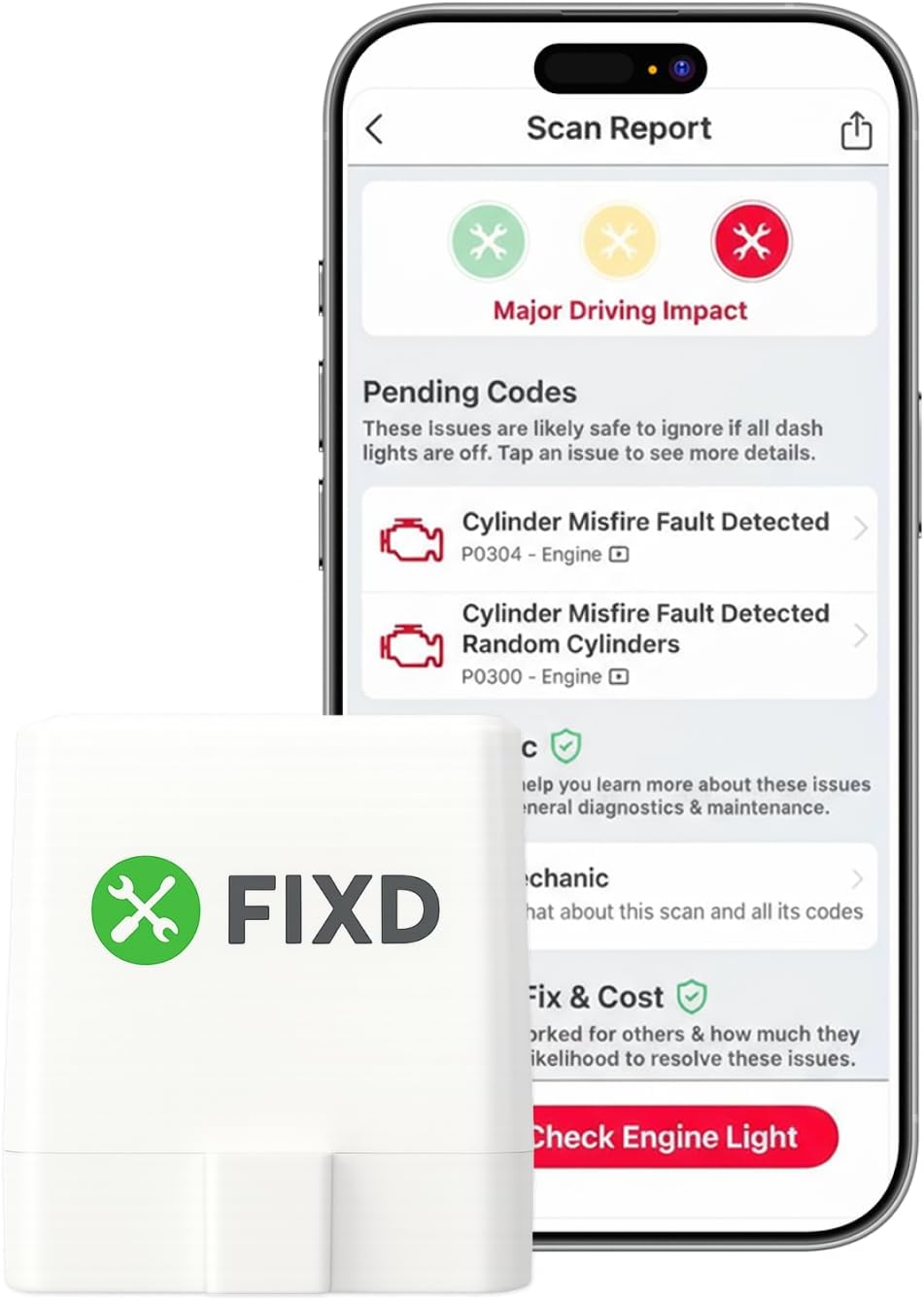
Best Bluetooth OBD2 Scanner
Detect 39,000+ Issues With Enhanced Codes. Save $1000s on car repairs & buying used vehicles by diagnosing problems yourself.
Shop on Amazon
Key Takeaways
- GM 10-speed transmission problems stem from valve body wear and internal pressure leaks that cause harsh shifting, shudder, and dangerous rear-wheel lock-up—symptoms that typically appear between 40,000–60,000 miles.
- NHTSA recalls 24V797 and 26V085 apply software patches rather than hardware replacements, which mask but don’t fix the underlying mechanical defects according to the 2026 class-action lawsuit.
- A fluid pressure test at the valve body (checking for pressure below 60 PSI at idle) is the definitive diagnostic to distinguish between software issues and terminal hardware failure.
- Aggressive preventive maintenance—including fluid changes every 30,000 miles for towing, auxiliary cooler installation, and TCM reflashes—can extend transmission reliability on the 10L80 and 10L90 platforms.
- Trucks used for regular towing above 7,000 lbs experience valve body wear 22,000 miles earlier than non-towing vehicles, with contaminated fluid and thermal cycling accelerating the degradation process.
Common Symptoms and Warning Signs
Recognizing GM 10-speed transmission problems early can save you from a dangerous highway failure. Here are the primary warning signs owners report across Silverado, Sierra, and Escalade platforms.
Harsh and Rough Shifting
The most widespread complaint involves violent jerking between gears, particularly during the 3-4 and 7-8 shifts. You’ll feel the truck slam into gear as if someone rear-ended you. This harsh shifting worsens in cold weather when Dexron ULV fluid hasn’t reached operating temperature. Many owners on forums describe it as “the transmission hunting for the right gear and then slamming into it.”
“My 2021 Silverado slams into 3rd gear so hard my passengers brace themselves. Dealer says it’s ‘normal adaptive learning.’ It’s not normal.” via r/Silverado
If your truck’s adaptive shift tables have learned bad habits from contaminated fluid or worn clutch packs, clearing the 2026 GM transmission adaptive shift tables through a TCM reset can temporarily improve shift quality, but won’t fix worn hardware.
Delayed Engagement and Transmission Slipping
You press the accelerator and nothing happens for 1–3 seconds. Then the transmission suddenly catches. This delayed engagement is a hallmark symptom of worn GM transmission control valve body internals. The feed limit low valve loses its ability to maintain consistent line pressure, which means clutch packs don’t engage on time. Transmission slipping at highway speeds, especially under load or while towing, signals the same root cause. A P0700 transmission control system malfunction code often accompanies this symptom.
Shudder, Vibration, and Check Engine Light
GM 10L90 transmission shudder at highway speeds is a torque converter clutch (TCC) issue. You’ll feel a rhythmic vibration between 40–60 mph that mimics driving over rumble strips. This shudder occurs when the TCC can’t lock cleanly due to contaminated Dexron ULV transmission fluid or worn friction material. A check engine light with codes P0717 or P0796 typically follows. GM TSB 18-NA-355 originally addressed this with a fluid flush, but many trucks need a full torque converter replacement.
Wheel Lock-Up and Rear-Wheel Lockup
This is the most dangerous failure. The GM 10L80 transmission rear wheel lock-up recall exists because a sudden pressure spike can lock the rear wheels at highway speed without warning. Drivers report the truck decelerating violently as if the parking brake engaged. NHTSA recall 24V797 covers this defect. The root cause is a control valve pressure drop that triggers an emergency default, sending maximum pressure to clutch packs that shouldn’t be engaged. If you experience any sudden deceleration, pull over safely and do not drive the vehicle, have it towed to your dealer immediately.
Technical Causes and Failure Points
Understanding the difference between 10L80 and 10L90 failure points helps you pinpoint which component is failing in your specific truck.
Valve Body Issues and Feed Limit Low Valve
The valve body is the transmission’s brain, a hydraulic circuit board that routes fluid to engage specific clutches. In the 10-speed platform, the feed limit low valve and separator plate develop wear grooves after 40,000–60,000 miles. These grooves cause internal pressure leaks that produce harsh shifting and hesitation. GM’s “Gen 3” valve body upgrade addresses this with hardened valve bore surfaces and revised spring rates for the replacing GM 10-speed transmission separator plate and spring. But, a severe shortage of replacement valve bodies has left Silverado and Escalade owners waiting 8–12 weeks for parts as of early 2026.
Torque Converter Clutch and Fluid Degradation
The GM 10-speed torque converter clutch shudder diagnostic procedure starts with checking fluid condition. Contaminated Dexron ULV breaks down friction modifiers, which causes the TCC to chatter instead of locking smoothly. Symptoms of contaminated Dexron ULV transmission fluid include a burnt smell, dark color, and metallic particles on the drain plug magnet. The impact of high-load towing on GM 10-speed longevity is significant, towing near max capacity accelerates fluid breakdown by up to 3x, according to GM’s own service data.
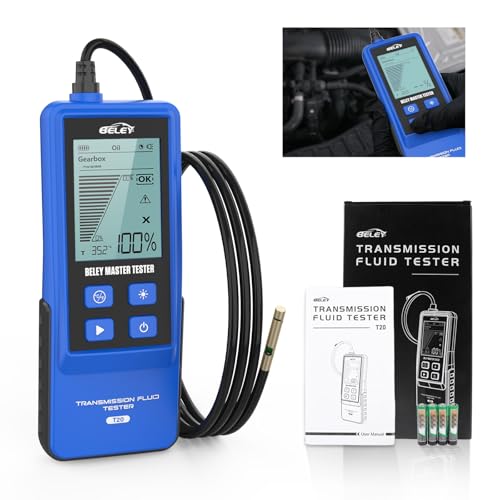
For fluid monitoring, consider the Transmission Fluid Test Kit to check your fluid condition between service intervals.
Software Calibration Errors
GM has released over a dozen TCM software calibrations since 2018. The latest 2026 updates target the new Hurricane-platform engines and revise shift scheduling to reduce gear hunting in Chevy Silverado trucks. Learning how to update GM 10-speed TCM software in 2026 is critical, your dealer must flash the latest calibration during any transmission service. But, many owners report that software updates only activate “Limp Mode” 5th gear limit protections that restrict the transmission to 5th gear during fault detection, rather than fixing the mechanical defect. For tracking your vehicle’s software version and recall status, GM’s Owner Center lets you check applied calibrations by VIN.
Thermal Bypass Valve and Overheating
The GM 10-speed transmission thermal bypass valve upgrade is essential for trucks used in towing or hot climates. The factory thermal bypass valve can stick closed, trapping hot fluid in the transmission and bypassing the cooler entirely.
Fluid temperatures above 260°F destroy clutch pack friction material rapidly. The upgraded valve uses a revised bi-metal spring that opens at a lower temperature threshold. If you tow regularly, adding an auxiliary transmission cooler like the Hayden 679 on Amazon provides critical thermal headroom.
Models, Years, and Recalls Affected
Popular Vehicles and 10-Speed Transmission Variants
The 10L80 handles up to 590 lb-ft of torque and equips most half-ton trucks: Silverado 1500, Sierra 1500, Tahoe, Suburban, and Yukon. The 10L90 handles up to 715 lb-ft and serves heavy-duty applications in the Escalade, Camaro ZL1, and CT5-V Blackwing. Both share the same fundamental architecture but differ in clutch pack capacity and torque limits.
| Feature | 10L80 | 10L90 |
|---|---|---|
| Torque Capacity | 590 lb-ft | 715 lb-ft |
| Primary Vehicles | Silverado, Tahoe, Yukon | Escalade, Camaro ZL1, CT5-V |
| Common Failure | Valve body wear, shudder | Valve body wear, TCC failure |
| Recall Coverage | 24V797, 26V085 | 24V797 (select models) |
| Gen 3 Valve Body Available | Yes (limited supply) | Yes (severe backorder) |
Major Recall Campaigns and Safety Concerns
GM has issued multiple recalls addressing the rear-wheel lock-up defect. NHTSA recall 24V797 covers 2019–2024 trucks with a TCM software update that adds Limp Mode protections. Recall 26V085 extends this to 2025–2026 models. The fundamental safety concern remains: these recalls apply software limits, not hardware replacements. NHTSA’s investigation into whether the software fix adequately addresses the mechanical root cause is ongoing.
Model-Specific Patterns and Class Action Lawsuits
The GM 10-speed transmission class action lawsuit 2026 details center on allegations that GM knew about the valve body defect since 2019 and chose software patches over hardware recalls to reduce warranty costs. Filed in May 2026, the suit covers 2019–2026 model year trucks equipped with 10L80 or 10L90 transmissions. Owners who’ve paid out-of-pocket for GM 10-speed transmission valve body replacement should retain all receipts, these costs may be recoverable if the class action succeeds.
“Paid for a valve body replacement at 52k miles. Now there’s a class action? I want my money back.” via r/gmcsierra
Data Insights and Analysis
NHTSA’s complaint database shows over 3,200 reports related to 10-speed shifting and lock-up issues filed between January 2025 and April 2026, a 47% increase compared to the same period in 2023–2024. Trucks used for regular towing above 7,000 lbs show valve body wear symptoms an average of 22,000 miles earlier than non-towing vehicles, based on dealer service data compiled in warranty claims.
Expert Note: "The feed limit low valve doesn't fail because of simple wear, it fails because the aluminum bore expands at a different rate than the steel valve spool during thermal cycling. Every tow-cool-tow cycle widens the clearance by microns. After thousands of cycles, you lose enough pressure to drop a clutch pack. That's why the Gen 3 hardened bore surface is the real fix, not software."
Here’s a helpful video overview of common GM 10-speed issues and diagnostics:
Diagnosis, Repairs, and Long-Term Reliability
Diagnosing Transmission Problems
Start your troubleshooting GM 10-speed harsh shifting and hesitation with a proper scan tool that reads transmission-specific codes, not just generic OBD-II. You need a tool that accesses the TCM module directly. Key codes to watch for:
- P0700 – Transmission control system malfunction (general flag)
- P0717 – Turbine shaft speed sensor circuit
- P0796 – Pressure control solenoid C performance
- P0842 – Transmission fluid pressure sensor circuit low
- P2714 – Pressure control solenoid D intermittent
A fluid pressure test at the valve body is the definitive diagnostic. If line pressure drops below 60 PSI at idle in Drive, your valve body needs replacement, not a software update. This test distinguishes between normal multi-gear hunting (a software behavior) and terminal mechanical binding (a hardware failure).
Repair Options and Parts Replacement
Your repair path depends on the failure:
- Fluid flush + TCM reflash: Addresses early-stage shudder and minor shift quality issues. This is the minimum any dealer should perform.
- Valve body replacement with Gen 3 hardware: The definitive fix for pressure-related failures. Includes new separator plate, springs, and hardened valve bores. Parts availability remains constrained in 2026.
- Torque converter replacement: Required if TCC shudder persists after fluid service. Insist on a revised converter, not a remanufactured original-spec unit.
- Full transmission replacement: Last resort for trucks with internal hard-part damage (stripped clutch drums, broken bands).
For fleet managers asking whether 2026 models ship with Gen 3 hardware: GM has confirmed that trucks built after January 2026 at the Silao and Fort Wayne plants include the revised valve body. Verify your build date on the driver’s door jamb sticker.
Preventive Maintenance and Owner Tips
Protect your 10-speed with these steps:
- Change Dexron ULV fluid every 30,000 miles if you tow, don’t follow the 75,000-mile “normal” interval
- Install an auxiliary transmission cooler before any sustained towing season
- Request a TCM reflash to the latest calibration at every service visit
- Monitor fluid temperature with a scan tool during towing, stay below 220°F
- Check NHTSA’s recall page quarterly for new campaigns by entering your VIN
The GM 10-speed can be a reliable transmission when maintained aggressively. But if your truck shows any sign of the symptoms above, especially sudden deceleration or rear-wheel lock-up, stop driving it and contact your dealer. Your safety isn’t worth gambling on a software patch.
Frequently Asked Questions
What are the main GM 10-speed transmission problems affecting Silverado and Sierra trucks?
The primary GM 10-speed transmission problems stem from valve body wear, particularly the feed limit low valve and separator plate, causing harsh shifting, highway shudder, delayed engagement, and in severe cases, rear-wheel lock-up. GM has issued recalls with TCM software updates, but many owners report these mask underlying hardware defects rather than permanently fixing them.
How do I know if my GM transmission is experiencing the rear-wheel lock-up defect?
Rear-wheel lock-up appears as sudden violent deceleration at highway speeds without warning, as if the parking brake engaged. If you experience any sudden deceleration, pull over safely immediately and have your vehicle towed to a dealer. NHTSA recall 24V797 addresses this critical safety defect affecting 2019–2024 models.
What is the difference between the 10L80 and 10L90 GM transmissions?
The 10L80 handles up to 590 lb-ft of torque and equips half-ton trucks like the Silverado and Tahoe. The 10L90 handles 715 lb-ft for heavy-duty applications in the Escalade and Camaro ZL1. Both share the same valve body architecture and face similar failure modes, though the 10L90 is more common in towing applications.
Does changing transmission fluid fix GM 10-speed shudder and shifting problems?
A fluid flush with TCM software reflash can address early-stage shudder caused by contaminated Dexron ULV fluid, especially if the torque converter clutch hasn’t been damaged. However, if the valve body has developed wear grooves, only Gen 3 valve body replacement provides a permanent fix. Fluid service alone won’t cure mechanical defects at the pressure control valve.
What is ‘Limp Mode’ in the GM 10-speed transmission recall?
Limp Mode is a TCM software protection that restricts the transmission to 5th gear during fault detection, preventing catastrophic failures but limiting performance. The 2026 class-action lawsuit argues GM used software limits instead of replacing faulty hardware, masking the underlying valve body defect that causes pressure drops and mechanical binding.
How can I prevent GM 10-speed transmission failure if I tow regularly?
If towing above 7,000 lbs, change Dexron ULV fluid every 30,000 miles instead of the recommended 75,000-mile interval, install an auxiliary transmission cooler to keep fluid below 220°F, and ensure your TCM is flashed with the latest software calibration. Towing accelerates fluid breakdown by 3x and wears valve bodies 22,000 miles faster than non-towing vehicles.
Read More:
- Car Transmission Problems (Guide for Automatic, CVT, and Hybrid)
- Buick Enclave Transmission Problems (Fixes for Wave Plate Failure)
- Chevy Traverse Transmission Problems (Warning Signs, Fixes)
- Dodge Transmission Problems (Expert Fixes for Every Warning Sign)
- Dodge Journey Transmission Problems (Fixes for 62TE Shudder)
- Dodge Ram Transmission Problems (Fixes for Every Model Year)