
Your Nissan Murano’s transmission is slipping, whining, or flashing warning lights. You’re dealing with one of the most documented drivetrain failures in mid-size crossovers, and you need answers fast.
Nissan Murano transmission problems stem primarily from CVT design weaknesses, overheating due to insufficient cooling capacity, premature fluid breakdown (especially in NS-2/NS-3 formulations), and electronic control module failures that trigger limp mode, delayed engagement, or catastrophic belt slippage requiring either targeted sensor replacements, valve body overhauls, or complete transmission replacement.
This guide walks you through advanced diagnostic protocols, real-world symptoms, model-year vulnerabilities, and repair decisions. You’ll learn how to identify sensor faults, check fluid oxidation, interpret OBD2 live data, and determine whether your issue needs a solenoid swap or a full rebuild.
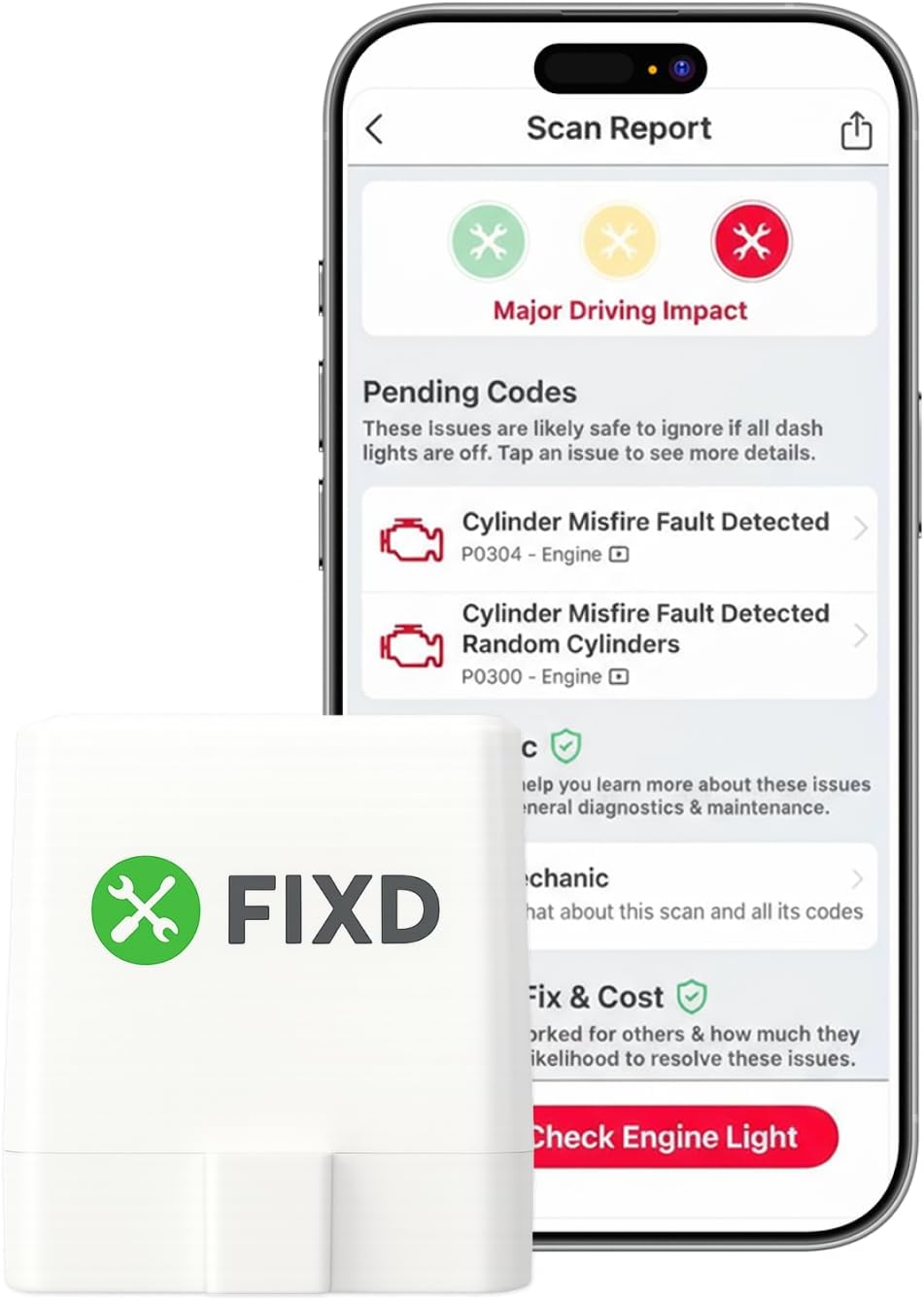
Best Bluetooth OBD2 Scanner
Detect 39,000+ Issues With Enhanced Codes. Save $1000s on car repairs & buying used vehicles by diagnosing problems yourself.
Shop on Amazon
Key Takeaways
- Nissan Murano transmission problems stem from CVT design flaws, overheating, fluid breakdown, and sensor failures—catching early warning signs like delayed shifting or warning lights prevents catastrophic damage.
- Regular transmission fluid service every 30,000-40,000 miles with genuine Nissan NS-3 fluid is critical, as CVT fluid degrades faster than conventional oil and oxidation directly causes belt slippage and internal wear.
- High-risk model years (2009-2010 and 2015) require immediate inspection; the 2017+ models show improved reliability through better thermal management and updated software.
- Isolated repairs like sensor replacement ($80-150) or valve body overhaul ($1,200-1,800) are cost-effective for vehicles under 100,000 miles, while complete transmission replacement ($5,000-7,500 installed) may be necessary for catastrophic failures or older vehicles.
- Upgrading to an aftermarket transmission cooler and performing regular OBD2 diagnostics can prevent overheating by maintaining fluid temperatures below 220°F and extending transmission lifespan significantly.
Key Symptoms and Early Warning Signs
Delayed Shifting and Engagement Issues
You’ll notice hesitation when accelerating from a stop or merging onto highways. The CVT struggles to maintain consistent power delivery, creating a sluggish, rubber-band feeling. This delay often indicates internal hydraulic pressure loss from worn valve bodies or failing pressure control solenoids. Input speed sensors might send corrupted data to the TCM, causing adaptive learning tables to misfire.
Your transmission may also judder or lurch during low-speed maneuvers in parking lots. These engagement issues worsen in cold weather when fluid viscosity drops. If you’re experiencing 2-3 second delays before the vehicle moves after shifting into Drive, the primary pulley pressure circuit is likely compromised. Immediate OBD2 scanning is essential.
Transmission Warning Light Activation
The check engine light or dedicated transmission warning symbol illuminates when the TCM detects fault codes like P0700 (general transmission control system malfunction) or P0746 (pressure control solenoid performance). These codes don’t pinpoint exact failures but signal that electronic communication between sensors and the control module has degraded.
You should connect an advanced scanner to pull live data streams showing primary and secondary pulley pressure sensor voltage. Normal operating range sits between 0.5-4.8 volts. Readings outside this range confirm sensor drift or wiring harness corrosion. Don’t ignore warning lights, they’re your first alert to thermal or electronic breakdowns before catastrophic failure occurs.
Noises, Vibrations, and Performance Changes
High-pitched whining during acceleration is the hallmark of CVT belt slippage against worn pulley surfaces. This metallic screech differs from normal gear tracking hums, it’s sharp, persistent, and worsens under load. You might also hear grinding or rattling from the valve body area when the transmission shifts between ratio ranges.
Vibrations through the floor or steering wheel during highway cruising indicate internal belt misalignment or damaged stepper motor components. Performance degradation manifests as reduced top speed, inability to climb grades, or the engine revving without corresponding acceleration. These symptoms point to severe internal wear requiring immediate inspection of the steel belt and pulley scoring.
Recognizing Limp Mode and Complete Transmission Failure
Limp mode activates when the TCM detects critical faults, your Murano locks into a single low ratio to protect internal components. You’ll lose all acceleration capability above 35-40 mph, and the transmission warning light stays solid. This failsafe triggers from overheating (fluid temps exceeding 240°F), pressure sensor failures, or solenoid pack malfunctions.
Complete failure presents as total loss of forward or reverse movement even though engine operation. You might hear loud clunking when shifting, followed by no power transfer to the wheels. This catastrophic condition results from total belt disintegration, pulley seizure, or valve body collapse. Metallic debris in the pan confirms internal component destruction requiring full replacement.
Common Causes and Technical Issues
Transmission Fluid Problems and Leaks
CVT fluid degrades faster than conventional ATF due to extreme pulley friction and heat cycling. NS-2 and NS-3 fluids are specifically formulated with friction modifiers and anti-wear additives, but they break down when exposed to sustained temperatures above 220°F. Oxidized fluid turns dark brown, smells burnt, and loses viscosity, reducing hydraulic pressure and causing belt slippage.
Leaks commonly develop at the cooler line fittings, output shaft seal, and transmission pan gasket. Even minor seepage (1-2 drops per week) compounds into critical low-fluid conditions over months. You can check fluid level through the fill plug on the driver’s side of the transmission case, but you’ll need the transmission at operating temperature and the vehicle level. Low fluid accelerates wear exponentially.
“2015 Murano threw P0746 at 62k miles. Dealer wanted $4,800 for valve body replacement. Independent shop found external cooler was 80% blocked, flushed it, changed fluid to NS-3, no codes since.” via r/NissanDrivers
Transmission Overheating and Cooling Shortcomings
The factory external auxiliary oil cooler on 2009-2014 Muranos is undersized for sustained highway towing or hot-climate operation. Fluid temperatures spike during extended drives, especially with cargo loads exceeding 1,000 lbs. Overheating causes rapid fluid oxidation and triggers protective limp mode to prevent total component meltdown.
Monitoring fluid temperature requires an OBD2 scanner with transmission-specific PIDs. Normal operating range is 175-200°F: anything above 220°F indicates cooling system failure. Many technicians recommend upgrading to a larger aftermarket transmission cooler with dedicated electric fans. Hayden Automotive offers heavy-duty cooler kits designed for Xtronic CVT applications.
Design Flaws and Reliability Risks
The Jatco JF011E CVT used in 2009-2016 Muranos has documented structural weaknesses in the stepper motor assembly and valve body. The stepper motor controls pulley ratio changes but fails prematurely due to electrical coil degradation. When it malfunctions, you get erratic shifting, harsh engagement, or stuck ratios.
The valve body, a complex hydraulic control plate with multiple solenoid packs, wears internally from metallic contamination and fluid breakdown. Solenoid screens clog with debris, causing pressure regulation failures. Nissan issued Technical Service Bulletin NTB13-006a addressing valve body updates and software re-flashes for 2013-2015 models, but many vehicles never received the repair.
Electronic and Sensor Failures
The Transmission Control Module stores adaptive learning data to optimize shift quality and ratio response. Corrupted adaptive tables cause erratic behavior that worsens over time. Performing a hard TCM reset through the OBD2 port clears these tables, forcing the system to relearn driving patterns, often resolving intermittent issues without hardware replacement.
Input and output speed sensors measure rotational velocity to calculate CVT ratio. Sensor drift or wiring corrosion creates communication drops, triggering fault codes and limp mode. Voltage testing at the sensor connector should show clean 5-volt reference and stable signal output. Failed sensors cost $80-150 each but prevent thousands in unnecessary transmission replacement.
Model Years, Recalls, and Generational Trends
High-Risk Model Years and What to Avoid
The 2009-2010 Muranos experience the highest failure rates, with transmission complaints peaking around 75,000-90,000 miles. These first-generation Xtronic units lacked the thermal management improvements and software calibrations of later models. The 2015 model year also shows elevated failure rates due to a batch of defective valve bodies installed during production.
Model years 2003-2007 used a conventional 5-speed automatic (not CVT) and are generally reliable. The 2017-2018 refresh brought improved fluid cooling and updated TCM software, reducing early failures. If you’re shopping used, target 2017+ models or verify that earlier units have documented transmission services and cooler upgrades.
Factory Recalls and Extended Warranties
Nissan issued recall campaign NHTSA 13V-396 covering 2003-2007 Muranos for transmission control software updates, but this predates CVT adoption. The company extended warranties to 10 years/120,000 miles for select 2007-2010 CVT failures under settlement pressure, though most programs have expired.
Class-action lawsuits forced Nissan to offer goodwill assistance for out-of-warranty CVT replacements on 2013-2016 models. Check the NHTSA recalls database using your VIN to verify if your vehicle qualifies for any open campaigns or extended coverage. Technical Service Bulletins like NTB13-006a and NTB14-058 address specific software and valve body updates.
Recurring Issues by Generation
First-generation CVTs (2009-2014) suffer from inadequate external cooling, leading to overheating-induced failures in hot climates or during towing. Second-generation units (2015-2018) improved thermal management but introduced stepper motor failures and solenoid pack issues. Third-generation models (2019+) show better reliability but still require strict NS-3 fluid maintenance.
The transition from NS-2 to NS-3 fluid specification in 2012 created confusion, many owners and shops used incompatible fluids, accelerating wear. Always verify your transmission requires NS-3 (2013+) versus NS-2 (2009-2012) before servicing. Using standard ATF destroys CVT components within 5,000 miles.
How Model Changes Affect Transmission Reliability
The 2019 redesign brought a stronger JF016E CVT with revised pulley geometry and improved hydraulic pressure control. These units tolerate higher torque loads and show fewer premature failures. Software updates throughout the generations improved TCM adaptive learning algorithms, reducing harsh shifts and engagement hesitation.
Earlier models lack the robust external cooler provisions and TCM communication protocols of newer units. Retrofitting a larger cooler and updating TCM software (where available through dealership reflash) significantly extends transmission lifespan on 2009-2016 models. Monitor Nissan Technical Information System for ongoing software updates applicable to your VIN.
Prevention, Maintenance, and Effective Solutions
Importance of Regular Transmission Maintenance
CVT longevity depends entirely on proactive fluid service every 30,000-40,000 miles even though Nissan’s claims of “lifetime” fluid. You should inspect fluid condition annually, clean NS-3 appears bright red and smells neutral. Dark, burnt-smelling fluid indicates oxidation and requires immediate replacement before internal damage accelerates.
Installing an external transmission temperature gauge lets you monitor real-time fluid temps during operation. If readings consistently exceed 200°F during normal driving, upgrade the auxiliary cooler before catastrophic failure occurs. Preventative maintenance costs $250-400 per service versus $4,500-7,000 for complete transmission replacement.
Recommended Maintenance Schedule:
- 30,000 miles: Fluid and filter inspection, external cooler cleaning
- 60,000 miles: Complete fluid drain-and-fill (3-4 quarts), filter replacement
- 90,000 miles: Full fluid exchange (8-10 quarts), valve body inspection
- 120,000 miles: Consider preventative valve body replacement or rebuild
Transmission Fluid and Filter Replacement
Proper CVT fluid service requires warming the transmission to 170-180°F, removing the fill plug, and draining through the drain plug until flow stops. The internal filter sits inside the pan and requires pan removal, many quick-lube shops skip this critical step. You’ll need 4-5 quarts of genuine Nissan NS-3 fluid for a drain-and-fill or 8-10 quarts for a complete exchange.
Avoid flush machines that force fluid backward through the system, CVTs use delicate hydraulic circuits that can’t tolerate reverse pressure. Instead, perform multiple drain-and-fill cycles spaced 500 miles apart to gradually replace old fluid. The Nissan NS-3 CVT Fluid available through Amazon or dealerships is the only safe option, aftermarket “compatible” fluids cause belt slippage.
Addressing Fluid Leaks and Overheating
External leaks require immediate attention before fluid levels drop below minimum operating capacity. Common leak points include the output shaft seal ($150-250 repair), cooler line o-rings ($80-120), and the pan gasket ($200-300). You can temporarily slow seepage with high-mileage CVT fluid additives, but permanent seal replacement is the only lasting fix.
Overheating issues demand auxiliary cooler upgrades, install a Hayden 679 Transmission Cooler in series with the factory unit. This dual-cooler setup drops operating temps by 30-40°F, protecting fluid integrity during highway driving or trailer towing. Shops charge $400-600 for professional installation including lines and fittings.

Repair or Replacement: Deciding on Next Steps
If diagnostics reveal isolated sensor failures, solenoid issues, or minor valve body wear, targeted repairs cost $800-2,500 and restore function. Remanufactured valve bodies run $1,200-1,800 installed, while complete solenoid pack replacement costs $600-1,000. These repairs make sense for vehicles under 100,000 miles with otherwise solid mechanical condition.
Catastrophic internal damage, scored pulleys, disintegrated belts, seized stepper motors, requires complete transmission replacement. Remanufactured units cost $3,500-5,000 plus $1,500-2,500 labor. If your Murano exceeds 150,000 miles or has multiple deferred maintenance issues, replacement might exceed the vehicle’s value. Get quotes from independent transmission specialists, dealership labor rates run 40-60% higher for identical work.
Frequently Asked Questions
What are the main causes of Nissan Murano transmission problems?
Nissan Murano transmission problems stem from CVT design weaknesses, overheating due to insufficient cooling capacity, premature fluid breakdown (especially NS-2/NS-3 formulations), and electronic control module failures. These issues trigger limp mode, delayed engagement, or belt slippage requiring sensor replacements, valve body overhauls, or complete transmission replacement.
How can I identify early warning signs of CVT transmission failure?
Early Nissan Murano transmission problems include hesitation when accelerating, delayed shifting (2-3 seconds before movement), transmission warning lights, high-pitched whining during acceleration, and vibrations through the steering wheel. Check for fluid oxidation (dark brown color, burnt smell) and monitor fluid temperature above 220°F as critical indicators.
What is the difference between NS-2 and NS-3 transmission fluid?
NS-3 fluid (2013+) replaced NS-2 (2009-2012) with improved friction modifiers and anti-wear additives for better CVT performance. Using incompatible fluid accelerates transmission wear significantly. Always verify your Murano’s specification before servicing; using standard ATF destroys CVT components within 5,000 miles.
Which Nissan Murano model years have the most transmission problems?
The 2009-2010 Muranos experience the highest CVT failure rates, peaking around 75,000-90,000 miles, while 2015 models show elevated failures from defective valve bodies. The 2017+ refresh brought improved cooling and TCM software, reducing early failures. Model years 2003-2007 used reliable 5-speed automatics (not CVT).
How often should I service my Nissan Murano’s CVT transmission?
Despite Nissan’s ‘lifetime fluid’ claims, perform fluid inspection every 30,000 miles and complete drain-and-fill every 60,000 miles. At 90,000 miles, conduct full fluid exchange with valve body inspection. Preventative maintenance costing $250-400 per service prevents $4,500-7,000 transmission replacements.
What is transmission limp mode and why does it occur?
Limp mode activates when the TCM detects critical faults, locking your Murano into a low gear, limiting speed to 35-40 mph. It’s triggered by overheating (fluid temps exceeding 240°F), pressure sensor failures, or solenoid pack malfunctions. This protective failsafe prevents total transmission failure but requires immediate diagnostic scanning.
Read More:
- Car Transmission Problems (Guide for Automatic, CVT, and Hybrid)
- Automatic Transmission Problems (Fixes for Slipping Gears, and Hard Shifts)
- Nissan Altima Transmission Problems (Fixes for CVT Shudder, and Limp Mode)
- Nissan Transmission Problems (Here’s the Expert Diagnosis & Repair)
- Nissan CVT Transmission Problems (Expert Diagnosis & Repair)
- Nissan Rogue Transmission Problems (Expert Diagnosis & Fixes)
- Nissan Pathfinder Transmission Problems (Expert Diagnosis & Fixes)