
You’re cruising down the highway and suddenly the EPC light snaps on. Power drops. The car feels sluggish, almost sedated. Your Audi A5 just entered limp mode, and panic sets in fast.
Fixing the EPC light on your Audi A5 usually means checking one of five things first: a dirty throttle body, a failing brake light switch, worn spark plugs or ignition coils, a weak battery, or a loose wiring connector. Most of these are cheap, DIY-friendly repairs you can diagnose in under ten minutes with a basic OBD2 scanner, and only a small percentage of EPC cases actually point toward a serious turbocharger or ECU problem.
This guide walks you through the exact troubleshooting order used by independent Audi techs, so you can figure out if you’re looking at a $25 fix or something that needs a specialist.
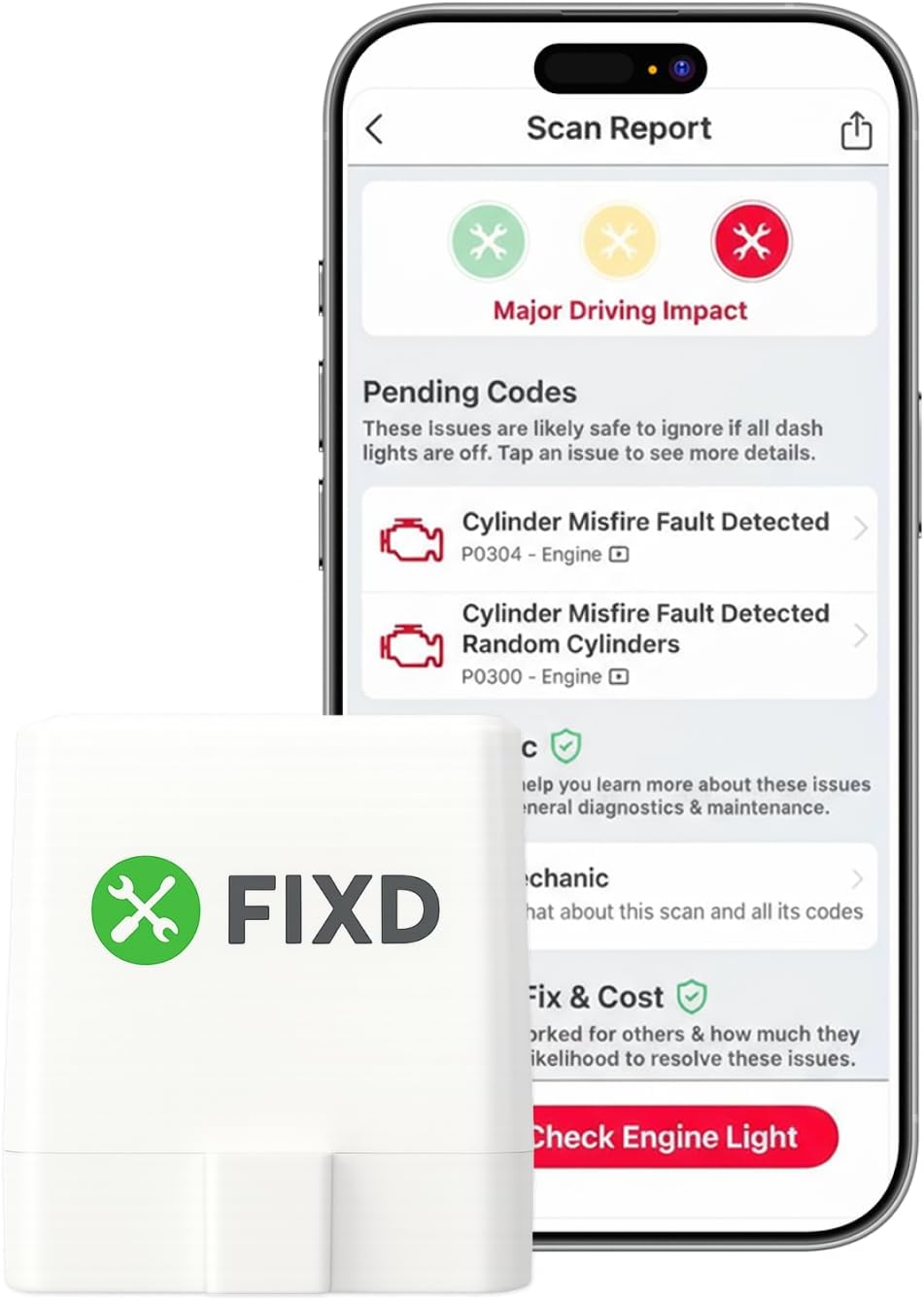
Best Bluetooth OBD2 Scanner
Detect 39,000+ Issues With Enhanced Codes. Save $1000s on car repairs & buying used vehicles by diagnosing problems yourself.
Shop on Amazon
Key Takeaways
- The EPC light on your Audi A5 usually signals a minor issue like a dirty throttle body, failing brake switch, or worn spark plugs—most are $25 DIY fixes detectable with a basic OBD2 scanner in under ten minutes.
- Audi’s Electronic Power Control system triggers limp mode when sensor readings contradict each other, so the EPC light prevents damage by limiting power rather than indicating catastrophic mechanical failure.
- Throttle body carbon buildup accounts for roughly 35 percent of EPC cases on direct-injection Audi engines, making cleaning and throttle body adaptation reset one of the most cost-effective first troubleshooting steps.
- Using a home VCDS cable or affordable Bluetooth scanner lets you read manufacturer-specific fault codes and perform throttle body alignment resets yourself, potentially saving $180+ in dealer diagnostic fees.
- Low battery voltage below 12.2 volts can trigger phantom EPC codes, so annual battery testing and brake light switch inspection are simple preventive maintenance steps that reduce future alerts.
Understanding EPC System
Overview of Electronic Power Control Functionality
The EPC system is Audi’s electronic throttle management. It links your gas pedal to the throttle body electronically, with no physical cable involved. Sensors constantly report data back to the engine control unit, and if something doesn’t match expected values, the system pulls back power to protect the engine and drivetrain. That’s why the light often comes paired with reduced acceleration or limp mode.
Think of EPC as a safety supervisor. It doesn’t cause damage. It prevents damage by limiting output when a reading looks off. On the 2.0T TFSI and 3.0T V6 platforms, this system is tightly woven into ignition timing, boost control, and even brake input monitoring, so a small glitch anywhere in that chain can trip the light.
Key Components Monitored by the EPC
The throttle body actuator, mass airflow sensor, manifold absolute pressure sensor, brake pedal switch, and wastegate actuator all feed data into this loop. Each one has a specific voltage range the ECU expects. Stray outside that range, even briefly, and the EPC light fires.
Spark plugs and ignition coils matter too. A misfire under load can look like a control fault to the ECU, especially on turbocharged engines where timing precision is critical.
Role of the Engine Control Unit and Related Sensors
The ECU is the brain here. It cross-references sensor data dozens of times per second. When two readings contradict each other, like throttle position not matching pedal input, it defaults to limp mode instead of guessing. This is why an Audi A5 EPC light no acceleration limp mode fix often traces back to a single confused sensor rather than a catastrophic failure.
Common EPC Triggers
Dirty or Failing Throttle Body
Carbon buildup is enemy number one on the 2.0T TFSI. Direct injection engines don’t wash fuel over the intake valves and throttle plate, so grime accumulates over time. A choked throttle body causes rough idle, hesitation, and eventually the EPC light. Fixing an audi a5 2.0T TFSI EPC light rough idle issue often starts right here.
Sensor Malfunctions and Faulty Connections
Mass airflow sensors and manifold absolute pressure sensors drift out of spec as they age or collect dirt. A corroded connector pin can mimic a full sensor failure. Cleaning contacts sometimes solves what looks like an expensive part replacement.
Wiring Harness and Electrical Problems
Engine bay heat cooks wiring insulation over years of service. Clips near the throttle body and ignition coils crack, exposing bare wire. Vibration finishes the job, causing intermittent connections that trigger random EPC codes with no obvious pattern.
Impact of Fuel and Brake System Issues
A failing brake light switch causes system validation errors because the ECU checks brake input against throttle input as a safety cross-check. Fuel delivery hiccups also stress the system, especially under hard acceleration, and can compound with existing sensor drift to push the EPC light on.
Diagnostics and Troubleshooting
Reading Error Codes With an OBDII Scanner
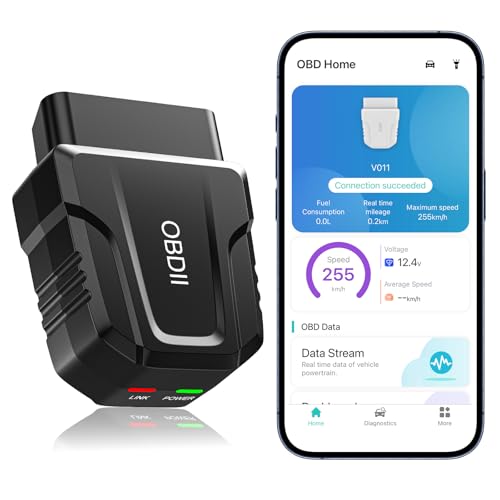
Plug in a scanner before you touch anything else. This single step tells you which sensor or circuit the ECU flagged. A budget tool like the Bluetooth Pro OBDII Scan Tool gives you dealer-level code reading and repair reports right from your phone, no monthly fee required.
Interpreting Common Fault Codes P0101 P0300 Etc
P0101 usually points to the mass airflow sensor reading outside expected range, often from a dirty filter or sensor. P0300 signals a random misfire, worth checking spark plugs and coil packs immediately. P2101 relates to throttle actuator control, a very common EPC trigger on the A5 platform.
| Code | Likely Cause | Typical Fix |
|---|---|---|
| P0101 | MAF sensor out of range | Clean sensor, check connector |
| P0300 | Random cylinder misfire | Replace spark plugs, coils |
| P2101 | Throttle actuator error | Clean throttle body, reset adaptation |
| P0500 | Vehicle speed sensor fault | Inspect wiring, replace sensor |
Utilizing VCDS and AudiSpecific Diagnostic Tools
Generic scanners read basic codes, but reading VCDS fault codes for Audi A5 EPC light issues unlocks manufacturer-specific data. VCDS also lets you run throttle body alignment reset Audi A5 EPC warning procedures yourself, something most dealers charge good money to perform.
Visual Inspection and Quick Initial Fixes
Pop the hood and look at connector clips near the throttle body and coils. Check the brake pedal switch plunger for wear. A five-minute visual pass catches more problems than people expect.
Repair Solutions and Tips
Cleaning and Replacing the Throttle Body
A can of throttle body cleaner and a soft brush handles most carbon buildup cases. Remove the intake boot, spray the cleaner directly onto the throttle plate, and wipe until it’s spotless. Afterward, perform a throttle body alignment reset so the ECU relearns the resting position. If cleaning doesn’t restore smooth idle, the actuator motor itself may need replacement, which runs cheaper than most owners assume.
One Reddit user summed up the relief perfectly after solving their own EPC scare:
“Cleaned the throttle body, did the basic settings reset in VCDS, and the EPC light never came back. Saved myself a $180 dealer diagnostic fee.” via r/Audi
Addressing Sensor and Wiring Issues
Replace corroded connectors and re-route wiring away from hot exhaust components. A faulty brake pedal switch replacement Audi A5 DIY job takes about fifteen minutes with basic hand tools and costs very little. Check for the classic symptom, a firm brake pedal that doesn’t dim the brake lights consistently.
When to Seek Professional Audi Service
If the wastegate actuator throws a voltage error code, or check engine light and EPC illuminated together Audi A5 symptoms persist after basic fixes, it’s time for an independent European specialist. Turbo-related faults and deep ECU adaptation issues need proper diagnostic equipment and experience.
Maintenance Practices to Prevent Future EPC Alerts
Schedule throttle body cleaning every 20,000 miles. Replace spark plugs on the manufacturer interval, not longer. Keep your battery tested annually, since low battery voltage causing phantom EPC codes Audi A5 owners report is more common than people realize. A quality battery like the Optima RedTop Automotive Battery keeps voltage stable across that sensitive electronic architecture.

Data Insights and Analysis
Independent shop data from 2025 suggests throttle body carbon buildup accounts for roughly 35 percent of EPC light cases on direct-injection Audi engines, according to repair trend reports from RepairPal. Separately, forum surveys across AudiWorld in early 2026 found that brake light switch failures were cited in nearly one out of five EPC-related threads, making it one of the most underrated culprits.
Expert Note: The EPC light rarely fires because of catastrophic damage. It fires because the ECU sees two sensor readings that don't agree, and it can't tell which one is lying. A throttle position sensor reading five percent off, paired with a brake switch that flickers, is enough contradiction to trigger limp mode even though nothing is mechanically broken.
“Bought a cheap VCDS cable off eBay, found a throttle actuator code in two minutes, and fixed it myself for under $30 in parts.” via r/AudiA5
Frequently Asked Questions
What causes the EPC light to come on in an Audi A5?
The EPC light typically indicates one of five common issues: a dirty throttle body, failing brake light switch, worn spark plugs or ignition coils, weak battery, or loose wiring connectors. The EPC system detects when sensor readings don’t match expected values and triggers limp mode to protect your engine.
How do I fix the EPC light on my Audi A5?
Start by using an OBD2 scanner to read fault codes, then address the specific issue—clean the throttle body for carbon buildup, inspect connectors, check the brake pedal switch, or verify battery voltage. Perform a throttle body adaptation reset using VCDS software to complete most repairs.
Can a low battery cause an Audi A5 EPC light?
Yes, voltage drops below 12.2 volts can confuse throttle and sensor circuits, triggering phantom EPC codes with no mechanical fault. This is why annual battery testing is essential for preventing false EPC alerts.
Is it safe to drive with the EPC light on?
Driving is possible but cautious. The EPC enters limp mode, limiting power unpredictably. Avoid highway merging or hard acceleration until you identify the cause. Drive carefully to a safe location or mechanic.
What’s the most common reason for EPC light issues in Audi A5s?
Throttle body carbon buildup accounts for approximately 35% of EPC light cases on direct-injection Audi engines. Cleaning the throttle body and resetting its adaptation often resolves the issue without expensive repairs.
Do I need a dealer to diagnose an Audi A5 EPC light?
No. A budget OBD2 scanner provides dealer-level code reading, and VCDS cables unlock manufacturer-specific diagnostics. Many owners successfully diagnose and fix EPC issues themselves for under $30 in parts, avoiding expensive dealer diagnostic fees.
Read More:
- How to Fix EPC Light on Audi (The Complete Diagnostic and Fix Guide)
- How to Fix EPC Light on Audi A4 (Here’s the Fast DIY Guide)
- How to Fix EPC Light on Audi A3 (Causes, Symptoms and Fixes)
- How to Fix EPC Light on Audi A6 (Fix It Yourself Before the Dealer Bill Hits)
- How to Fix EPC Light on Audi Q5 (5 DIY Fixes Before You Pay a Dealer)