
Your BMW’s yellow warning light stares back at you from the dash, even though you’ve already tightened that loose gas cap or swapped the faulty ignition coil. You fixed the problem, so why won’t the light turn off?
The BMW check engine light requires either an OBD-II scanner to manually clear stored diagnostic trouble codes from the engine control unit (ECU) or a complete drive cycle (typically 50–100 miles under varied conditions) to allow the vehicle’s onboard diagnostic system to verify that the fault is resolved and turn off the malfunction indicator lamp automatically.
Clearing the light isn’t complicated, but doing it correctly, and at the right time, makes the difference between a successful emissions test and an automatic failure. This guide walks you through the safest, most effective reset procedures for every BMW generation, from E-chassis classics to the latest G-series models.
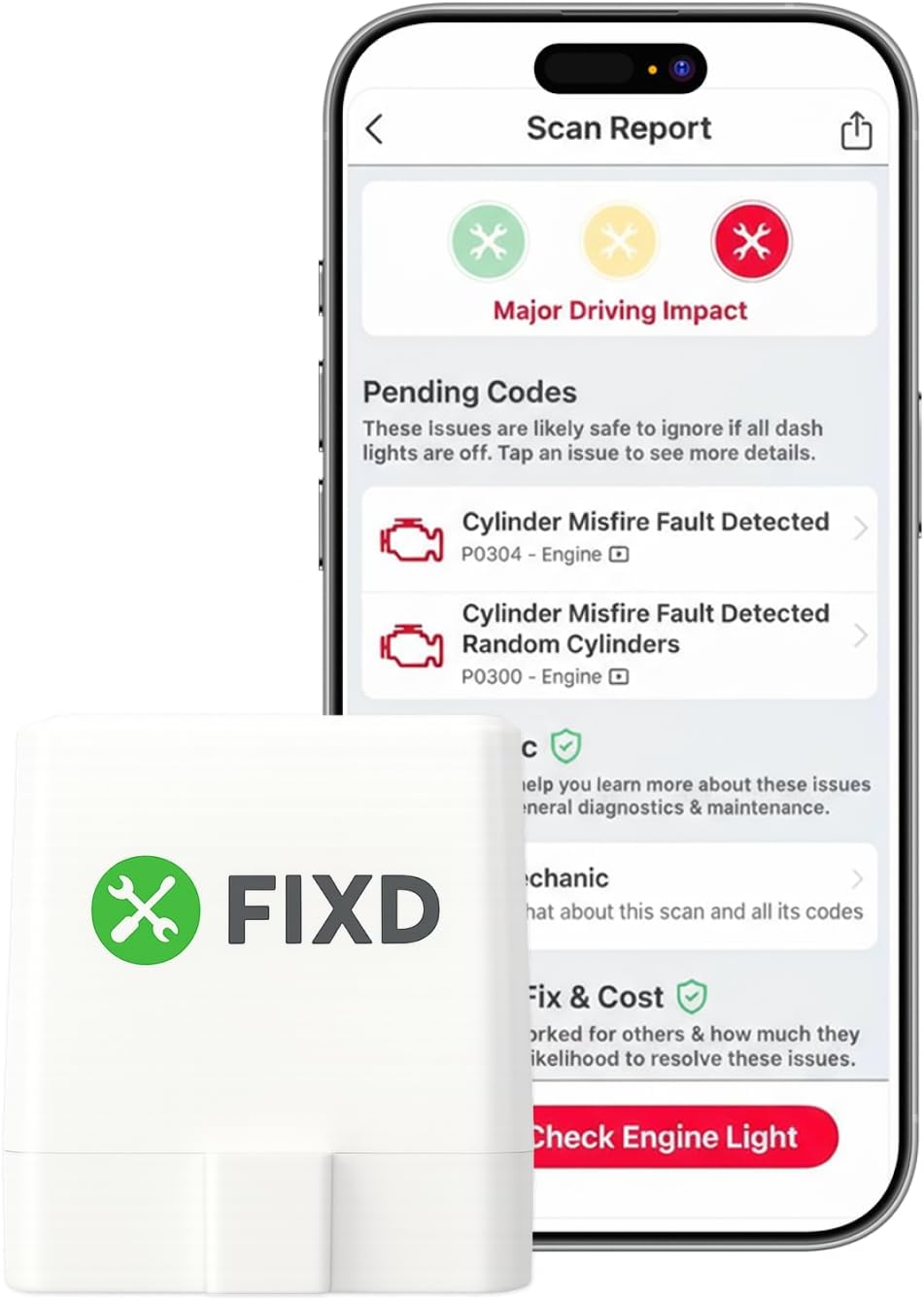
Best Bluetooth OBD2 Scanner
Detect 39,000+ Issues With Enhanced Codes. Save $1000s on car repairs & buying used vehicles by diagnosing problems yourself.
Shop on Amazon
Key Takeaways
- A BMW check engine light can be cleared with an OBD-II scanner or by completing a 50–100 mile drive cycle after the underlying problem is fixed.
- Loose gas caps, ignition coil failures, and MAF sensor issues are the most common causes of BMW check engine light activation.
- Always read and document diagnostic trouble codes before resetting your BMW check engine light, as clearing codes without addressing the root cause will result in the light returning.
- Using a quality OBD-II scanner preserves vehicle settings and provides real-time data, making it preferable to battery disconnection for BMW check engine light reset.
- Complete monitor readiness through a proper drive cycle before emissions testing, as unready monitors will cause automatic inspection failure.
- Consult a BMW-certified technician for recurring codes, intermittent faults, or issues involving DME, transmission, or ABS modules that require specialized diagnostic equipment.
Common Causes Behind BMW Check Engine Light
Loose Gas Cap and Emissions Leaks
A loose or worn gas cap ranks as the single most common trigger for BMW check engine lights. When the EVAP (evaporative emissions) system detects a pressure drop, it logs a fault and illuminates your dashboard warning. The fix takes seconds: remove the cap, inspect the rubber seal for cracks, and twist it until you hear three distinct clicks.
Other emission leaks, like split vacuum hoses, cracked EVAP purge valve diaphragms, or corroded charcoal canister lines, produce similar codes (P0442, P0455, P0456). These leaks allow unmetered air into the fuel system, confusing your oxygen sensors and triggering a stored code.
Ignition System Failures
BMW inline-six and V8 engines are notorious for ignition coil failures, especially on high-mileage N52, N54, and N55 powertrains. A weak coil causes misfires (P0300-P0308 codes), rough idle, and poor fuel economy. You’ll often feel the car shudder at stoplights or hesitate under throttle.
Spark plugs degrade over time, too. BMW recommends replacement every 60,000 miles, but direct-injection turbocharged models may need fresh plugs sooner. Worn electrodes increase the gap, forcing coils to work harder until they overheat and fail.
Mass Airflow Sensor and MAF Sensor Issues
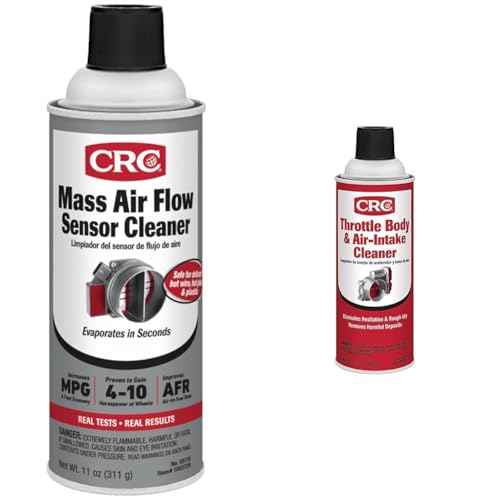
Your mass airflow (MAF) sensor measures incoming air volume so the ECU can calculate the correct fuel injection pulse. A dirty or failing MAF (codes P0171, P0174) causes lean or rich conditions, hesitation, and stalling. Cleaning the delicate hot-wire element with MAF-specific cleaner often restores function.
Never use brake cleaner or carb cleaner on a MAF sensor, these solvents leave residue and damage the sensor film. Use only CRC Mass Air Flow Sensor Cleaner designed for sensitive electronics.
Catalytic Converter and Vacuum Leak Problems
Catalytic converter efficiency codes (P0420, P0430) appear when downstream oxygen sensors detect insufficient pollutant reduction. This can mean a genuinely failed cat, but it can also indicate upstream problems, exhaust leaks, faulty O2 sensors, or even low-quality fuel.
Vacuum leaks (from intake boot cracks, PCV valve failures, or brake booster hose splits) allow unmetered air past the MAF sensor, throwing off air-fuel calculations. Your engine runs lean, idles rough, and logs P0171/P0174 system lean codes.
Essential Diagnostic Steps Before Resetting
Retrieving Diagnostic Trouble Codes
Before you clear anything, you need to read what the ECU stored. Plug an OBD-II scanner into the diagnostic port (located under the driver-side dash, near the steering column) and turn the ignition to position II without starting the engine. The scanner will pull stored codes, pending codes, and freeze-frame data showing the exact conditions when the fault occurred.
Write down every code. Don’t rely on memory, you’ll need these numbers to verify the repair and cross-reference symptoms. Use a scanner that supports BMW-specific codes, not just generic OBDII. Tools like the FIXD OBD-II Active Car Health Monitor provide smartphone integration and clear code definitions.

Identifying Code P0171 and Its Significance
P0171 (System Too Lean, Bank 1) is one of the most frequent BMW codes. It means the ECU detected a lean air-fuel mixture, too much air, not enough fuel. Common causes include vacuum leaks, failing MAF sensors, clogged fuel filters, weak fuel pumps, or intake boot tears.
Don’t just clear P0171 and hope it stays away. Inspect intake boots (especially the accordion section on N52 engines), check vacuum line routing, and test fuel pressure. According to BMW repair forums, unresolved P0171 codes often return within 10–20 miles if the root cause isn’t addressed.
Role of the OBD-II Scanner in Troubleshooting
A quality OBD-II scanner does more than read codes. It displays live data streams, oxygen sensor voltages, short-term and long-term fuel trims, coolant temperature, throttle position, and MAF airflow readings. This real-time feedback helps you pinpoint intermittent faults that don’t always store a code.
For BMW-specific diagnostics, consider software like BimmerLink or ISTA/INPA. These tools access hidden modules (ABS, airbag, transmission, climate control) and provide coding/adaptation functions beyond generic scanners.
When to Consult a Certified BMW Technician
If you see codes related to the DME (digital motor electronics), transmission adaptations, or ABS/DSC modules, professional diagnostics may be necessary. These systems require specialized tools and software updates that generic scanners can’t perform.
Recurring codes after multiple repairs, intermittent faults with no clear pattern, or check engine lights accompanied by limp mode (reduced power) all warrant a trip to a BMW-certified technician. Complex electrical gremlins often need oscilloscope testing and wiring diagrams.
How to Properly Reset Your BMW Check Engine Light
Using an OBD-II Scanner to Clear Fault Codes
Once you’ve repaired the underlying problem, clearing codes is straightforward. With your OBD-II scanner connected and ignition on (engine off), navigate to “Clear Codes” or “Erase DTCs.” The scanner sends a command to the ECU, wiping stored and pending codes. The check engine light turns off immediately.
Don’t clear codes before reading freeze-frame data. You’ll lose valuable diagnostic information showing RPM, speed, load, and temperature when the fault occurred. After clearing, take a short test drive to confirm the light stays off.
Battery Disconnection Method
Disconnecting the negative battery terminal for 15 minutes will erase fault codes, but it also resets radio presets, clock, window calibrations, and adaptive transmission settings. You’ll need to re-learn idle and throttle adaptations, which can cause rough running for 20–30 miles.
Use a 10mm wrench to loosen the negative terminal clamp. Wait 15 minutes, then reconnect and tighten. Turn the ignition on for 30 seconds before starting to allow module initialization. This method works but isn’t ideal, dedicated scanners preserve vehicle settings.
Drive Cycle Reset After Repairs
After clearing codes, BMW readiness monitors remain “not ready” until the ECU completes a drive cycle. Most states require all monitors (except EVAP on some models) to show “ready” for emissions testing. A typical BMW drive cycle includes:
- Cold start (engine below 122°F)
- Idle for 2–3 minutes
- Steady 40–60 mph cruise for 10 minutes
- Light acceleration and deceleration
- Highway speed (65+ mph) for 5 minutes
- City driving with stops
Monitors set at different points. Oxygen sensor monitors complete quickly: EVAP and catalyst monitors may need 50–100 miles. Check monitor status with your scanner before inspection.
BMW Check Engine Light Reset for Different Models
E-chassis models (E46, E90, E60) use simpler diagnostic protocols. Most aftermarket scanners clear codes without issue. F-chassis (F30, F10) and G-chassis (G20, G30) vehicles have encrypted modules that may require BMW-specific software for certain resets.
Some hidden cluster menus (accessed by holding the trip odometer reset button while turning ignition on) allow code clearing on older models, but this method is unreliable and doesn’t verify the repair. Stick with proper OBD-II tools.
Troubleshooting Persisting or Returning Check Engine Lights
Handling Stuborn or Recurring Trouble Codes
If the light returns within minutes or miles, your repair didn’t address the root cause. Re-scan for codes, the new code may differ from the original, pointing to a related system. Multiple codes often share a common failure point (like a vacuum leak causing both P0171 and P0174).
“Fixed my N54 misfires three times before realizing the ‘new’ coils I bought online were knockoffs. Switched to genuine BMW parts and the codes finally stayed gone.” via r/BmwTech
Check for technical service bulletins (TSBs) related to your specific code and model year. BMW issues TSBs for known defects, software updates, revised parts, or modified procedures that address widespread issues.
When Advanced Diagnostics Are Needed
Intermittent faults that don’t store codes require deeper analysis. A mechanic may use smoke testing (pumping theatrical fog through the intake to reveal vacuum leaks), fuel pressure logging, or oscilloscope waveform analysis to catch problems that only appear under specific load or temperature conditions.
Certain codes (like those involving the VANOS system, high-pressure fuel pump, or turbocharger wastegate) demand specialized tools and experience. The Autel MaxiCOM MK808 offers advanced module coding for serious DIYers.

Avoiding Common Mistakes After a Reset
Don’t drive straight to emissions testing after clearing codes. Unready monitors guarantee automatic failure. Complete a full drive cycle first, most states allow one or two unready monitors, but check your local requirements.
Never clear codes to mask a serious problem. Ignoring misfires damages catalytic converters (expensive). Ignoring lean codes causes piston wash and bearing wear. The check engine light exists to prevent catastrophic damage, respect it.
“I kept resetting my cat code to pass inspection. Three months later, chunks of catalyst substrate destroyed my turbos. $6,000 lesson learned.” via BimmerPost
Always verify the repair. If you’re not confident in your diagnosis, consult a professional before spending money on parts. BMW repair guides at RepairPal provide detailed troubleshooting steps and cost estimates for common repairs.
Frequently Asked Questions
How do I reset the BMW check engine light after fixing the problem?
Use an OBD-II scanner to clear fault codes from the engine control unit (ECU), or complete a full drive cycle (50–100 miles under varied conditions). The scanner method is fastest; simply connect the device, navigate to ‘Clear Codes,’ and the light turns off immediately after the repair is verified.
What are the most common causes of a BMW check engine light?
The most common triggers include a loose gas cap, ignition coil failures, mass airflow (MAF) sensor issues, vacuum leaks, and catalytic converter problems. A loose gas cap alone causes roughly 20% of check engine lights; always inspect the EVAP system seal first.
Can I disconnect the battery to reset my BMW check engine light?
Yes, disconnecting the negative battery terminal for 15 minutes erases codes, but it also resets radio presets, clock, and transmission adaptations. Your BMW may run rough for 20–30 miles afterward. An OBD-II scanner is the better option for preserving vehicle settings.
What is a drive cycle, and why do I need one after clearing codes?
A drive cycle is a specific driving pattern (cold start, idle, cruising, highway speeds) that allows the ECU to verify repairs and set readiness monitors to ‘ready.’ Most states require all monitors ready before emissions testing; a typical cycle takes 50–100 miles under varied driving conditions.
What should I do if the BMW check engine light returns after reset?
Re-scan for codes immediately; the new code may differ from the original, indicating the root cause wasn’t fully addressed. Check technical service bulletins (TSBs) for your model year, and avoid masking problems with repeated resets, as ignoring serious issues like misfires can damage your catalytic converter.
Why does my OBD-II scanner need to read codes before I reset the check engine light?
Reading codes first captures freeze-frame data (RPM, speed, temperature when the fault occurred) that helps confirm your repair worked correctly. Clearing codes before diagnosis means losing valuable diagnostic information needed to verify the problem is genuinely resolved.
Read More:
- BMW Check Engine Light (Quick Diagnostic Guide to Fix It Fast)
- BMW X5 Check Engine Light (Means, Quick Fix Guide & Codes)
- BMW 330i Check Engine Light (Means, Causes and Quick Fix Guide)
- BMW X3 Check Engine Light (Means and Fix It Under 30 Minutes)
- BMW X1 Check Engine Light (Means, Cause and Diagnostic Guide)