
You’re driving your Chevy Trax, enjoying your commute, when the check engine light suddenly illuminates.
Your Chevy Trax check engine light signals a detected fault in the engine, emissions control system, or related sensors, requiring diagnostic trouble code retrieval using an OBD-II scanner to identify whether the issue stems from a simple fix like a loose gas cap or EVAP purge valve, or a serious problem such as a turbocharger underboost (P0299), PCV valve cover diaphragm failure, oxygen sensor fault, ignition coil misfire, or catalytic converter damage, each requiring different repair approaches and urgency levels.
Don’t panic just yet. The 2015–present Chevy Trax models, especially those equipped with the 1.4L turbocharged engine, share common vulnerabilities that trigger this warning. Understanding what caused your light to appear is the first step toward a cost-effective, safe repair.
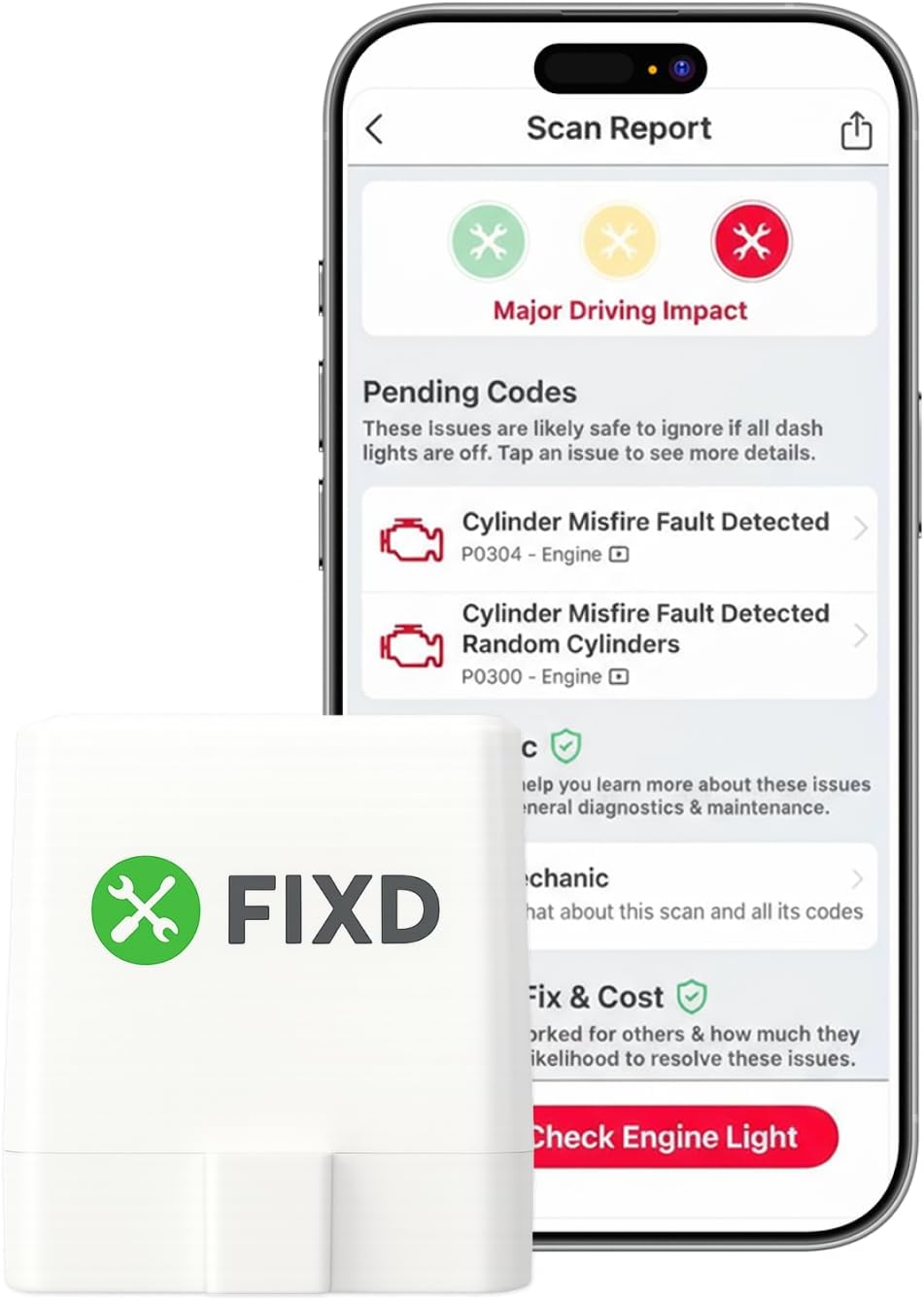
Best Bluetooth OBD2 Scanner
Detect 39,000+ Issues With Enhanced Codes. Save $1000s on car repairs & buying used vehicles by diagnosing problems yourself.
Shop on Amazon
Key Takeaways
- A Chevy Trax check engine light often stems from simple issues like a loose gas cap, which accounts for over 14% of all check engine warnings, but can also signal serious problems requiring an OBD-II scanner for diagnosis.
- Common causes in the Chevy Trax include ignition coil failures (especially after 60,000 miles), EVAP purge valve problems, oxygen sensor faults, and turbocharger underboost issues that require different repair urgency levels.
- A flashing check engine light demands immediate action—pull over and turn off the engine to prevent catalytic converter damage, while a steady light allows for driving cautiously to a repair facility.
- Retrieve diagnostic trouble codes using a mid-range OBD-II scanner ($50–100) with live data capability to identify the root cause before attempting any repairs or clearing the codes.
- Preventive maintenance including oil changes every 5,000 miles with dexos1 Gen 2 synthetic oil, spark plug replacement at 60,000 miles, and monthly underhood inspections can help avoid most check engine light issues.
- Know when to consult a mechanic: turbocharger wastegate replacement, catalytic converter installation, transmission control issues, and any signs of severe engine damage like overheating or metal grinding noises require professional expertise.
Common Reasons for Warning
Loose Gas Cap and EVAP System Faults
The most straightforward culprit behind your Chevy Trax check engine light is a loose, damaged, or missing gas cap. When the cap seal fails, fuel vapors escape instead of being captured by the evaporative emissions (EVAP) system. This triggers codes like P0442 (small EVAP leak) or P0455 (large EVAP leak). According to a 2025 CarMD report, over 14% of all check engine lights stem from gas cap issues alone.
“Literally just my gas cap. Tightened it, cleared the code with my scanner, and the light stayed off. Saved $100 at the dealer.” via r/ChevyTrax
Another frequent EVAP fault in the Trax platform is code P0496, indicating a stuck-open EVAP purge valve. This valve, which sits between the charcoal canister and intake manifold, can stick due to carbon buildup. You’ll notice rough idle, hesitation, or fuel smell when this happens. Replacing the purge valve is an affordable DIY task: EVAP purge valves for the Chevy Trax run under $40 on Amazon and require minimal tools.

Ignition System Failures
The Trax’s ignition coil packs and spark plugs are notorious for failing prematurely, especially if you’ve exceeded 60,000 miles without replacement. When a coil pack fails, you’ll see misfire codes: P0300 (random misfire), P0301 (cylinder 1 misfire), P0302 (cylinder 2), and so on. Symptoms include rough idle, loss of power, engine shaking, and poor fuel economy.
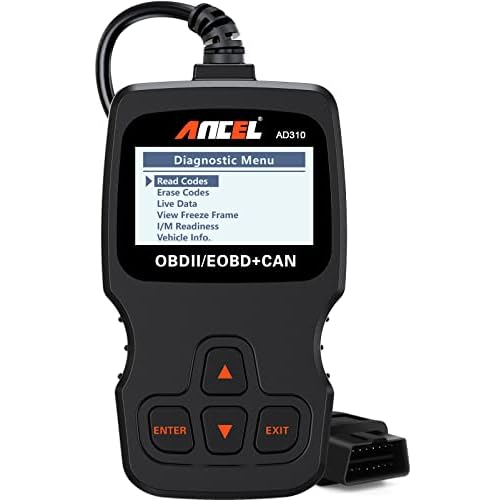
Ignition coils on the 1.4L Turbo can fail due to heat stress. The turbocharger generates significant underhood temperatures, accelerating coil insulation breakdown. If you notice engine hesitation during acceleration, pull codes immediately. Replacing spark plugs and coil packs as a set prevents repeat failures. Consider a quality OBD-II scanner like the ANCEL AD310 OBD2 Scanner to read and clear codes at home.
Sensor and Airflow Issues
Oxygen (O2) sensors monitor exhaust gas composition to optimize fuel trim. The Chevy Trax has upstream (pre-cat) and downstream (post-cat) O2 sensors. Codes like P0131, P0137, or P0141 indicate sensor circuit faults or heater failures. A failing upstream O2 sensor can cause poor fuel economy, sluggish throttle response, and failed emissions tests.
Mass airflow (MAF) sensor contamination is another common trigger. Dirt and oil from an over-oiled aftermarket air filter can coat the MAF’s hot-wire element, causing incorrect airflow readings. Code P0101 (MAF range/performance) signals this issue. Clean the MAF sensor using dedicated MAF cleaner, never carburetor cleaner, which can damage the delicate wire.
For Trax owners experiencing P0299 turbocharger underboost codes, the culprit is often a failing wastegate actuator or boost control solenoid. The turbo can’t reach target boost pressure, triggering limp mode and power loss. This requires professional diagnosis, as wastegate actuator replacement involves turbocharger removal.
Catalytic Converter and Exhaust Concerns
Catalytic converter efficiency codes (P0420 or P0430) appear when the downstream O2 sensor detects insufficient emissions cleanup. This can result from normal converter aging beyond 100,000 miles, or premature failure caused by prolonged engine misfires that dump unburned fuel into the exhaust.
Before replacing an expensive catalytic converter, verify that upstream O2 sensors and ignition components are functioning correctly. Many shops sell unnecessary catalytic converters when the real issue is a $30 O2 sensor. The Trax’s catalytic converter sits integrated into the exhaust manifold, making replacement labor-intensive and costly.
Diagnosing Warning Light Causes
Reading Diagnostic Trouble Codes (DTCs)
Your first move is retrieving the diagnostic trouble codes stored in your Trax’s powertrain control module (PCM). Codes are standardized five-character identifiers (e.g., P0171, P0442) that pinpoint fault areas. You need an OBD-II scanner to read them. Plug the scanner into the OBD-II port, located under the driver’s side dashboard near the steering column.
Basic code readers display the code number and a brief description. More advanced scanners show live data streams, freeze-frame data (conditions when the code set), and pending codes. For serious DIY diagnostics, consider the BlueDriver Bluetooth Pro OBDII Scan Tool, which pairs with your smartphone and provides detailed code explanations, repair reports, and emissions readiness status.

Write down all active and pending codes before clearing them. Multiple codes often share a root cause. For example, P0171 (system too lean) plus P0299 (turbo underboost) may indicate a boost leak or PCV system failure.
Noticing Symptoms: Rough Idle, Hesitation, and Loss of Power
Pay attention to how your Trax behaves alongside the check engine light. Rough idle and engine shaking at stops suggest ignition misfires or vacuum leaks. Hesitation during acceleration points to turbo underboost, clogged fuel injectors, or failing MAF sensors. Black smoke from the exhaust indicates rich fuel mixture: white or blue smoke suggests coolant or oil entering combustion chambers.
Listen for unusual sounds. A high-pitched whistle or hissing under acceleration signals boost leaks in the turbocharger system. Rattling from the engine bay may indicate timing chain stretch (rare but serious). Knocking or pinging suggests spark knock or pre-ignition, often caused by carbon buildup or bad fuel.
Monitor fuel economy. A sudden drop in MPG without explanation usually accompanies sensor failures or ignition issues. The Trax’s 1.4L Turbo should deliver 25–33 MPG combined: if you’re seeing below 20 MPG, investigate immediately.
Using OBD-II Scanners Effectively
Not all OBD-II scanners are equal. Basic code readers cost $20–30 and display codes only. Mid-range scanners ($50–100) offer code clearing, live data, and freeze-frame info. Professional-grade tools ($200+) provide bi-directional controls, actuator tests, and module programming.
For Trax ownership, a mid-range scanner with live data capability is ideal. Monitor short-term and long-term fuel trims (STFT/LTFT) to diagnose air leaks or fuel delivery issues. Check coolant temperature to verify thermostat operation, the Trax’s plastic thermostat housing is prone to cracking and leaking, triggering P0128 (coolant temp below thermostat regulating temp).
Freeze-frame data shows engine RPM, load, speed, and sensor values at the moment the code set. This helps isolate intermittent faults that only occur under specific conditions, like highway cruising or cold starts.
When to Consult a Mechanic
Some issues exceed DIY capability. If you see codes related to transmission control (P0700 series), ABS/traction control (C-codes), or airbag systems (B-codes), professional diagnosis is necessary. Turbocharger wastegate replacement, catalytic converter installation, and internal engine repairs require specialized tools and expertise.
“Had P0299 underboost and thought I could fix it. Ended up being the wastegate actuator stuck. Shop charged $850 for turbo removal and actuator replacement. Worth every penny vs. trying myself.” via TraxTalk Forum
If your Trax exhibits severe symptoms, smoking, overheating, metal grinding noises, or complete power loss, stop driving and arrange towing. Continuing operation can transform a $200 repair into a $3,000 engine rebuild.
Interpreting Flashing Versus Steady
Severity of a Flashing Check Engine Light
A steady check engine light indicates a detected fault that doesn’t pose immediate engine damage risk. You can drive cautiously to a repair facility. A flashing check engine light, but, signals an active engine misfire severe enough to damage the catalytic converter within minutes. Pull over safely and shut off the engine immediately.
When cylinders misfire, unburned fuel passes into the exhaust system. This fuel ignites inside the catalytic converter, generating temperatures exceeding 1,600°F, well above the converter’s design limit. Repeated overheating destroys the converter’s ceramic substrate, requiring replacement that can exceed $1,200 for the Trax’s integrated manifold-converter assembly.
Cylinder Misfire Codes (P0300 and P0301)
Code P0300 indicates random misfires across multiple cylinders, suggesting fuel delivery problems, vacuum leaks, or severely worn spark plugs. Codes P0301 through P0304 pinpoint specific cylinders (1, 2, 3, or 4). Single-cylinder misfires usually stem from a bad ignition coil or fouled spark plug on that cylinder.
Misfire causes include:
- Worn spark plugs: Gap exceeds specification, causing weak spark
- Failed coil pack: No spark delivery to cylinder
- Fuel injector clog: Insufficient fuel in combustion chamber
- Low compression: Worn piston rings, valves, or head gasket leak
- Vacuum leak: Unmetered air creates lean misfire
If you’ve recently replaced spark plugs and still see misfires, suspect faulty ignition coils or fuel injector issues. The Trax’s direct-injection system can develop carbon buildup on intake valves, causing intermittent misfires that worsen when cold.
Potential Engine and Catalytic Converter Damage
Continued driving with a flashing check engine light risks catastrophic catalytic converter failure. Molten substrate material can break apart, blocking exhaust flow and causing severe backpressure. You’ll experience sudden power loss, inability to accelerate, and potential engine stalling.
Repeated misfires also wash cylinder walls with raw fuel, diluting engine oil and accelerating wear. Over time, this leads to scored cylinder walls, worn piston rings, and increased oil consumption, repairs costing thousands of dollars.
The Trax’s turbocharged engine compounds these risks. Unburned fuel entering the turbocharger can damage the turbine wheel and bearings. Oil-cooled turbochargers rely on clean, properly viscous oil: fuel contamination degrades lubrication rapidly.
Safe Driving Measures and Immediate Actions
When the check engine light flashes, immediately:
- Reduce speed and avoid heavy acceleration
- Turn off non-essential electrical loads (A/C, heated seats)
- Pull over safely at the first opportunity
- Turn off the engine and let it cool for 10 minutes
- Check for obvious issues: disconnected wires, loose hoses, fluid leaks
If the light stops flashing and becomes steady after restarting, drive directly to a repair facility at moderate speed. Avoid highway speeds and hard acceleration. If the light continues flashing, arrange for towing. The $100 tow bill prevents a $2,000+ repair.
Never ignore a flashing check engine light. Unlike steady lights, which can sometimes wait for scheduled maintenance, flashing lights demand immediate action to prevent cascading damage.
Next Steps: Reset, Repair, Maintenance
How to Reset the Check Engine Light
After addressing the root cause, you can reset the check engine light using your OBD-II scanner. Select “Clear Codes” or “Erase DTCs” from the scanner menu. This clears stored trouble codes and extinguishes the light. The PCM will also clear codes automatically after 40–80 warm-up cycles if the fault doesn’t recur.
Alternatively, disconnect the negative battery cable for 15 minutes. This resets all vehicle computer modules but also erases radio presets, clock settings, and learned idle/fuel trim values. The engine may run rough for 20–30 miles while the PCM relearns operating parameters.
Never clear codes without first documenting them. Clearing hides diagnostic information that helps identify patterns and root causes. If the light returns immediately after clearing, the fault is still active.
Key Repairs: Sensors, Spark Plugs, and Coils
Common Chevy Trax repairs include:
| Component | Typical Failure Mileage | DIY Difficulty | Repair Approach |
|---|---|---|---|
| Spark Plugs | 60,000–80,000 miles | Easy | Replace all four plugs together with OEM-spec iridium plugs |
| Ignition Coils | 70,000–100,000 miles | Easy | Replace failed coil: consider replacing all four preventively |
| Upstream O2 Sensor | 80,000–120,000 miles | Moderate | Use O2 sensor socket: apply anti-seize to threads |
| EVAP Purge Valve | 50,000–90,000 miles | Easy | Located on engine top: two bolts and vacuum lines |
| PCV Valve Cover | 40,000–80,000 miles | Moderate | Entire valve cover replacement: common on 1.4L Turbo |
| MAF Sensor | 100,000+ miles | Easy | Clean with MAF cleaner spray: replace if cleaning fails |
Use OEM or high-quality aftermarket parts. Cheap ignition coils and O2 sensors often fail prematurely, triggering repeat check engine lights.
Preventive Maintenance and Service Intervals
Prevent check engine lights by following these maintenance intervals:
- Oil changes: Every 5,000 miles with full-synthetic oil (dexos1 Gen 2 spec)
- Spark plugs: Every 60,000 miles or per severe service schedule
- Air filter: Every 30,000 miles or annually
- Fuel system cleaner: Every 5,000 miles to prevent injector clogging
- Turbo inspection: Check for oil leaks, boost leaks, and wastegate operation at 60,000 miles
The Trax’s 1.4L Turbo demands high-quality synthetic oil meeting GM’s dexos1 specification. Using conventional oil or extended drain intervals accelerates turbocharger wear and carbon buildup.
Monitor coolant level weekly. The plastic thermostat housing and coolant outlet tend to develop hairline cracks, causing slow coolant loss and triggering P0128 codes. Inspect hoses and clamps for swelling, cracking, or seepage.
Role of Air Filters and System Checks
A clean engine air filter ensures proper airflow and MAF sensor accuracy. Inspect the filter every oil change. If you drive in dusty conditions, replace it more frequently. Over-oiled aftermarket performance filters can contaminate the MAF sensor, triggering false airflow readings and check engine lights.
Perform visual underhood inspections monthly. Look for disconnected vacuum lines, cracked intake boots, oil leaks, and loose wiring connectors. The Trax’s engine bay is compact but accessible: most sensors and components are visible from above.
Check your gas cap seal annually. Replace the cap if the rubber seal shows cracks, hardening, or damage. A $15 OEM gas cap prevents frustrating EVAP codes and diagnostic hassles.
Consider a maintenance log to track repairs, codes, and symptoms. Patterns emerge over time, helping you and your mechanic identify recurring issues specific to your vehicle. For example, if P0299 underboost codes appear only during hot weather, suspect heat-related wastegate actuator binding.
Frequently Asked Questions
What does a Chevy Trax check engine light mean?
A Chevy Trax check engine light signals a detected fault in the engine, emissions control system, or related sensors. The issue ranges from simple (loose gas cap) to serious (turbocharger failure). Use an OBD-II scanner to retrieve diagnostic trouble codes that identify the specific problem.
Why is my Chevy Trax check engine light on?
Common causes include a loose or damaged gas cap, EVAP purge valve failure, faulty ignition coils, oxygen sensor faults, or catalytic converter issues. The 1.4L turbocharged engine is prone to misfire codes and turbocharger underboost (P0299). Retrieve codes with an OBD-II scanner to diagnose accurately.
Can I drive my Chevy Trax with the check engine light on?
A steady check engine light allows cautious driving to a repair facility. A flashing light signals active misfires damaging the catalytic converter and demands immediate shutdown. Pull over, turn off the engine, and arrange towing to prevent $2,000+ in repairs.
How do I reset the Chevy Trax check engine light?
After fixing the root cause, use an OBD-II scanner to select “Clear Codes” or “Erase DTCs.” Alternatively, disconnect the negative battery cable for 15 minutes, though this erases radio presets and engine trim values. Never clear codes without documenting them first.
What is code P0299 on a Chevy Trax?
Code P0299 indicates turbocharger underboost, meaning the turbo can’t reach target boost pressure. This stems from a failing wastegate actuator, boost control solenoid, or boost leaks. The issue requires professional diagnosis and turbocharger removal, typically costing $800–$1,000+ in repair labor.
How often should I replace spark plugs and ignition coils in a Chevy Trax?
Replace spark plugs every 60,000–80,000 miles and ignition coils every 70,000–100,000 miles on the Chevy Trax. The 1.4L turbocharged engine is prone to premature coil failure due to heat stress. Replace all plugs and coils together to prevent repeat misfire codes.
Read More:
- Chevy Check Engine Light (Means, Root Causes & How to Fix It)
- Chevy Silverado Check Engine Light (Meaning, Causes and Quick Fix Guide)
- Chevy Equinox Check Engine Light (Means, Cause and How to Fix It)