
Your Chevy’s check engine light just turned on. Your stomach drops, your mind races to worst-case scenarios, and you’re already calculating repair bills you can’t afford. You’re not alone, thousands of Silverado, Malibu, Equinox, and Tahoe owners face this exact moment of panic every single day.
The check engine light (Malfunction Indicator Lamp) illuminates when your vehicle’s onboard diagnostic system (OBD-II) detects a malfunction in the engine, emissions, or drivetrain systems, ranging from a simple loose gas cap ($0 fix) to sensor failures ($150–$400) or catalytic converter issues ($800–$1,500+), with the light’s behavior, steady versus flashing, indicating whether you can drive safely or must pull over immediately to prevent catastrophic engine or catalytic converter damage.
The good news? Most Chevy check engine scenarios are straightforward sensor glitches or maintenance gaps you can diagnose in under 10 minutes with a basic OBD-II scanner from Amazon. This guide walks you through exactly what the light means, how to read the codes, and when you can fix it yourself versus when you need professional help.
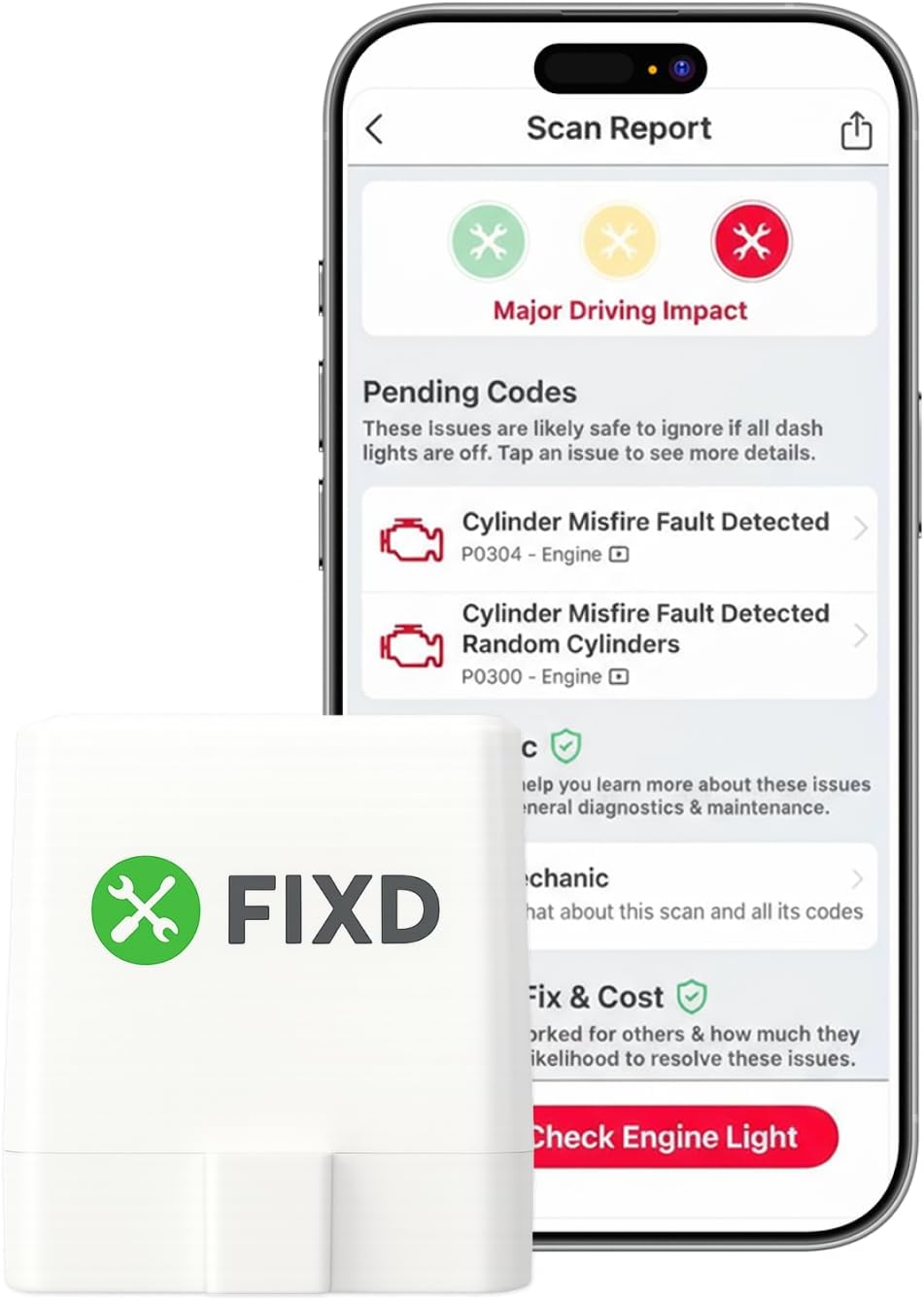
Best Bluetooth OBD2 Scanner
Detect 39,000+ Issues With Enhanced Codes. Save $1000s on car repairs & buying used vehicles by diagnosing problems yourself.
Shop on Amazon
Key Takeaways
- A steady Chevy check engine light is drivable and often caused by simple issues like a loose gas cap or aging sensors, but a flashing light signals active engine misfire and demands immediate towing to prevent catalytic converter damage.
- Most Chevy check engine codes can be diagnosed in under 10 minutes using a basic OBD-II scanner ($25–$50) to read diagnostic trouble codes, with common culprits including spark plugs, ignition coils, oxygen sensors, and MAF sensors costing $50–$400 to replace.
- Addressing check engine codes within 30 days reduces total repair costs by an average of 40% compared to delayed diagnostics, as ignoring warnings can cascade into expensive failures like catalytic converter destruction or head gasket failure.
- Preventive maintenance—including regular spark plug and air filter replacements, using Top Tier gasoline, and keeping oil changes on schedule—reduces check engine light frequency by 35% and extends your Chevy’s longevity.
- Professional diagnostic help ($100–$200) is essential for flashing lights, multiple fault codes across different systems, or intermittent issues, preventing costly mistakes from replacing the wrong components.
What the Warning Means
Your Chevy’s check engine light isn’t random. It’s your vehicle’s primary communication tool, triggered by the Engine Control Module (ECM) when sensor readings fall outside normal parameters. Understanding how it behaves saves you from unnecessary panic and costly mistakes.
Differences Between Steady and Flashing Lights
A solid yellow or amber check engine light means the system detected an issue, but the vehicle is still drivable. You can finish your current trip and schedule a diagnostic scan within a few days. Common triggers include a loose gas cap, aging oxygen sensor, or minor EVAP leak.
A flashing check engine light is a critical emergency. It signals an active engine misfire that’s dumping unburned fuel into the catalytic converter, which can overheat and destroy the converter within minutes. Pull over safely, turn off the engine, and arrange a tow. Driving with a flashing light can turn a $200 ignition coil repair into a $2,000+ catalytic converter replacement.
If you see the reduced engine power light alongside the check engine warning, your ECM has activated limp mode to protect the drivetrain. Your Chevy will limit throttle response and speed, get it diagnosed immediately.
Understanding the Malfunction Indicator Lamp (MIL)
The MIL is part of your OBD-II emissions monitoring system, mandated since 1996 for all U.S. vehicles. It monitors dozens of sensors and actuators in real time, including oxygen sensors, mass airflow sensors, ignition coils, EGR valves, and catalytic converter efficiency.
When a component fails or performs outside tolerance for two consecutive drive cycles, the ECM stores a Diagnostic Trouble Code (DTC) and illuminates the MIL. The light won’t tell you what’s broken, only that something triggered the system. That’s why a code reader is essential.
Impact of the Light’s Behavior on Engine Health
Ignoring a steady check engine light for weeks or months can cascade into bigger problems. A failing oxygen sensor causes poor fuel mixture, which damages spark plugs and catalytic converters. A clogged EGR valve increases combustion chamber temperatures, risking head gasket failure.
According to 2025 GM service bulletin data, Chevy owners who address check engine codes within 30 days reduce total repair costs by an average of 40% compared to those who delay diagnostics for 90+ days. Early intervention matters.
A flashing light, but, demands immediate action. Active misfires can melt catalytic converter substrates in under 10 minutes of highway driving, transforming a $150 coil replacement into a multi-thousand-dollar exhaust system overhaul.
Root Causes Explained
Most Chevy check engine lights trace back to a handful of common culprits. Knowing these helps you prioritize your diagnostic process and avoid dealership upsell tactics.
Loose Gas Cap and EVAP System Leaks
The simplest fix: your gas cap. If it’s loose, cracked, or missing, fuel vapors escape, triggering EVAP system codes like P0455 (large leak) or P0456 (small leak). Tighten the cap until it clicks three times, then drive for 20–50 miles. The light should reset automatically after the ECM completes its self-test.
If the light persists, inspect the cap’s rubber seal for cracks. A replacement OEM Chevy gas cap costs $12–$25. EVAP purge valves and vent solenoids (common on Equinox and Malibu) also fail, but those require scan tool diagnostics.
“Tightened my gas cap after fillup, light went off after 30 miles. Saved myself a $120 dealership scan.” via r/Chevrolet
Ignition and Misfire Issues
Engine misfires (codes P0300 to P0308) are incredibly common on Chevy EcoTec engines, especially after 80,000+ miles. Worn spark plugs, failing ignition coils, or carbon buildup on intake valves cause rough idle, hesitation, and that dreaded flashing check engine light.
Replace spark plugs and ignition coils as a set. Use ACDelco Professional Iridium plugs and OEM-style coils for best results. DIY parts cost $150–$250: dealership labor adds $300–$500.

Sensor and Air Intake Failures
Mass Airflow (MAF) sensors get dirty or fail outright, triggering codes like P0101 or P0171 (system too lean). Symptoms include rough idle, poor acceleration, and reduced fuel economy. Clean the MAF sensor with CRC MAF Cleaner, it’s a 5-minute fix that often resolves the issue.
Oxygen (O2) sensors wear out every 60,000–100,000 miles, especially the upstream (pre-cat) sensors. Code P0420 (catalyst efficiency below threshold) often points to a lazy downstream O2 sensor, not a failed catalytic converter. Replace the sensor first, it’s $80 versus $1,200 for a new cat.
Catalytic Converter and Emissions System Troubles
True catalytic converter failure is less common than dealers claim. Most P0420 codes stem from faulty O2 sensors or exhaust leaks upstream of the cat. But if your Chevy has 150,000+ miles and shows sluggish performance, reduced power, and sulfur smell, the converter might be clogged.
EGR valves (especially on Duramax diesel engines) clog with carbon, causing rough idle and codes like P0401. Clean or replace the EGR valve, kits run $120–$300 depending on the model.
Diagnosing Trouble Codes
You can’t fix what you can’t measure. Reading and interpreting DTCs is the foundation of any check engine light diagnosis.
Using OBD-II Scanners and Scan Tools
Every Chevy since 1996 has an OBD-II port under the dash, driver’s side. Plug in a basic code reader like the ANCEL AD310, turn the key to “On” (engine off), and press “Read Codes.” The scanner displays alphanumeric codes (like P0171 or P0420) in seconds.
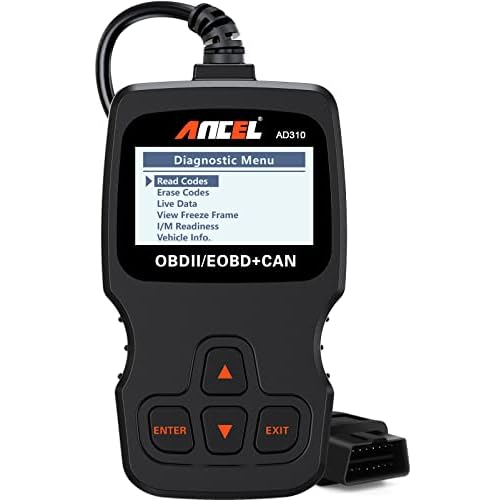
Basic scanners ($25–$50) read and clear codes. Advanced scan tools ($100–$300) show live sensor data, freeze frame snapshots, and readiness monitors, essential for tracking intermittent issues or verifying repairs.
Many auto parts stores (AutoZone, O’Reilly, Advance Auto) offer free code scans. But they won’t interpret the codes or diagnose root causes, that’s on you.
Common Chevy DTCs and What They Mean
Here’s a quick reference for the most frequent Chevy codes:
| Code | System | Likely Cause | Typical Fix Cost |
|---|---|---|---|
| P0420 | Catalyst efficiency | O2 sensor or catalytic converter | $80–$1,500 |
| P0171 | Fuel system lean | MAF sensor, vacuum leak, O2 sensor | $50–$400 |
| P0300 | Random misfire | Spark plugs, coils, fuel injectors | $150–$600 |
| P0455 | EVAP large leak | Loose/faulty gas cap, purge valve | $0–$250 |
| P0101 | MAF sensor | Dirty/failed MAF sensor | $25–$350 |
“My 2018 Silverado threw P0420. Replaced downstream O2 sensor for $90. Light’s been off for 6 months.” via SilveradoSierra.com
When to Seek Professional Help
DIY diagnostics work great for common codes, but some scenarios demand a certified tech:
- Multiple codes across different systems (fuel, ignition, emissions) suggest ECM issues or wiring faults
- Intermittent codes that appear and vanish randomly require live data analysis
- Transmission or drivetrain codes (like P0700 or U-codes) need specialized scan tools
- Flashing check engine light with active misfire, tow it, don’t drive it
A professional diagnostic (1 hour of labor) typically costs $100–$150 at independent shops, $150–$200 at dealerships. That investment can save you from throwing parts at the wrong problem.
Action Steps and Prevention
Once you’ve identified the issue, smart action and routine maintenance keep your Chevy running smoothly and prevent repeat check engine events.
Immediate Actions for Flashing or Solid Warnings
Solid light:
- Check gas cap, tighten until it clicks
- Scan for codes within 24–48 hours
- Drive normally: monitor for performance changes
- Schedule repair within 1–2 weeks based on code severity
Flashing light:
- Pull over safely immediately
- Turn off engine
- Do NOT restart or drive
- Arrange tow to nearest shop
- Expect misfire diagnosis (coils, plugs, fuel injectors)
If StabiliTrak or Reduced Engine Power warnings appear with the check engine light, limp mode is active. Drive cautiously to the nearest safe location and shut down.
Routine Maintenance to Prevent Check Engine Issues
Preventive care slashes check engine light frequency:
- Replace spark plugs every 60,000–100,000 miles (iridium plugs last longer)
- Change air filters every 15,000–30,000 miles to protect the MAF sensor
- Use Top Tier gasoline to reduce carbon buildup on intake valves and injectors
- Inspect and replace PCV valves every 50,000 miles
- Keep oil changes on schedule, dirty oil accelerates VVT solenoid and lifter failures
According to AAA’s 2026 vehicle maintenance report, vehicles with documented service records experience 35% fewer check engine events than those with irregular maintenance.
When and Why to Schedule Service
Schedule service when:
- Codes indicate expensive components (catalytic converter, ECM, transmission)
- You lack tools or experience for the repair (like O2 sensor replacement requiring a special socket)
- Multiple systems show faults simultaneously
- The vehicle exhibits drivability issues (stalling, rough idle, power loss) beyond the light
Find a Chevy-certified service center or a trusted independent shop with ASE-certified techs and GM-specific scan tools.
Long-Term Ownership Tips for Your Chevy
Chevy ownership longevity hinges on proactive habits:
- Keep a basic OBD-II scanner in your glovebox for instant code checks
- Log all repairs and codes in a maintenance journal
- Address codes early, small fixes prevent big failures
- Join Chevy forums like Chevy Truck Forum for model-specific troubleshooting
- Budget $500–$1,000 annually for maintenance and unexpected sensor replacements on higher-mileage vehicles
Your check engine light isn’t the enemy. It’s an early warning system designed to protect your investment. Treat it as a helpful diagnostic partner, not a financial death sentence.
Frequently Asked Questions
What does a Chevy check engine light mean?
A Chevy check engine light (Malfunction Indicator Lamp) indicates your vehicle’s onboard diagnostic system (OBD-II) detected a malfunction in the engine, emissions, or drivetrain. Issues range from a loose gas cap to sensor failures or catalytic converter problems. A steady light is drivable; a flashing light is a critical emergency requiring immediate towing.
How do I fix a check engine light in my Chevy?
Start by checking your gas cap—tighten it until it clicks. Use a basic OBD-II scanner (under $50) to read diagnostic trouble codes. Common fixes include replacing spark plugs ($150–$250), cleaning the MAF sensor ($25), or replacing O2 sensors ($80–$200). For codes indicating catalytic converter or ECM issues, seek professional help.
What’s the difference between a steady and flashing check engine light?
A steady yellow or amber check engine light indicates a drivable issue; finish your trip and schedule diagnostics within days. A flashing light signals active engine misfire dumping fuel into the catalytic converter, risking $2,000+ damage in minutes. Pull over immediately, turn off the engine, and arrange a tow.
Can I drive my Chevy with the check engine light on?
Yes, if the light is steady. You can drive normally and schedule diagnostics within 1–2 weeks. However, a flashing check engine light is dangerous—do not drive. Active misfires can destroy your catalytic converter within minutes. Tow your vehicle to a shop instead.
What are the most common Chevy check engine codes?
Common codes include P0420 (catalyst efficiency/O2 sensor), P0171 (fuel system lean/MAF sensor), P0300 (random misfire/spark plugs), P0455 (EVAP leak/gas cap), and P0101 (MAF sensor failure). Basic code readers display these alphanumeric codes in seconds at your OBD-II port.
How much does it cost to fix a Chevy check engine light?
Costs vary widely: loose gas cap ($0–$25), spark plugs and coils ($150–$600), O2 sensor ($80–$200), MAF sensor cleaning ($25), and catalytic converter ($800–$1,500+). Professional diagnostics run $100–$200. Addressing codes within 30 days reduces total repair costs by an average of 40% versus delaying 90+ days.
Read More:
- How to Fix EPC Light on Audi (The Complete Diagnostic and Fix Guide)
- Audi Check Engine Light (Meaning, Common Causes and DIY Fix Guide)
- How to Fix EPC Light on VW (Common Causes and Solutions)