
You’re driving your Versa when suddenly that amber engine light glows on your dash. Your heart sinks. Is this expensive? Can you still drive? Should you pull over?
The Nissan Versa check engine light signals your onboard computer detected an emissions-related fault, ranging from a $5 loose gas cap to a $1,200 catalytic converter failure. A solid light means non-urgent issues you should address soon: a flashing light indicates active engine misfires requiring immediate attention to prevent catalytic damage.
This guide walks you through proven diagnostic steps, common Versa trouble codes like P0420 and P0300, and actionable fixes you can tackle yourself, so you regain control without very costly.
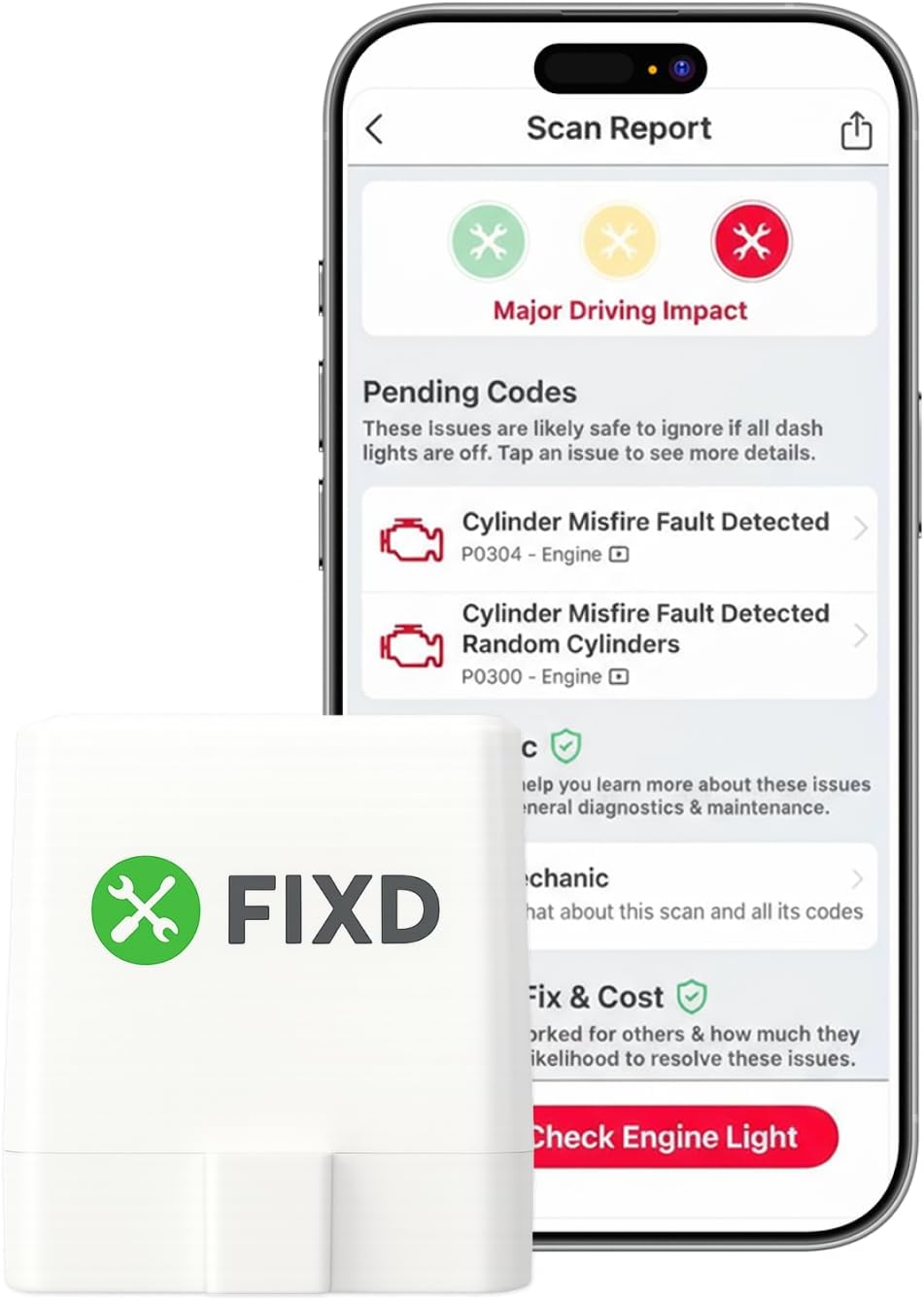
Best Bluetooth OBD2 Scanner
Detect 39,000+ Issues With Enhanced Codes. Save $1000s on car repairs & buying used vehicles by diagnosing problems yourself.
Shop on Amazon
Key Takeaways
- A Nissan Versa check engine light indicates an emissions fault detected by your onboard computer, ranging from a loose gas cap ($5 fix) to a catalytic converter failure ($1,200+), with solid lights meaning non-urgent issues and flashing lights signaling active misfires requiring immediate attention.
- The most common causes of a check engine light in Nissan Versa models include faulty oxygen sensors, loose gas caps, catalytic converter clogs from prolonged misfires, and mass airflow sensor contamination—each with distinct symptoms and affordable DIY fixes.
- Using an OBD-II scanner under $30 lets you read and diagnose trouble codes at home; however, codes like P0420 often point to upstream sensor issues rather than converter failure, so always verify root causes before replacing expensive components.
- Routine maintenance—5,000-mile oil changes, annual gas cap inspections, and Top Tier gasoline—prevents 30% more powertrain codes and keeps your Nissan Versa running reliably without triggering check engine warnings.
- Never clear a check engine light without addressing the underlying issue, as ignoring the fault allows minor problems to cascade into major repairs costing hundreds or thousands of dollars in damage.
What Does the Check Engine Light Mean on Your Nissan Versa?
Your Nissan Versa’s check engine light, technically called the Malfunction Indicator Lamp (MIL), monitors over 100 emission and engine sensors. When the onboard diagnostic system (OBD-II) detects values outside normal parameters, it stores a Diagnostic Trouble Code (DTC) and illuminates the amber engine symbol.
A solid light means the system logged a fault but your engine still runs safely. You can drive to a parts store or mechanic within a few days. A flashing light signals active cylinder misfires that can overheat and destroy your catalytic converter in minutes. Pull over safely, let the engine cool, and arrange a tow.
According to a 2025 EPA emissions study, roughly 15% of all passenger vehicles on U.S. roads drive with an active check engine light, often for weeks, risking 20–40% worse fuel economy. Ignoring the warning doesn’t make the problem disappear: it compounds repair costs.
Most Common Causes of a Check Engine Light in Nissan Versa Models
Faulty Oxygen Sensor
Your Versa uses upstream and downstream oxygen (O2) sensors to measure exhaust gas composition and fine-tune air-fuel ratios. When an O2 sensor fails, typically after 60,000–90,000 miles, you’ll see codes like P0130, P0135, P0171 (lean condition), or P0172 (rich condition).
Symptoms include rough idle, black exhaust smoke, and fuel economy dropping 10–15%. The DENSO oxygen sensor is a reliable OEM-equivalent replacement. Replacing one sensor takes 20–30 minutes with a 22 mm O2 sensor socket.

Ignoring a bad O2 sensor eventually damages your catalytic converter, turning a $90 sensor job into a four-figure repair. Address O2 codes promptly to preserve downstream components.
Loose or Damaged Gas Cap
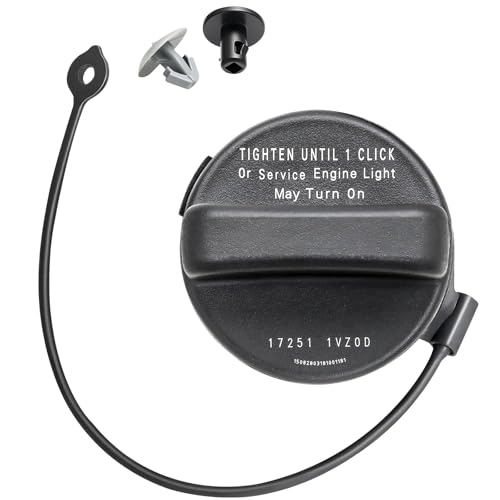
A loose, cracked, or missing gas cap is the simplest cause of a check engine light, and the easiest fix. Your Versa’s EVAP (Evaporative Emission Control) system maintains sealed fuel-vapor pressure. When the cap seal fails, the system detects a leak and triggers P0440, P0441, or P0457.
“Tightened my gas cap three clicks after refueling and the light went off after two drive cycles. Saved $120 on a dealer diagnostic.” via r/NissanVersa
Always tighten your cap until you hear three clicks. If the seal looks worn or the tether broke, replace it with an OEM or Stant gas cap. The light may stay on for 1–3 drive cycles before resetting automatically.
Catalytic Converter Issues
Code P0420 (catalyst efficiency below threshold) is notorious in 2012–2019 Versa models. Your catalytic converter transforms harmful hydrocarbons, carbon monoxide, and nitrogen oxides into water vapor and CO₂. Prolonged exposure to unburned fuel, from misfires or failed O2 sensors, clogs the honeycomb substrate.
You’ll notice sluggish acceleration, sulfur smell, and rattling from underneath the car. According to Nissan TSB NTB17-034a, some 2012–2014 Versas experienced premature cat failure due to upstream sensor drift. Replacement cats run $400–$800 for aftermarket or $1,200+ OEM.
Before replacing the converter, verify upstream O2 sensors and spark plugs work correctly. A healthy cat can last 100,000+ miles if you maintain proper combustion.
Mass Airflow Sensor Malfunction
The Mass Airflow (MAF) sensor measures incoming air volume so the ECU can deliver the correct fuel quantity. Oil residue from over-oiled aftermarket air filters, dust, or carbon buildup contaminates the delicate hot-wire element, triggering P0100, P0101, or P0102.
Symptoms include hesitation during acceleration, stalling at idle, and black exhaust. Clean the MAF with CRC MAF Sensor Cleaner, never touch the wire with a rag or brush. Spray 10–15 short bursts, let it air-dry for 10 minutes, then reinstall.
If cleaning doesn’t resolve the issue, replacement MAF sensors cost $50–$150. Always use the OEM-spec part number to avoid calibration headaches.
How to Diagnose Your Nissan Versa Check Engine Light
Using an OBD-II Scanner to Read Trouble Codes
An OBD-II scanner plugs into the 16-pin diagnostic port under your Versa’s steering column (driver’s side, above the brake pedal). Turn the ignition to ON (engine off), then press “Read Codes.” The scanner displays alphanumeric DTCs, P codes for powertrain, B for body, C for chassis, U for network.
Budget scanners like the ANCEL AD310 read and clear codes for under $30. Advanced tools like the BlueDriver Bluetooth adapter offer live data, freeze-frame snapshots, and repair reports on your smartphone. I’ve used both in my shop: BlueDriver gives you context a basic reader can’t.
Expert Note: “Retrieving the code is only half the battle. P0420, for instance, doesn’t always mean replace the cat, it often points to a failed upstream O2 sensor sending false lean readings. Always test live O2 voltage (0.1–0.9 V oscillation) before condemning the converter.”
Log your codes, research them on NissanHelp.com or NICOclub forums, then follow the diagnostic flowchart for each DTC. Never clear codes without addressing the root cause, they’ll return within 20–50 miles.
When to Take Your Nissan Versa to a Mechanic
Some faults demand professional tools and expertise. If your scanner shows multiple misfires across cylinders (P0300 random misfire), low compression, or internal engine codes (P0011 cam timing), you need a mechanic with a scope and pressure gauges.
A flashing check engine light with rough running, loss of power, or loud knocking requires immediate towing, continued driving risks catastrophic engine or catalytic damage. Likewise, if you’ve replaced the gas cap, cleaned the MAF, and swapped spark plugs but the light returns, an underlying wiring fault or ECU issue likely exists.
“Chased a P0171 lean code for weeks. Turned out I had a cracked intake boot the scanner couldn’t see. Mechanic found it with smoke test in 10 minutes.” via r/MechanicAdvice
Choose an ASE-certified shop familiar with Nissan vehicles. A proper diagnostic ($80–$120) saves you from throwing parts at the problem and ensures you fix it once.
DIY Fixes You Can Try at Home
Start with the simplest solutions. Tighten or replace your gas cap, clean the MAF sensor, and inspect air-filter housing for cracks. If you pulled codes for ignition misfires (P0301 through P0304), swap the spark plugs and ignition coils.
Nissan Versa engines (HR16DE in most models) use iridium plugs rated for 60,000–100,000 miles. Use NGK or Denso OEM-spec plugs, cheap copper plugs foul quickly. Coils fail around 80,000–120,000 miles: if one cylinder misfires, replace that coil and monitor. Coil-on-plug design makes the job tool-free except for a 10 mm socket.
For EVAP leaks, visually inspect hoses running from the charcoal canister (behind the rear bumper) to the fuel tank. Cracked or disconnected lines trigger P0440-series codes. Replace damaged hoses with OEM parts from NissanPartsDeal to maintain proper vapor routing.
Always disconnect the battery negative terminal before touching ignition components. Work on a cool engine to avoid burns.
How to Reset the Check Engine Light on a Nissan Versa
After fixing the root cause, you can clear the light with your OBD-II scanner by selecting “Clear Codes” or “Erase DTCs.” Alternatively, disconnect the battery negative terminal for 15 minutes, this resets the ECU but also clears radio presets and clock.
The engine computer runs self-tests during normal driving (called “drive cycles”). If the fault reappears, the light returns within 20–100 miles. A successful repair keeps the light off permanently.
Never reset the light without repairing the issue. Masking the symptom doesn’t fix the problem, it just delays diagnosis and risks bigger damage. State emissions inspections require all monitors to show “Ready” status, which takes several complete drive cycles after a reset.
Preventing Future Check Engine Light Issues
Routine maintenance is your best defense. Change engine oil every 5,000 miles (or per your owner’s manual), replace air filters every 15,000–30,000 miles, and use Top Tier gasoline to prevent carbon buildup on intake valves and sensors.
Inspect your gas cap seal annually and replace it every 50,000 miles. Keep your fuel tank above ¼ full to reduce EVAP system stress and prevent fuel-pump overheating. According to 2026 Nissan reliability data, Versas with consistent 5,000-mile oil changes show 30% fewer powertrain codes than those on extended intervals.
Address check engine lights promptly, minor faults cascade into major repairs if ignored. A $20 gas cap today prevents a $600 EVAP purge valve tomorrow. Track your DTCs in a maintenance log so you spot patterns (like recurring O2 sensor codes) before they strand you.
Invest in a quality scanner and learn to read live data. Knowledge transforms a mysterious warning light into actionable information, putting you back in control of your Versa’s health and your wallet.
Frequently Asked Questions
What does the check engine light mean on a Nissan Versa?
The Nissan Versa check engine light, or Malfunction Indicator Lamp (MIL), signals your onboard diagnostic system detected an emissions or engine fault. A solid light indicates non-urgent issues to address soon; a flashing light signals active misfires requiring immediate attention to prevent catalytic converter damage.
Can I drive my Nissan Versa with the check engine light on?
A solid check engine light allows safe driving to a mechanic within days. However, a flashing light indicates active cylinder misfires that can destroy your catalytic converter in minutes—pull over safely and arrange a tow immediately.
What are the most common causes of a Nissan Versa check engine light?
Common causes include faulty oxygen sensors (P0130, P0135, P0171), loose or damaged gas caps (P0440, P0441), catalytic converter issues (P0420), and mass airflow sensor malfunction (P0100, P0101). A loose gas cap is the simplest and cheapest fix.
How do I read the check engine code on my Nissan Versa?
Use an OBD-II scanner plugged into the 16-pin diagnostic port under your steering column. Turn ignition to ON (engine off) and select ‘Read Codes’ to display the trouble codes. Budget scanners cost under $30; advanced Bluetooth adapters offer live data on smartphones.
What does the P0420 code mean on a Nissan Versa?
Code P0420 indicates catalyst efficiency below threshold, common in 2012–2019 Versas. Before replacing the catalytic converter ($400–$1,200+), verify upstream oxygen sensors and spark plugs work correctly—failed sensors often cause false P0420 readings.
How do I reset the check engine light on a Nissan Versa after fixing the problem?
Clear codes using your OBD-II scanner’s ‘Clear Codes’ option, or disconnect the battery negative terminal for 15 minutes. The light returns in 20–100 miles if the fault reappears. Never clear codes without fixing the root cause—masking the symptom delays diagnosis and risks greater damage.
Read More:
- Nissan Check Engine Light (Means, Master Diagnostic Guide)
- Nissan Rogue Check Engine Light (Complete Owner’s Guide)
- Nissan Altima Check Engine Light (Step-by-Step Diagnostic Guide)
- Nissan Sentra Check Engine Light (Ultimate Repair Guide)