
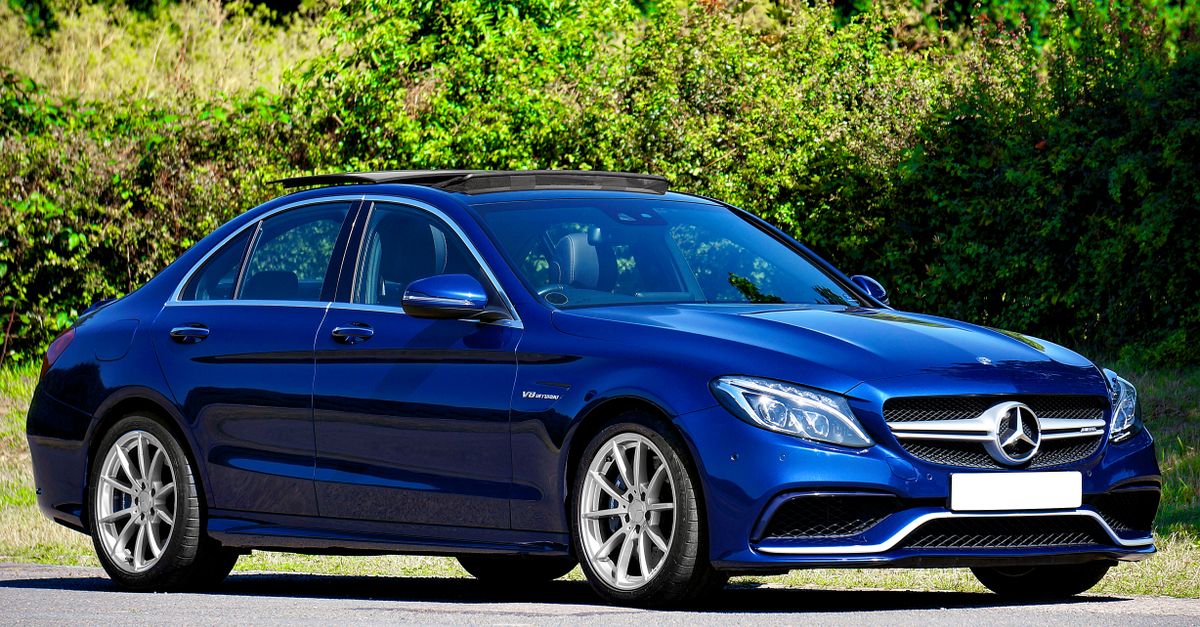
That familiar amber glow on your dashboard isn’t just annoying, it’s your C300’s way of telling you something’s wrong. Whether you’re cruising down the highway or stuck at a red light, the check engine light demands attention, especially when paired with rough idling or sudden power loss.
Your Mercedes C300 check engine light typically signals oxygen sensor faults, catalytic converter inefficiency, mass airflow sensor issues, or auxiliary battery malfunctions, particularly in W204, W205, and W206 generations with M274 and M254 2.0L turbo engines. Most codes can be diagnosed with an OBD-II scanner, but persistent warnings require Mercedes-specific STAR diagnostic tools to pinpoint camshaft position sensors, EVAP leaks, or turbocharger wastegate faults.
This guide walks you through common C300 check engine light triggers, step-by-step diagnostic procedures, and when to tackle repairs yourself versus heading to a certified Mercedes technician.
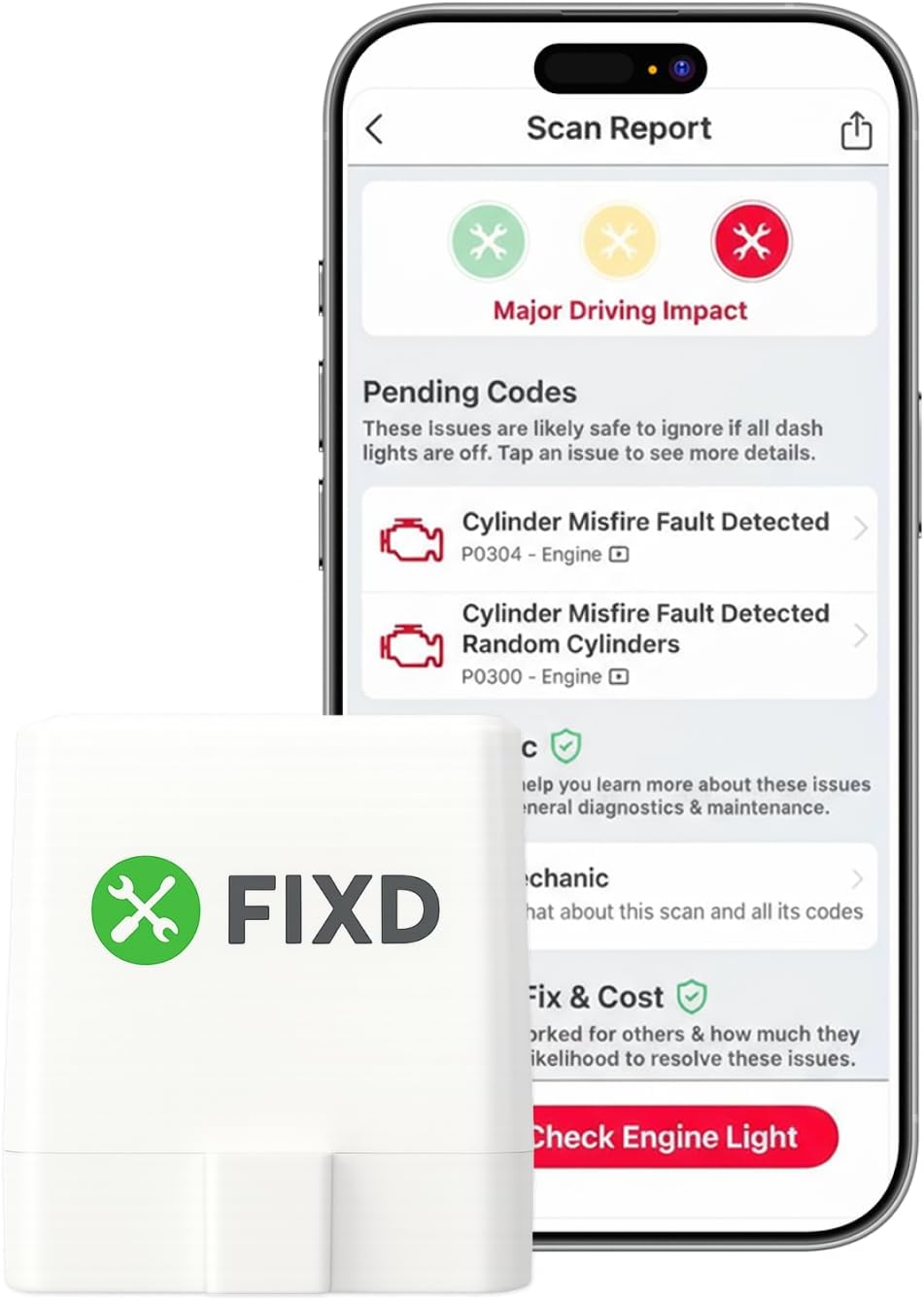
Best Bluetooth OBD2 Scanner
Detect 39,000+ Issues With Enhanced Codes. Save $1000s on car repairs & buying used vehicles by diagnosing problems yourself.
Shop on AmazonKey Takeaways
- A Mercedes C300 check engine light signals various issues—from oxygen sensor failures to catalytic converter problems—and requires diagnosis with an OBD-II scanner or professional STAR diagnostic tools to identify the specific fault code.
- Common causes of the check engine light include oxygen sensor failure, catalytic converter inefficiency, mass airflow sensor contamination, and auxiliary battery malfunctions, particularly in M274 and M254 turbo engines.
- A solid amber check engine light allows cautious driving, but a flashing light demands immediate engine shutdown to prevent turbocharger or catalytic converter damage; limp mode typically indicates severe misfires or transmission faults.
- DIY repairs like gas cap replacement, spark plug changes, and MAF sensor cleaning can resolve many check engine light codes, but professional technicians should handle timing chain replacement, catalytic converter work, and camshaft position sensor repairs.
- Repair costs range from $250–$450 for oxygen sensors to $1,800–$2,800 for OEM catalytic converters, depending on the fault; independent Mercedes specialists charge $120–$180/hour versus dealership rates of $180–$250/hour.
- Preventive maintenance—following Mercedes’ oil change schedule, replacing spark plugs at 60,000 miles, inspecting gas caps annually, and addressing auxiliary battery warnings—reduces check engine light occurrences and extends your C300’s engine life.
What Does the Check Engine Light Mean in Your Mercedes C300?
Your C300’s check engine light is part of the onboard diagnostics (OBD-II) system. It monitors emissions, engine performance, and sensor health across dozens of critical components. When a fault is detected, the engine control unit (ECU) stores a diagnostic trouble code (DTC) and illuminates the light.
The light appears in three states: solid amber for non-critical issues, flashing for severe misfires that can damage the catalytic converter, and red (rare) for catastrophic engine failures. If you see a flashing light, pull over immediately and shut down the engine to prevent turbocharger or piston damage.
In W204 and W205 models, you’ll often see the check engine light paired with auxiliary battery warnings or limp mode restrictions. This combination usually points to voltage irregularities affecting sensor readings. The M274 engine’s reliance on electronic throttle control and variable valve timing makes it sensitive to electrical glitches.
Don’t ignore the light. The longer you drive with active fault codes, the higher the risk of secondary damage, like a failing oxygen sensor contaminating your catalytic converter. Mercedes-Benz recommends immediate diagnosis, even if performance feels normal.
Most Common Causes of C300 Check Engine Light Issues
Oxygen Sensor Failure
Oxygen sensors (O2 sensors) monitor exhaust gas composition to optimize fuel trim. C300 models use upstream and downstream sensors: the upstream sensors control air-fuel mixture, while downstream sensors measure catalytic converter efficiency.
Failure symptoms include rough idle, hesitation during acceleration, and poor fuel economy. You’ll typically see codes P0130, P0133, or P0141. High-mileage C300s (over 80,000 miles) are prone to sensor fouling from carbon buildup, especially if you frequently drive short trips in cold weather.
Replacement requires a 22mm oxygen sensor socket and anti-seize compound. Always replace sensors in pairs (both upstream or both downstream) to maintain balanced readings. Expect 1–2 hours of labor if you’re tackling this yourself. The INNOVA 3320 OBD-II scanner can confirm which sensor circuit is throwing the code before you start wrenching.

Catalytic Converter Problems
P0420 and P0430 codes signal catalytic converter inefficiency. These codes appear when the downstream O2 sensor readings mirror the upstream sensors, indicating the converter isn’t reducing emissions properly.
Catalytic converter failure rarely happens in isolation. It’s usually caused by prolonged driving with misfires, oil consumption (common in high-mileage M274 engines with wrist pin wear), or coolant leaks contaminating the exhaust. If your C300 has under 100,000 miles, check for underlying misfire codes first.
Replacement costs run high, OEM converters carry premium tags. California emissions standards require CARB-compliant units. Before replacing, use a non-contact infrared thermometer to measure inlet versus outlet temperatures: a properly functioning converter runs 100–200°F hotter at the outlet.
Mass Airflow Sensor Malfunction
The mass airflow (MAF) sensor measures incoming air volume to calculate fuel delivery. Contamination from oil residue (often from over-oiled aftermarket air filters) or crankcase vent valve failures causes erratic readings.
Common codes include P0100, P0101, and P0104. You’ll notice hesitation, stalling at idle, or black smoke from the exhaust. Cleaning the MAF sensor with CRC MAF cleaner can restore function temporarily, but persistent codes require replacement.
Never touch the sensing element with your fingers, skin oils destroy the hot-wire element. When reinstalling, torque the mounting screws to 35 in-lbs to prevent air leaks that skew readings. The BlueDriver Bluetooth OBD-II scanner provides live MAF data so you can verify airflow grams per second at idle (typically 2.5–4.5 g/s for the M274).

How to Diagnose Your Mercedes C300 Check Engine Light
Reading OBD-II Diagnostic Trouble Codes
Plug a generic OBD-II scanner into the diagnostic port located under the driver’s side dash, just above the brake pedal. Turn the ignition to position II (don’t start the engine). The scanner retrieves stored codes, pending codes, and freeze-frame data showing engine conditions when the fault occurred.
Write down all codes before clearing them. Multiple codes often share a root cause, for example, P0171 (system too lean) and P0174 (system too lean bank 2) plus P0101 (MAF sensor) usually point to a vacuum leak rather than three separate failures.
“My 2016 C300 threw P0016 (camshaft correlation) with rough idle. Dealer wanted $1,200. I cleared the code and it never came back, turned out to be a glitch after an oil change.” via BenzWorld Forums
Check for technical service bulletins (TSBs) related to your specific code. Mercedes issued TSB LI47.20-P-075009 addressing nuisance P0016 codes in 2015–2017 C300 models caused by timing chain stretch. Mercedes-Benz USA’s owner portal archives TSB documentation.
When to Use a Professional Mercedes Diagnostic Tool
Generic OBD-II scanners can’t access Mercedes-specific systems like active body control, transmission adaptations, or auxiliary battery management. Codes like P1582 (auxiliary battery voltage low) require STAR diagnostic software to read battery state-of-charge and cell voltage imbalances.
Professional-grade tools like the Autel MaxiCOM or iCarsoft MB II access manufacturer-specific data: live sensor streams, component activation tests, and adaptation resets. If you’re diagnosing camshaft position sensor codes (P0340, P0365), you need to monitor cam timing advance in real time, data generic scanners don’t provide.
Some independent shops offer diagnostic-only services for $150–$200. This lets you get the full picture before committing to repairs.
Can You Drive Your C300 With the Check Engine Light On?
A solid check engine light means you can drive cautiously, but schedule diagnosis within a few days. Monitor for performance changes, if the light starts flashing or you enter limp mode (reduced power, harsh shifting), stop driving immediately.
Limp mode limits engine RPM to protect components. Common triggers include severe misfires, turbocharger overboost (P0234), or throttle actuator faults (P2100). Driving in limp mode won’t cause additional damage, but it’s unsafe on highways where you can’t merge or maintain speed.
Some codes disable specific functions without triggering limp mode. EVAP system leaks (P0442, P0456) from loose gas caps don’t affect drivability but increase emissions. You’ll fail state inspections until the code clears after several completed drive cycles.
“Drove my 2018 C300 200 miles with P0420 cat code. No performance loss, but MPG dropped from 28 to 24. Should’ve addressed it sooner.” via r/mercedes_benz
If the check engine light appears alongside brake, oil pressure, or coolant temperature warnings, pull over immediately. These combinations indicate cooling system or lubrication failures that can destroy the engine in minutes.
DIY Fixes vs. Professional Repairs for Your C300
Simple fixes you can handle at home include:
- Gas cap replacement: Tighten or replace a cracked cap to clear EVAP codes (P0442, P0456).
- Spark plug/coil pack replacement: Use NGK or Bosch plugs gapped to 0.031″ for M274 engines. Replace coils if you see oil fouling.
- MAF sensor cleaning: Spray CRC MAF cleaner in short bursts: let air-dry completely before reinstalling.
- Oxygen sensor replacement: Front sensors are accessible from the top: rear sensors require lifting the vehicle.
Leave these repairs to professionals:
- Timing chain replacement: Requires special tools and precise cam timing. Misalignment causes catastrophic valve damage.
- Catalytic converter replacement: Welding and emissions compliance checks exceed DIY scope.
- Camshaft position sensor replacement: Buried behind the timing cover: 6+ hours of labor.
- Turbocharger repairs: Oil feed line contamination and wastegate calibration demand specialized equipment.
If you’re chasing intermittent codes or multiple sensor failures, invest $80–$100 in a NordVPN subscription to securely access Mercedes technical forums and factory repair procedures. Protect your network while downloading wiring diagrams or software updates from enthusiast sites.
How Much Does It Cost to Fix a C300 Check Engine Light?
Repair costs vary by fault severity and labor rates:
| Repair | DIY Parts Cost | Shop Total |
|---|---|---|
| Oxygen sensor replacement | $60–$150 | $250–$450 |
| MAF sensor replacement | $90–$180 | $200–$350 |
| Spark plugs + coils (set) | $180–$280 | $400–$650 |
| Catalytic converter (OEM) | $800–$1,500 | $1,800–$2,800 |
| Camshaft position sensor | $45–$90 | $450–$750 |
| Timing chain replacement | $600–$1,200 | $2,500–$4,500 |
Dealership labor rates run $180–$250/hour: independent Mercedes specialists charge $120–$180/hour. Always request a written estimate before authorizing repairs. Some shops charge diagnostic fees ($150–$200) that apply toward repair costs.
Extended warranties and Mercedes-Benz Extended Limited Warranty plans cover powertrain components like sensors and emissions equipment. Check your coverage before paying out of pocket.
Preventing Future Check Engine Light Problems in Your Mercedes C300
Stick to Mercedes-Benz’s maintenance schedule: oil changes every 10,000 miles (or annually) using MB 229.5 spec synthetic oil, spark plug replacement at 60,000 miles, and air filter changes every 30,000 miles. Use only OEM or OE-equivalent parts, cheap oxygen sensors and MAF sensors cause repeat failures.
Address auxiliary battery warnings immediately. The 12V battery in the trunk powers all control modules: low voltage triggers false sensor codes. Replace the auxiliary battery every 4–5 years, even if it passes load tests. Use a CTEK MUS 4.3 battery maintainer if your C300 sits for weeks at a time.

Monitor oil consumption. M274 engines with high mileage burn oil due to wrist pin wear, check the dipstick every 1,000 miles. Running low on oil causes cam timing errors and oxygen sensor contamination. Top off with MB 229.5 oil between changes if needed.
Avoid short trips in cold weather. The engine needs 10–15 minutes at operating temperature to burn off condensation and carbon buildup in the intake and exhaust. Carbon accumulation on oxygen sensors and MAF sensors accelerates failure.
Keep your gas cap tight and inspect it for cracks annually. EVAP system leaks account for 15% of all check engine lights, according to 2025 EPA emissions compliance data. A $20 gas cap replacement beats diagnostic labor fees.
Frequently Asked Questions
What does the check engine light mean on a Mercedes C300?
The C300 check engine light is part of the OBD-II system monitoring emissions, engine performance, and sensor health. When a fault is detected, the engine control unit (ECU) stores a diagnostic trouble code (DTC) and illuminates the light. A solid amber light indicates non-critical issues, while a flashing light signals severe misfires requiring immediate attention.
What are the most common causes of a C300 check engine light?
Common causes include oxygen sensor failure (P0130, P0133), catalytic converter inefficiency (P0420, P0430), mass airflow sensor malfunction (P0100, P0101), and auxiliary battery problems. The M274 and M254 2.0L turbo engines in W204, W205, and W206 generations are particularly prone to these faults due to electronic throttle control sensitivity.
Can I drive my Mercedes C300 with the check engine light on?
A solid check engine light allows cautious driving and diagnosis within days. However, if the light flashes or the car enters limp mode (reduced power), stop immediately. Avoid driving with combined brake, oil pressure, or coolant warnings, as these indicate critical failures that can destroy the engine within minutes.
How do you diagnose a C300 check engine light with an OBD-II scanner?
Plug an OBD-II scanner into the diagnostic port under the driver’s side dash, above the brake pedal. Turn ignition to position II without starting the engine. The scanner retrieves stored and pending codes plus freeze-frame data. Always note all codes before clearing them, as multiple codes often share a single root cause.
What is the difference between DIY and professional C300 check engine light repairs?
DIY fixes include gas cap replacement, spark plug/coil changes, and MAF sensor cleaning. Professional repairs require timing chain work, catalytic converter replacement, camshaft sensor replacement, and turbocharger servicing due to specialized tools and expertise needed. Shop labor costs $180–$250/hour versus $120–$180/hour at independent specialists.
How much does it cost to fix a Mercedes C300 check engine light?
Repair costs vary by fault: oxygen sensor replacement ($250–$450 total), MAF sensor ($200–$350), catalytic converter OEM ($1,800–$2,800), and timing chain replacement ($2,500–$4,500). Diagnostic fees typically run $150–$200 and often apply toward repair costs. Extended warranties may cover powertrain sensors and emissions equipment.
Read More:
- Mercedes Check Engine Light Reset (Here’s the Complete Guide)
- Mercedes E350 Check Engine Light (Complete Diagnostic Guide)
- Mercedes GLE 350 Check Engine Light (Ultimate Owner’s Guide)
- Mercedes GLC 300 Check Engine Light (Master Diagnostic Guide)