
That stubborn check engine light glowing on your GMC’s dashboard doesn’t always mean disaster. You tightened the gas cap, replaced a faulty sensor, or cleared a minor fault, but the amber warning refuses to go dark.
You can reset your GMC check engine light using an OBD-II scanner to erase stored diagnostic trouble codes (DTCs), disconnecting the battery for 15 minutes to clear ECU memory, executing the gas pedal reset technique (key-on cycles), or completing a proper GM drive cycle that allows the light to turn off naturally once all monitors pass. Each method works, but choosing the right one depends on whether you’ve genuinely fixed the underlying problem.
This guide walks you through legitimate reset techniques, explains when you should, and absolutely shouldn’t, clear that light, and shows you how to complete GM drive cycles for emissions readiness. You’ll also learn why that light sometimes returns immediately and how to prevent future nuisance warnings across Sierra, Acadia, Terrain, Yukon, and every GMC model.
Best Bluetooth OBD2 Scanner
Detect 39,000+ Issues With Enhanced Codes. Save $1000s on car repairs & buying used vehicles by diagnosing problems yourself.
Shop on Amazon
Key Takeaways
- A GMC check engine light reset should only be performed after you’ve genuinely fixed the underlying problem—clearing the code without addressing the root cause means the light will return within minutes or miles.
- You can reset your GMC check engine light using four proven methods: an OBD-II scanner (cleanest approach), battery disconnection (15 minutes), the gas pedal reset technique (unreliable on newer models), or natural completion of drive cycles after repairs.
- If your check engine light keeps coming back after reset, the fault still exists—common culprits include loose gas caps, failing oxygen sensors, active misfires, and permanent codes that require multiple successful drive cycles to clear.
- Common GMC fault codes like P0442 (evaporative emissions leaks) and P0300 (cylinder misfires) are often preventable through regular maintenance, quality fuel, and checking your gas cap at every fill-up—the most cost-effective way to avoid nuisance warnings.
- Never reset a flashing check engine light without immediate professional diagnosis, as it signals severe problems like cylinder misfires that can destroy your catalytic converter within minutes and cost thousands in repairs.
- Professional GMC check engine light diagnosis typically costs $100–$150, with repair expenses ranging from $15 for a gas cap to $2,500 for catalytic converter replacement depending on the fault code and component.
What Does the Check Engine Light Mean in Your GMC?
Your GMC’s check engine light, technically called the malfunction indicator lamp (MIL), serves as the engine control unit’s (ECU) primary communication channel. When sensors detect parameters outside normal operating ranges, the ECU logs a diagnostic trouble code (DTC) and illuminates that amber warning on your instrument cluster.
The light doesn’t tell you what’s wrong, only that something triggered a fault threshold. That “something” ranges from a loose gas cap causing evaporative emissions leaks (P0442, P0455, P0456) to serious misfires, failed oxygen sensors, or catalytic converter efficiency problems. GMC trucks and SUVs share GM’s OBD-II architecture, meaning the same codes appear across Sierra 1500, Yukon XL, Acadia, Terrain, and Canyon models.
Your ECU continuously monitors dozens of emission-critical systems. When a fault persists through two or three consecutive drive cycles, the light stays solid. If the problem is severe enough to risk catalytic converter damage, like a cylinder misfire, the light will flash, demanding immediate attention. Ignoring a flashing check engine light can destroy your cat within minutes and cost you thousands in repairs.
When You Should (and Shouldn’t) Reset Your GMC Check Engine Light
Reset the light only after you’ve genuinely fixed the root problem. If you replaced a faulty O2 sensor, repaired a vacuum leak, or secured that loose gas cap, clearing the code makes sense. The ECU needs a clean slate to verify your repair worked and to begin relearning readiness monitors.
Don’t reset the light just to make the warning disappear before an emissions test or to trick a potential buyer. State inspectors immediately check readiness monitors, if too many show “not ready,” you’ll fail on the spot regardless of whether the light is off. Worse, clearing an active code without fixing the issue means the light returns within minutes or miles, wasting your time and potentially masking a problem that’s damaging your engine or catalytic converter.
“Fixed my Terrain’s P0455 with a new gas cap from AutoZone, but the light stayed on for three days. Used my scanner to clear it and it never came back.” via r/MechanicAdvice
If you suspect the code is a false alarm, like a one-time glitch from a wet sensor during a storm, read the code first with a scanner. Write it down, then clear it. If the fault was temporary, the light stays off and monitors complete normally.
How to Reset Your GMC Check Engine Light: 4 Proven Methods
Method 1: Using an OBD-II Scanner
This is the cleanest, most professional approach. Plug an OBD-II scanner like the ANCEL AD310 Classic Enhanced Universal OBD II Scanner into the diagnostic port under your steering column (usually above the brake pedal). Turn the ignition to “ON” without starting the engine, then navigate the scanner menu to “Erase Codes” or “Clear DTCs.”
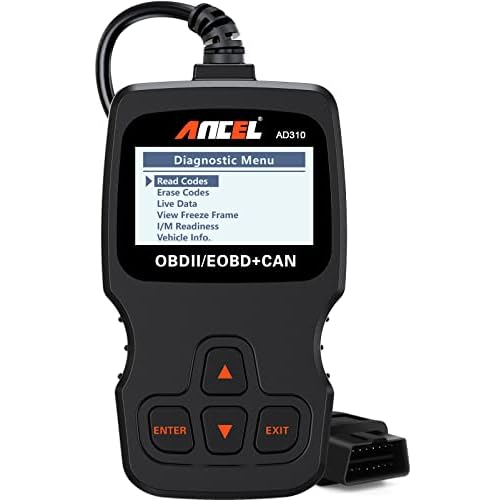
The scanner instantly clears stored fault codes, history codes, and freeze-frame data. It also resets all readiness monitors to “not ready” status. You’ll need to complete a full GM drive cycle before those monitors pass again, critical if you’re facing an emissions test soon.
After clearing codes, start the engine and confirm the check engine light stays off. If it returns immediately, you’ve got an active fault that needs repair, not just a reset.
Method 2: Disconnecting the Battery
This old-school method works but comes with side effects. Disconnect the negative battery terminal and wait 15 minutes. This drains residual power from the ECU, clearing stored codes and resetting the check engine light. Some technicians recommend pressing the brake pedal a few times while disconnected to accelerate the discharge.
Reconnect the terminal, start your GMC, and check whether the light stays off. Keep in mind this reset also wipes radio presets, clock settings, and learned idle/fuel trim values. Your truck may idle roughly for the first few miles as the ECU relearns optimal air-fuel ratios.
Method 3: Using the Gas Pedal Reset Technique
This “secret” GM reset sequence doesn’t work on all models, but many GMC owners report success. Turn the ignition to “ON” (engine off). Fully depress and release the gas pedal three times within five seconds. Turn the key to “OFF,” wait ten seconds, then start the engine.
This procedure can clear “soft” codes in some older GMC models (2015 and earlier), but it’s unreliable on newer trucks with more advanced ECUs. If it works, great. If not, you haven’t lost anything but 30 seconds.
Method 4: Letting It Reset Naturally Through Drive Cycles
If you fixed the problem and want to avoid manual resets, just drive normally. The ECU runs continuous self-tests. Once all relevant monitors complete and pass, typically after 50–100 miles of mixed driving (city, highway, idle, acceleration), the light turns off automatically.
This method proves your repair worked and ensures readiness monitors are set for emissions testing. It’s the safest approach if you’re not in a rush. For a detailed GM drive cycle procedure, check this official GM service bulletin that outlines exact speed, duration, and throttle requirements.
“My Sierra’s check engine light went off on its own after about 60 miles once I fixed the O2 sensor. Didn’t need to clear anything.” via GM-Trucks.com Forums
Common GMC Check Engine Light Codes and What They Mean
Understanding the code behind your check engine light helps you decide whether a reset is appropriate. Here are the most frequent DTCs in GMC vehicles:
| Code | Description | Typical Cause |
|---|---|---|
| P0420 | Catalyst System Efficiency Below Threshold (Bank 1) | Failing catalytic converter or downstream O2 sensor |
| P0300 | Random/Multiple Cylinder Misfire Detected | Spark plugs, ignition coils, fuel injectors, or vacuum leaks |
| P0171 | System Too Lean (Bank 1) | Vacuum leak, dirty MAF sensor, weak fuel pump |
| P0442 | Evaporative Emission Control System Leak Detected (Small Leak) | Loose or damaged gas cap, purge valve fault |
| P0128 | Coolant Thermostat (Coolant Temperature Below Thermostat Regulating Temperature) | Stuck-open thermostat |
You can pull these codes yourself using an inexpensive Bluetooth OBD-II adapter paired with a free app like Torque or BlueDriver. Once you know the exact code, research the fix, complete the repair, then reset the light.
Some codes, like P0300 misfires or P0420 catalyst efficiency, require multiple drive cycles to set. If you clear the code and the problem persists, the light returns after the ECU completes its diagnostic routine (usually 20–40 miles).
Why Your GMC Check Engine Light Keeps Coming Back After Reset
You cleared the code, the light went dark, and five miles later it’s glowing again. Frustrating, but predictable. The underlying fault still exists. Resetting the light only erases the record of the problem, it doesn’t fix the problem itself.
Common culprits behind immediate return:
- Persistent evaporative leaks: You cleared P0442 but didn’t replace the cracked EVAP hose or faulty purge valve.
- Failing oxygen sensors: The ECU detects out-of-range voltage within seconds of starting the engine.
- Active misfires: If a cylinder is misfiring, the ECU logs P0300-series codes almost instantly.
- Permanent codes: Some DTCs are “permanent” and can’t be cleared manually, they only disappear after the ECU verifies the repair through multiple successful drive cycles.
If your light returns immediately, don’t keep clearing it. Plug in your scanner, read the code again, and address the root cause. Repeated resets without repairs can damage emissions components and cost you far more in the long run.
How to Prevent Future Check Engine Light Issues in Your GMC
Preventing nuisance check engine lights starts with proactive maintenance. Replace spark plugs and ignition coils at GM’s recommended intervals (typically every 100,000 miles). Use quality fuel from top-tier stations to minimize carbon buildup on intake valves and injectors.
Check your gas cap every fill-up. A loose or damaged cap is the single most common cause of evaporative emissions codes. If the cap clicks but the seal looks cracked, replace it, OEM caps cost $15–$25 and prevent hundreds in diagnostic fees.
Keep your GMC’s software updated. Dealers occasionally issue ECU reflashes to address false-code issues or improve emissions monitor reliability. For ongoing diagnostics and peace of mind, invest in a quality scanner like the BlueDriver Bluetooth Pro OBDII Scan Tool. It provides live data, freeze frames, and repair reports directly on your phone.

If you frequently tow heavy loads or drive in extreme conditions, monitor your engine’s vital signs with a vehicle-specific service like NordVPN for secure remote diagnostics, or use a professional-grade scan tool to track sensor trends before they trigger a code.
Cost of Professional GMC Check Engine Light Diagnosis and Repair
If DIY resets don’t solve your problem or the light keeps returning, professional diagnosis is your next step. Most independent shops and dealerships charge $100–$150 for a comprehensive scan and diagnostic report. That fee often applies toward the repair if you proceed.
Repair costs vary wildly based on the fault:
- Gas cap replacement: $15–$30
- Oxygen sensor replacement: $150–$300 per sensor
- Catalytic converter replacement: $800–$2,500 depending on model and whether you choose OEM or aftermarket
- Spark plug and coil replacement (all cylinders): $300–$600
- EVAP system repair (purge valve, vent valve, hoses): $150–$400
Dealers typically charge 20–30% more than independent shops, but they offer GMC-specific expertise and OEM parts. If your truck is under warranty or an extended service contract, always start there, many powertrain warranties cover emissions-related repairs for up to 8 years or 80,000 miles.
For DIY enthusiasts, investing in a quality scanner and learning to read live data can save thousands over your GMC’s lifetime.
Frequently Asked Questions
What does the check engine light mean on my GMC?
Your GMC’s check engine light, or malfunction indicator lamp (MIL), signals that the engine control unit (ECU) detected a fault. It illuminates when sensors detect parameters outside normal ranges and a diagnostic trouble code (DTC) is logged. The light doesn’t indicate what’s wrong—only that something triggered a fault threshold.
Can I reset my GMC check engine light with an OBD-II scanner?
Yes. Plug an OBD-II scanner into the diagnostic port under your steering column, turn the ignition to ‘ON,’ and navigate to ‘Erase Codes’ or ‘Clear DTCs.’ The scanner instantly clears stored fault codes and resets readiness monitors. This is the cleanest, most professional reset method for your GMC.
How long should I disconnect my GMC battery to reset the check engine light?
Disconnect the negative battery terminal for 15 minutes to drain residual ECU power and clear stored codes. This old-school method works but also wipes radio presets, clock settings, and learned fuel trim values. Your engine may idle roughly initially as the ECU relearns optimal air-fuel ratios.
Why does my GMC check engine light keep coming back after I reset it?
The underlying fault still exists. Resetting only erases the fault record, not the problem itself. Common culprits include persistent evaporative leaks, failing oxygen sensors, active misfires, or permanent codes that require successful repair cycles to clear. Address the root cause instead of repeatedly resetting.
Should I reset my GMC check engine light before an emissions test?
No. State inspectors check readiness monitors; if too many show ‘not ready,’ you’ll fail regardless of whether the light is off. Never clear codes without fixing the underlying issue. This approach wastes time, masks real problems, and can damage your engine or catalytic converter.
How much does professional GMC check engine light diagnosis cost?
Most independent shops and dealerships charge $100–$150 for a comprehensive scan and diagnostic report. Repair costs vary: gas cap ($15–$30), oxygen sensor ($150–$300), catalytic converter ($800–$2,500), spark plugs and coils ($300–$600), and EVAP system repairs ($150–$400).
Read More:
- Mercedes GLE 350 Check Engine Light (Ultimate Owner’s Guide)
- Mercedes E350 Check Engine Light (Complete Diagnostic Guide)
- Mercedes C300 Check Engine Light (Complete Fix & Diagnosis Guide)
- Mercedes GLC 300 Check Engine Light (Master Diagnostic Guide)
- Mercedes Check Engine Light (Step-by-Step Master Guide)