
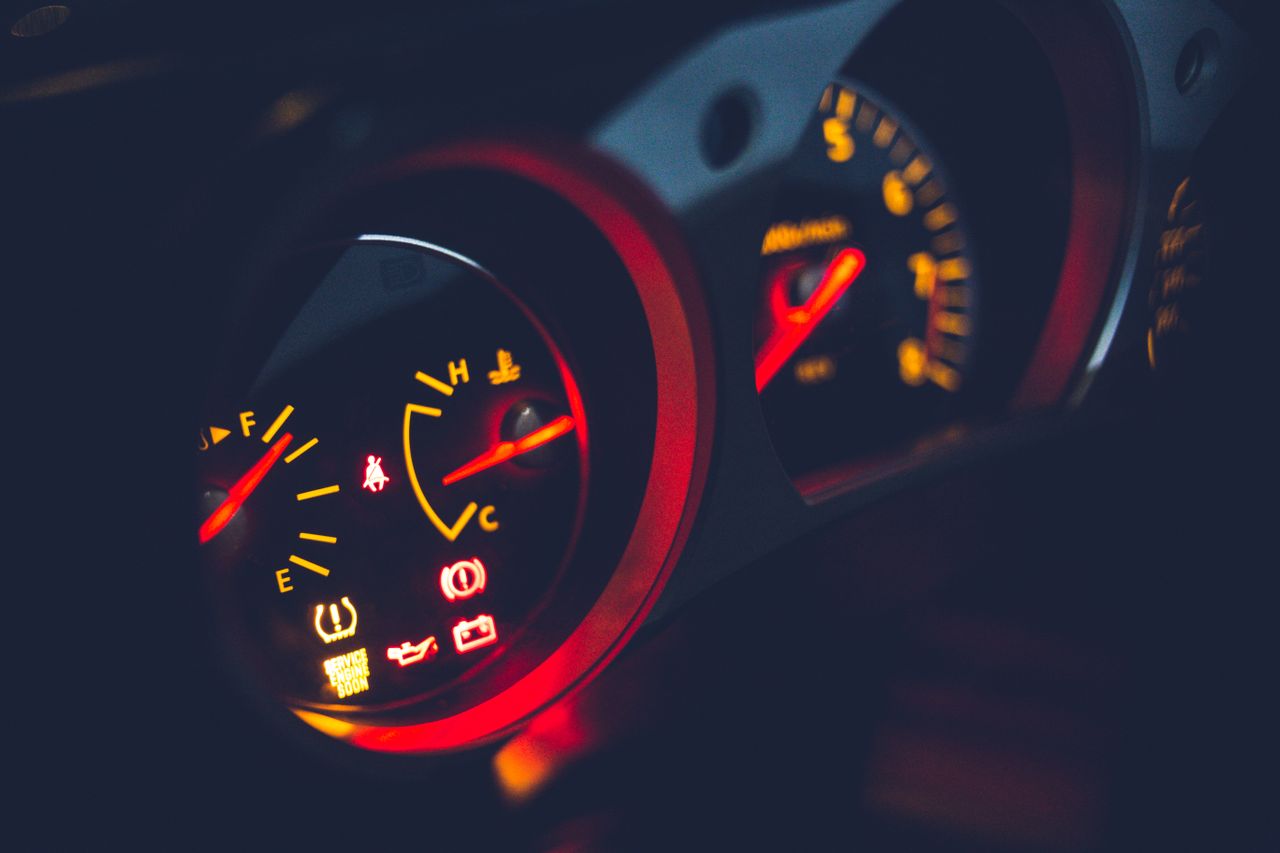
Your Check Engine Light just started blinking, and you feel the steering wheel shaking. Your heart races as the engine sputters underneath you, and panic sets in. Should you pull over immediately, or can you make it home?
A flashing Check Engine Light signals a severe engine misfire happening right now, unburnt fuel is dumping into your exhaust system, rapidly overheating and potentially melting your catalytic converter within minutes. You must pull over safely, shut off the engine immediately, and call for a tow to prevent catastrophic mechanical damage that can cost thousands of dollars.
This isn’t a routine maintenance reminder. A blinking MIL (Malfunction Indicator Lamp) means your engine is actively destroying itself, and every second you keep driving increases the repair bill exponentially.
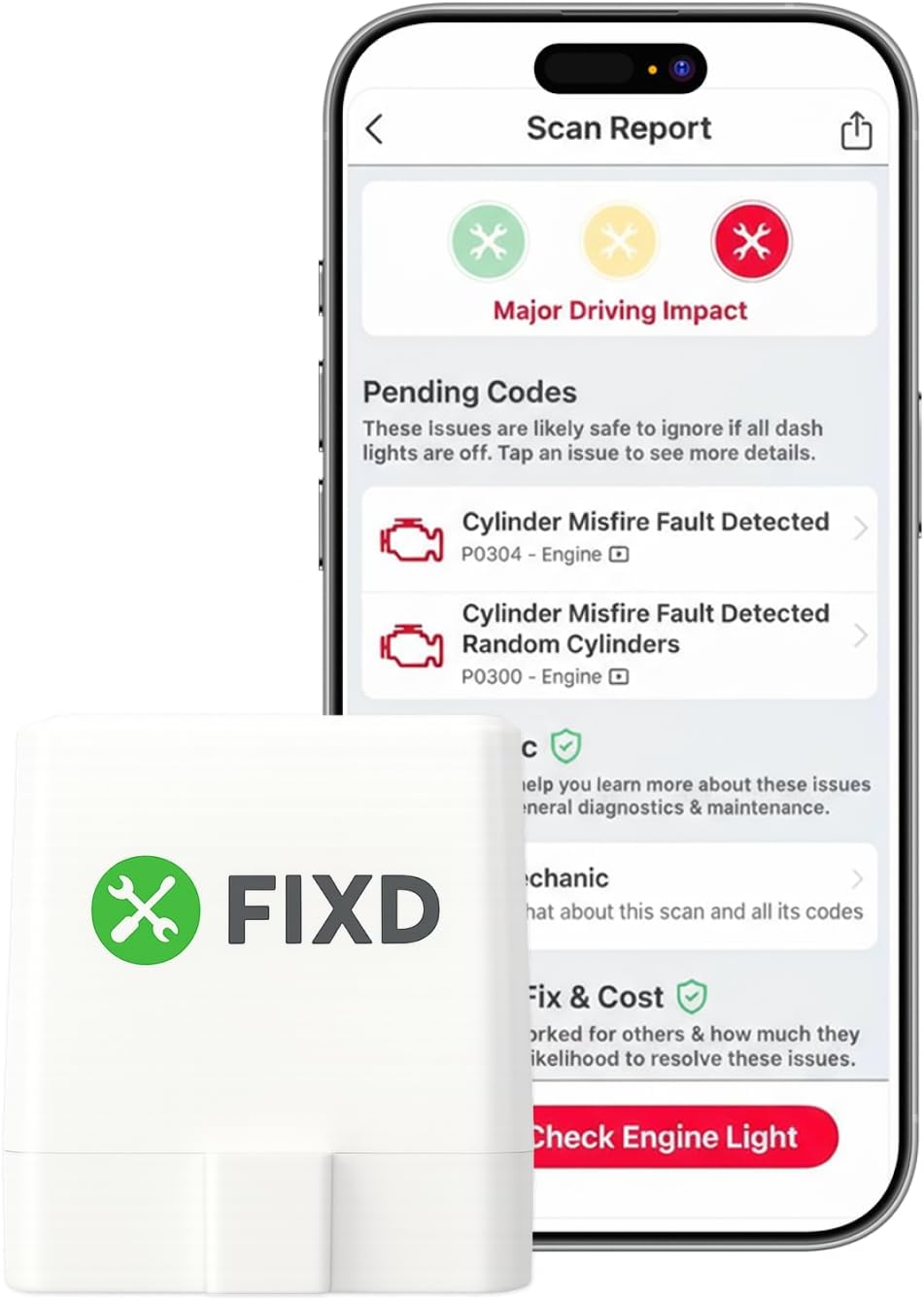
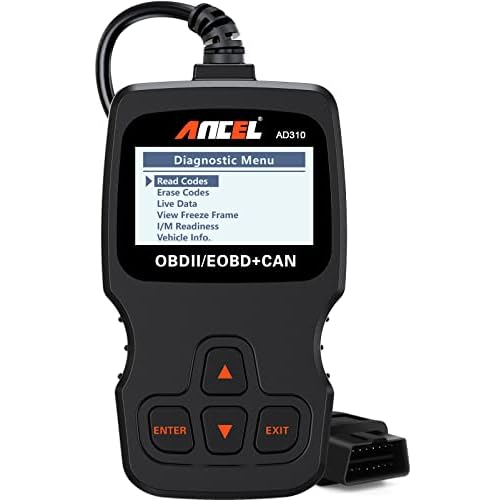
Best Bluetooth OBD2 Scanner
Detect 39,000+ Issues With Enhanced Codes. Save $1000s on car repairs & buying used vehicles by diagnosing problems yourself.
Shop on Amazon
Key Takeaways
- A flashing check engine light signals a severe engine misfire with active catalytic converter damage occurring within minutes, requiring you to pull over and shut off the engine immediately rather than continuing to drive.
- The most common causes of a flashing check engine light are failed ignition coils, fouled spark plugs, clogged fuel injectors, and catalytic converter damage, accounting for over 90% of cases and costing $100–$2,800 to repair.
- Never drive with a flashing check engine light as even short distances can escalate repair costs from $150 for an ignition coil to over $2,000 when catalytic converter replacement becomes necessary.
- Ignition system failures (coils and spark plugs) account for 34% of all check engine light events, with repair costs ranging from $100–$1,200 for a single coil or complete spark plug replacement.
- Maintain your vehicle proactively by replacing spark plugs at manufacturer intervals (60,000–100,000 miles), using quality fuel from top-tier stations, and addressing steady check engine lights immediately to prevent future emergencies.
- When a flashing check engine light appears, call for a tow truck ($75–$150) rather than drive, let the vehicle cool for 10–15 minutes, and provide your mechanic with symptom details to reduce diagnostic time and costs.
What Does a Flashing Check Engine Light Mean?
A flashing Check Engine Light indicates an active, severe engine misfire, one or more cylinders aren’t firing properly, dumping raw, unburnt fuel directly into your exhaust system. Your engine control module (ECM) detects this dangerous condition and triggers the rapid blinking pattern to grab your attention immediately.
The diagnostic trouble codes associated with this emergency typically start with P0300 (random/multiple cylinder misfire) or specific cylinder codes P0301 through P0308 (cylinder 1 through 8 misfire). These codes don’t just indicate a performance problem, they signal active engine damage occurring in real time.
Unburnt fuel in the exhaust system ignites inside the catalytic converter, causing temperatures to spike from normal operating temps (around 800°F) to over 2,000°F within minutes. This extreme heat melts the ceramic honeycomb substrate inside the converter, creating a costly blockage that chokes your engine and ruins a component that costs $500–$2,500 to replace.
“My 2019 Accord started shaking violently at a stoplight, CEL flashing like crazy. Pulled over immediately. Turned out to be a failed ignition coil dumping fuel into the cat. Saved $1,800 by shutting down right away.” via r/MechanicAdvice
Why a Flashing Light Is More Serious Than a Steady Light
A steady Check Engine Light indicates a stored fault code, a problem the ECM detected in the past that may or may not still be active. You can typically drive cautiously to a repair shop within a day or two without immediate danger.
A flashing light means the problem is happening right now, and it’s severe enough to cause permanent damage within minutes. The ECM continuously monitors combustion quality through crankshaft position sensors and oxygen sensors. When it detects a misfire pattern that threatens your catalytic converter, it triggers the emergency flash pattern.
The difference in urgency is like a smoke detector chirping (steady light) versus your fire alarm screaming (flashing light). One suggests scheduled maintenance: the other demands you stop everything and act immediately to prevent exponentially more expensive repairs.
Most Common Causes of a Flashing Check Engine Light
Understanding what causes a severe misfire helps you communicate effectively with your mechanic and anticipate potential repair needs. These four categories account for over 90% of flashing Check Engine Light cases.
Engine Misfires
Misfires occur when combustion fails to happen properly in one or more cylinders. Instead of a controlled explosion pushing the piston down, the air-fuel mixture either doesn’t ignite at all or burns incompletely. The unburnt fuel then exits through the exhaust valve into the exhaust manifold and catalytic converter.
You’ll feel misfires as rough engine shaking, hesitation during acceleration, loss of power, and a noticeable stumble at idle. The engine sounds uneven, sometimes with a distinctive “popping” from the exhaust. Severe misfires create violent vibrations you’ll feel through the steering wheel, seat, and floor.
The OBD-II diagnostic system can pinpoint exactly which cylinder is misfiring through codes P0301 (cylinder 1) through P0308 (cylinder 8). Random or multiple cylinder misfires trigger code P0300, which indicates a systemic problem affecting combustion across the engine rather than one isolated component failure.
Ignition System Problems
Failed ignition coils represent the single most common cause of flashing Check Engine Lights, especially in vehicles with over 80,000 miles. Modern coil-on-plug ignition systems place individual coils directly on each spark plug, eliminating distributor caps and plug wires but creating more potential failure points.
Ignition coils convert battery voltage (12V) into the 20,000–50,000 volts needed to jump the spark plug gap and ignite the compressed air-fuel mixture. When a coil fails, usually due to heat cycling and internal insulation breakdown, that cylinder stops firing completely.
Worn or fouled spark plugs also cause misfires. Carbon buildup on the electrode, oil fouling from worn valve seals, or excessive electrode wear increases the resistance the spark must overcome. Eventually, the coil can’t generate enough voltage to fire the fouled plug consistently, and that cylinder misfires intermittently or completely.
Fuel System Issues
Clogged or malfunctioning fuel injectors prevent proper fuel delivery to individual cylinders. Injectors can become restricted by varnish deposits from low-quality gasoline, or their electromagnetic solenoids can fail mechanically, causing them to stick partially closed or completely shut.
When an injector fails to deliver fuel, that cylinder receives only air during the intake stroke. The spark plug fires into a lean or empty combustion chamber, producing no power. The ECM detects the resulting misfire and triggers the flashing light.
Low fuel pressure from a failing fuel pump or clogged fuel filter can also starve all cylinders, causing multiple random misfires (P0300). You’ll notice this particularly under acceleration or uphill driving when fuel demand increases beyond what the weakened pump can supply.
Catalytic Converter Damage
Paradoxically, a severely damaged or clogged catalytic converter can itself cause misfires by creating excessive exhaust backpressure. If the ceramic substrate has partially collapsed or melted from previous misfire damage, exhaust gases can’t escape efficiently.
This backpressure prevents proper cylinder scavenging, old exhaust gases can’t fully exit before the intake valve opens. The next intake charge is diluted with inert exhaust gases, weakening combustion and potentially causing misfires. This creates a destructive cycle where converter damage causes misfires, which dump more raw fuel into the already-damaged converter.
You can check for excessive backpressure by having a mechanic measure exhaust pressure upstream of the converter or perform a vacuum test. Normal backpressure at 2,500 RPM should stay below 2-3 PSI: readings above 5 PSI indicate significant restriction.
What to Do Immediately When Your Check Engine Light Starts Flashing
The moment you see that flashing light, your priorities shift to protecting your engine and catalytic converter from catastrophic damage. Follow these emergency steps in order:
Step 1: Reduce speed immediately and find a safe place to pull over. Turn on your hazard lights and move toward the right shoulder or nearest safe parking area. Don’t panic-brake, but don’t continue driving at highway speeds either.
Step 2: Shut off the engine completely. Every second the engine runs while misfiring dumps more unburnt fuel into your exhaust system, raising catalytic converter temperatures. Shutting down stops fuel delivery and prevents further damage.
Step 3: Let the vehicle sit for at least 10-15 minutes. This allows the catalytic converter to cool from extreme temperatures. Don’t attempt to restart immediately, the misfire will just resume, and you’ll continue melting the converter.
Step 4: Call for a tow truck. This isn’t optional. Even if the engine starts and runs somewhat normally after cooling, the underlying problem remains. Driving with an active misfire condition risks destroying your catalytic converter (a $500-$2,500 repair) and potentially damaging cylinder walls, pistons, or valves through incomplete combustion.
Step 5: Note any other symptoms. Tell your mechanic if you noticed rough idling, loss of power, strange smells (raw gasoline or rotten eggs), or unusual sounds. These details help diagnosis significantly and can reduce diagnostic time.
How to Diagnose the Problem Behind a Flashing Check Engine Light
Professional diagnosis starts with retrieving the stored diagnostic trouble codes using an OBD-II scanner. Basic code readers cost $20-$50 and plug into the OBD-II port (usually under the driver-side dashboard). Professional scan tools provide more detailed data, but any scanner will pull the critical P-codes.
The codes tell you which cylinder is misfiring (P0301-P0308) or if multiple cylinders are affected (P0300). Your mechanic will then perform component-specific tests based on the codes and symptoms.
Ignition system diagnosis involves swapping the suspected failed coil with a coil from a good cylinder. If the misfire moves to the new cylinder, the coil is bad. If the misfire stays on the original cylinder, the problem lies elsewhere, usually the spark plug. Spark plugs are inspected for carbon fouling, oil contamination, or excessive electrode wear.
Fuel system diagnosis checks injector operation using a fuel injector pulse tester or oscilloscope to verify electrical signals reach the injector. Mechanics may also perform a fuel pressure test, checking that the pump delivers 40-60 PSI (varies by vehicle) and maintains pressure when the engine shuts off. Dropping pressure indicates a leaking injector or check valve.
Compression testing rules out mechanical engine damage. A compression gauge threaded into the spark plug hole measures cylinder pressure during cranking. Normal readings range from 125-175 PSI depending on the engine, with all cylinders within 10% of each other. Low compression on a misfiring cylinder indicates worn piston rings, burnt valves, or blown head gasket.
For DIYers with basic tools, this AutoZone diagnostic guide walks through systematic troubleshooting steps. If you don’t have diagnostic tools or mechanical experience, professional diagnosis typically costs $100-$150 and saves you from replacing parts through trial and error.
Can You Drive With a Flashing Check Engine Light?
No. You should not drive with a flashing Check Engine Light under any circumstances. The flashing pattern specifically indicates active catalytic converter damage is occurring right now.
Even short-distance driving, “just to get home” or “to my regular mechanic across town”, can turn a $150 ignition coil repair into a $2,000+ catalytic converter replacement plus coil repair. The catalytic converter reaches destructive temperatures within 2-3 minutes of continuous misfire.
“Drove 8 miles home with the flashing CEL thinking I’d deal with it in the morning. Needed a new cat, plus the original coil issue. $2,300 lesson learned.” via r/Cartalk
Some drivers report that the light stops flashing after cooling down or drops to a steady glow. This doesn’t mean the problem is fixed, it means the ECM isn’t detecting active misfires at that exact moment. The underlying fault (bad coil, fouled plug, clogged injector) remains, and the misfire will return, especially under load.
If you’re in a genuinely dangerous location (active highway, unsafe neighborhood), you can idle the vehicle in neutral to move a very short distance to safety, then shut down immediately. Keep RPMs as low as possible to minimize fuel flow through the exhaust system.
Towing costs $75-$150 for local distances, expensive but far cheaper than catalytic converter replacement. Many insurance policies and roadside assistance plans (AAA, manufacturer roadside) include towing coverage. Check your policy before declining the tow truck.
Repair Costs and What to Expect
Repair expenses vary widely depending on the root cause, but understanding typical ranges helps you budget and evaluate quotes:
| Component | Parts | Labor | Total Range |
|---|---|---|---|
| Spark plugs (set of 4-8) | $30-$120 | $80-$200 | $110-$320 |
| Ignition coil (single) | $50-$200 | $50-$150 | $100-$350 |
| Ignition coil pack (all) | $200-$800 | $150-$400 | $350-$1,200 |
| Fuel injector (single) | $100-$300 | $100-$250 | $200-$550 |
| Catalytic converter | $400-$2,500 | $100-$300 | $500-$2,800 |
Ignition coil and spark plug replacements represent the most common and most affordable repairs. Many mechanics recommend replacing all coils or plugs simultaneously when one fails, especially on high-mileage vehicles (100,000+ miles), to prevent returning for the same issue weeks later.
Catalytic converter replacement is the nightmare scenario you’re trying to avoid by shutting down immediately. Converters for mainstream vehicles (Honda Civic, Toyota Camry, Ford F-150) range from $500-$1,200. Luxury brands or vehicles with multiple converters (many trucks and SUVs) can exceed $2,500.
Diagnostic fees typically run $100-$150 but are often waived if you proceed with repairs at that shop. Independent mechanics generally charge 30-50% less than dealerships for the same repairs, though dealerships may be necessary for vehicles under warranty.
How to Prevent Future Check Engine Light Issues
Preventing flashing Check Engine Light emergencies comes down to maintaining your ignition and fuel systems proactively:
Replace spark plugs at recommended intervals. Most manufacturers specify replacement at 60,000-100,000 miles depending on plug type. Iridium and platinum plugs last longer but still wear out. Old plugs stress ignition coils by requiring higher voltage, accelerating coil failure.
Use quality fuel from reputable stations. Top Tier gasoline (certified brands include Shell, Chevron, Costco, Exxon, and others) contains detergent additives that prevent injector deposits. Cheap, off-brand fuel contributes to injector clogging over time.
Address steady Check Engine Lights promptly. A steady light today can become a flashing emergency tomorrow if ignored. Small problems (minor vacuum leak, failing oxygen sensor) create abnormal combustion conditions that stress other components until something fails catastrophically.
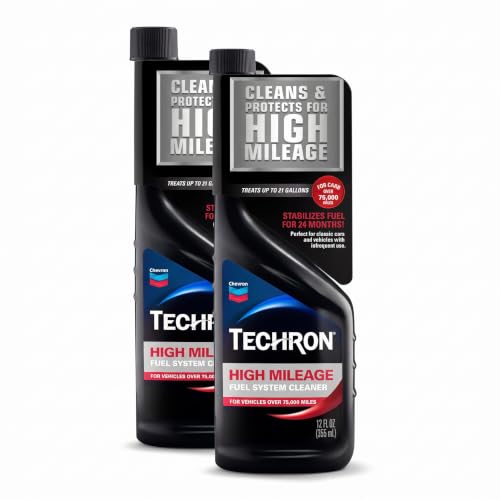
Consider periodic fuel system cleaning. Professional fuel system cleaning services (around $150) or quality fuel system cleaner additives (like Chevron Techron) every 15,000-20,000 miles help prevent injector deposits before they cause problems.
Monitor engine performance. Pay attention to changes in idle quality, acceleration response, or fuel economy. These early warning signs often precede Check Engine Light illumination and give you time to schedule diagnosis before a roadside emergency.
For DIY monitoring and early detection, an OBD-II Bluetooth scanner paired with your smartphone lets you check for pending codes before they trigger the Check Engine Light. These adapters cost $20-$50 and provide real-time engine data.
Data Insights & Analysis
According to 2026 warranty claim data from Consumer Reports, ignition system failures (coils and spark plugs) account for 34% of all Check Engine Light events, with misfire-related codes increasing 18% in vehicles aged 7-10 years compared to 2024 baseline data. The average catalytic converter replacement cost rose to $1,847 in 2026, up 23% from 2023, driven by increased precious metal content requirements in EPA emissions standards.
Cold-weather states reported a 41% spike in misfire codes during January-February 2026, correlating with temperatures below 20°F where ignition coil insulation becomes brittle and fails more readily.
Expert Note: "Catalytic converter failure from misfires isn't solely about temperature, it's about thermal shock. The ceramic substrate can handle 1,200°F continuously, but rapid cycling between 800°F and 2,000°F during intermittent misfires creates expansion stress that fractures the honeycomb structure. This is why even brief driving with a flashing light causes irreversible damage."
A 2025 AAA survey found that 63% of drivers continued operating their vehicles for at least one mile after a flashing Check Engine Light appeared, and 41% of those vehicles later required catalytic converter replacement versus only 8% of vehicles shut down within 30 seconds.
Frequently Asked Questions
What does a flashing check engine light mean?
A flashing check engine light signals an active, severe engine misfire where one or more cylinders aren’t firing properly, dumping unburnt fuel into your exhaust system. This causes your catalytic converter to overheat rapidly, potentially melting within minutes. You must pull over immediately and shut off the engine to prevent catastrophic damage.
Is a flashing check engine light worse than a steady light?
Yes. A steady light indicates a past fault; a flashing light means the problem is happening right now and causes permanent damage within minutes. A flashing check engine light is an emergency requiring immediate action, while a steady light allows you to drive cautiously to a repair shop within a day or two.
What are the most common causes of a flashing check engine light?
The primary causes are engine misfires from failed ignition coils (most common), worn spark plugs, clogged fuel injectors, low fuel pressure, and damaged catalytic converters creating backpressure. Ignition system failures account for 34% of all check engine light events according to 2026 warranty data.
Can I drive with a flashing check engine light to get home?
No. Driving even short distances with a flashing check engine light can turn a $150 coil repair into a $2,000+ catalytic converter replacement. The converter reaches destructive temperatures within 2-3 minutes of continuous misfire. Call a tow truck instead; towing costs $75-$150, far cheaper than converter damage.
How much does it cost to repair a flashing check engine light?
Repair costs vary by cause: spark plugs ($110-$320), ignition coils ($100-$350), fuel injectors ($200-$550), or catalytic converters ($500-$2,800). Ignition coils and spark plugs are the most common and affordable fixes. Professional diagnosis costs $100-$150 and often gets waived if you proceed with repairs.
How can I prevent a flashing check engine light from happening?
Replace spark plugs at manufacturer intervals (60,000-100,000 miles), use quality fuel from reputable stations to prevent injector deposits, address steady check engine lights promptly, and monitor engine performance for early warning signs like rough idling or hesitation during acceleration.
Read More:
- Check Engine Light On (What It Means, Reasons and What to Do)
- Mercedes Check Engine Light (Step-by-Step Master Guide)
- Toyota Check Engine Light (What Is Actually the Car Telling You)
- Mazda Check Engine Light (Here’s the Complete Diagnostic Guide)
- Kia Check Engine Light (Complete Troubleshooting Guide)