
That amber light on your Mazda’s dash just lit up. Your heart sinks. You’re wondering if you can still drive to work, what’s broken, and how much the repair will cost.
The Mazda check engine light (Malfunction Indicator Light) signals a detected fault in your engine management system, emissions controls, or powertrain sensors: a solid light indicates a non-critical issue like a loose gas cap, faulty oxygen sensor, or thermostat fault code P0126, while a flashing light warns of active cylinder misfire that demands immediate attention to prevent catalytic converter damage.
This guide walks you through the most common triggers, explains how to pull OBD-II codes at home, and shows you when it’s safe to drive versus when you need immediate service. You’ll learn Mazda-specific quirks tied to SkyActiv engines, reset procedures, and how to save hundreds in unnecessary dealership diagnostic fees.
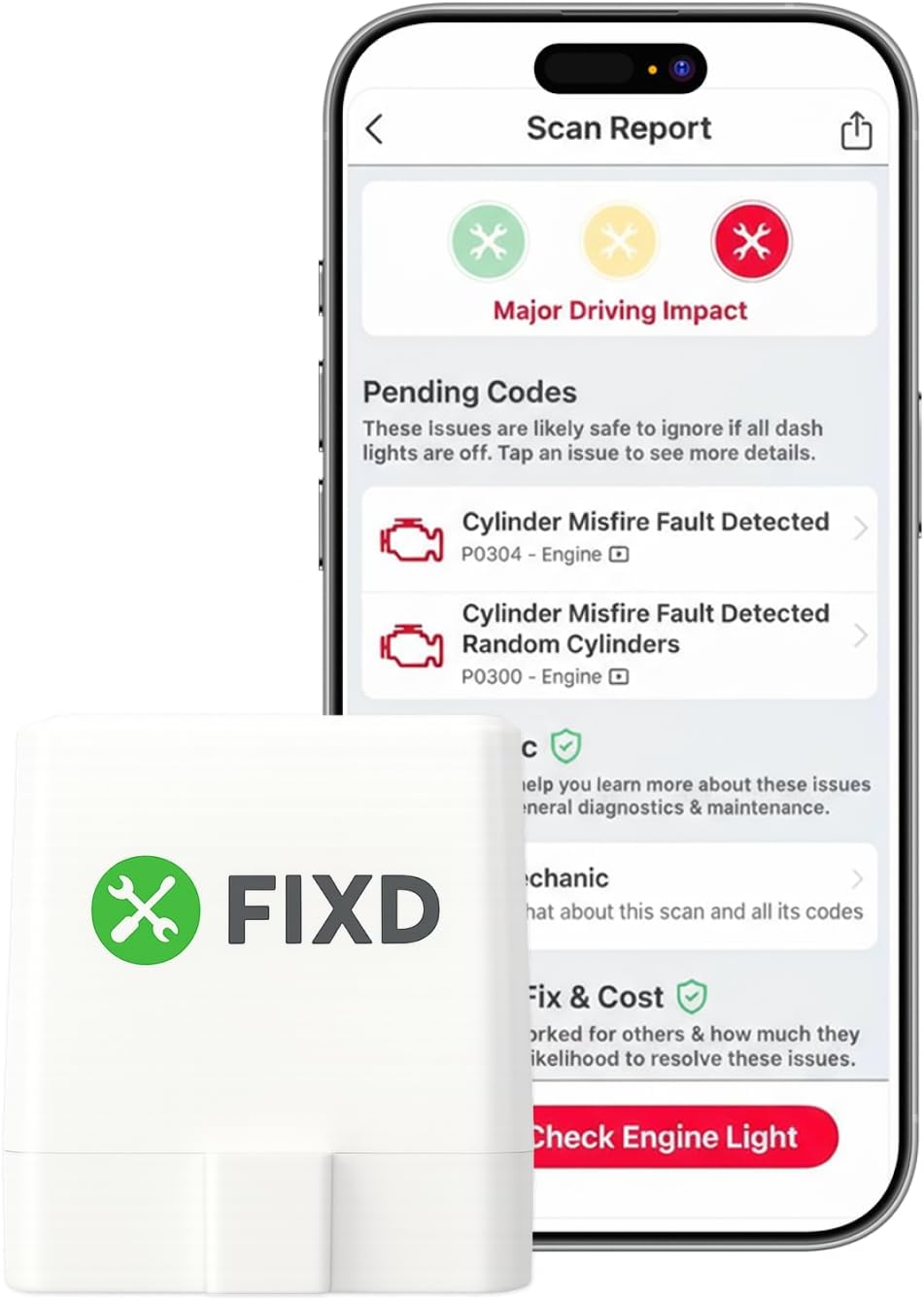
Best Bluetooth OBD2 Scanner
Detect 39,000+ Issues With Enhanced Codes. Save $1000s on car repairs & buying used vehicles by diagnosing problems yourself.
Shop on Amazon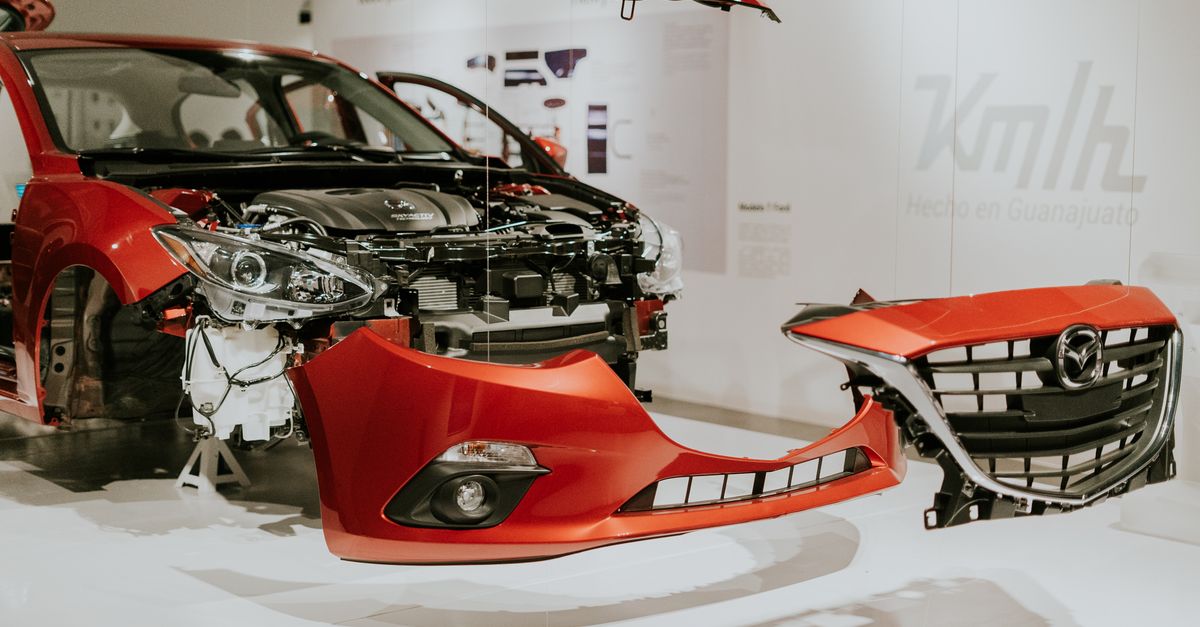
Key Takeaways
- A solid Mazda check engine light typically signals non-critical issues like a loose gas cap or faulty oxygen sensor, while a flashing light warns of active cylinder misfire requiring immediate attention to prevent catalytic converter damage.
- Common causes of the Mazda check engine light include oxygen sensor failure (codes P0131–P0174), catalytic converter faults (P0420), loose fuel caps (P0456–P0457), and thermostat issues (P0126), with O2 sensor failures occurring frequently between 80,000–120,000 miles.
- Use an OBD-II scanner plugged into the port under your dashboard to retrieve fault codes in seconds, saving $100–$150 in dealership diagnostic fees and revealing pending issues before they become critical.
- SkyActiv engines are highly sensitive to oil quality, spark plug condition, and MAF sensor contamination, making regular maintenance essential to prevent the check engine light from triggering unnecessarily.
- Never clear codes without first diagnosing the underlying problem, as this erases freeze-frame data needed for accurate troubleshooting and the light will return within minutes or a few drive cycles.
- For flashing check engine lights, severe power loss, knocking noises, or exhaust smoke, seek professional help immediately; independent Mazda specialists typically cost 30–50% less than dealership repairs for diagnosis and component replacement.
What Does the Mazda Check Engine Light Mean?
Your Mazda’s check engine light connects directly to the Engine Control Unit (ECU), which monitors dozens of sensors tracking air-fuel mixture, combustion efficiency, emissions output, and ignition timing. When a sensor reading falls outside the programmed threshold, the ECU logs a Diagnostic Trouble Code (DTC) and triggers the dashboard warning.
A solid amber light typically points to an emissions-related fault or a sensor malfunction that won’t cause immediate damage. Common culprits include a loose fuel cap breaking the evaporative emissions seal, a failing oxygen sensor downstream of the catalytic converter, or Mazda’s notorious P0126 coolant thermostat code caused by a thermostat stuck in the open position.
A flashing check engine light is an urgent red flag. It signals active cylinder misfire, meaning one or more cylinders aren’t burning fuel properly. Unburned fuel flows into the exhaust system and overheats the catalytic converter, risking permanent damage to a component that can cost over $1,200 to replace. Pull over safely and address the issue immediately.
SkyActiv-G and SkyActiv-X engines use high-compression direct injection, making them sensitive to oil quality, spark plug condition, and carbon buildup on intake valves. Even minor misfires or fuel trim imbalances can illuminate the light faster than older port-injected Mazda engines.
Common Reasons Your Mazda Check Engine Light Turns On
Oxygen Sensor Failure
The oxygen sensor monitors exhaust gases and tells the ECU whether your engine is running rich (too much fuel) or lean (too much air). Mazda vehicles typically have two to four O2 sensors: upstream sensors before the catalytic converter, and downstream sensors after it.
When an O2 sensor fails, you’ll see codes like P0131, P0134, P0171 (system too lean), or P0174. Symptoms include poor fuel economy, rough idling, and sluggish acceleration. Upstream sensor failure affects engine performance directly, while downstream sensor faults primarily trigger emissions warnings.
Mazda owners on forums frequently report O2 sensor failures between 80,000 and 120,000 miles, especially on older Mazda3 and Mazda6 models with the 2.5L SkyActiv-G engine. Replacement is straightforward if you have a quality oxygen sensor wrench and basic mechanical skills.

“P0420 threw on my 2015 Mazda3 at 95k miles. Swapped the downstream O2 sensor myself for $60 and cleared the code. Three months later, still solid.” via r/mazda3
Faulty Catalytic Converter
The catalytic converter reduces harmful emissions by converting carbon monoxide, hydrocarbons, and nitrogen oxides into safer compounds. Code P0420 (catalyst system efficiency below threshold) is the most common Mazda catalytic converter fault.
A failing cat usually results from prolonged driving with a misfiring engine, low-quality fuel, oil consumption due to worn piston rings, or simple age-related deterioration. You might notice a sulfur smell, reduced power, or higher exhaust temperatures.
Before replacing the converter, verify the upstream and downstream O2 sensors are functioning correctly. Many Mazda owners waste money on a new cat when the real issue is a $70 oxygen sensor feeding bad data to the ECU.
Loose or Damaged Gas Cap
The simplest and most overlooked trigger: a loose, cracked, or missing fuel cap. Mazda’s evaporative emissions system must maintain a sealed fuel system. Even a quarter-turn loose cap allows fuel vapors to escape, triggering code P0457 or P0456 (evaporative emission system leak).
After refueling, tighten your cap until you hear three clicks. If the light appeared shortly after a gas station visit, this is your most likely cause. Drive through two or three complete drive cycles (cold start to full operating temperature), and the ECU may clear the code automatically if the seal is restored.
If your gas cap is cracked or the rubber seal is brittle, replace it with an OEM Mazda fuel cap to ensure proper fitment and seal integrity.

Mass Air Flow Sensor Issues
The Mass Air Flow (MAF) sensor measures incoming air volume so the ECU can calculate the correct fuel injection quantity. A dirty or failing MAF causes codes P0101, P0102, or P0103, along with symptoms like hesitation during acceleration, rough idle, and black exhaust smoke.
SkyActiv engines are particularly sensitive to MAF contamination because of their lean-burn tuning and high compression ratios. Dirt, oil residue from over-oiled aftermarket air filters, or carbon deposits on the sensor’s hot-wire element distort readings.
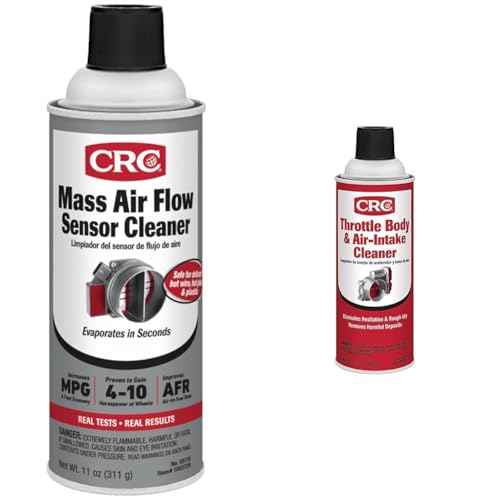
Cleaning the MAF is simple: remove the sensor, spray it with dedicated MAF cleaner, let it dry completely, and reinstall. Don’t use carburetor cleaner or any other solvent, they can damage the delicate sensor element.
How to Diagnose Your Mazda Check Engine Light
Using an OBD-II Scanner to Read Trouble Codes
Every Mazda built after 1996 includes an OBD-II port located under the dashboard, just above the brake pedal on the driver’s side. Plug in a Bluetooth OBD-II scanner like the FIXD or a basic code reader to retrieve stored fault codes in seconds.
Turn the ignition to the “On” position without starting the engine. Open the scanner app on your smartphone or read the display on a handheld unit. The scanner will display alphanumeric codes (like P0126 or P0420) along with a brief description.
Write down all codes, including pending codes that haven’t yet triggered the check engine light. Pending codes reveal intermittent faults that may become active soon. According to Car and Driver’s OBD-II guide, reading your own codes can save $100–$150 per dealership diagnostic session.
Understanding Mazda-Specific Trouble Codes
Mazda vehicles share many generic OBD-II codes with other manufacturers, but certain codes appear more frequently due to SkyActiv engine design:
| Code | Description | Common Cause |
|---|---|---|
| P0126 | Insufficient coolant temperature | Thermostat stuck open |
| P0420 | Catalyst efficiency below threshold | Failing catalytic converter or O2 sensor |
| P0171 | System too lean (Bank 1) | Vacuum leak, dirty MAF, fuel pressure |
| P0300 | Random/multiple cylinder misfire | Worn spark plugs, bad ignition coil |
| P0456 | EVAP small leak detected | Loose or damaged gas cap |
P0126 is a Mazda trademark fault, especially on 2014–2018 Mazda3 and CX-5 models. The SkyActiv engine’s advanced thermal management expects rapid warm-up. A stuck-open thermostat prevents the engine from reaching target temperature, reducing fuel economy and triggering the light. Thermostat replacement takes about an hour and costs $60–$120 in parts.
“My 2016 CX-5 threw P0126 every winter. Swapped the thermostat and the code never came back. Coolant temp now hits 190°F in half the time.” via Mazdas247 Forum
Cross-reference your codes with the Mazda TSB database to check for Technical Service Bulletins or recalls that might cover your issue under warranty extension.
Can You Drive with the Check Engine Light On?
A solid check engine light generally means you can continue driving cautiously for a short period, but you should diagnose and repair the issue soon. Monitor your Mazda’s performance for symptoms like rough idling, power loss, unusual noises, or poor fuel economy.
If the light turns on during a long highway drive and the car feels normal, you’re likely safe to reach your destination. Schedule a diagnostic scan within the next few days. Ignoring the light for weeks or months can turn a minor sensor fault into costly engine damage.
A flashing check engine light means stop driving immediately. Active cylinder misfire sends raw fuel into the exhaust, overheating and destroying the catalytic converter. Pull over safely, turn off the engine, and arrange for a tow or very careful low-speed drive to the nearest repair shop.
If the check engine light and traction control light illuminate together, the ECU has detected a powertrain fault serious enough to disable stability systems. Common causes include throttle position sensor failure, severe misfires, or transmission control module issues. Drive cautiously and get the car inspected promptly.
How to Reset Your Mazda Check Engine Light
After fixing the underlying issue, you can reset the check engine light in three ways. The safest method uses an OBD-II scanner: connect the tool, navigate to “Clear Codes” or “Erase DTCs,” and confirm. The light turns off immediately if the fault is resolved.
You can also disconnect the negative battery terminal for 10–15 minutes to force an ECU reset. Remove the cable, wait, reconnect, and start the engine. This method clears all fault codes and resets learned idle and fuel trim values, so the engine may run slightly rough for the first few drive cycles while the ECU relearns.
Don’t reset codes before diagnosing the problem. Clearing the light without fixing the fault brings it back within minutes or a few drive cycles. Worse, you erase valuable freeze-frame data that shows exactly what the engine was doing when the fault occurred, vital information for accurate troubleshooting.
Some Mazda owners report success with the “pedal dance” reset (ignition on-off sequence), but this method is model-specific, unreliable, and won’t work on most modern Mazdas with advanced ECU programming.
When to Take Your Mazda to a Mechanic
Seek professional help if you see a flashing check engine light, hear knocking or pinging noises, experience severe power loss, or notice smoke from the exhaust. These symptoms indicate internal engine damage, failing ignition components, or critical sensor faults beyond DIY fixes.
If you’ve scanned the codes but lack the tools or confidence to replace components like ignition coils, fuel injectors, or the thermostat, a trusted independent Mazda specialist can often diagnose and repair the issue for 30–50% less than dealership rates. According to RepairPal, the average check engine light diagnostic costs $88–$111 at independent shops versus $150+ at dealers.
Bring your scanner results and note any symptoms. A good technician appreciates informed customers and can skip straight to targeted testing. If the shop tries to upsell unnecessary repairs, get a second opinion.
For recurring codes after DIY repairs, professional-grade scan tools can access live sensor data, perform actuator tests, and run Mazda-specific diagnostics that consumer scanners can’t. Sometimes the fault lies in wiring, ground connections, or ECU software that requires dealer-level equipment to resolve.
Frequently Asked Questions
What does the Mazda check engine light mean?
The Mazda check engine light (Malfunction Indicator Light) signals a detected fault in your engine management system, emissions controls, or powertrain sensors. A solid light typically indicates a non-critical issue like a loose gas cap or faulty oxygen sensor, while a flashing light warns of active cylinder misfire that requires immediate attention.
Is it safe to drive with the Mazda check engine light on?
A solid check engine light generally allows safe cautious driving for a short period, but you should diagnose the issue soon. However, a flashing check engine light means stop immediately—it signals active cylinder misfire that can destroy your catalytic converter. Pull over safely and arrange for professional service.
What are the most common causes of check engine light in Mazda?
Common triggers include a loose or damaged gas cap, oxygen sensor failure, dirty mass air flow (MAF) sensor, catalytic converter issues, and thermostat problems (P0126 code). SkyActiv engines are particularly sensitive to sensor faults due to high-compression direct injection design.
How do I read the trouble codes on my Mazda?
Plug a Bluetooth OBD-II scanner into the port under your dashboard (above the brake pedal) with the ignition in the ‘On’ position. The scanner will display fault codes like P0126 or P0420. Reading your own codes saves $100–$150 per dealership diagnostic session.
Can I reset the Mazda check engine light myself?
Yes, use an OBD-II scanner’s ‘Clear Codes’ function for the safest reset. Alternatively, disconnect the negative battery terminal for 10–15 minutes. Never reset codes before fixing the underlying problem, as the light will return within minutes and you’ll lose freeze-frame diagnostic data.
What does Mazda check engine code P0126 mean?
Code P0126 signals an insufficient coolant temperature—typically a thermostat stuck in the open position. This Mazda-specific fault is common on SkyActiv engines (2014–2018 Mazda3 and CX-5 models). Replacement takes about an hour and costs $60–$120, permanently resolving the issue.
Read More:
- Chevy Check Engine Light (Means, Root Causes & How to Fix It)
- Audi Check Engine Light (Meaning, Common Causes and DIY Fix Guide)
- Dodge Check Engine Light (Quick Codes & Fixes for HEMI & Pentastar)
- Ford Check Engine Light (Means and Step-By-Step Diagnosis)
- BMW Check Engine Light (Quick Diagnostic Guide to Fix It Fast)