This post contains affiliate links. Purchases may earn me a commission at no extra cost to you.
If your Acura MDX jerks between gears, shudders at highway speed, or throws a “Transmission System Problem” warning, you’re not alone, and you’re not imagining it.
Acura MDX transmission problems have affected multiple generations, but the 2014–2020 models equipped with the ZF 9-speed automatic are the most frequently reported. Common failures include torque converter shudder between 40–60 mph, transmission hunting between gears, hard or delayed shifts, and fluid degradation. The 2001–2003 first-generation models also carry a documented history of premature torque converter failure. Newer 10-speed equipped MDXs (2022+) show improvements, though some owners still report shift logic hesitation under light throttle.
This guide breaks down every symptom, the model years most at risk, root causes, and the maintenance steps that can save you from a full transmission replacement.
The 2014–2020 Acura MDX ZF 9-speed transmission is most prone to failure, with common issues including torque converter shudder between 40–60 mph, gear hunting, and hard shifts that often require professional diagnosis.
Recognizing early warning signs like dashboard transmission warnings, unusual vibrations, and rough shifting can help you address Acura MDX transmission problems before they escalate to costly full replacements.
Regular ATF fluid checks every 15,000 miles and a triple transmission fluid flush every 30,000 miles significantly extend torque converter life and prevent contamination from internal wear.
The 2022+ fourth-generation MDX with Honda’s 10-speed automatic shows marked improvement in reliability, though some owners report shift hesitation that software calibration updates from Acura can resolve.
Before authorizing a full transmission replacement, insist on a transmission pressure test and solenoid function test, as valve body rebuilds or mechatronic unit replacements often solve problems at a fraction of the cost.
Using only Honda DW-1 ATF or ATF-TYPE 3.1 (for 2022+ models) and maintaining proper fluid levels is critical, as the ZF 9-speed is extremely sensitive to fluid quality and contamination.
Recognizing Transmission Issue Symptoms
Before you spend a dime at the dealership, you need to accurately identify what your MDX is doing wrong. Transmission symptoms often overlap with engine-related vibrations, especially on V6 models with Honda’s Variable Cylinder Management (VCM). Knowing the difference between Acura MDX VCM vibration vs transmission shudder is your first diagnostic step.
Dashboard Warning Lights and Alerts
The most obvious sign is the amber “Transmission System Problem” warning on your dashboard. This alert typically accompanies a stored DTC (Diagnostic Trouble Code) like P0700 (general transmission fault) or P0705 (transmission range switch error). On ZF 9-speed models, an Acura MDX P0705 transmission range switch error often triggers limp mode, locking the transmission in a single gear to prevent further damage.
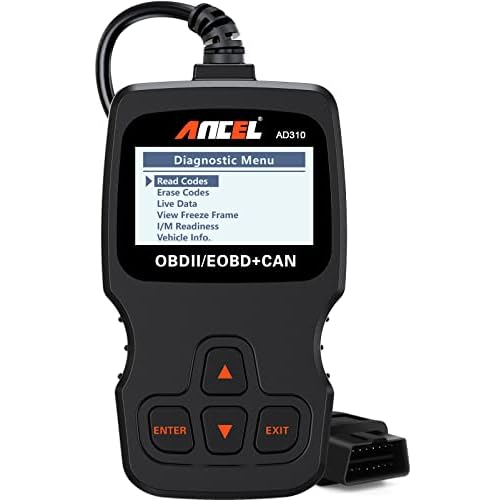
If your dashboard flashes the D indicator light, your ECU has detected a critical fault. Don’t ignore it. Even if the light clears after a restart, the code remains stored in your PCM and needs to be read with an OBD-II scanner. A quality scanner like the FOXWELL NT310 OBD2 Scanner can pull transmission-specific codes and save you a diagnostic fee.
ANCEL AD310 Classic Enhanced Universal OBD II Scanner Car Engine Fault Code Reader CAN Diagnostic Scan Tool, Read and Clear Error Codes for 1996 or Newer...
A rhythmic shudder between 40–60 mph is the hallmark of Acura MDX torque converter shudder. It feels like driving over rumble strips at a consistent speed. This vibration comes from the torque converter lockup clutch failing to engage smoothly, causing micro-slippage against the flywheel.
Some owners also report an Acura MDX ZF9 transmission squealing noise during cold starts, which typically points to a worn input shaft bearing or degraded ATF. Don’t confuse VCM-induced vibration (which occurs during cylinder deactivation at steady cruise) with genuine transmission judder. VCM vibration is smoother and disappears when you press the throttle: torque converter shudder intensifies under light load.
“My 2016 MDX shudders like crazy between 40-50 mph. Dealer did a fluid change and it helped for about 2,000 miles, then came right back. Finally got them to replace the torque converter under goodwill.” via r/Acura
Slipping Gears and Gear Engagement Issues
Gear slipping feels like a momentary loss of power, your RPMs climb but the vehicle doesn’t accelerate. On the ZF 9-speed, this often happens between 3rd and 4th gear. The transmission may also refuse to engage reverse promptly, especially when cold.
If your MDX hesitates when shifting from Park to Drive, your neutral safety switch may need adjustment. An Acura MDX neutral safety switch adjustment is a relatively simple fix that involves recalibrating the range sensor on the transmission housing.
Rough or Delayed Shifting
Hard shifts, especially 1-2 and 2-3 upshifts, are among the most common Acura MDX 10-speed transmission hard shifting complaints on 2022+ models. The transmission’s adaptive learning algorithm sometimes over-corrects shift points, producing a “clunky” feel that owners rightfully question in a luxury SUV.
Clearing your Acura MDX transmission adaptive learning cache through a battery disconnect (negative terminal for 15 minutes, then pump the brake pedal 10 times) can reset shift patterns. This DIY reset often restores smoother behavior for several hundred miles.
Model Years Most Affected by Transmission Faults
Not every MDX generation carries equal risk. Here’s a breakdown of which years demand the most scrutiny.
First and Second Generation Acura MDX
The 2001–2006 first-generation MDX used a 5-speed automatic that earned a reputation for premature torque converter failure, often between 80,000 and 120,000 miles. Honda issued multiple Technical Service Bulletins for these units. The second generation (2007–2013) switched to a more reliable 5-speed and later 6-speed automatic. The 6-speed is widely considered the “bulletproof” MDX transmission.
2013 and 2016 Model-Specific Cases
The 2014–2016 models introduced the ZF 9HP 9-speed automatic, and with it, a wave of complaints. The 2016 model year stands out with high volumes of NHTSA complaints about transmission hunting between gears, especially on highway on-ramps and during gentle acceleration. Acura released multiple ZF 9-speed transmission software updates through 2019 to address shift logic, but many owners found relief only after a torque converter replacement.
Third Generation Concerns
The third-generation MDX (2014–2020) bears the brunt of ZF 9-speed issues. Troubleshooting Acura MDX transmission judder at 40–60 mph became a common forum topic during this era. Key problem areas include:
Torque converter lockup clutch degradation
Mechatronic unit (valve body) solenoid failures
ATF contamination from internal clutch material
Shift flare between 3rd and 5th gears
Generation
Years
Transmission
Common Issue
Severity
1st Gen
2001–2006
5-speed auto
Torque converter failure
High
2nd Gen
2007–2013
5/6-speed auto
Minimal issues
Low
3rd Gen
2014–2020
ZF 9-speed
Shudder, hunting, hard shifts
High
4th Gen
2022–2026
10-speed
Shift hesitation
Moderate
Recent Improvements and Persistent Issues
The fourth-generation MDX (2022+) moved to Honda’s own 10-speed automatic, and overall reliability improved significantly. But, some owners still report Acura MDX transmission hunting between gears during low-speed maneuvers. Software calibration updates from Acura have addressed many of these complaints. If you own a 2022–2026 MDX, check with your dealer for the latest PCM calibration, there have been at least two revisions since launch.
“Got the 2023 Type S. Shifts were rough the first 3,000 miles. Dealer flashed a new calibration and it’s a different car now. Smooth as butter.” via MDXers.org
Underlying Causes and Risk Factors
Understanding why these transmissions fail helps you catch problems before they become catastrophic.
Transmission Fluid Leaks and Level Issues
The ZF 9-speed is extremely sensitive to fluid level and condition. Checking Acura MDX ATF-TYPE 3.1 fluid levels requires the engine running at operating temperature with the vehicle on a level surface. Unlike older Honda transmissions, there’s no traditional dipstick, you need to access the overflow plug on the transmission case.
Leaks commonly originate from the transmission cooler lines, the axle seal interfaces, and the oil pan gasket. Even a small leak that drops fluid level by half a quart can trigger erratic shifting and stored codes.
Torque Converter and Internal Component Failures
The torque converter lockup clutch is the single most failure-prone component in the ZF 9-speed MDX. When the lockup clutch lining wears, it contaminates the ATF with friction material, which then circulates through the valve body and accelerates wear on solenoids. Replacing the Acura MDX torque converter lockup clutch typically requires a full transmission removal.
An Acura MDX triple transmission fluid flush procedure, draining, refilling, running, and repeating three times, can extend torque converter life if performed every 30,000 miles. Use only Honda/Acura DW-1 ATF or the specified ATF-TYPE 3.1 for 2022+ models.
For DIY fluid changes, the Mityvac 7201 Fluid Evacuator makes extracting old ATF significantly easier without dropping the pan.
Worn input and output shaft seals cause slow fluid loss that may not leave visible puddles. On SH-AWD models, the rear differential seal is another leak point. Symptoms of failing Acura MDX transfer case splines include a metallic clunk during low-speed turns and uneven tire wear on the rear axle.
Parasitic battery drain, while not a transmission problem itself, can corrupt the PCM’s adaptive shift memory, causing the transmission to “relearn” poorly after a dead battery event.
Excessive Oil Consumption
The J35Y V6 in third-generation MDXs has documented oil consumption issues. Low engine oil can cause VCM-related vibrations that owners mistake for transmission shudder. Always verify your engine oil level before chasing a transmission diagnosis. The Acura SH-AWD rear differential fluid service interval is every 30,000 miles, neglecting it compounds drivetrain vibration symptoms.
Maintenance, Diagnosis, and Long-Term Solutions
Checking and Changing Transmission Fluid
Check your ATF every 15,000 miles. Fresh DW-1 fluid is a clear ruby red. If yours looks brown or smells burnt, you’re overdue. On the ZF 9-speed, a single drain-and-fill replaces only about 3.5 quarts of the total 8.5-quart capacity, which is why an Acura MDX triple transmission fluid flush procedure is the gold standard for a thorough fluid exchange.
Always warm the transmission to operating temperature before checking levels. On 2022+ models, use only ATF-TYPE 3.1, DW-1 is not compatible with the 10-speed unit.
Monitoring for Early Warning Signs
Pay attention to these early indicators before they escalate:
Slight hesitation during 2-3 upshift
RPM flare without corresponding acceleration
Intermittent shudder at steady highway speeds
Gear indicator flashing momentarily
Any “Transmission System Problem” warning, even if it clears
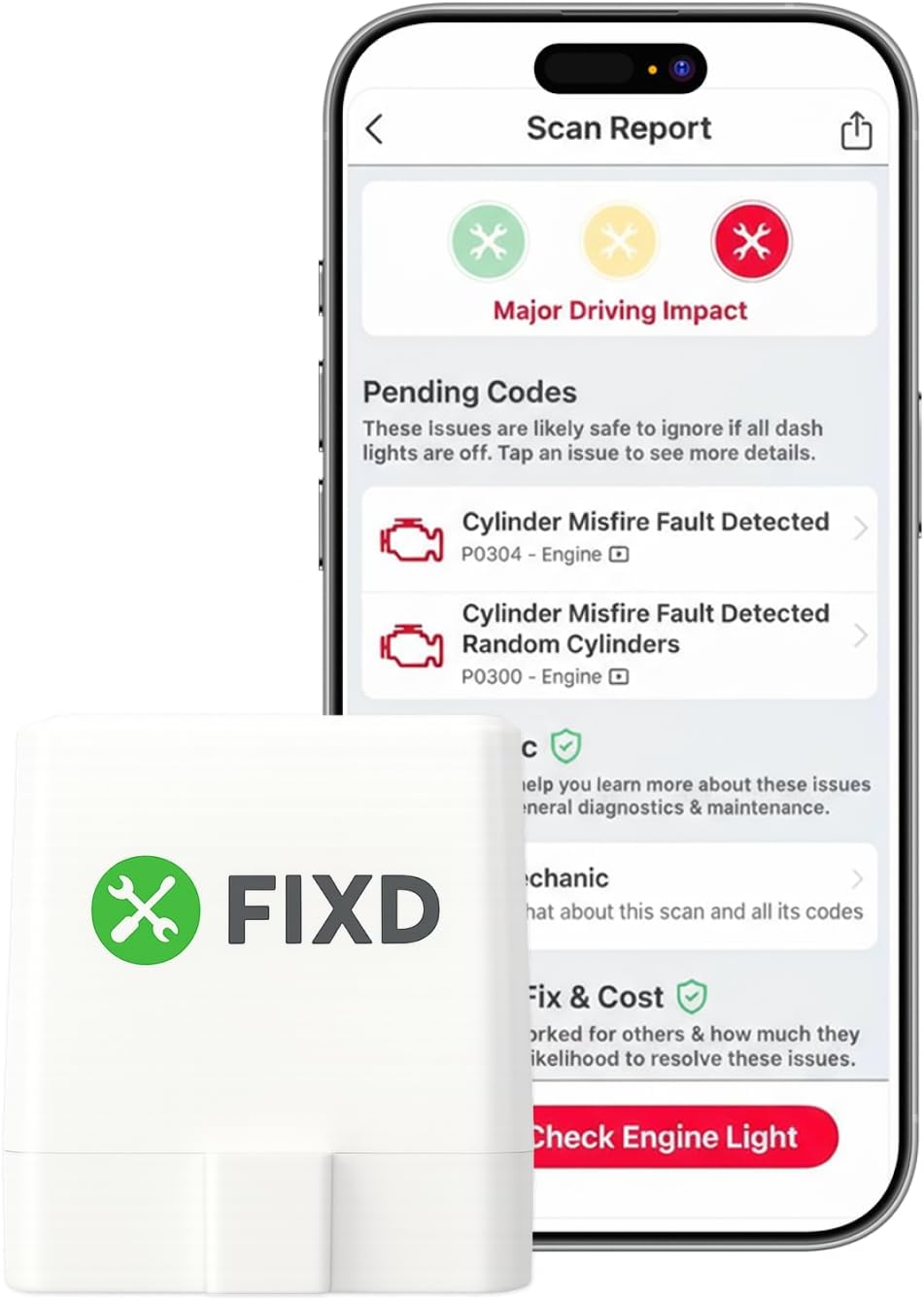
Track these symptoms with a Bluetooth OBD-II adapter and a subscription to FIXD, it monitors transmission temperature, shift points, and stored codes in real time from your phone.
Professional Diagnosis and Software Updates
If DIY resets and fluid services don’t resolve your issues, a professional diagnosis is your next step. Acura dealers can perform a ZF 9-speed transmission software update (2026 calibrations are now available for most 2016–2020 models) that refines shift logic and torque converter lockup behavior.
Ask your service advisor specifically about TSB 19-028 (torque converter shudder) and TSB 21-006 (shift quality improvement). These bulletins often qualify for goodwill coverage even outside the original warranty period if you have documented service history.
Repair Options and Cost Considerations
Repair costs for Acura MDX transmission problems vary widely depending on the root cause. A triple fluid flush runs between a few hundred dollars. Torque converter replacement typically falls in the mid-range. A full Acura MDX transmission replacement, the nuclear option, sits at the top of the scale and should only be considered after all other avenues are exhausted.
Before approving a full replacement, insist on a transmission pressure test and solenoid function test. Many “failed” ZF 9-speed units can be salvaged with a valve body rebuild or mechatronic unit replacement at a fraction of the cost.
Data Insights and Analysis
According to NHTSA complaint data, the 2016 Acura MDX has accumulated over 200 transmission-related complaints, more than double any other MDX model year. The 2014 and 2015 models follow closely, confirming that early ZF 9-speed calibrations were the primary culprit.
Consumer Reports’ 2025 reliability survey rated the 2022+ MDX’s 10-speed transmission as “above average,” a notable improvement over the “well below average” rating the ZF 9-speed consistently earned from 2014–2020.
Expert Note: "The ZF 9HP fails not because the hardware is fundamentally flawed, but because its mechatronic unit demands ATF cleanliness standards closer to a European specification than what many North American service intervals provide. Fluid that's 'good enough' for a traditional planetary gearbox accelerates solenoid wear in the ZF's electrohydraulic valve body. A 30,000-mile fluid change interval, not the 60,000 miles some owners assume, is the single most effective preventive measure."
Frequently Asked Questions
What are the most common Acura MDX transmission problems?
The most frequent issues include torque converter shudder between 40–60 mph, transmission hunting between gears, hard or delayed shifts, and fluid degradation. The 2014–2020 ZF 9-speed models are most affected, though early generations and newer 10-speed units can also experience problems.
Which Acura MDX model years have the worst transmission issues?
The 2014–2020 models with the ZF 9-speed automatic are most problematic, with 2016 standing out with over 200 NHTSA complaints. The 2001–2006 first generation had premature torque converter failure. The 2022+ 10-speed models show significant improvements.
How can I tell if my Acura MDX transmission shudder is from the transmission or VCM?
Torque converter shudder feels like driving over rumble strips and intensifies under light load. VCM-induced vibration is smoother and disappears when you press the throttle. If the shudder persists at steady highway speeds between 40–60 mph, it’s likely transmission-related.
What transmission fluid should I use for my Acura MDX?
2014–2020 ZF 9-speed models require Honda DW-1 ATF. 2022+ 10-speed models require ATF-TYPE 3.1 only—DW-1 is not compatible. Always check your owner’s manual and use the specified fluid to prevent further transmission damage.
How often should I change my Acura MDX transmission fluid?
Check ATF every 15,000 miles and perform a complete fluid exchange every 30,000 miles. A triple transmission fluid flush (draining and refilling three times) is recommended for thorough renewal. This preventive maintenance can extend torque converter life and prevent shudder issues.
Can a transmission fluid flush fix Acura MDX shudder problems?
A triple transmission fluid flush often improves shudder symptoms, especially if the fluid is degraded or contaminated. However, if the torque converter lockup clutch is severely worn, a fluid change alone won’t resolve the issue—replacement may be necessary for permanent relief.
Disclaimer: This content is provided for educational and informational purposes only. Equipment symptoms, repairs, and diagnostic procedures may vary by make, model, year, and condition. Always consult a qualified technician, your equipment’s service manual, and verified manufacturer recalls or service bulletins before performing repairs. GearFixes.com assumes no liability for damages resulting from the use of information on this site.