
Your Silverado’s transmission just started acting up, and you need answers fast.
Chevy Silverado transmission problems span multiple generations and drivetrain types, from the notorious “rumble strip” shudder in the 8L90 eight-speed to torque converter clutch failures in the 6L80 six-speed and the alarming 2026 rear-wheel lockup recall affecting 10L80 ten-speed units. The most common fixes range from a Mobil 1 Synthetic LV ATF HP fluid flush (which resolves many shudder complaints) to full valve body replacements or clutch pack overhauls for trucks with mechanical wear. Knowing which triage step your truck actually needs can save you thousands.
This guide breaks down every major symptom, cause, and repair path, organized by transmission type, so you can make the right call before your truck goes into limp mode on the highway.
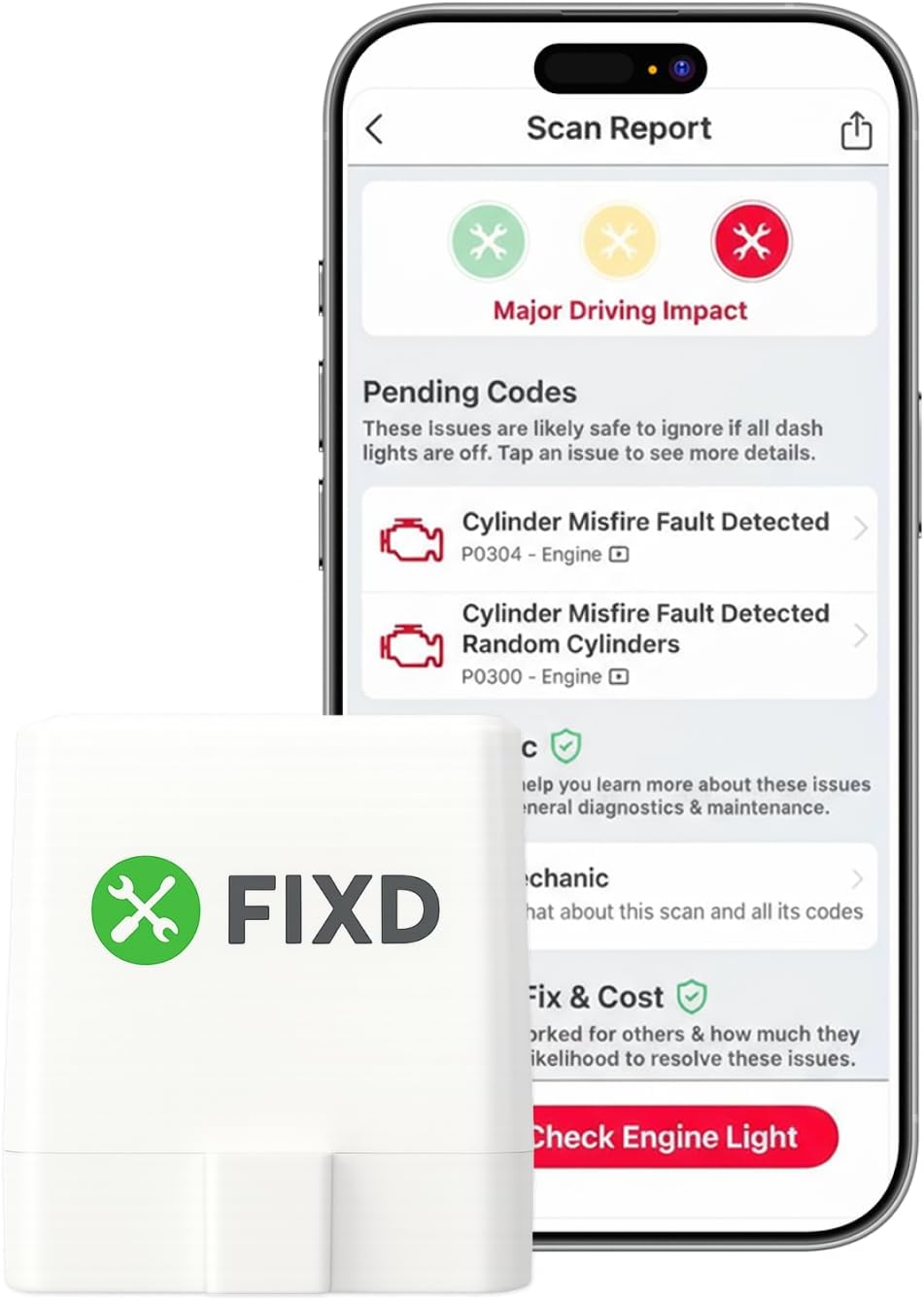
Best Bluetooth OBD2 Scanner
Detect 39,000+ Issues With Enhanced Codes. Save $1000s on car repairs & buying used vehicles by diagnosing problems yourself.
Shop on Amazon
Key Takeaways
- Chevy Silverado transmission problems vary by model year and type—the 8L90 exhibits the notorious ‘rumble strip shudder,’ the 6L80 suffers from torque converter failures, and the 10L80 has a rear-wheel lockup recall affecting 800,000+ vehicles.
- Low and contaminated transmission fluid is the number-one preventable cause of Silverado transmission issues; using the correct fluid (Dexron VI for 6L80, Mobil 1 Synthetic LV ATF HP for 8L90/10L80) and changing it every 45,000 miles can prevent costly failures.
- The 8L90 shudder can be resolved in 70% of cases with a complete fluid flush using updated Mobil 1 Synthetic LV ATF HP, while the remaining 30% require torque converter clutch replacement or full transmission rebuild.
- Worn clutches, valve body deterioration, and torque converter failures are the primary mechanical causes of transmission problems; AFM (Active Fuel Management) delete can improve longevity by reducing drivetrain stress.
- If your Silverado transmission temperature exceeds 220°F during normal driving or reaches 240°F while towing, pull over immediately, as overheating accelerates internal wear and can turn a rebuild into a full replacement.
- Professional diagnostic scanning is essential—codes like P0700 (transmission fault), P0741 (torque converter clutch stuck off), and ‘Shift to Park’ errors require technician expertise; continuing to drive in limp mode causes irreversible damage.
Identifying Common Silverado Transmission Symptoms
Before you throw parts at your truck, you need to identify what’s actually happening. Silverado transmission symptoms fall into four main buckets, and each one points to a different root cause.
Slipping Gears and Delayed Engagement
Gear slippage feels like your engine revs but the truck doesn’t accelerate. You press the gas, the RPMs climb, and nothing happens for a beat. Delayed engagement is the cousin, you shift from Park to Drive and wait one, two, sometimes three seconds before the transmission catches.
These symptoms often trigger a P0700 diagnostic trouble code, which is a generic transmission fault indicator. If your scan tool also pulls a P0741 (torque converter clutch stuck off), you’re likely looking at internal clutch wear or a failing torque converter solenoid. Don’t ignore these codes.
Rough Shifting and Shuddering
The 8L90 transmission earned its bad reputation from the “rumble strip shudder”, a violent vibration between 40–60 mph that feels like you’re driving over grooved pavement. This affects 2015–2020 Silverado 1500 trucks most frequently.
“My 2017 Silverado shudders so bad between 45-55 mph it feels like the whole drivetrain is going to fall out. Fluid change helped for about 2,000 miles then it came back worse.” via r/ChevyTrucks
Rough shifting, especially a hard clunk when shifting to drive, can also indicate a worn transmission control module (TCM) or degraded adaptive shift parameters that need a TCM reset.
Transmission Fluid Leaks and Overheating
If your Silverado transmission temperature runs high, check your cooler lines first. Corroded or cracked transmission oil cooler lines are common on 2014–2018 models. A leaking line drops fluid levels, which causes overheating, which accelerates clutch wear, a vicious cycle.
Watch your transmission temp gauge. Anything above 220°F under normal driving is a red flag. If you’re towing and hitting 240°F+, pull over.
Warning Lights and Unusual Noises
A check engine light paired with a wrench icon usually means the TCM has logged a fault. Whining from the transmission area often points to a failing pump or low fluid. A buzzing or humming at highway speed? That’s your torque converter telling you it’s dying.
Symptoms of a failing Silverado transmission wire harness include intermittent shifting errors, phantom warning lights, and the dreaded “Shift to Park” sensor error that plagues 2016–2019 trucks.
Major Causes of Transmission Issues in Chevy Silverados
Symptoms tell you what. Now let’s talk about why your Silverado transmission is failing.
Low and Contaminated Transmission Fluid
This is the number-one preventable cause. GM’s factory-fill fluid breaks down faster than many owners expect, especially in trucks used for towing. Contaminated fluid loses its friction-modifying properties, which directly causes the 8L90 shudder. A proper Mobil 1 Synthetic LV ATF HP fluid flush has resolved this issue for thousands of owners when caught early.
Worn Clutches and Valve Body Wear
Clutch packs inside the 6L80 and 8L90 wear over time, especially in trucks with Active Fuel Management (AFM). The constant cylinder deactivation and reactivation creates additional stress on the drivetrain. Many technicians note that an AFM delete can positively impact transmission longevity by reducing torque fluctuations.
Valve body wear causes erratic shift timing. If your truck hunts between gears on the highway, the valve body solenoids may be sticking or leaking internally.
Torque Converter Failure and Related Risks
The 6L80 torque converter clutch failure is a well-documented issue. Symptoms include Silverado transmission hesitation while towing, a shudder at light throttle, and eventual limp mode. The converter’s clutch material sheds into the fluid, contaminating the entire system. That’s why a torque converter replacement without a full system flush is a waste of money.
Manufacturing Defects and Recurring Faults
Some problems aren’t your fault at all. GM has acknowledged manufacturing defects in multiple transmission generations. The 8L90’s torque converter design was fundamentally flawed in early production runs, and the 10L80 has shown a pattern of rear-wheel lockup events that prompted a major 2026 recall.
| Transmission | Common Failure | Model Years Most Affected | Typical Fix |
|---|---|---|---|
| 6L80 | Torque converter clutch failure | 2014–2018 | Converter replacement + flush |
| 8L90 | Shudder / rumble strip vibration | 2015–2020 | Fluid flush or clutch pack rebuild |
| 10L80 | Rear-wheel lockup | 2022–2025 | Recall repair (TCM reprogramming) |
Transmission Types, Recalls, and Technical Bulletins
Each Silverado transmission generation has its own personality, and its own failure modes.
6L80, 8L90, and 10L80 Transmission Problems
The 6L80 (2014–2018 Silverado 1500/2500) suffers primarily from torque converter and pump failures. The 8L90 (2015–2020) is plagued by the shudder issue and harsh 1-2 shifts. The 10L80 (2020+) is GM’s newest unit, co-developed with Ford, and while smoother overall, it has exhibited the alarming rear-wheel lockup condition that affects certain VINs.
For 2500HD and 3500HD owners, the Allison transmission shifting issues are a separate conversation, typically related to the NSBU (Neutral Safety Backup) switch or internal wiring harness degradation.
Overview of TSB 18-NA-355 and Related Fixes
GM Technical Service Bulletin 18-NA-355 specifically addresses the 8L90 shudder. The prescribed fix involves a complete transmission fluid drain-and-fill using updated Mobil 1 Synthetic LV ATF HP fluid and replacing the torque converter in severe cases. This TSB covers 2015–2019 Silverado and Sierra trucks.
“Dealer did the TSB fluid swap on my ’18 Silverado. Shudder gone for 30k miles now. Best money I ever spent on this truck.” via SilveradoSierra.com Forums
How Recalls Impact Silverado Owners
The GM 10L80 transmission rear-wheel lockup recall is a safety-critical issue. Affected trucks can experience sudden rear-wheel engagement at highway speeds, causing loss of vehicle control. GM has issued a recall for affected 2022–2025 model year trucks. Check your VIN through NHTSA’s recall lookup tool to see if your truck is included.
If your VIN is flagged, do not delay the repair. The fix typically involves a TCM software update and, in some cases, valve body replacement.
Role of Dexron VI and Proper Fluid Choice
Fluid choice matters more than most owners realize. The 6L80 uses Dexron VI. The 8L90 and 10L80 require the newer Mobil 1 Synthetic LV ATF HP (GM part number 19417577). Using the wrong fluid will void your warranty coverage and can accelerate clutch wear.
For a reliable at-home fluid flush, grab the Mobil 1 Synthetic LV ATF HP from Amazon. You’ll need approximately 11 quarts for a full 8L90 drain-and-fill.

Maintenance, Repairs, and Long-Term Solutions
Transmission Maintenance and Fluid Flushes
Change your transmission fluid every 45,000 miles, or every 30,000 if you tow regularly. GM’s “lifetime fluid” claim is misleading. No transmission fluid lasts forever, and neglecting changes is the fastest path to a shudder or slip.
For monitoring, a Silverado transmission temperature gauge lets you track temps in real time. This is especially critical for towing setups where heat kills transmissions.
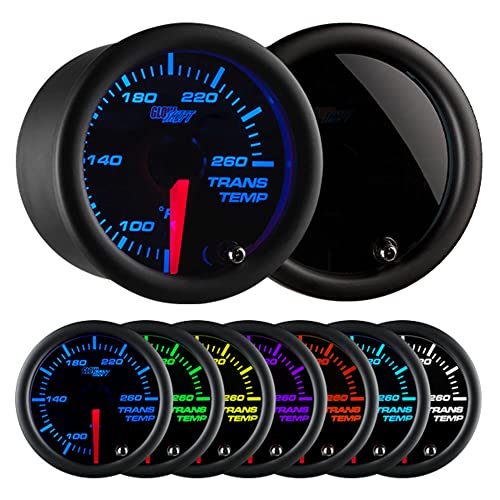
Here’s a quick triage checklist:
- Shudder at 40–60 mph? Start with a full fluid flush using Mobil 1 LV ATF HP
- Hard clunk into Drive? Check motor mounts first, then inspect valve body
- Overheating while towing? Inspect cooler lines and add an auxiliary cooler
- Limp mode with P0700/P0741? Scan for codes, check wiring harness, then assess torque converter
- Shift to Park error? Clean or replace the shift-to-park sensor actuator
Full and Partial Transmission Rebuilds
A partial rebuild targets the specific failed component, valve body, clutch pack, or torque converter. A full rebuild tears the entire unit down. For trucks with over 150,000 miles showing multiple symptoms, a full rebuild or remanufactured replacement often makes more sense than chasing individual failures.
The cost of a Chevy Silverado transmission rebuild vs replacement varies widely, but the rebuild path is generally the better value if your case and internals are in decent shape.
Preventing Repeat Issues in Future Models
Keep your fluid fresh. Monitor temps. If your truck has AFM, consider a Range Technology AFM/DFM Disabler to reduce drivetrain stress. And stay current on TSBs and recalls, GM updates their bulletins regularly.

For fleet managers evaluating used Silverados, focus on 2021+ model years for the 10-speed, and verify recall completion before purchase.
When to Seek Professional Help
If a fluid flush doesn’t fix the shudder within 500 miles, you need a technician, not another YouTube fix. If your truck is in limp mode, don’t drive it. Get it flatbedded to a shop. Continuing to drive a truck with a slipping transmission turns a rebuild into a replacement.
Data Insights and Analysis
GM’s NHTSA complaint data shows over 3,000 reported transmission-related complaints for the 2015–2020 Silverado 1500 equipped with the 8L90, making it one of the most complained-about drivetrain components in GM’s modern truck lineup. The 10L80 rear-wheel lockup recall affects an estimated 800,000+ vehicles across GM’s truck and SUV platforms.
Expert Note: "The 8L90 shudder isn't a design flaw in the gear sets, it's a friction material compatibility issue in the torque converter clutch. When the factory fluid degrades, the TCC can no longer maintain smooth lockup, creating the oscillation drivers feel as a shudder. Replacing the fluid with updated Mobil 1 LV ATF HP restores the proper friction coefficient in roughly 70% of cases. The remaining 30% have physical damage to the converter clutch lining and need hardware replacement."
According to transmission rebuilder data from 2025, the 6L80 torque converter failure rate peaks between 80,000 and 120,000 miles, with trucks used for regular towing failing at the earlier end of that range.
Frequently Asked Questions
What causes the Chevy Silverado transmission shudder between 40-60 mph?
The shudder, common in 2015–2020 models with the 8L90 transmission, is caused by degraded transmission fluid losing friction-modifying properties. The torque converter clutch can’t maintain smooth lockup, creating oscillation. Flushing with Mobil 1 Synthetic LV ATF HP fluid resolves the issue in about 70% of cases caught early.
How often should I change my Silverado transmission fluid?
Change transmission fluid every 45,000 miles for regular driving, or every 30,000 miles if you tow regularly. GM’s ‘lifetime fluid’ claim is misleading—no transmission fluid lasts forever. Regular fluid changes prevent shudder, slipping, and other costly failures.
What does a Chevy Silverado transmission fluid leak indicate?
Transmission leaks often stem from corroded or cracked oil cooler lines, common on 2014–2018 models. Low fluid levels cause overheating, which accelerates clutch wear. Watch for temperatures above 220°F during normal driving or 240°F+ while towing as warning signs.
Is the 10L80 transmission rear-wheel lockup recall serious?
Yes, the 2022–2025 10L80 rear-wheel lockup recall is safety-critical. Affected vehicles can experience sudden rear-wheel engagement at highway speeds, causing loss of vehicle control. Check your VIN through NHTSA’s recall tool and schedule the repair immediately if flagged.
What’s the difference between a Chevy Silverado transmission rebuild and replacement?
A partial rebuild targets specific failed components like the valve body or torque converter. A full rebuild tears down the entire unit. For trucks with 150,000+ miles showing multiple symptoms, a full rebuild or remanufactured replacement often provides better long-term value than chasing individual failures.
What’s the correct transmission fluid for a Chevy Silverado 8L90?
The 8L90 and 10L80 transmissions require Mobil 1 Synthetic LV ATF HP (GM part number 19417577). Using incorrect fluid voids warranty coverage and accelerates clutch wear. The 6L80 uses Dexron VI. Always verify your transmission type before purchasing fluid.
Sources:
- NHTSA Recalls and Complaints Database
- SilveradoSierra.com Owner Forums
- r/ChevyTrucks on Reddit
- GM Technical Service Bulletins via NHTSA
- Mobil 1 Synthetic LV ATF HP Product Page
Read More: