
Your VW Golf’s EPC light just flashed on, the throttle feels dead, and now you’re crawling home in limp mode wondering if this is a $50 fix or a $5,000 nightmare.
Most EPC light problems on the VW Golf come down to five common culprits: a dirty throttle body, a bad brake light switch, worn spark plugs or ignition coils, corroded battery terminals, or a faulty sensor connection, and you can diagnose most of these yourself in under 30 minutes with a basic OBD2 scanner. The good news? Very few EPC triggers actually mean turbo or engine damage.
This guide walks you through exactly how to fix EPC light on VW Golf models across the Mk6, Mk7, and Mk8 generations, whether you drive a base TSI or a GTI. No dealership jargon, no guesswork. Just the checklist you need right now.
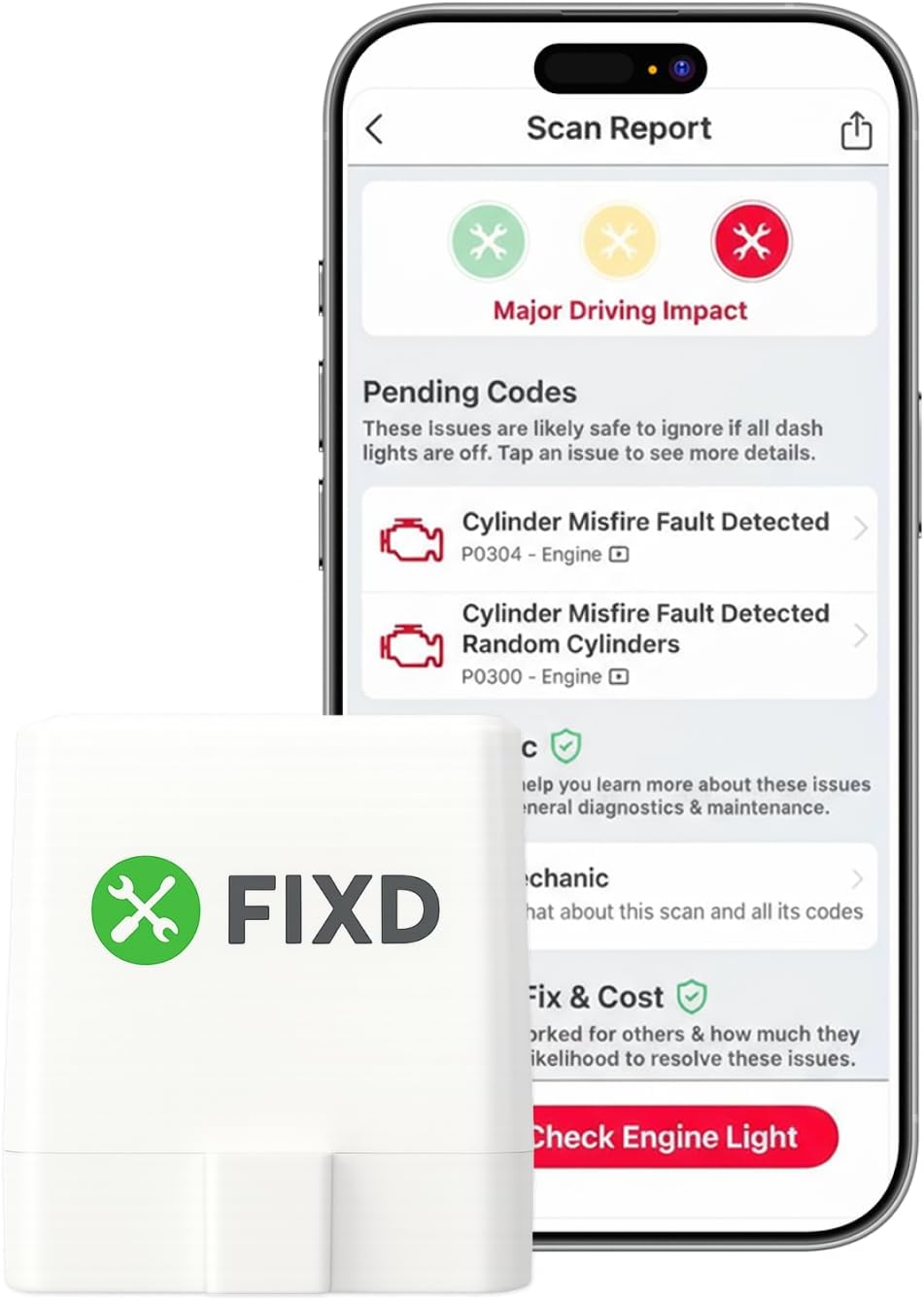
Best Bluetooth OBD2 Scanner
Detect 39,000+ Issues With Enhanced Codes. Save $1000s on car repairs & buying used vehicles by diagnosing problems yourself.
Shop on Amazon
Key Takeaways
- The most common EPC light triggers on VW Golf models are a dirty throttle body, faulty brake switch, worn spark plugs, corroded battery terminals, and sensor connection issues, which you can diagnose yourself with an OBD2 scanner in under 30 minutes.
- How to fix EPC light on VW Golf starts with checking battery terminals and cleaning the throttle body before considering expensive repairs, as carbon buildup on direct-injection TSI engines is the leading cause.
- A faulty brake light switch is one of the cheapest DIY fixes at $15-30 and often resolves EPC light issues by restoring proper throttle release validation to the ECU.
- Using OBDeleven or a quality OBD2 scanner to pull manufacturer-level fault codes is essential for pinpointing the exact cause rather than guessing at parts replacement.
- Prevent future EPC light problems by cleaning your throttle body every 20,000 miles, replacing spark plugs on schedule, and taking occasional highway drives to burn off carbon deposits naturally.
Understanding EPC Basics
The EPC light (Electronic Power Control) is Volkswagen’s way of telling you the drive-by-wire throttle system detected something outside normal range. It’s not a random glitch. Your Golf constantly checks throttle position, pedal input, and engine speed against each other, and when numbers don’t match, the ECU pulls power to protect the engine.
What the EPC Warning Light Means
Think of EPC as a safety referee. It doesn’t cause damage, it prevents it. When the system spots a mismatch between your foot on the pedal and what the throttle body is actually doing, it throws the light and often cuts power to idle-only or reduced RPM. That’s limp mode. Annoying, yes. Dangerous long-term, rarely.
How the Throttle Control System Works
Your Golf’s accelerator pedal has no physical cable connection to the engine anymore. Instead, a pedal position sensor sends an electrical signal to the ECU, which then commands a motorized throttle body to open or close. This loop needs clean voltage and solid wiring. Any interruption, even a tiny one, and the system defaults to a safe, restricted mode instead of guessing.
Key Differences Between EPC and Check Engine Lights
Check engine light and EPC illuminated together on a VW Golf usually points to a shared root cause, like a misfire or sensor fault. EPC alone often means something more isolated, like a brake switch or throttle body issue. Both lights pulling stored codes gives you the clearest diagnostic picture. Never ignore either one, but EPC demands quicker attention since it directly limits how your car drives.
Common EPC Causes
Across the Mk6, Mk7, and Mk8 platforms with 1.4T, 1.8T, and 2.0T TSI or TFSI engines, EPC triggers tend to repeat themselves. Owners on VW-specific forums report the same handful of parts failing again and again, which actually makes your job easier.
Throttle Body and Position Sensor
Carbon buildup is the number one offender. Direct-injection TSI engines don’t spray fuel over the intake valves, so oil vapor and gunk collect on the throttle plate over time. A carbon-choked or faulty throttle body actuator struggles to open smoothly, confusing the position sensor. Throttle body cleaning and alignment on a VW Golf EPC warning often resolves this without replacing anything.
Sensor Failures and Wiring Problems
A VW Golf engine speed sensor fault, a bad mass airflow sensor, or a manifold absolute pressure sensor caked in dirt can all trigger EPC. Clean mass airflow or manifold absolute pressure sensor VW Golf components with proper electronics cleaner before assuming replacement is needed. Wiring harness clips near the engine also degrade from heat cycles, causing intermittent connection loss.
Brake Switch and Electrical Faults
A faulty brake pedal switch replacement on a VW Golf is a classic DIY win. This $15-30 part sits under the brake pedal and confirms brake status to the ECU. When it fails, the car can’t validate cruise control or throttle release logic, so EPC lights up. It’s one of the cheapest, most satisfying fixes on this list.
Ignition Coils and Misfire
VW Golf spark plugs and ignition coil pack misfire symptoms include rough idle, hesitation, and sudden power loss under acceleration. Fixing a Volkswagen Golf GTI TSI EPC light rough idle issue frequently traces back to worn coil packs or fouled plugs, especially past 60,000 miles.
Diagnosing And Fixing
Here’s where you actually solve the problem instead of guessing at parts.
How to Perform a Diagnostic Scan
Reading OBDeleven fault codes for a VW Golf EPC light is the fastest way to narrow things down. Plug in a scanner, pull stored codes, and cross-reference them against VW-specific databases. A generic OBD2 reader works for basic codes, but OBDeleven gives you manufacturer-level detail plus live sensor data, which matters for isolating intermittent faults.
“Cleared the code, cleaned the throttle body, did a basic setting adaptation with OBDeleven, and the EPC light hasn’t come back in 8 months.” via r/GolfGTI
DIY Solutions and Maintenance Tips
Start cheap and simple. Check battery terminals for corrosion, since low battery voltage causing phantom EPC codes on VW Golf models is more common than people expect. Clean the throttle body with a proper throttle body and intake cleaner spray.

Inspect harness clips near the exhaust manifold for melted plastic. A quality OBD2 Bluetooth scanner lets you monitor live data from your phone while test-driving.

When to Seek Help From a Mechanic
If codes point to internal throttle body failure, a wiring short deep in the harness, or persistent misfire codes after plug replacement, it’s time for an independent VW specialist. DIY works great for sensors, plugs, and switches. It doesn’t work well for wiring diagnostics requiring a multimeter and patience most people don’t have on a Tuesday morning.
Estimating EPC Light Repair Costs
| Repair | Difficulty | Typical Cost Range |
|---|---|---|
| Brake light switch | Easy DIY | $20-45 |
| Throttle body cleaning | Easy DIY | $15-30 (cleaner only) |
| Spark plugs (set of 4) | Moderate DIY | $40-90 |
| Ignition coil pack | Moderate DIY | $100-250 |
| Throttle body replacement | Shop recommended | $300-600 |
| Wiring harness repair | Shop recommended | $200-800 |
Preventing Future Problems
Fixing the light once feels great. Keeping it off for good feels better.
Routine Maintenance to Prevent EPC
Simple DIY fixes for common Volkswagen Golf EPC problems usually start with a maintenance calendar you actually follow. Clean the throttle body every 20,000 miles on direct-injection engines. Replace spark plugs on schedule, not when they start misfiring. Check battery terminals during every oil change since corrosion builds slowly and quietly.
Driving Habits That Minimize Risks
Short trips under 10 minutes don’t let the engine reach full operating temperature, which accelerates carbon buildup in TSI engines. Occasional highway runs at higher RPM help burn off deposits naturally. Avoid aggressive throttle stabs right after cold start, since this stresses the throttle actuator before it’s warmed up.
Tools and Best Practices
Keep a basic OBD2 scanner in your glovebox. It costs less than one dealership diagnostic fee and pays for itself the first time your EPC light flickers on a road trip. Pair it with OBDeleven for deeper VW-specific access, including adaptation resets you’d otherwise pay a shop to perform.
Here’s a quick pre-drive checklist worth keeping handy:
- Battery terminals clean and tight
- No visible corrosion on grounding straps
- Throttle body cleaned within last 20,000 miles
- Spark plugs replaced per VW service schedule
- Harness clips near manifold intact, not melted
Frequently Asked Questions
What does the EPC light mean on a VW Golf?
The EPC (Electronic Power Control) light indicates your Golf’s drive-by-wire throttle system detected a mismatch between pedal input and throttle body response. The ECU activates limp mode to protect the engine. It’s a safety feature, not engine damage—most fixes are affordable sensor, switch, or throttle body cleaning solutions.
How do I fix the EPC light on my VW Golf?
Start by checking battery terminals for corrosion, then clean the throttle body with electronics cleaner. Use an OBD2 scanner to pull fault codes and identify the root cause. Common culprits include dirty throttle bodies, faulty brake light switches, worn spark plugs, or corroded battery terminals—most are DIY-fixable in under 30 minutes.
Can I drive my VW Golf with the EPC light on?
You can drive in limp mode, but the EPC light warns of a throttle system fault limiting engine power. Short distances to a mechanic are acceptable, but extended driving stresses the system. Address the underlying issue promptly—usually an inexpensive fix like a brake switch, throttle body cleaning, or sensor replacement.
What’s the difference between EPC and Check Engine lights on a VW?
The Check Engine light signals emissions or engine faults, while the EPC light specifically indicates Electronic Power Control throttle system issues. Both together often point to a shared cause like a misfire or sensor fault. EPC alone typically means isolated problems like brake switches or throttle body carbon buildup.
How much does it cost to fix an EPC light on a VW Golf?
DIY fixes range from $15–90: brake switch ($20–45), throttle body cleaning ($15–30), and spark plugs ($40–90). Shop repairs cost $200–600 for throttle body replacement or harness work. Most EPC triggers aren’t expensive if caught early—an OBD2 scanner helps diagnose before visiting a mechanic.
Why does my VW Golf keep getting EPC light warnings?
Recurring EPC lights often stem from incomplete maintenance or underlying sensor sensitivity. Dirty direct-injection throttle bodies accumulate carbon every 20,000 miles, worn spark plugs cause misfires, or corroded battery terminals trigger phantom codes. Regular throttle cleaning, spark plug replacement per schedule, and battery maintenance prevent repeat occurrences.
Read More:
- How to Fix EPC Light on VW (Common Causes and Solutions)
- How to Fix EPC Light on VW Passat (Common Causes and Quick DIY Guide)
- How to Fix EPC Light on VW Polo (Fast Guide to Solve the Issue)
- How to Fix EPC Light on VW Jetta (DIY Guide to Save Time & Money)