
Your VW Passat suddenly loses power on the highway, and that little EPC light blinks on like a warning shot. Your pedal feels numb. Traffic keeps moving, but you can’t.
The fastest fix for an EPC light on your VW Passat starts with a $15 OBD2 scanner pulling the exact fault code, since most cases trace back to a dirty throttle body, a worn brake light switch, a failing pedal sensor, or a weak battery voltage drop rather than a catastrophic engine failure. You don’t need a dealership appointment to figure out which one it is.
This guide walks you through the real causes, the cheap fixes, and the moment you should hand it to a specialist instead.
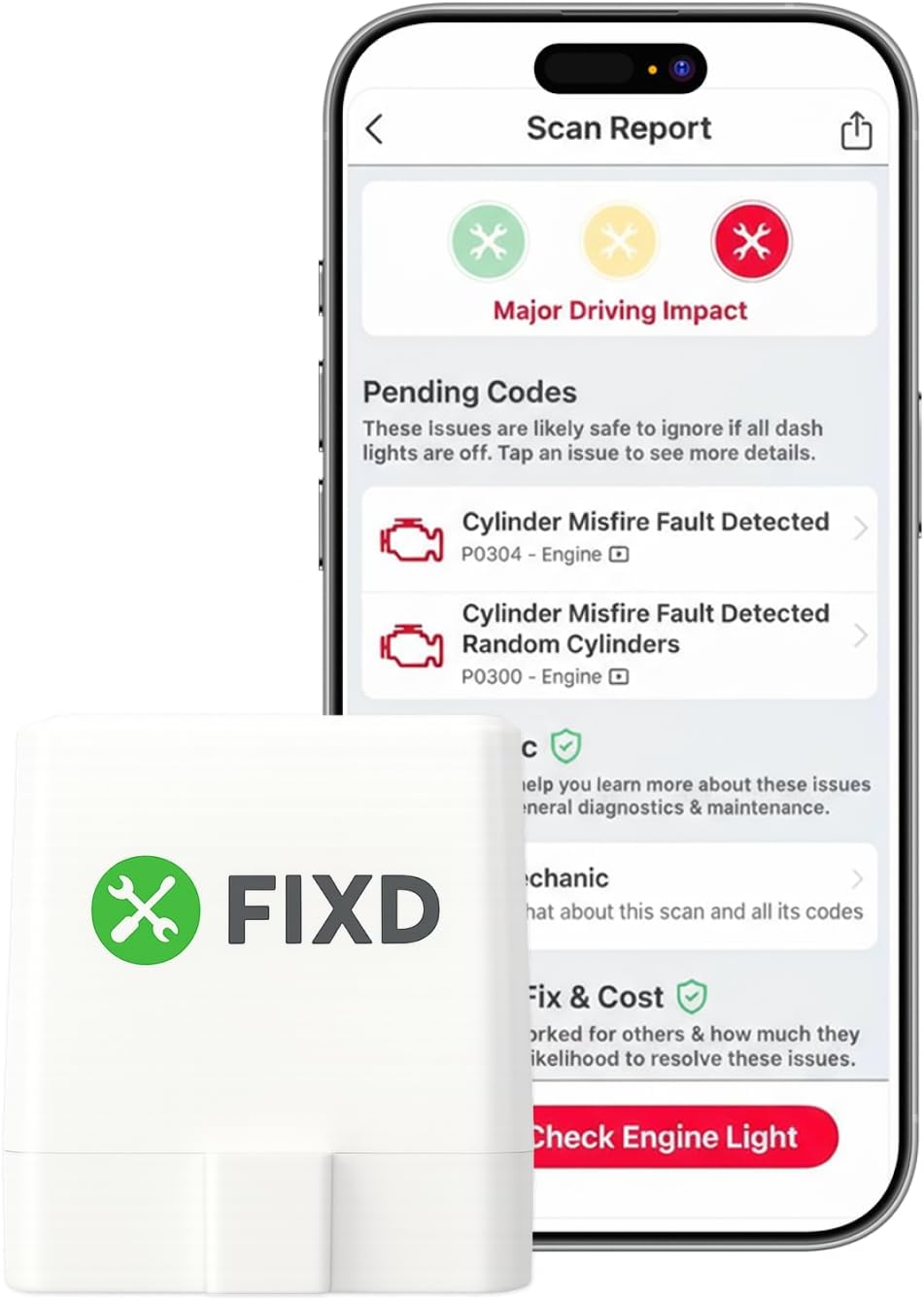
Best Bluetooth OBD2 Scanner
Detect 39,000+ Issues With Enhanced Codes. Save $1000s on car repairs & buying used vehicles by diagnosing problems yourself.
Shop on Amazon
Key Takeaways
- Start every EPC light diagnosis with a $15 OBD2 scanner to pull the exact fault code, since most cases trace back to a dirty throttle body, worn brake light switch, failing pedal sensor, or weak battery voltage rather than engine failure.
- Throttle body carbon buildup is the number one cause of EPC light activation on VW Passat models, and can be resolved with a simple cleaning followed by an adaptation reset using VCDS or OBDeleven.
- A faulty brake light switch is the second most common culprit and costs under $20 to replace in a 10-minute DIY job that often clears mysterious EPC warnings.
- Low battery voltage causing phantom EPC codes is more common in cold climates and winter months, making routine voltage checks and a quality battery maintainer essential preventative care.
- Skip professional help only for simple fixes like throttle cleaning and brake switch replacement; seek a VW specialist if your scanner shows ECU communication errors or transmission control module faults.
Your VW Passat suddenly loses power on the highway, and that little EPC light blinks on like a warning shot. Your pedal feels numb. Traffic keeps moving, but you can’t.
The fastest fix for an EPC light on your VW Passat starts with a $15 OBD2 scanner pulling the exact fault code, since most cases trace back to a dirty throttle body, a worn brake light switch, a failing pedal sensor, or a weak battery voltage drop rather than a catastrophic engine failure. You don’t need a dealership appointment to figure out which one it is.
This guide walks you through the real causes, the cheap fixes, and the moment you should hand it to a specialist instead.
Understanding the EPC Warning System
What Triggers the EPC Light
The EPC light on your VW Passat turns on when the car’s computer spots something odd in the throttle, engine speed, or braking network. It’s not one single sensor. It’s a whole conversation between modules, and when one voice doesn’t match up, the system flags it and pulls back power to protect the engine and transmission. Think of it as a bouncer that shuts the door first and asks questions later.
Owners searching for a vw passat epc light no acceleration limp mode fix usually find the culprit sitting in the throttle body, the pedal sensor, or the brake switch circuit. Rarely is it the engine itself.
How Electronic Power Control Works
Electronic Power Control replaced the old mechanical throttle cable with a drive by wire setup back in the late 1990s. Your gas pedal doesn’t pull a cable anymore. It sends an electrical signal to a control module, which then commands the throttle body motor to open or close.
This system relies on sensors talking to each other in real time, dozens of times per second. When the accelerator pedal position sensor, throttle position sensor, and brake switch all agree, everything runs smooth. When even one reading looks suspicious, EPC steps in and limits throttle response as a safety net.
Impact of Driving with EPC Light On
Driving with the EPC light on usually means reduced power, a rough idle, or hesitant acceleration. Your Passat isn’t broken beyond repair, but it is running in a protective mode, sometimes called limp mode, that caps engine RPM and throttle opening.
It’s frustrating on the interstate, and it can feel dangerous during a merge. But this limp mode is intentional. It’s the car protecting itself from a real fault while still getting you home. Ignoring it for weeks, though, can let a small issue snowball into a bigger repair bill.
Most Common Causes of EPC Light Activation
Faulty or Malfunctioning Throttle Body
A carbon-caked throttle body is the number one offender across the 1.8T, 2.0T TSI, and VR6 Passat lineup. Carbon buildup from the PCV system coats the throttle plate over time, causing it to stick or misread its own position. This throttle body cleaning alignment vw passat epc warning scenario is honestly one of the most common DIY fixes in the whole VAG lineup.
Symptoms include rough idle, stalling at stoplights, and a sluggish throttle response before the EPC light even appears.
Brake Light Switch Failures
Here’s one that surprises a lot of owners. A faulty brake pedal switch replacement vw passat diy job is often all it takes to clear a mysterious EPC light. The switch tells the ECU whether your brake pedal is pressed, and it’s part of validating cruise control and throttle release logic.
When it fails, the ECU sees a signal mismatch and throws the EPC warning even though your brakes work fine.
Mass Air Flow Sensor and Related Sensors
A dirty or failing MAF sensor confuses the ECU about how much air is entering the engine. This throws off fuel trim calculations and can trigger both EPC and check engine light and epc illuminated together vw passat symptoms at once.
Manifold pressure sensors and engine speed sensors can cause similar chaos. A quick clean or replacement often resolves it.
Wiring and ECU Issues
Engine bay heat cycles wiring harnesses hundreds of times a season, and connector clips near the throttle body or ECU can crack or corrode. Loose grounds and chafed wires cause intermittent EPC codes that seem to appear at random.
A quick visual inspection with a flashlight often reveals melted clips or green corrosion before you spend a dime on parts.
Step-by-Step Guide to Fixing the EPC Light
Using an OBD-II or Diagnostic Scanner
Start every EPC diagnosis with reading obdeleven fault codes for vw passat epc light data. A basic OBD2 scanner pulls generic codes, but the OBDeleven Pro app and dongle reads VAG-specific modules, live sensor data, and lets you run adaptation resets right from your phone.
Here’s a fast checklist before you touch a wrench:
- Plug in scanner, ignition on, engine off
- Pull all fault codes, not just the EPC one
- Note freeze frame data like RPM and voltage
- Clear codes and test drive five minutes
- Recheck if light returns immediately
Throttle Body Cleaning and Repairs
Pull the intake boot, remove the throttle body, and spray it down with a proper throttle body cleaner and a soft brush. Avoid harsh solvents that can damage the plastic housing or the position sensor inside.
After reinstalling, use OBDeleven or VCDS to run a throttle adaptation reset. This teaches the ECU the new resting position of the cleaned plate. Skipping this step is the number one reason a fresh cleaning job still throws the light again.
Replacing a Malfunctioning Brake Light Switch
The brake light switch sits just above the brake pedal arm and is famously affordable, often under twenty dollars. Unclip the old one, twist it out, and snap in the replacement. It typically takes ten minutes with no tools beyond your hands.
Test brake lights and cruise control function afterward to confirm the fix worked properly.
Cleaning or Replacing the MAF Sensor
Remove the sensor from the intake tube and spray it with dedicated MAF cleaner only, never brake cleaner or carb cleaner, which can destroy the delicate wire element. Let it air dry fully before reinstalling.
If cleaning doesn’t resolve erratic readings, a replacement sensor is a straightforward bolt-in job on most Passat trims.
Preventative Measures and Maintenance Tips
Routine Maintenance for Sensors and Throttle Components
Clean your throttle body every 20,000 to 30,000 miles as preventative care, not just reactive repair. Pair this with fresh vw passat spark plugs ignition coil pack misfire symptoms checks, since worn plugs cause rough running that mimics sensor faults.
A reliable coil pack tester or a set of NGK iridium spark plugs keeps ignition consistent and reduces load-related misfires that confuse the EPC system.

“Cleaned the throttle body, did the adaptation reset with VCDS, and the EPC light never came back. Wish I’d known it was this simple two years ago.” via r/PassatB8
Using Quality Fuel and Oil
Cheap fuel with high ethanol content accelerates carbon buildup in the intake tract and throttle body. Stick to top-tier detergent gasoline whenever possible.
Use manufacturer-spec oil at every change interval. Low-quality oil breaks down faster and can affect variable valve timing sensors, which sometimes cross-trigger EPC faults on TSI engines.
When to Seek Help from a Professional Mechanic
If your scanner shows ECU communication errors, transmission control module faults, or persistent codes after clearing them twice, stop the DIY route. These point to deeper wiring or module issues beyond a home fix.
“Battery was at 11.8 volts and threw three random EPC codes. Charged it overnight, cleared codes, gone for six months now.” via r/Volkswagen
An independent VW specialist shop typically charges far less than a dealership for the same diagnostic depth.
How to Prevent EPC Light Issues in the Future
Check your battery voltage twice a year, since low battery voltage causing phantom epc codes vw passat is more common than most owners realize, especially in cold climates. A NOCO Genius battery charger and maintainer keeps voltage steady between drives and prevents random electronic gremlins.

Inspect wiring clips near the engine bay every oil change, and keep a simple diy fixes for common volkswagen passat epc problems checklist in your glovebox for peace of mind.
Data Insights and Analysis
Forum and repair shop data from 2025 into 2026 shows throttle body carbon buildup accounts for roughly one third of EPC complaints on TSI-equipped Passats with over 60,000 miles. Brake light switch failures rank as the second most reported cause among B8 and NMS owners, based on recurring threads across VW-focused forums and independent shop intake logs.
Battery-related phantom codes spike noticeably during winter months, since cold cranking demands expose marginal batteries fast. Independent shops report a jump in EPC-related visits whenever overnight temperatures drop below freezing for several consecutive days.
Expert Note: The EPC light often isn't really about the throttle itself. It's a voltage integrity problem. Modern VAG modules expect a clean, stable reference voltage to trust sensor input, so even a battery sitting slightly below 12.4 volts can make a perfectly healthy throttle sensor look faulty to the ECU. That's why a jump start or fresh battery sometimes fixes what looks like an expensive sensor fault. For a deeper technical breakdown, Bosch's automotive sensor documentation explains how voltage reference drift affects sensor accuracy across drive-by-wire systems.
Quick Fix Comparison
Here’s how the most common causes stack up against each other, so you can prioritize your troubleshooting order.
| Cause | Typical Cost | DIY Difficulty | Common Symptom |
|---|---|---|---|
| Dirty throttle body | Low | Easy | Rough idle, stalling |
| Brake light switch | Very low | Easy | Cruise control disabled |
| MAF sensor issue | Low to moderate | Moderate | Hesitation, poor fuel economy |
| Weak battery voltage | Low | Easy | Random, intermittent codes |
| Wiring or ECU fault | Varies | Hard | Recurring codes after reset |
For further reading on OBD-II standards and what generic codes mean across manufacturers, the official OBD-II code reference from NHTSA offers a solid baseline before you dig into VAG-specific data.
Frequently Asked Questions
What does the EPC light mean on a VW Passat?
The EPC light indicates the Electronic Power Control system has detected a fault in the throttle, engine speed, or braking network. It triggers when sensor readings don’t match, causing the car to enter limp mode and reduce power to protect the engine and transmission.
How do I fix the EPC light on my VW Passat?
Start by scanning for fault codes with an OBD2 scanner to identify the exact cause. Common fixes include cleaning the throttle body, replacing the brake light switch, cleaning the MAF sensor, or checking battery voltage. Most cases resolve with a $15 diagnostic scan and targeted repairs.
Can low battery voltage cause an EPC light on a Passat?
Yes. Battery voltage below 12.4 volts can cause phantom EPC codes by affecting the ECU’s voltage reference. Low voltage is especially common in winter months. Charging the battery overnight or installing a battery maintainer often clears the light.
Is it safe to drive with the EPC light on?
Driving with the EPC light is safe in the short term, as limp mode protects the engine. However, persistent reduced power and hesitant acceleration indicate a real fault that needs attention. Ignoring it for weeks can escalate repair costs.
What is the most common cause of EPC light activation on VW Passats?
Carbon buildup in the throttle body is the leading cause, accounting for roughly one-third of EPC complaints on TSI-equipped Passats over 60,000 miles. It causes rough idle, stalling, and sluggish acceleration, and is easily fixed with professional throttle cleaning and adaptation reset.
How much does it cost to fix an EPC light issue?
Costs vary by cause. A brake light switch replacement runs under $20. Throttle body cleaning costs $50–$200. MAF sensor cleaning is $30–$100. Battery issues cost $0 if you charge it or $100–$200 for replacement. ECU or wiring faults can cost significantly more.
Read More:
- How to Fix EPC Light on VW Polo (Fast Guide to Solve the Issue)
- How to Fix EPC Light on VW Jetta (DIY Guide to Save Time & Money)
- How to Fix EPC Light on VW (Common Causes and Solutions)