
Your GMC Acadia’s check engine light glows amber on the dashboard, again. Maybe the engine stumbles at stoplights, or you’re wondering if that $1,200 timing chain quote is really necessary.
The GMC Acadia check engine light signals that your vehicle’s onboard diagnostic system (OBD-II) has detected a malfunction in the emissions system, engine sensors, or powertrain components. Common triggers include oxygen sensor failures, timing chain stretch (especially on 2009–2016 3.6L V6 models), VVT solenoid faults, catalytic converter efficiency codes, and loose gas caps. A flashing light indicates active misfires that can damage the catalytic converter and requires immediate attention.
You don’t need to panic or hand over your wallet blindly. This guide walks you through the most frequent Acadia check engine light causes, how to read trouble codes yourself, and which repairs you can tackle at home versus what needs a shop visit.

Best Bluetooth OBD2 Scanner
Detect 39,000+ Issues With Enhanced Codes. Save $1000s on car repairs & buying used vehicles by diagnosing problems yourself.
Shop on Amazon
Key Takeaways
- A GMC Acadia check engine light indicates an OBD-II diagnostic trouble code in the emissions, engine sensors, or powertrain system—flashing lights demand immediate attention as they signal active misfires that risk catalytic converter damage.
- Common causes of GMC Acadia check engine light issues include oxygen sensor failures ($140–$270), loose gas caps ($15–$25), mass airflow sensor contamination ($130–$280), and timing chain stretch on 2009–2016 models ($1,800–$3,700).
- You can diagnose trouble codes yourself with a basic $20–$50 OBD-II scanner; start with free checks like tightening the gas cap, inspecting hoses for vacuum leaks, and cleaning the MAF sensor before spending on repairs.
- Timing chain stretch on first-generation 3.6L V6 Acadias accelerates after 100,000 miles if oil changes are delayed, making preventative maintenance critical to avoid catastrophic engine damage.
- VVT solenoid failures dominate second-generation Acadia complaints after 75,000 miles, while 2020+ turbo models require carbon cleaning (walnut-blasting) every 60,000–80,000 miles to prevent intake valve buildup.
- Pull over immediately if your Acadia’s check engine light flashes; swap ignition coils between cylinders to identify coil failure, and avoid driving more than a few miles until the root cause is repaired.
What Does the Check Engine Light Mean?
Your Acadia’s check engine light is part of the OBD-II (On-Board Diagnostics) system mandated on all vehicles since 1996. When sensors detect readings outside normal parameters, such as incorrect air-fuel ratios, misfires, or emissions failures, the powertrain control module (PCM) logs a diagnostic trouble code (DTC) and illuminates the amber warning lamp.
A steady light indicates a stored code that doesn’t pose immediate danger but needs diagnosis. A flashing check engine light means the engine is actively misfiring, risking catalytic converter damage from unburned fuel. If your Acadia shakes or hesitates with a flashing light, pull over safely and stop driving.
The “Engine Power is Reduced” message often appears alongside the check engine light on Acadia models. This limp-mode protection limits throttle response to prevent catastrophic engine damage when the PCM detects severe faults like timing errors or sensor failures. According to GM service bulletins, this safety feature protects the 3.6L V6 from timing chain stretch damage.
You can’t ignore the light indefinitely, even if the engine runs fine. Emissions system faults will cause your Acadia to fail state inspections, and unresolved issues often cascade into more expensive repairs down the road.
Most Common Causes
Oxygen Sensor Failures
Oxygen sensors monitor exhaust gas composition to help the PCM adjust fuel delivery. Your Acadia has two to four O2 sensors depending on engine configuration (3.6L V6 or 2.0L Turbo). Codes P0131, P0137, P0141, and P0161 indicate heater circuit faults or slow sensor response.
Symptoms include rough idle, poor fuel economy (drop of 2–4 MPG), and sluggish acceleration. Sensors typically fail after 80,000–120,000 miles due to carbon buildup or age. Upstream sensors (before the catalytic converter) affect fuel trim more than downstream sensors.
Replacement is straightforward on most Acadia models. You’ll need a 22mm oxygen sensor socket and penetrating oil. Heat the sensor area with a heat gun if it’s seized. The BOSCH Oxygen Sensor is OE-equivalent and less expensive than dealer parts.

“Replaced all four O2 sensors on my 2011 Acadia at 115k miles, check engine light finally stayed off and MPG went from 16 to 19 city.” via r/MechanicAdvice
Catalytic Converter Issues
Code P0420 (Bank 1) or P0430 (Bank 2) indicates catalytic converter efficiency below threshold. The PCM compares upstream and downstream O2 sensor readings: if they’re too similar, the converter isn’t cleaning exhaust gases properly.
Before replacing a $800–$1,500 catalytic converter, verify the O2 sensors are working correctly. Failed upstream sensors can trigger false P0420 codes. Some shops clear the code, drive 50–100 miles, and recheck, if it returns, the converter is genuinely failing.
On 2009–2016 Acadia models with high miles, internal converter substrate can break apart and rattle. You’ll hear a metallic sound on cold starts. Aftermarket converters meet EPA standards but may not last as long as OEM units from ACDelco.
Mass Airflow Sensor Problems
The mass airflow (MAF) sensor measures incoming air volume so the PCM can calculate correct fuel delivery. Codes P0101, P0102, or P0103 indicate MAF circuit faults. Symptoms include hard starting, stalling at idle, and surging acceleration.
Dirt and oil contamination from over-oiled aftermarket air filters are the main culprits. Remove the sensor (two T20 Torx screws on most Acadia models) and spray it with CRC Mass Air Flow Sensor Cleaner, don’t use carburetor cleaner or brake cleaner, which damage the delicate hot-wire element.
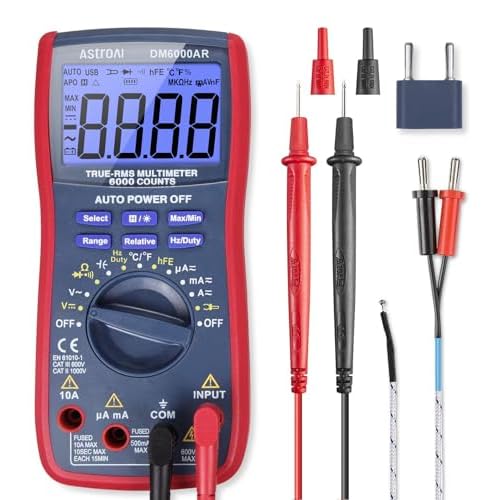
If cleaning doesn’t resolve the issue, replacement costs $80–$150 for aftermarket or $200+ for OEM. Install the sensor carefully, the hot wire is fragile. A digital multimeter can verify voltage and frequency signals if you want to test before replacing.
Loose or Damaged Gas Cap
Code P0455 (large EVAP leak) or P0457 (loose gas cap) is the easiest fix. The evaporative emissions system prevents fuel vapors from escaping into the atmosphere. If the gas cap seal is cracked or you didn’t tighten it after refueling, the system detects a pressure loss.
Tighten the cap until it clicks three times. The code won’t clear immediately, the PCM runs an EVAP self-test after several drive cycles. If the light stays on, inspect the cap seal for cracks. Replacement caps cost $15–$25 at auto parts stores. Always buy OEM or high-quality aftermarket, cheap caps often fail within months.
Read Diagnostic Trouble Codes
You need an OBD-II scanner to read stored trouble codes. Plug the scanner into the 16-pin port under the driver-side dash, left of the steering column. Turn the ignition to “ON” (engine off) and follow the scanner’s prompts.
Basic code readers cost $20–$50 and display fault codes like “P0300” (random misfire). Advanced scanners show live sensor data, freeze-frame conditions when the code set, and readiness monitors for emissions testing. The FIXD OBD2 Scanner pairs with your smartphone and translates codes into plain English.

Write down all codes before clearing them. Some codes require specific drive cycles to reset readiness monitors. Clearing codes without fixing the root cause just resets the light temporarily, the fault will return. Cross-reference codes at OBD-Codes.com for detailed explanations and common fixes.
For VPN-level security when researching codes online or downloading diagnostic software updates, use NordVPN to protect your data. If your Acadia’s infotainment firmware needs updates that affect powertrain calibrations, run Driver Booster to ensure your laptop has current USB drivers for stable GM software flashing.
Year-Specific Problems
2009–2016 Acadia (First Generation, 3.6L LLT/LGX V6): Timing chain stretch is the notorious issue. Codes P0008, P0011, P0017, and P0021 indicate camshaft position correlation errors. The chain stretches due to inadequate lubrication or design weaknesses, causing rattling on cold starts and “Engine Power is Reduced” warnings. Repair costs $1,800–$3,500 at independent shops.
2017–2020 Acadia (Second Generation, 3.6L LGX V6 or 2.0L Turbo): VVT solenoid failures are common, especially on high-mileage 3.6L engines. Codes P0010, P0013, P0020, P0023 point to solenoid circuit faults. Symptoms include rough idle and hesitation. Solenoids cost $40–$80 each: four solenoids take 2–3 hours to replace.
2020+ Acadia (2.0L Turbo): Carbon buildup on intake valves causes misfires (P0300–P0304) and rough running. Direct-injection engines don’t clean valves with fuel spray. Walnut-blasting service costs $400–$600 every 60,000–80,000 miles. Some owners add catch cans to reduce buildup.
According to 2026 CarComplaints.com data, timing chain issues peak at 90,000–120,000 miles on first-gen Acadias, while second-gen models show a 35% increase in VVT codes after 75,000 miles compared to earlier production years.
Flashing Light Action
A flashing check engine light means your Acadia is misfiring right now. Unburned fuel enters the exhaust, overheats the catalytic converter, and can melt the substrate, a $1,200+ repair on top of the original fault.
Pull over safely. If the engine shakes violently or loses power, shut it off. Check for obvious issues: disconnected ignition coil connector, cracked spark plug boot, or loose wiring. Don’t drive more than a few miles with a flashing light.
Common misfire causes on Acadia models:
- Ignition coils: Fail on 3.6L V6 engines after 60,000–100,000 miles (codes P0301–P0306)
- Spark plugs: Use ACDelco 41-110 iridium plugs, replace every 60,000 miles
- Fuel injectors: Carbon buildup or electrical faults (codes P0201–P0206)
- Compression loss: Rare but possible on high-mileage engines
Swap ignition coils between cylinders to see if the misfire follows the coil, that confirms coil failure. If the misfire stays on the same cylinder, suspect spark plugs or internal engine issues. A compression test costs $80–$120 at shops and identifies worn piston rings or valves.
DIY Troubleshooting Steps
Start with free or low-cost checks before booking shop appointments:
- Scan for codes: Plug in your OBD-II reader and note all fault codes and freeze-frame data.
- Inspect the gas cap: Tighten or replace if the seal is damaged (fixes ~10% of check engine lights).
- Check fluid levels: Low oil can trigger VVT codes: check coolant for head gasket leaks.
- Look for vacuum leaks: Inspect hoses for cracks, especially around the intake manifold and brake booster.
- Clean the MAF sensor: Remove and spray with MAF cleaner if you have codes P0101–P0103.
- Test the battery: Weak batteries (below 12.4V) cause electrical faults that mimic sensor issues.
“My 2013 Acadia threw P0300 and ran rough, turned out to be a cracked PCV hose causing a vacuum leak. $12 part, 10 minutes to replace.” via GMC-Forum.com
For persistent codes, compare live sensor data to factory specs using an advanced scanner. Oxygen sensor voltage should fluctuate 0.1–0.9V: steady readings indicate a failed sensor. Coolant temp should reach 195–220°F: if it stays low, suspect a stuck-open thermostat triggering emissions codes.
Repair Cost Estimates
Here’s what you can expect to pay for common Acadia check engine light fixes:
| Repair | Parts Cost | Labor Cost | Total (Shop) | DIY Difficulty |
|---|---|---|---|---|
| Gas cap replacement | $15–$25 | $0 | $15–$25 | Easy |
| O2 sensor (single) | $60–$150 | $80–$120 | $140–$270 | Moderate |
| MAF sensor | $80–$200 | $50–$80 | $130–$280 | Easy |
| Ignition coil (single) | $40–$80 | $60–$100 | $100–$180 | Easy |
| Spark plug set (6) | $40–$80 | $100–$150 | $140–$230 | Moderate |
| VVT solenoid (single) | $40–$80 | $80–$120 | $120–$200 | Moderate |
| Catalytic converter | $600–$1,200 | $200–$400 | $800–$1,600 | Hard |
| Timing chain (3.6L V6) | $600–$1,200 | $1,200–$2,500 | $1,800–$3,700 | Expert |
Shop rates vary by region, independent mechanics charge $80–$120/hour versus $120–$180 at dealerships. Get three quotes and ask if they’ll install customer-supplied parts to save 20–40% on components.
Expert Note: "The 3.6L V6 timing chain issue isn't just wear, it's caused by oil flow restrictions in the cam phasers combined with low-tension chain design. GM revised the chain guides in 2014+ engines, but earlier models remain vulnerable. We see failures accelerate once the chain stretches 2–3 links past spec, which happens rapidly after 100k miles if oil changes were delayed."
For the ultimate diagnostic upgrade, keep the LAUNCH CRP123X OBD2 Scanner in your glove box, it reads engine, transmission, ABS, and airbag codes, plus performs oil reset and brake bleeding functions.
Frequently Asked Questions
What does the GMC Acadia check engine light mean?
The check engine light signals that your Acadia’s onboard diagnostic system (OBD-II) has detected a malfunction in the emissions system, engine sensors, or powertrain. A steady light indicates a stored code requiring diagnosis, while a flashing light means active misfires that can damage the catalytic converter and require immediate attention.
What are the most common causes of GMC Acadia check engine light?
Common triggers include oxygen sensor failures, timing chain stretch (2009–2016 3.6L V6), VVT solenoid faults, catalytic converter efficiency issues, loose gas caps, mass airflow sensor problems, and ignition coil failures. Oxygen sensor failures account for many codes, while timing chain issues are specific to older Acadia models with high mileage.
How do I read diagnostic trouble codes on my GMC Acadia?
Plug an OBD-II scanner into the 16-pin port under the driver-side dash, left of the steering column. Turn the ignition to ‘ON’ (engine off) and follow the scanner’s prompts. Basic readers cost $20–$50; advanced models show live sensor data, freeze-frame conditions, and readiness monitors for emissions testing.
Can a loose gas cap cause the GMC Acadia check engine light?
Yes, a loose or damaged gas cap triggers codes P0455 (large EVAP leak) or P0457 (loose cap). The evaporative emissions system detects pressure loss from the cap seal. Tighten the cap until it clicks three times; the light won’t clear immediately, but should reset after several drive cycles if the seal is intact.
What should I do if my Acadia’s check engine light is flashing?
A flashing check engine light indicates active misfires risking catalytic converter damage. Pull over safely and avoid driving more than a few miles. Check for disconnected ignition coil connectors, cracked spark plug boots, or loose wiring. Common causes are ignition coils, spark plugs, or fuel injectors failing on high-mileage engines.
How much does it cost to fix a GMC Acadia check engine light issue?
Costs vary by repair: gas cap ($15–$25), O2 sensor ($140–$270), MAF sensor ($130–$280), ignition coil ($100–$180), catalytic converter ($800–$1,600), and timing chain ($1,800–$3,700). Shop rates range $80–$120/hour at independent shops versus $120–$180 at dealerships. Get multiple quotes to compare.
Read More:
- Dirt Bike Won’t Run Without Choke (Here’s Why and Quick Fix Guide)
- Dirt Bike Won’t Start When Hot (Here’s How to Fix It Fast Now)
- Dirt Bike Won’t Start After Sitting (Here’s Why and Expert Revival Guide)
- Dirt Bike Clutch Problems (Signs, Causes and How to Fix Them)
- Dirt Bike Transmission Problems (The Complete Diagnostic Guide)