
Your GMC’s dashboard just lit up with that amber engine symbol, and your mind races to worst-case scenarios. Before panic sets in, understand this: the Check Engine Light is your truck’s communication tool, not a death sentence.
The GMC Check Engine Light illuminates when your vehicle’s onboard diagnostic system (OBD-II) detects a malfunction affecting emissions, engine performance, or transmission components, it triggers a stored Diagnostic Trouble Code (DTC) that pinpoints the exact system failure, ranging from a $5 loose gas cap to a failing catalytic converter requiring immediate attention.
As a GM Certified Master Technician, I’ve diagnosed thousands of these warnings across Sierra, Canyon, Terrain, and Acadia models. This guide walks you through reading codes, understanding common failures, and taking smart action to protect your engine and wallet.

Best Bluetooth OBD2 Scanner
Detect 39,000+ Issues With Enhanced Codes. Save $1000s on car repairs & buying used vehicles by diagnosing problems yourself.
Shop on AmazonKey Takeaways
- A GMC Check Engine Light signals an issue detected by your vehicle’s onboard diagnostic system (OBD-II), ranging from a loose gas cap to serious engine problems—a solid amber light allows safe driving to a service center, while a flashing light requires immediate engine shutdown.
- The most common causes of a GMC Check Engine Light are faulty oxygen sensors, loose or damaged gas caps, catalytic converter issues, and mass air flow sensor problems, with oxygen sensor failures being the leading culprit affecting fuel economy by 15-25%.
- Always check your gas cap first when the light appears, as this simple $12-$25 fix accounts for 15% of all Check Engine Light cases and can resolve the issue within 20-40 miles of driving.
- Invest in a professional OBD-II scanner like BlueDriver to read diagnostic trouble codes yourself—this $100 investment pays for itself by avoiding misdiagnosis and provides manufacturer-specific insights that free auto parts store scans cannot deliver.
- Never ignore a flashing GMC Check Engine Light or drive with misfires, as continuing to operate allows unburned fuel to destroy your catalytic converter ($800-$2,500 replacement) when a simple $40-$80 spark plug or ignition coil replacement could have prevented the damage.
- Follow preventive maintenance including Dexos-approved oil changes every 5,000-7,500 miles, air filter replacement every 30,000 miles, and Top Tier gasoline to minimize Check Engine Light occurrences and extend engine longevity.
What Does the GMC Check Engine Light Mean?
Your GMC uses a sophisticated Engine Control Module (ECM) that constantly monitors dozens of sensors throughout the powertrain. When sensor readings fall outside normal parameters, the ECM logs a specific fault code and activates the Service Engine Soon or Check Engine Light on your instrument cluster.
A solid amber light indicates a detected issue that needs attention soon but isn’t immediately catastrophic. You can typically drive to a service center or parts store for diagnosis. A flashing Check Engine Light signals active engine misfires that can damage your catalytic converter within minutes, pull over safely and arrange for towing.
GM vehicles also display the light alongside other warnings. If you see the Check Engine Light with the traction control light, your ECM has entered “limp mode” to protect the drivetrain, limiting power and disabling StabiliTrak until you resolve the underlying fault. This combination often points to throttle body, accelerator pedal position sensor, or transmission issues rather than simple emissions problems.
Most Common Causes of a GMC Check Engine Light
Faulty Oxygen Sensor
Oxygen sensors measure exhaust gas composition to optimize your air-fuel mixture. GMC trucks typically have two to four O2 sensors, upstream sensors before the catalytic converter and downstream sensors after it. When they fail, you’ll see codes like P0131, P0135, P0141, or the dreaded P0420 indicating catalyst efficiency below threshold.
Failed O2 sensors cause poor fuel economy (often 15-25% worse), rough idle, and hesitation during acceleration. GM oxygen sensors typically last 80,000-100,000 miles but fail sooner with contaminated fuel or oil consumption issues. Replacement parts run $45-$120 per sensor on Amazon, and most DIYers can swap them in 20 minutes with a 22mm oxygen sensor socket.
Loose or Damaged Gas Cap
Your EVAP system maintains a sealed fuel system to prevent gasoline vapor emissions. A loose, cracked, or missing gas cap breaks that seal and triggers codes P0440, P0442, or P0455, all EVAP leak detected faults. After refueling, always turn your cap until you hear three clicks.
This is the cheapest Check Engine Light fix. Inspect your cap’s rubber seal for cracks or hardening. If damaged, a new OEM GMC gas cap costs $12-$25 and installs in seconds. Tighten or replace the cap, then drive through two complete drive cycles (cold start to full operating temperature) before the light resets automatically.
Catalytic Converter Issues
The catalytic converter reduces harmful exhaust emissions by converting carbon monoxide, hydrocarbons, and nitrogen oxides into less toxic compounds. Code P0420 (Bank 1) or P0430 (Bank 2) indicates your catalyst efficiency has dropped below EPA thresholds, usually because the internal substrate has deteriorated or become contaminated.
Catalytic converter failure rarely happens in isolation. I’ve seen upstream oxygen sensor failures incorrectly diagnosed as bad cats, costing owners $800-$2,200 unnecessarily. Always replace failed O2 sensors first, clear codes, and retest before condemning the converter. True converter failure shows gradual power loss and sulfur smell from the exhaust.
Mass Air Flow Sensor Problems
Your MAF sensor sits in the intake tube between the air filter and throttle body, measuring incoming airflow so the ECM can calculate proper fuel delivery. Dirty or failed MAF sensors trigger codes P0101, P0102, or P0103 and cause symptoms like hard starting, stalling at idle, or surging acceleration.
Contaminated oil from over-oiled aftermarket air filters is the #1 MAF killer. Before replacing a $150-$280 sensor, try cleaning it with CRC Mass Air Flow Sensor Cleaner. Remove the sensor, spray the delicate hot-wire elements (never touch them), let it dry 10 minutes, reinstall, and test drive. This fixes 40% of MAF codes I encounter.

How to Read GMC Check Engine Light Codes
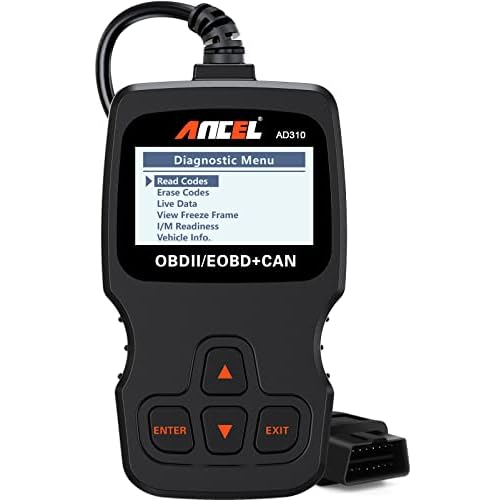
Reading your stored DTCs takes 60 seconds with an OBD-II scanner. Locate your diagnostic port under the lower left dashboard, near the hood release. With the ignition off, plug in your scanner, turn the key to ON (don’t start the engine), and navigate to “Read Codes” on your device.
I recommend the BlueDriver Bluetooth OBD2 Scanner for GMC owners. Unlike cheap code readers, BlueDriver provides GM-specific code definitions, freeze frame data showing exact conditions when the fault occurred, and guided repair reports. The app works on iPhone and Android, storing your diagnostic history to track intermittent problems.

Essential OBD-II Scanner Features:
- Reads and clears powertrain, ABS, and airbag codes
- Displays live sensor data (oxygen sensor voltage, fuel trims, coolant temperature)
- Shows pending codes before they illuminate the Check Engine Light
- Performs emissions readiness monitors to verify repair success
- Provides manufacturer-specific code definitions beyond generic P-codes
Many auto parts stores offer free code scanning, but they only read basic fault codes without the context you need for accurate diagnosis. Investing $100 in your own professional-grade scanner pays for itself after one avoided misdiagnosis.
What to Do When Your GMC Check Engine Light Turns On
First, assess the light behavior. A solid light means continue driving carefully to a safe diagnosis location. A flashing light requires immediate engine shutdown to prevent catalyst damage from raw fuel washing through the exhaust.
Check your gas cap first, it’s loose or faulty in about 15% of Check Engine Light cases. Tighten it properly and continue driving. If the fault was cap-related, the light will extinguish after 20-40 miles of mixed driving once the EVAP monitor completes its self-test.
Scan for codes at your earliest convenience, even if the light turns off. Your ECM stores “history” or “permanent” codes that reveal intermittent faults. Write down all code numbers and descriptions. Research each code specifically for your GMC model year, since the same code can have different common causes across different GM platforms and engines.
Monitor your engine’s behavior. Rough idle, loss of power, unusual noises, or fluid leaks alongside the Check Engine Light suggest more serious mechanical issues requiring immediate professional diagnosis. Don’t ignore multiple warning lights appearing together, that combination often indicates the ECM has entered a protective mode limiting engine function.
Can You Drive Your GMC With the Check Engine Light On?
You can drive with a solid Check Engine Light, but you’re operating without full diagnostic protection. If a second serious fault develops, you won’t receive a new warning. Your fuel economy will suffer, and depending on the fault, you may be releasing excessive emissions or causing progressive damage.
Drive IMMEDIATELY to service if you notice:
- Flashing Check Engine Light (active misfire)
- Loss of power or inability to accelerate normally
- Rough running, stalling, or hard starting
- Unusual engine noises (knocking, rattling, ticking)
- Transmission shifting problems or slipping
- Overheating or temperature gauge rising above normal
For minor faults like EVAP leaks (gas cap) or single oxygen sensor failures showing no symptoms, you can safely drive several hundred miles while arranging repair. But, continuing to drive with misfires (codes P0300-P0308) pumps unburned fuel into your exhaust system, overheating and destroying your catalytic converter, a $1,200+ repair that could have been prevented with a $40 spark plug or $80 ignition coil replacement.
How to Reset Your GMC Check Engine Light
The proper reset method depends on whether you’ve actually fixed the underlying problem. Simply clearing codes without repair causes the light to return within 10-50 miles once the monitor detecting that fault runs its self-test again.
After completing repairs, use your OBD-II scanner’s “Clear Codes” function. This erases stored DTCs and turns off the Check Engine Light immediately. But, your GMC won’t be ready for emissions testing until you complete a full drive cycle, allowing all readiness monitors to run and switch from “Not Ready” to “Ready” status.
GM Drive Cycle for Readiness Monitors:
- Cold start after 8-hour engine-off soak
- Idle in Park for 2.5 minutes with A/C and rear defrost on
- Accelerate to 55 mph under moderate throttle
- Maintain steady 55 mph cruise for 5 minutes
- Decelerate without braking to 20 mph
- Accelerate back to 55-60 mph
- Repeat steps 5-6 five times
- Drive vehicle normally for at least 10 miles
Some GM models require specific drive patterns to set certain monitors. If you need to pass emissions testing soon, search “[your year] GMC [model] drive cycle” for exact procedures.
Disconnecting your battery clears codes but also erases radio presets, seat memory, and learned transmission shift points. Your truck may idle roughly and shift harshly for 20-30 miles while the ECM relearns your driving patterns. Use your scanner instead.
How Much Does It Cost to Fix a GMC Check Engine Light?
Repair costs vary dramatically based on the specific fault code and whether you’re paying dealer rates or handling it yourself.
| Repair | DIY Cost | Shop Cost |
|---|---|---|
| Gas cap replacement | $12-$25 | $15-$35 |
| Oxygen sensor | $45-$120 | $150-$320 |
| MAF sensor cleaning | $8 (cleaner) | $80-$140 |
| MAF sensor replacement | $150-$280 | $280-$450 |
| EVAP purge valve | $35-$85 | $150-$280 |
| Spark plugs (V6) | $24-$60 | $180-$320 |
| Ignition coil | $35-$80 | $150-$250 |
| Catalytic converter | $400-$1,200 | $800-$2,500 |
| Thermostat | $25-$45 | $180-$280 |
Diagnosis fees at independent shops typically run $80-$120, while dealerships charge $120-$180. Many shops waive the diagnostic fee if you approve repairs there. For simple repairs like gas caps, sensors, or spark plugs, DIY work with an OBD-II scanner saves you 50-70% compared to shop labor rates of $95-$165 per hour.
Preventing Future Check Engine Light Issues in Your GMC
Preventive maintenance dramatically reduces Check Engine Light occurrences. Follow GM’s recommended service intervals for your specific engine, typically oil changes every 5,000-7,500 miles with the correct Dexos-approved oil, air filter replacement every 30,000 miles, and spark plugs every 60,000-100,000 miles depending on plug type.
Use Top Tier gasoline from brands like Shell, Chevron, or Mobil. These fuels contain enhanced detergent packages that prevent carbon buildup on intake valves, fuel injectors, and combustion chambers. I’ve seen intake valve carbon cause misfires and oxygen sensor contamination on high-mileage GM direct-injection engines, particularly the 2.4L Ecotec and 3.6L V6.
Address Check Engine Lights promptly rather than ignoring them. A single faulty upstream oxygen sensor running rich can contaminate and destroy your catalytic converter within 20,000 miles, turning a $180 sensor replacement into a $2,000 exhaust system overhaul. Small problems become expensive when neglected.
Consider installing a continuous OBD-II monitor that connects to your smartphone via Bluetooth and alerts you to fault codes immediately, often before the Check Engine Light illuminates. These devices track your vehicle’s health over time and remind you of upcoming maintenance, catching small issues before they become roadside emergencies.
Frequently Asked Questions
What does the GMC Check Engine Light mean?
The Check Engine Light indicates your GMC’s onboard diagnostic system (OBD-II) has detected a malfunction affecting emissions, engine performance, or transmission. A solid amber light needs attention soon but isn’t catastrophic. A flashing light signals active engine misfires requiring immediate towing to prevent catalytic converter damage.
What are the most common causes of a GMC Check Engine Light?
The most common causes include faulty oxygen sensors, loose or damaged gas caps, catalytic converter issues, and MAF sensor problems. Oxygen sensor failures account for many cases, followed by EVAP leaks from gas caps. Always check your gas cap first, as it’s responsible for roughly 15% of Check Engine Light occurrences.
Can I drive my GMC with the Check Engine Light on?
You can drive with a solid Check Engine Light but with caution. However, drive immediately to service if the light is flashing, you lose power, experience rough running, hear unusual noises, or notice transmission problems. Continuing to drive with misfires can destroy your catalytic converter within miles, turning a $40 spark plug issue into a $1,200+ repair.
How do I read GMC Check Engine Light codes?
Use an OBD-II scanner by plugging it into the diagnostic port under your lower left dashboard. With the ignition ON (not started), navigate to ‘Read Codes’ on your scanner. Professional-grade scanners like BlueDriver provide GM-specific definitions and freeze frame data, while many auto parts stores offer free basic code scanning.
How much does it cost to fix a Check Engine Light on a GMC?
Costs vary widely: gas cap replacement ($12–$25 DIY, $15–$35 at shop), oxygen sensor ($45–$120 DIY, $150–$320 at shop), and catalytic converter ($400–$1,200 DIY, $800–$2,500 at shop). Diagnosis fees run $80–$180. DIY work with a scanner saves 50–70% compared to shop labor rates of $95–$165 per hour.
What’s the proper way to reset a GMC Check Engine Light?
After fixing the underlying problem, use your OBD-II scanner’s ‘Clear Codes’ function to erase stored fault codes. Then complete a full drive cycle—cold start, idle for 2.5 minutes, accelerate to 55 mph, maintain steady cruise for 5 minutes, and decelerate/accelerate five times to allow all readiness monitors to complete before emissions testing.
Read More:
- GMC Canyon Check Engine Light (Complete Diagnostic Guide)
- GMC Terrain Check Engine Light (Means and Complete Owner’s Guide)
- GMC Check Engine Light Flashing Then Stops (Critical Diagnostic Guide)
- GMC Sierra Check Engine Light (Means and Master Diagnostic Guide)
- GMC Acadia Check Engine Light (Fast Fixes You Can Do Today)