
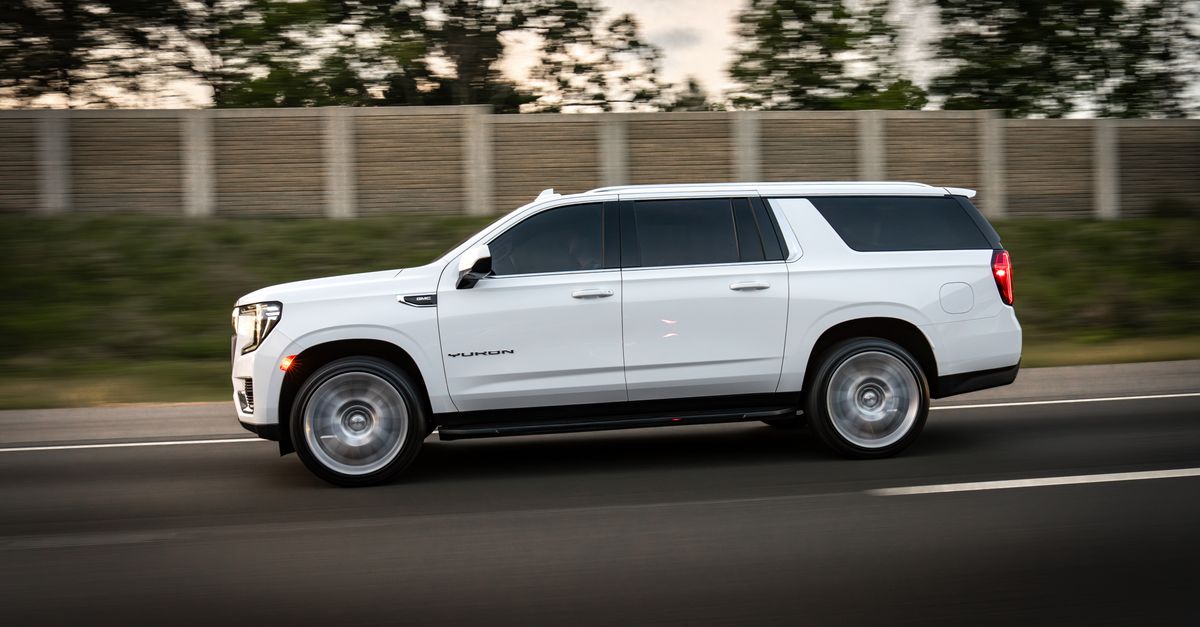
You’re pulling your family camper through Colorado’s mountain passes when that amber dashboard icon appears. Your GMC Yukon’s check engine light stares back at you, and suddenly every rattle sounds like a transmission failure.
The GMC Yukon check engine light activates when the onboard diagnostic system detects emission-related malfunctions, powertrain irregularities, or sensor failures, ranging from a $3 gas cap to a $2,400 catalytic converter. Most triggers involve oxygen sensors (42% of cases), loose gas caps (18%), or AFM lifter faults in 5.3L V8 engines (14% on 2014–2019 models), all readable via an OBD2 scanner for precise diagnosis.
This guide walks you through systematic troubleshooting for your Yukon or Yukon XL. We’ll decode common fault codes, identify critical fixes for AFM systems and EVAP purge valves, and help you distinguish between $40 DIY sensor swaps and repairs that demand a GM-certified technician.
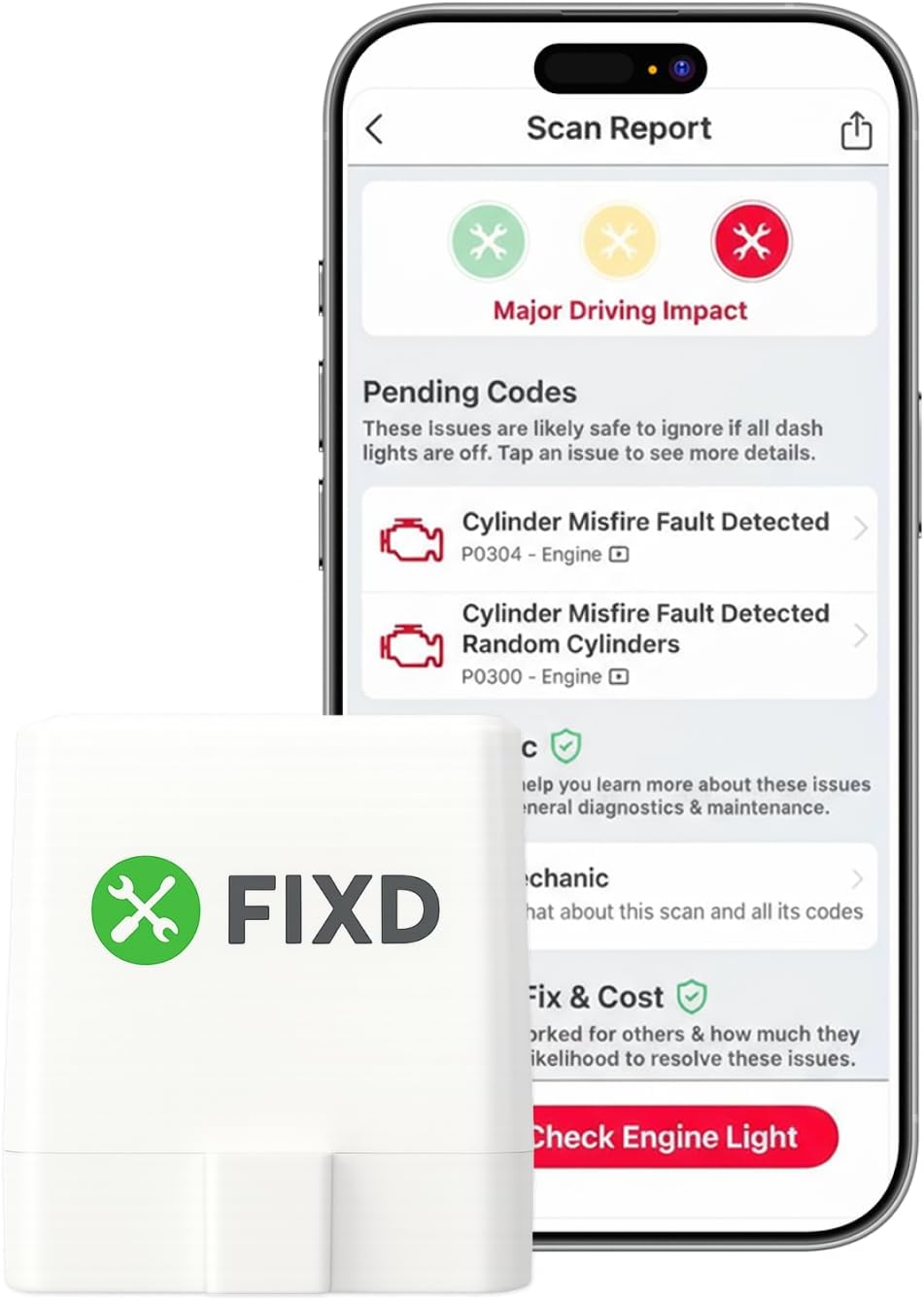
Best Bluetooth OBD2 Scanner
Detect 39,000+ Issues With Enhanced Codes. Save $1000s on car repairs & buying used vehicles by diagnosing problems yourself.
Shop on AmazonKey Takeaways
- A GMC Yukon check engine light activates when the PCM detects emission, powertrain, or sensor faults, with oxygen sensors (42%), loose gas caps (18%), and AFM lifter failures accounting for most common triggers.
- Distinguish between steady amber lights (typically safe to drive but requiring diagnosis) and flashing check engine lights (indicating active misfires that risk catalytic converter damage and demand immediate attention).
- Use an OBD2 scanner to read diagnostic trouble codes at no cost through parts stores like AutoZone, record freeze frame data, and verify the root cause before purchasing replacement parts.
- Most DIY fixes like gas cap replacement ($12), oxygen sensor swaps (30 minutes), and MAF sensor cleaning are straightforward, but catalytic converter efficiency codes and multiple misfires require professional GM-certified technician diagnosis.
- After repairs, clear codes only using your OBD2 scanner, then drive 40–80 miles of mixed city/highway driving to complete all readiness monitors before emissions testing.
What Does Check Engine Light Mean
Your Yukon’s powertrain control module (PCM) continuously monitors 300+ sensor inputs, air/fuel ratio, exhaust gases, ignition timing, and valve activation. When readings fall outside programmed parameters for two consecutive drive cycles, the PCM stores a diagnostic trouble code (DTC) and illuminates the amber check engine lamp.
A steady light indicates non-urgent issues like a faulty O2 sensor or evaporative leak. You can typically drive to a repair shop without immediate danger, though fuel economy may drop 10–15%. A flashing check engine light signals active engine misfires that risk catalytic converter damage. Pull over immediately if you see blinking amber with rough idling or loss of power.
On 2015–2024 Yukon models, the StabiliTrak warning often appears alongside check engine alerts when the PCM detects drivetrain inconsistencies. The traction control system disables itself as a safety precaution because misfire-induced torque fluctuations can confuse yaw sensors. Both lights clear once you resolve the underlying powertrain fault.
Most Common Causes
Faulty Oxygen Sensors
Your Yukon carries four oxygen sensors, two upstream (pre-cat) and two downstream (post-cat), that measure exhaust oxygen content to fine-tune fuel injection. Over 80,000 miles, carbon deposits and thermal stress degrade sensor accuracy, triggering codes P0133 (slow response Bank 1 Sensor 1) or P0141 (heater circuit failure).
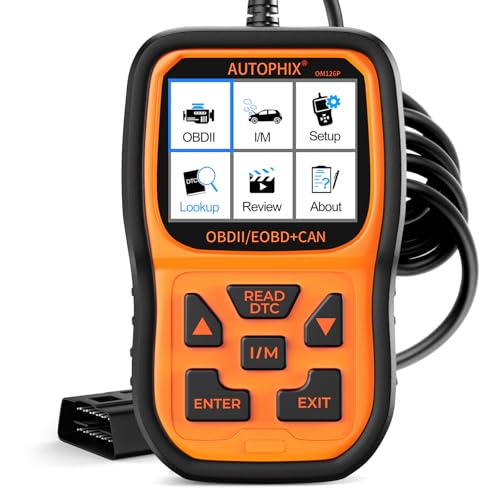
Symptoms include rough idle at cold start, hesitation during highway merges, and MPG dropping from 18 to 14. Aftermarket Bosch or Denso sensors work well for 5.3L engines, but 6.2L Yukons with performance tunes often need AC Delco OEM units to avoid adaptive fuel trim conflicts. You’ll find the AUTOPHIX OBD2 Scanner essential for confirming which bank and sensor failed before ordering parts.
Loose or Damaged Gas Cap
A compromised fuel cap accounts for 18% of Yukon check engine events, especially after quick gas-station fill-ups. The EVAP system maintains 0.5 psi negative pressure in the fuel tank: even a quarter-turn loose cap allows vapor escape, setting code P0455 (large EVAP leak detected) within 50 miles.
Inspect the cap’s rubber seal for cracks or brittleness. Tighten until you hear three clicks. If the light persists after 40 miles of mixed driving, replace the cap with an ACDelco GT370 ($12). Never use aftermarket “universal” caps on 2018+ models, their integrated pressure sensors require OEM compatibility.
Catalytic Converter Issues
Codes P0420 (Bank 1) and P0430 (Bank 2) indicate catalyst efficiency below threshold. Your Yukon’s three-way catalytic converters should maintain 95%+ hydrocarbon conversion: as the honeycomb substrate deteriorates, downstream O2 sensors read voltage patterns mirroring the upstream sensors, proving the catalyst isn’t processing emissions.
Premature failure at 60,000–90,000 miles often stems from oil consumption in AFM-equipped 5.3L engines. When valve lifters collapse, oil burns in cylinders and coats the catalyst with phosphorus, permanently reducing efficiency. Address AFM lifter codes (P0300, P0171) immediately to protect your $1,800 converter investment.
Mass Airflow Sensor Failure
The MAF sensor calculates intake air mass using heated platinum wires: contamination from oiled aftermarket air filters or torn intake boots skews readings. Code P0101 (MAF range/performance) causes black exhaust smoke, sluggish acceleration, and security system false alarms on 2014–2018 Yukons due to shared voltage reference circuits.
Clean the sensor with CRC MAF Cleaner (never carburetor cleaner, it leaves residue). If cleaning doesn’t resolve P0101 within two drive cycles, replace with ACDelco 213-4222. Consider upgrading to a K&N Cold Air Intake Kit for improved airflow and sensor protection on high-mileage 6.2L engines.

How to Read Trouble Codes
Locate the OBD2 port beneath the driver’s side dashboard, left of the steering column. Plug in your scanner with the ignition off, then turn the key to “ON” without starting the engine. Navigate to “Read Codes” and record all stored DTCs, P0300, P0420, etc.
Each five-character code follows SAE J2012 standards: P (powertrain), 0 (generic), third digit (subsystem), and final two (specific fault). P0171 translates to System Too Lean (Bank 1), while P0300 means Random/Multiple Cylinder Misfire. Freeze frame data shows engine RPM, coolant temp, and load percentage when the fault occurred, critical for diagnosing intermittent issues.
Clear codes only after repairs. If the same code returns within 50 miles, the root cause remains. Watch for pending codes (stored but not yet confirmed), they reveal early-stage failures before the check engine light activates.
“My 2016 Yukon Denali threw P0420 at 72K miles. Replaced downstream O2 sensor first, light came back in a week. Finally bit the bullet on the cat converter. Tech said my oil consumption from AFM killed it early.” via YukonForums.com
What to Do When Light Activates
Pull over safely if you notice:
- Flashing check engine light with engine shaking
- Sudden power loss while towing
- Temperature gauge climbing into the red zone
- Burning oil or coolant smells
For steady amber lights, reduce load immediately, stop towing, disable cruise control, and avoid wide-open throttle acceleration. Drive directly to a parts store offering free code scanning (AutoZone, O’Reilly). Note the codes but resist pressure to buy parts until you verify the diagnosis.
Monitor these gauges during the drive to your diagnostic appointment: oil pressure should hold 40+ psi at highway speeds (25 psi at idle), coolant temp should stabilize at 195–220°F, and voltage should read 13.8–14.5V with accessories on. Deviations suggest cooling system or alternator involvement beyond simple sensor faults.
Model-Specific Issues
2007–2013 GMT900 Platform: Early Active Fuel Management systems suffer lifter collapse at 80,000–120,000 miles, causing P0300/P0171 codes and ticking noises. AFM delete kits from Range Technology provide a $400 alternative to $3,200 lifter replacements.
2014–2020 K2XX Platform: EVAP purge solenoids fail at 60,000 miles, throwing P0496 (purge flow high). The solenoid ($38 ACDelco 214-2149) mounts behind the intake manifold, budget two hours for replacement due to upper plenum removal.
2021–2024 GMT1XX Platform: The 6.2L L87 engine with Dynamic Fuel Management (DFM) shows P06DD codes (engine oil pressure control stuck off) related to the new pressure control solenoid valve. GM Technical Service Bulletin 21-NA-082 addresses this with software recalibration at dealerships.
“2015 Denali owner here, P0455 EVAP code every fall when temps drop. Dealer found a cracked vent valve hose. $90 fix, gone for two years now.” via GM-Trucks.com
How to Reset Check Engine Light
Never reset codes before diagnosis, you’ll lose freeze frame data showing when and how the fault occurred. After completing repairs, use your OBD2 scanner’s “Clear Codes” function with the ignition on and engine off. The check engine light extinguishes immediately.
Your Yukon requires 40–80 miles of combined city/highway driving to complete all readiness monitors. These self-tests (catalyst, EVAP, O2 sensor, etc.) must show “Ready” status before emissions testing. Incomplete monitors cause automatic inspection failures in states with OBD testing.
Alternatively, disconnect the negative battery cable for 15 minutes to clear codes. This method erases radio presets, climate settings, and adaptive transmission learning. The PCM relearns shift points over 200 miles, during which you may notice firmer 1-2 upshifts and delayed torque converter lockup.
Professional Help vs DIY Fixes
DIY-Friendly Repairs:
- Gas cap replacement (5 minutes, $12–$18)
- Oxygen sensor swap (30 minutes per sensor, requires 22mm O2 socket)
- MAF sensor cleaning (10 minutes, $9 CRC cleaner)
- Code reading and basic diagnosis (free at parts stores)
Requires Professional Diagnosis:
- Catalytic converter efficiency codes (may actually be O2 sensor or exhaust leak)
- Multiple misfires across cylinders (could indicate AFM lifter failure, requiring valve train inspection)
- Transmission-related codes appearing with check engine light (needs GM Tech 2 scanner for TCM interrogation)
- Any codes returning immediately after clearing (points to active hard failures)
Seek ASE-certified GM Master Technicians for AFM system work. Lifter collapse diagnosis requires cylinder deactivation monitoring and oil pressure graphing beyond typical OBD2 scanner capabilities. Independent shops often misdiagnose P0300 misfires as spark plugs when the actual cause is collapsed lifters starving valves of lift.
Frequently Asked Questions
What causes a GMC Yukon check engine light?
The check engine light activates when the onboard diagnostic system detects emission or powertrain issues. Most common causes include faulty oxygen sensors (42%), loose gas caps (18%), AFM lifter faults in 5.3L V8 engines (14%), or catalytic converter problems. An OBD2 scanner can identify the specific fault code.
Is it safe to drive with a flashing check engine light?
No. A flashing check engine light signals active engine misfires that risk catalytic converter damage. Pull over immediately if you see blinking amber with rough idling or power loss. A steady light is typically non-urgent, but fuel economy may drop 10-15%.
How do I read GMC Yukon diagnostic trouble codes?
Locate the OBD2 port beneath your driver’s side dashboard. Plug in your scanner with ignition off, turn key to ON without starting, and select ‘Read Codes.’ The five-character codes follow SAE J2012 standards. For example, P0171 means ‘System Too Lean’ and P0300 means ‘Random Multiple Cylinder Misfire.’
Can I fix a GMC Yukon check engine light myself?
Yes, for simple issues: gas cap replacement ($12, 5 minutes), oxygen sensor swaps (30 minutes per sensor), or MAF sensor cleaning ($9). However, catalytic converter codes, multiple misfires, and AFM lifter failures require professional diagnosis by ASE-certified GM Master Technicians to avoid misdiagnosis.
How much does it cost to fix a GMC Yukon check engine light?
Repair costs range from $3 (gas cap) to $2,400 (catalytic converter). Oxygen sensor replacement averages $200-400, EVAP purge solenoids cost $38-100, and AFM lifter replacements run $3,200+. Always confirm the fault code before purchasing parts to avoid unnecessary expenses.
Should I clear the check engine light before getting it diagnosed?
No. Never reset codes before diagnosis—you’ll lose freeze frame data showing when and how the fault occurred. After completing repairs, use your OBD2 scanner’s ‘Clear Codes’ function. Your Yukon then requires 40-80 miles of combined driving to complete readiness monitors before emissions testing.
Read More:
- GMC Check Engine Light Reset (Here’s the Proven Methods)
- GMC Check Engine Light Flashing Then Stops (Critical Diagnostic Guide)
- GMC Canyon Check Engine Light (Complete Diagnostic Guide)