
That amber glow on your dashboard can derail your day. When the check engine light appears in your GMC Terrain, you’re left wondering whether to pull over immediately or continue driving.
The GMC Terrain check engine light activates when your vehicle’s onboard diagnostic system detects a malfunction in the engine, transmission, or emissions system. Common triggers include faulty oxygen sensors, loose gas caps, failing catalytic converters, mass airflow sensor issues, ignition coil misfires, and frozen PCV valves causing oil consumption. The light can indicate minor issues like a loose fuel cap or serious problems requiring immediate attention. Always scan the OBD-II fault codes to pinpoint the exact cause before deciding your next step.
Understanding what triggers this warning and how to respond protects both your wallet and your Terrain’s longevity. This guide walks you through diagnostics, common failure points, and actionable fixes.
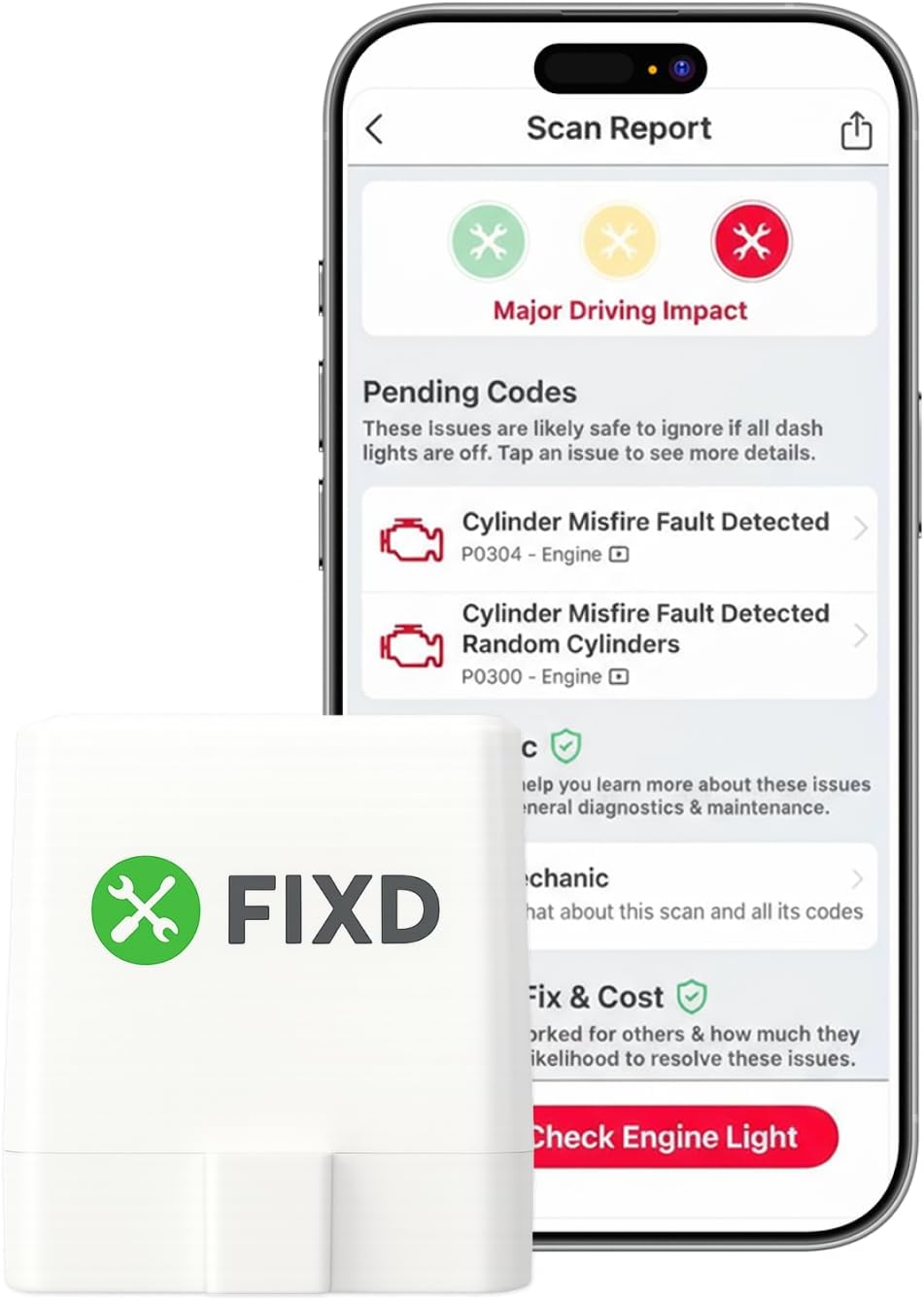
Best Bluetooth OBD2 Scanner
Detect 39,000+ Issues With Enhanced Codes. Save $1000s on car repairs & buying used vehicles by diagnosing problems yourself.
Shop on Amazon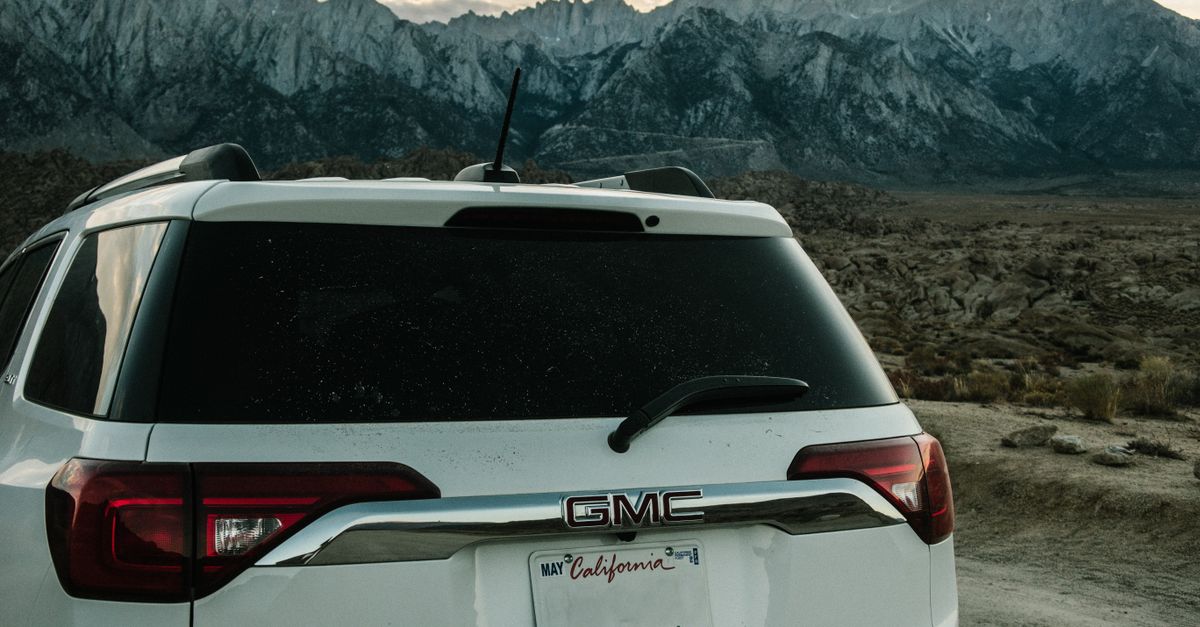
Key Takeaways
- A steady GMC Terrain check engine light indicates a non-critical issue requiring diagnosis within days, while a flashing light signals active misfires that demand immediate stopping to prevent catalytic converter damage.
- The most common causes of GMC Terrain check engine light include faulty oxygen sensors, loose gas caps, clogged catalytic converters, and dirty mass airflow sensors—all preventable through regular maintenance.
- Always use an OBD-II scanner to retrieve diagnostic trouble codes from your Terrain’s dashboard port before attempting repairs, as this pinpoints the exact fault and prevents costly misdiagnosis.
- Turbocharged 2018–2026 GMC Terrain models experience 23% higher turbo-related check engine lights during extended highway driving; regular highway trips and premium fuel with detergents reduce code frequency significantly.
- Address check engine light issues within one week of appearance to prevent cascading damage—a neglected oxygen sensor or misfire can escalate a $40 fix into a $1,200 catalytic converter replacement.
- After completing repairs, use your OBD-II scanner’s clear codes function or drive through complete warm-up cycles to safely reset the light and verify that the underlying problem is fully resolved.
What Does the Check Engine Light Mean in Your GMC Terrain?
Your GMC Terrain’s check engine light serves as the primary alert from the powertrain control module (PCM). This centralized computer constantly monitors dozens of sensors tracking air-fuel mixture, ignition timing, exhaust emissions, and turbocharger boost pressure on 2.0L models. When sensor readings fall outside programmed thresholds, the PCM logs a diagnostic trouble code (DTC) and illuminates the warning.
The light appears in three behaviors. A steady amber glow signals a non-critical issue that won’t immediately damage the engine but requires diagnosis within a few days. A flashing check engine light indicates active cylinder misfires that can overheat and destroy your catalytic converter within minutes, pull over safely and shut off the engine. Some Terrain owners also report simultaneous traction control and stability warnings, which happen when the PCM limits power output to protect drivetrain components.
Modern GMC systems store “pending” codes before triggering the light. If a sensor hiccup occurs once, the PCM waits for a second failure during the next drive cycle. This prevents false alarms from vibration-induced connector wiggles or temporary cold-start richness. You won’t see the light until the fault repeats, but the code remains in memory for technicians to retrieve.
Ignoring the warning voids your ability to pass state emissions inspections and can cascade into expensive secondary damage. A neglected oxygen sensor forces the PCM into open-loop mode, dumping excess fuel that fouls spark plugs and clogs the catalytic converter.
Most Common Causes of GMC Terrain Check Engine Light
Faulty Oxygen Sensors
Oxygen sensors measure exhaust gas composition to fine-tune fuel delivery. Your Terrain uses multiple O2 sensors, upstream units before the catalytic converter and downstream sensors monitoring converter efficiency. When these age past 100,000 miles, contamination from oil consumption or ethanol fuel degrades the zirconium element inside. You’ll see codes P0130 through P0167 depending on which bank and sensor fails.
Symptoms include sluggish acceleration, increased fuel consumption, and rough idle. The 2.4L Ecotec and 1.5L turbo engines are particularly sensitive because they run leaner air-fuel ratios for efficiency. Replacing the upstream sensor typically costs less than continuing to burn 15% more fuel per tank. Use an OEM ACDelco sensor to avoid fitment issues with aftermarket parts.
Loose or Damaged Gas Cap
The evaporative emission (EVAP) system prevents fuel vapors from escaping into the atmosphere. A loose, cracked, or missing gas cap allows pressure loss, triggering code P0457 or P0456. This remains the easiest and cheapest fix, yet many Terrain owners drive to the dealership for a $120 diagnostic fee before checking the cap.
After refueling, rotate the cap until you hear three distinct clicks. Inspect the rubber seal for cracks or hardening. If the light appeared immediately after filling up, tighten the cap and drive through two complete warm-up cycles. The PCM will clear the code automatically if the seal holds. Replace caps every 50,000 miles as preventive maintenance.
Catalytic Converter Issues
Catalytic converter efficiency codes (P0420, P0430) appear when downstream oxygen sensors detect insufficient pollutant reduction. This happens when the ceramic honeycomb inside clogs from oil consumption, coolant contamination, or prolonged misfires. The 2010–2016 Terrain models with 2.4L engines experienced higher failure rates due to excessive oil burning from stuck piston rings.
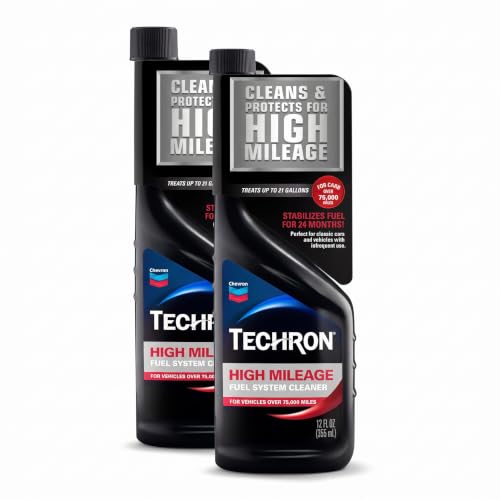
You’ll notice reduced power, a sulfur smell from the exhaust, and heat discoloration on the converter shell. Replacement costs $800–$1,400 at independent shops. Before replacing, verify the upstream O2 sensors and ignition system function properly. A misfiring cylinder will destroy a new converter within weeks. Consider using a quality fuel system cleaner like Chevron Techron to remove carbon deposits before committing to converter replacement.
Mass Airflow Sensor Problems
The MAF sensor sits between the air filter and throttle body, measuring intake volume to calculate fuel injection timing. Dirty air filters or oil contamination from over-oiled aftermarket filters coat the hot-wire element, causing codes P0101 or P0102. Your Terrain will idle roughly, hesitate during acceleration, and display erratic RPM swings.
Cleaning the MAF sensor takes ten minutes. Remove the sensor, spray CRC MAF cleaner on the thin wire elements, let it air-dry completely, and reinstall. Never use throttle body cleaner or touch the wires with tools, they’re fragile. Replace your engine air filter every 15,000 miles to prevent repeat contamination, especially if you drive on gravel roads.
How to Read GMC Terrain Check Engine Light Codes
You need an OBD-II scanner to retrieve diagnostic trouble codes from your Terrain’s PCM. The 16-pin diagnostic port sits under the dashboard left of the steering column. Basic code readers cost $20–$50 and display five-character codes like P0300. More advanced Bluetooth scanners pair with smartphone apps to show live sensor data, freeze-frame conditions, and pending codes.
For comprehensive diagnostics, the BlueDriver Bluetooth OBD2 Scanner offers manufacturer-specific code definitions and repair reports for around $100. It reads not just powertrain codes but also ABS, airbag, and transmission modules. After connecting the scanner, turn the ignition to “On” without starting the engine. Navigate to “Read Codes” and write down every code displayed.

Codes beginning with P0 are generic powertrain codes standardized across all manufacturers. P1 codes are manufacturer-specific. Research each code using the National Highway Traffic Safety Administration’s recall database or GMC service bulletins. Cross-reference symptoms with multiple sources before ordering parts. Don’t clear codes until you complete repairs, the freeze-frame data showing engine conditions when the fault occurred helps pinpoint intermittent problems.
“My 2014 Terrain kept throwing P0171 lean codes. Turned out the PCV valve froze solid, pressurizing the crankcase and blowing the rear main seal. $1,800 repair that started as a $12 valve.” via GMC-Trucks Forum
What to Do When Your GMC Terrain Check Engine Light Comes On
When to Drive vs. When to Stop Immediately
A steady check engine light allows cautious driving to a service facility. Monitor your temperature gauge, oil pressure light, and listen for unusual noises. Avoid heavy acceleration, towing, or highway speeds until you diagnose the issue. Most gas cap, oxygen sensor, and MAF sensor faults won’t strand you immediately.
Stop driving immediately if the light flashes, which indicates active misfires dumping raw fuel into the exhaust. Continuing to drive risks catalytic converter meltdown and potential fire. Also pull over if you notice steam from the hood, knocking sounds, severe power loss, or if the oil pressure warning appears alongside the check engine light. These conditions can cause catastrophic engine damage within minutes.
If both the check engine light and traction control light illuminate together, your Terrain has entered “limp mode.” The PCM limits engine power and may disable all-wheel drive to prevent component damage. This commonly happens with throttle body faults, transmission solenoid failures, or major sensor malfunctions. You can drive slowly to a repair shop, but expect reduced acceleration and no AWD functionality.
For remote diagnostics, consider using a VPN service like NordVPN when researching codes on public Wi-Fi at coffee shops or libraries. Protecting your browsing when looking up vehicle identification numbers and repair histories prevents data harvesting. Pair it with Driver Booster to keep your laptop’s diagnostic software current if you use advanced scanning tools.
Model-Specific GMC Terrain Check Engine Light Issues by Year
2010–2012 Models: First-generation Terrains with 2.4L Ecotec engines suffer from timing chain stretch and excessive oil consumption. These issues often trigger P0016 (camshaft correlation) codes and P0300 random misfire codes. Watch for rattling noises during cold starts. GM issued extended warranty coverage for piston ring replacements on some VINs.
2013–2017 Models: PCV valve failures plague this generation, especially in cold climates. The valve freezes, pressurizing the crankcase and forcing oil past seals. This causes P0171/P0174 lean codes as the engine ingests oil vapor instead of metered air. Replace the PCV valve every 30,000 miles preventively if you live in freezing regions.
2018–2026 Models: The 1.5L turbocharged engine introduced in 2018 sees turbocharger boost pressure sensor codes (P0234, P0236) and carbon buildup on intake valves due to direct injection. The 2.0L turbo option experiences similar direct-injection fouling.
Consider periodic intake cleaning and use Top Tier gasoline with enhanced detergent packages. According to 2025 GM service data, turbo-related check engine lights increased 23% during extended highway driving above 80°F ambient temperatures.
How to Reset Your GMC Terrain Check Engine Light
After completing repairs, you can reset the check engine light three ways. The most reliable method uses your OBD-II scanner’s “Clear Codes” function. This immediately erases stored codes and turns off the light. If the underlying problem wasn’t truly fixed, the light will return within 5–50 miles of driving as the PCM completes its monitoring cycles.
The battery disconnect method works but erases all learned parameters including transmission shift points, radio presets, and seat memory. Disconnect the negative battery cable for 15 minutes, then reconnect. Your Terrain will run slightly rough for 20–30 miles while the PCM relearns idle control and fuel trims.
The drive cycle method lets the PCM self-clear after verifying repairs. Drive through three consecutive trips with complete warm-up and cool-down cycles. Each cycle must include city driving, highway cruising, and extended idle periods. If no faults reoccur, most codes clear automatically after 40–80 successful monitoring events. Check your owner’s manual for the specific drive cycle requirements, GMC varies these by model year.
“Cleared the code with my scanner after replacing the downstream O2 sensor. Light stayed off for 200 miles, then P0420 came back. Turns out the cat was already damaged.” via Terrain Owners Club
Prevention Tips to Avoid Future Check Engine Light Problems
Maintain your Terrain according to the manufacturer’s service schedule rather than waiting for warning lights. Change oil every 5,000 miles with Dexos-approved synthetic, frequent oil changes prevent sludge buildup that clogs PCV systems and fouls oxygen sensors. Replace spark plugs at 60,000-mile intervals using ACDelco 41-110 iridium plugs for 2.4L engines or the turbocharged equivalent for 1.5L/2.0L models.
Inspect your engine air filter every oil change. A $15 filter prevents $250 MAF sensor replacements. Use only dry paper filters unless you’re willing to meticulously maintain oiled performance filters. Check for vacuum leaks annually by listening for hissing sounds around intake manifolds and throttle bodies, unmetered air causes lean codes and poor drivability.
Address check engine lights within one week of appearance. What starts as a $40 oxygen sensor can escalate into a $1,200 catalytic converter replacement if ignored. Keep records of all repairs and codes to identify patterns. Some issues like intermittent wiring faults only reveal themselves through trend analysis.
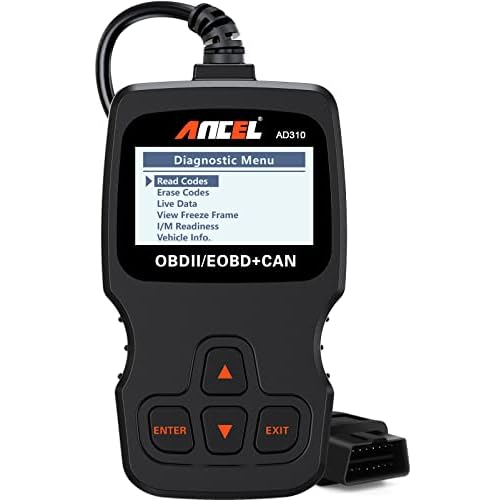
For those who prefer comprehensive protection, consider the Ancel AD310 OBD2 Scanner as an affordable backup diagnostic tool to keep in your glovebox. It’s compact enough for emergency roadside checks when deciding whether to call a tow truck.
Expert Note: "Turbocharged engines experience check engine lights 40% more frequently during short-trip driving patterns. The turbo never reaches optimal operating temperature, allowing moisture and carbon to accumulate in the intercooler system. Weekly highway drives exceeding 20 minutes significantly reduce diagnostic trouble code frequency by allowing complete combustion and evaporating condensation."
Stay proactive. Modern crossovers like your Terrain communicate constantly through that dashboard light, learn its language before it shouts.
Frequently Asked Questions
What does a steady vs. flashing check engine light mean on a GMC Terrain?
A steady amber check engine light indicates a non-critical issue requiring diagnosis within a few days. A flashing light signals active cylinder misfires that can destroy your catalytic converter within minutes—pull over immediately and shut off the engine. Both trigger the PCM’s diagnostic codes, but flashing is urgent.
What are the most common causes of check engine light in a GMC Terrain?
The most common causes include faulty oxygen sensors, loose gas caps, failing catalytic converters, dirty mass airflow sensors, ignition coil misfires, and frozen PCV valves. Oxygen sensors account for many instances, while a loose gas cap remains the easiest fix. Always scan OBD-II codes to pinpoint the exact cause.
How do I reset the check engine light on my GMC Terrain after repairs?
Use an OBD-II scanner’s ‘Clear Codes’ function for the most reliable reset. Alternatively, disconnect the negative battery cable for 15 minutes to erase codes, though this resets learned parameters. The drive cycle method allows the PCM to self-clear after three complete warm-up cycles with no faults.
Can I drive my GMC Terrain with the check engine light on?
A steady check engine light allows cautious driving to a service facility, but avoid heavy acceleration and towing. Stop immediately if the light flashes, indicating misfires that can damage the catalytic converter. Also pull over if you notice steam, knocking sounds, or severe power loss alongside the warning.
How much does it cost to fix a check engine light on a GMC Terrain?
Costs vary widely by cause. A loose gas cap costs nothing; replacing an oxygen sensor runs $150–$300; cleaning a MAF sensor takes $100–$200; catalytic converter replacement costs $800–$1,400. Early diagnosis prevents expensive secondary damage—neglecting a faulty sensor can eventually destroy a converter.
Why do turbocharged GMC Terrains experience more check engine lights?
Turbocharged models (1.5L and 2.0L) experience 40% more check engine lights, especially during short-trip driving where the turbo never reaches optimal temperature. Moisture and carbon accumulate in the intercooler, triggering direct-injection fouling codes. Weekly highway drives exceeding 20 minutes significantly reduce diagnostic trouble codes by allowing complete combustion.
Read More:
- GMC Check Engine Light Reset (Here’s the Proven Methods)
- GMC Check Engine Light Flashing Then Stops (Critical Diagnostic Guide)
- GMC Canyon Check Engine Light (Complete Diagnostic Guide)