
If your Jeep Wrangler suddenly refuses to shift smoothly, grinds into gear, or throws a check engine light mid-trail, you’re not alone. These transmission hiccups can feel catastrophic, especially when you’re worried about a multi-thousand-dollar repair bill.
Many Jeep Wrangler transmission problems stem from simple, fixable issues like low or dirty transmission fluid, loose electrical connectors caked in off-road mud, corroded battery terminals causing voltage drops to the Transmission Control Module, or temporary software glitches that clear with a quick battery disconnect reset, not catastrophic internal failures.
This guide walks you through practical, garage-friendly diagnostics. You’ll learn how to check fluid levels and color, scan for hidden trouble codes with an inexpensive OBD2 reader, inspect wiring harnesses, verify factory technical service bulletins, and recognize when harsh shifting actually signals internal clutch or torque converter damage requiring professional help. Let’s troubleshoot smart.
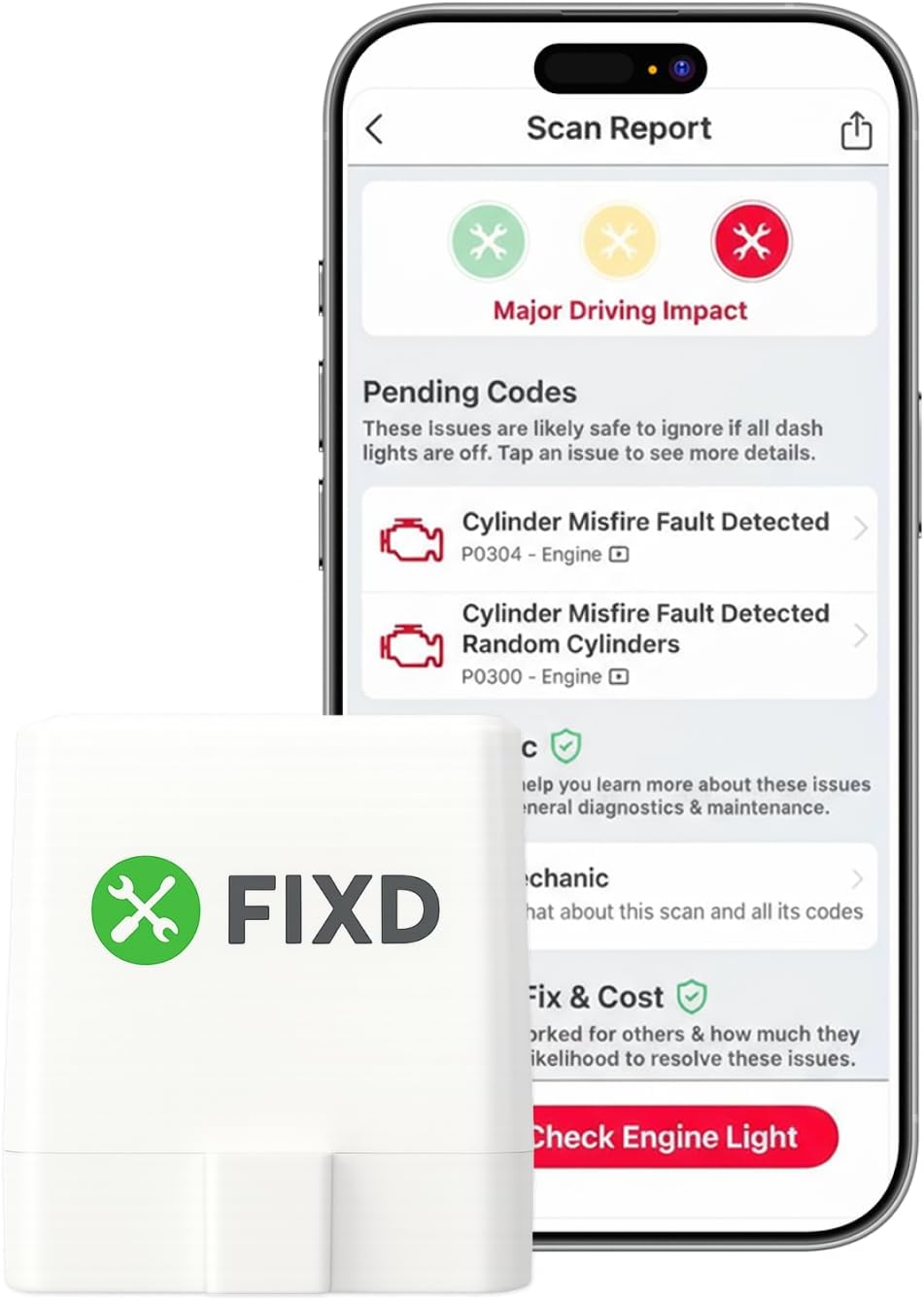
Best Bluetooth OBD2 Scanner
Detect 39,000+ Issues With Enhanced Codes. Save $1000s on car repairs & buying used vehicles by diagnosing problems yourself.
Shop on Amazon
Key Takeaways
- Many Jeep Wrangler transmission problems stem from simple fixes like low fluid, loose connectors, or software glitches rather than expensive internal failures.
- Check transmission fluid level and color first—dark brown or black fluid signals overheating, while leaks and burning smells require immediate attention to prevent permanent damage.
- Common issues include delayed shifts, unexpected neutral slips, and warning lights; use an inexpensive OBD2 reader to scan trouble codes like P0700 before pursuing costly repairs.
- Different transmission models have specific vulnerabilities—the 42RLE suffers from valve body wear, the W5A580 experiences torque converter shudder, and the ZF 8-speed sometimes clears false codes with a battery reset.
- Routine maintenance every 30,000–60,000 miles, including fluid changes and cooler inspection, prevents most transmission problems and extends reliability well past 150,000 miles.
- Distinguish between DIY-fixable issues like sensor swaps and solenoid replacements ($500–$1,500) versus internal failures requiring professional rebuild ($2,500–$6,000), and seek a transmission specialist rather than a dealership for better pricing.
Common Signs of Transmission Issues
Delayed Gear Shifting and Erratic Shifts
Your Wrangler hesitates when you shift from Park to Drive, or it slams into gear with a jarring thud. Sometimes it hunts between gears on the highway, revving high before finally catching. These delayed or erratic shifts often point to low transmission fluid, a failing transmission control module sensor, or worn solenoids struggling to regulate hydraulic pressure.
Cold-weather hard shifting is common and usually harmless, thick fluid takes time to warm up. But if delays persist when the engine is hot, or if you notice grinding or clunking sounds, you’re likely dealing with internal wear or electronic sensor conflicts that trigger limp mode. Check your fluid level first, then scan for codes.
Unexpected Shifts to Neutral and Gear Slips
You’re cruising along, then the engine suddenly revs and you lose power, like the transmission jumped into neutral on its own. Or you stomp the gas and the RPMs spike, but the Jeep barely accelerates. Slipping gears and unexpected neutral shifts are red flags for low fluid, a failing torque converter, or worn clutch packs inside the transmission.
Automatic overdrive failures can also cause slipping. If your Wrangler shifts perfectly in manual mode but slips or refuses to engage overdrive automatically, suspect a faulty shift solenoid or a software calibration bug. Some ZF 8-speed models benefit from a factory software update recall, check NHTSA’s recall database for open campaigns.
Warning Lights and Error Codes
A glowing check engine light or a flashing transmission temperature warning means your Jeep’s onboard computer detected a powertrain issue. Don’t ignore it. Even if the vehicle seems to drive fine, stored error codes reveal hidden problems, bad sensors, voltage drops, or overheating conditions that can snowball into expensive damage.
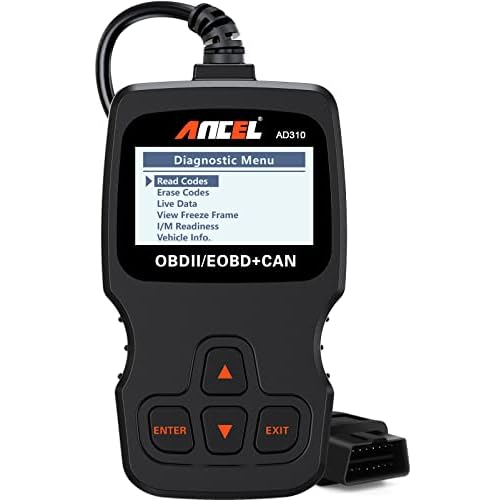
Plug in an OBD2 code reader and pull the codes yourself. Common Wrangler codes include P0700 (generic transmission fault), P0730 (incorrect gear ratio), and P0562 (low system voltage). Cross-reference codes with automotive forums like JeepForum or Wrangler Forum for quick fixes and driver feedback on broken electronic shifter wiring versus failed internal clutch packs.
Transmission Fluid Leaks and Burning Smells
Spot a reddish puddle under your Jeep? Transmission fluid leaks from cracked cooling lines, loose pan bolts, or worn seals. Even a small leak drops fluid levels quickly, causing slipping, overheating, and permanent damage. Wipe down the transmission oil pan and surrounding chassis with a clean rag, then park on cardboard overnight to pinpoint the active leak source.
A burning smell, sweet, acrid, or like scorched toast, signals overheated transmission fluid. Dark brown or black fluid means it’s cooked and losing its lubricating ability. Fresh ATF is bright red or pink. If yours smells burnt or looks like coffee, it’s time for a fluid and filter change. Overheating often results from towing heavy loads, aggressive off-roading, or a clogged transmission cooler.
Jeep Wrangler Transmission Types and Problem Patterns
Key Automatic Transmissions Used Across Generations
Jeep has cycled through several automatic transmissions over Wrangler generations. The 42RLE (2003–2006 TJ, 2007–2011 JK) is notorious for valve body wear and delayed engagement. The W5A580 five-speed (2012–2013 JK) suffers from torque converter shudder and harsh downshifts. The ZF 8HP75 eight-speed (2018+ JL/JT) is generally smoother but can experience software glitches, sensor conflicts, and limp mode triggered by low voltage or corrupted module settings.
Manual transmissions, like the NSG370 six-speed and Aisin AX15, are mechanically simpler but still face synchronizer wear, clutch linkage binding, and shift fork damage, especially after aggressive off-road use. Know your transmission type by checking your VIN or owner’s manual, then research model-specific vulnerabilities on forums and TSB databases.
Model-Specific Vulnerabilities
The 42RLE valve body is a common failure point. Drivers report erratic shifting, stuck gears, and check engine lights traced to worn valve body springs and solenoids. The ZF 8-speed in JL Wranglers sometimes throws false codes after battery disconnects or software updates, a full electronic reset clears most temporary hangs.
JK Wranglers with the W5A580 often experience torque converter lockup shudder around 45–50 mph, feeling like driving over rumble strips. This can stem from contaminated fluid, a faulty lockup solenoid, or a worn torque converter. Some owners fix shudder with a fluid flush and additive: others need a new converter.
Impact of Transmission Design on Reliability
Automatic transmissions rely on complex electronics, sensors, solenoids, and control modules, that hate mud, water, and vibration. Off-road trail riding exposes wiring harnesses and connectors to dirt, moisture, and corrosion. A caked sensor connection or damaged wiring pin can mimic catastrophic internal failure, triggering limp mode or refusal to shift.
Manual transmissions are more robust in harsh conditions but still suffer from clutch wear, linkage binding, and synchronizer damage. If you shift perfectly when cold but grind gears when hot, suspect worn synchros or improper fluid. Check manufacturer technical service bulletins for known issues and recommended fluid specifications.
Underlying Causes of Transmission Problems
Transmission Fluid Quality and Level Issues
Low or degraded fluid is the number one cause of transmission trouble. Fluid lubricates, cools, and transmits hydraulic pressure. When levels drop, from leaks or neglect, internal components overheat, clutches slip, and gears grind. Always check fluid level first. Park on level ground, warm the engine, then pull the dipstick (if equipped) or check through the fill plug on sealed units.
Fluid color tells the story. Fresh ATF is bright red or pink. Dark brown or black means it’s burnt. Milky or foamy fluid indicates water contamination, often from a cracked cooler or submerged off-road adventure. Wrong fluid type also causes problems. Jeep specifies ATF+4 for most models: using generic Dexron can damage seals and clutches. Double-check your owner’s manual and stick to the right spec.
Sensor and Electrical Malfunctions
Modern automatics depend on sensors to monitor speed, temperature, and gear position. A bad input/output speed sensor confuses the Transmission Control Module, triggering limp mode or incorrect shift points. Corroded connectors or damaged wiring harness pins, common after mud bogging or water crossings, cause intermittent faults that are maddening to diagnose.
Loose battery terminals drop system voltage, starving the TCM and causing erratic behavior. Clean battery posts and check voltage with a multimeter, 12.4V+ when off, 13.7–14.7V when running. A weak battery or failing alternator can mimic transmission failure. Some glitches clear with a simple battery disconnect reset: remove the negative terminal for 15 minutes, then reconnect and test-drive.
Worn Internal Components
Clutch packs, bands, and planetary gears wear out over time and miles. Slipping under acceleration, delayed engagement, or complete loss of forward gears often signal internal damage. Unfortunately, these failures require transmission removal and rebuild, not a DIY job for most.
You can distinguish external versus internal faults by checking fluid condition and scanning for codes. If fluid is full, clean, and properly specified, but you still have slipping or grinding, internal wear is likely. Driver feedback on forums often separates easy sensor fixes from expensive clutch pack replacements.
Torque Converter and Solenoid Failures
The torque converter couples engine to transmission. When it fails, you get shudder, slipping, overheating, or no movement at all. Converter lockup solenoids can stick, causing harsh engagement or fuel economy drops. A bad solenoid throws codes like P0740 or P0742 and sometimes responds to a fluid flush or solenoid replacement, much cheaper than a full rebuild.
Shift solenoids regulate hydraulic flow to clutch packs. When they stick or fail, you lose specific gears or get harsh shifts. Codes like P0750–P0760 pinpoint which solenoid is faulty. Replacing a solenoid is a moderate DIY task if you’re comfortable dropping the transmission pan, but many prefer a shop.
Prevention, Diagnosis, and Effective Fixes
Routine Maintenance for Longevity
Change your transmission fluid and filter every 30,000–60,000 miles, or more often if you tow, off-road, or drive in extreme heat. Fresh fluid prevents wear, overheating, and costly failures. Inspect cooling lines annually for cracks, abrasion, or trail damage. A small leak becomes a big problem fast.
Keep the transmission cooler clean, mud and debris block airflow, causing overheating. Install an auxiliary cooler if you tow heavy trailers or rock-crawl frequently. Simple preventive steps like these save thousands in repair bills and extend transmission life well past 150,000 miles.
Diagnostic Methods and Tools
Start simple: check fluid level, color, and smell. Look for leaks under the vehicle. Scan for codes with an OBD2 reader, even a $25 unit reveals stored faults. Cross-reference codes online and search Jeep-specific forums for real-world solutions.

Inspect the wiring harness at the transmission housing for mud, corrosion, or damaged pins. Wiggle connectors and listen for changes in behavior. Test-drive in manual mode (if available) to isolate automatic-only faults. Check NHTSA recalls and manufacturer technical service bulletins for known issues and free fixes.
“My JL threw a P0700 code and went into limp mode. Dealer wanted $1,200 for diagnostics. I disconnected the battery for 20 minutes, cleared the code, and it’s been perfect for 6,000 miles.” via WranglerForum
Repair and Replacement Options
For DIY-friendly fixes, fluid changes, sensor swaps, battery resets, you can handle the work in your driveway with basic tools. Replacing a speed sensor or shift solenoid requires moderate skill: drain fluid, drop the pan, swap the part, reinstall with a new gasket and fresh fluid.
Internal failures, clutch packs, torque converters, valve bodies, demand professional rebuild or replacement. Expect $2,500–$4,500 for a rebuild, $3,000–$6,000 for a remanufactured unit installed. Weigh repair cost against vehicle value and mileage. Sometimes a used transmission from a reputable salvage yard is the smart move.
When to Seek Professional Help
If you’ve checked fluid, scanned codes, cleaned connections, and performed a reset, but still face slipping, grinding, or no movement, it’s time for a pro. A qualified transmission shop can perform pressure tests, road tests, and teardown inspections to pinpoint internal damage.
Don’t keep driving a slipping or overheating transmission, you’ll turn a $500 solenoid fix into a $5,000 rebuild. Watch this quick overview for visual guidance:
Get quotes from independent transmission specialists, not just dealerships. Ask about warranty, rebuild quality, and whether they install remanufactured or used units. Check reviews on Yelp and the Better Business Bureau before committing. And remember: catching issues early, through regular maintenance and quick diagnostics, keeps your Wrangler running strong for years to come.
Frequently Asked Questions
What are the most common signs of transmission problems in a Jeep Wrangler?
Common signs include delayed gear shifting, erratic shifts, unexpected neutral shifts, check engine lights, transmission fluid leaks, and burning smells. Low transmission fluid, failing sensors, worn solenoids, and internal clutch damage are frequent culprits. Start by checking your fluid level and color, then scan for error codes with an OBD2 reader.
How do I check transmission fluid in my Jeep Wrangler?
Park on level ground and warm the engine. Locate the dipstick (if equipped) or check through the fill plug on sealed units. Fresh ATF is bright red or pink; dark brown or black indicates burnt fluid. Milky fluid suggests water contamination. Always use the correct ATF+4 specification per your owner’s manual.
Can a dead battery cause Jeep Wrangler transmission problems?
Yes. Loose battery terminals or a weak battery drop system voltage, starving the Transmission Control Module and causing erratic shifting or limp mode. Clean battery posts, verify 13.7–14.7V when running, and try a 15-minute battery disconnect reset. This simple fix often clears temporary transmission faults without professional help.
What is the difference between internal and external transmission faults in a Wrangler?
External faults stem from fluid issues, sensor malfunctions, or electrical problems—often fixable DIY or cheaply. Internal faults involve worn clutch packs, bands, or torque converters, requiring professional rebuild ($2,500–$4,500). Check fluid condition, scan codes, and inspect wiring first; if fluid is clean but slipping persists, internal damage is likely.
How often should I change transmission fluid in my Jeep Wrangler?
Change transmission fluid and filter every 30,000–60,000 miles, or more frequently if you tow, off-road, or drive in extreme heat. Regular fluid changes prevent overheating, wear, and costly failures. Fresh fluid lubricates, cools, and transmits hydraulic pressure, extending transmission life well past 150,000 miles.
What should I do if my Jeep Wrangler transmission is slipping or grinding?
First, check fluid level and color—low or burnt fluid is the primary cause. Scan for error codes with an OBD2 reader and inspect wiring harnesses for corrosion or damage. If fluid is adequate and clean but slipping persists, suspect internal wear or a failing torque converter. Seek professional diagnosis to avoid turning a minor fix into a $5,000 rebuild.
Read More:
- Jeep Compass Transmission Problems (Here’s the Quick Fixes)
- Jeep Grand Cherokee Transmission Problems (Quick and Simple Fixes)
- Automatic Transmission Problems (Fixes for Slipping Gears, and Hard Shifts)
- Car Transmission Problems (Guide for Automatic, CVT, and Hybrid)
- Ford Transmission Problems (Symptoms, Recalls, and What to Do)