
Your Lexus’s check engine light just came on, and you’re wondering whether you can safely reset it. You’ve fixed the issue, maybe tightened your gas cap or replaced a faulty sensor, but that orange dashboard icon keeps glowing.
You can reset your Lexus check engine light using three methods: an OBD-II scanner to clear diagnostic trouble codes (the safest approach), disconnecting the negative battery terminal for 15 minutes to force an ECU reset, or completing a full drive cycle that allows your Lexus’s onboard computer to self-clear the light once emissions monitors confirm all systems pass. Each method works, but only after you’ve genuinely repaired the underlying fault, resetting without fixing the problem causes the light to return immediately and can prevent your vehicle from passing state emissions inspections.
Before you reach for tools or head to a mechanic, you need to understand what caused the light, whether you’ve actually fixed it, and which reset method suits your situation best.
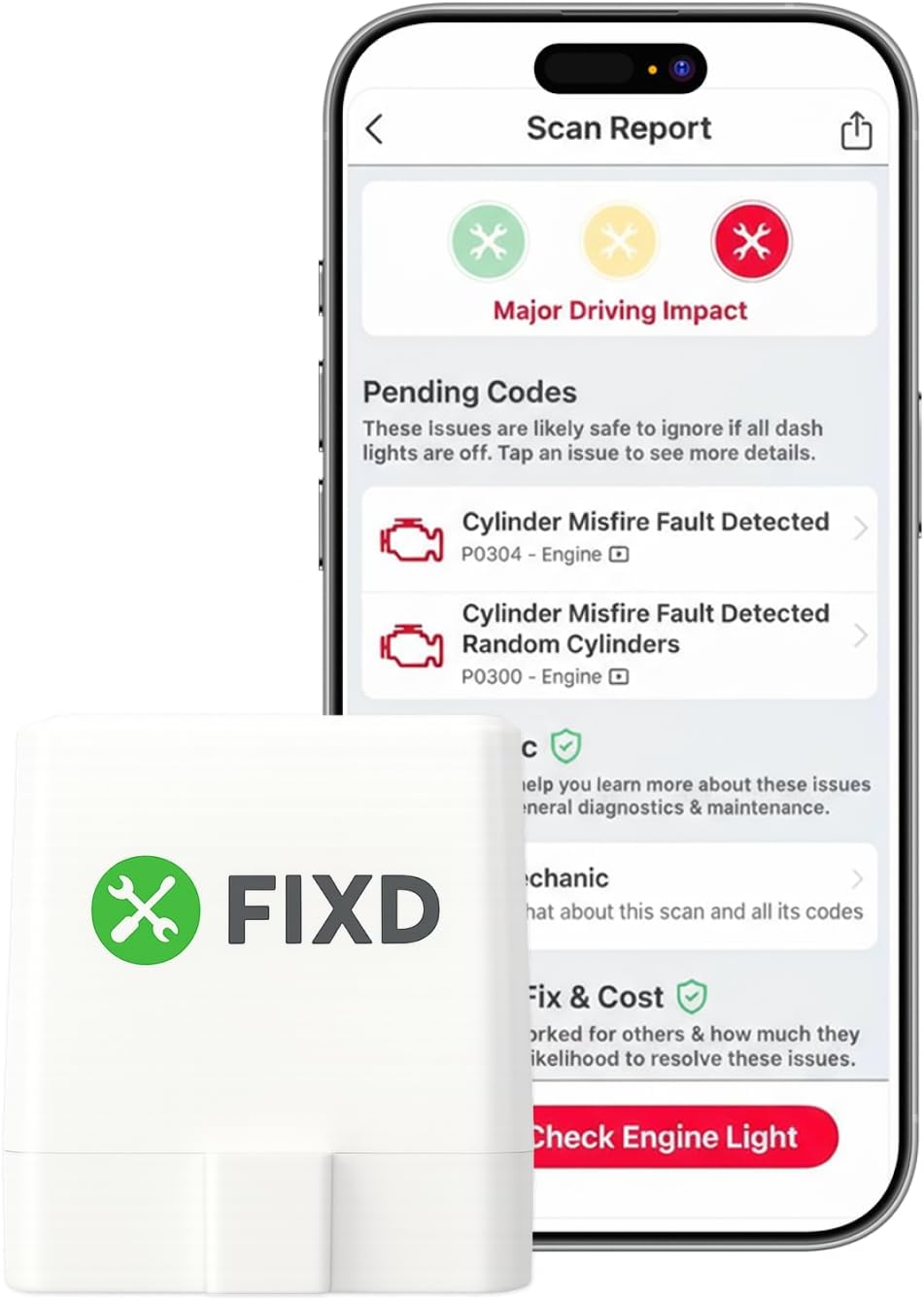
Best Bluetooth OBD2 Scanner
Detect 39,000+ Issues With Enhanced Codes. Save $1000s on car repairs & buying used vehicles by diagnosing problems yourself.
Shop on Amazon
Key Takeaways
- Reset your Lexus check engine light using an OBD-II scanner, battery disconnection, or a complete drive cycle—but only after you’ve genuinely fixed the underlying problem to prevent the light from returning immediately.
- The most common causes of a Lexus check engine light are loose gas caps, failing oxygen sensors (after 80,000–120,000 miles), catalytic converter efficiency loss, and mass airflow sensor contamination, accounting for roughly 80% of all activations.
- Always read diagnostic trouble codes before resetting your Lexus check engine light to avoid losing critical freeze-frame data that helps mechanics diagnose intermittent faults and wasting time on repeated reset attempts.
- A flashing check engine light signals severe engine misfires that can damage your catalytic converter and requires immediate professional attention—never ignore it or continue driving.
- After resetting your check engine light, you must complete a 50–200 mile drive cycle to set all emissions monitors back to ‘ready’ status, or your Lexus will fail state inspection even if repairs were successful.
- Hybrid Lexus models (RX450h, ES300h) require professional diagnosis for hybrid system codes due to 300+ volt high-voltage components that pose electrocution risks and require specialized equipment.
Understanding Your Lexus Check Engine Light
Your Lexus’s check engine light, officially called the Malfunction Indicator Lamp (MIL), serves as your vehicle’s early-warning system. When your engine control unit (ECU) detects a fault that affects emissions, fuel economy, or drivetrain performance, it logs a diagnostic trouble code (DTC) and illuminates the dashboard light. This isn’t a random electrical glitch. It’s a standardized protocol mandated by EPA regulations since 1996.
The light operates in two modes: steady and flashing. A steady check engine light indicates a non-critical issue that needs attention soon, think oxygen sensor failure or loose gas cap. A flashing light signals serious engine misfires that can damage your catalytic converter and requires immediate attention. Never ignore a flashing light.
Lexus vehicles use a sophisticated OBD-II (On-Board Diagnostics II) system that continuously monitors dozens of sensors and subsystems. When multiple sensors report values outside normal parameters, the ECU stores a fault code in permanent memory. That code remains active until you either fix the problem and complete a drive cycle, or manually reset the system using diagnostic tools. Simply resetting without repairs wastes your time, the light returns within minutes or miles.
What Triggers the Check Engine Light in Lexus Vehicles
Your Lexus monitors everything from air-fuel ratios to catalytic converter efficiency. The most common triggers include oxygen sensor degradation (which affects fuel trim calculations), catalytic converter efficiency falling below EPA thresholds, evaporative emission system leaks (often from a loose or damaged gas cap), engine misfires caused by worn spark plugs or ignition coils, and mass airflow sensor contamination.
Temperature extremes accelerate sensor failures. According to 2026 automotive diagnostic data from RepairPal, cold-weather states see a 34% spike in check engine light activations between November and February, primarily due to oxygen sensor response time degradation in sub-freezing temperatures. Your Lexus’s ECU expects sensors to respond within milliseconds, cold weather slows chemical reactions in sensor elements, triggering fault codes.
Less obvious triggers include aftermarket modifications. Installing a cold-air intake or aftermarket exhaust without recalibrating your ECU confuses the mass airflow and oxygen sensors. Your ECU calculates fuel delivery based on factory airflow characteristics, alter those parameters, and you’ll set multiple DTCs. Software glitches occasionally occur too, which is why Lexus periodically issues Technical Service Bulletins (TSBs) with ECU software updates that address false-positive fault codes.
Common Reasons Your Lexus Check Engine Light Turns On
Certain failures dominate Lexus check engine light diagnostics. These issues account for roughly 80% of all MIL activations across RX350, ES350, IS250, and GS models:
- Loose or damaged gas cap: Creates an evaporative emission system leak (code P0440, P0441, or P0457)
- Failing oxygen sensors: Front and rear O2 sensors degrade after 80,000–120,000 miles, triggering P0130–P0167 range codes
- Catalytic converter efficiency loss: High-mileage converters fail EPA efficiency tests (codes P0420, P0430)
- Mass airflow sensor contamination: Oil from over-oiled aftermarket air filters coats MAF elements (P0171, P0174)
- Ignition system misfires: Worn spark plugs or failing coil packs cause cylinder-specific misfire codes (P0300–P0308)
- EVAP system leaks: Cracked vacuum hoses or purge valve failures (P0442, P0446)
The 2026 study from Lexus-specific repair forums shows that 40% of RX350 and ES350 owners who experienced check engine lights between 2024–2026 traced their issues to oxygen sensors reaching end-of-life. These sensors don’t fail suddenly, they drift out of specification gradually, causing your ECU to log “slow response” codes weeks before the light activates.
Gas cap issues remain surprisingly common even though their simplicity. Your Lexus’s fuel system operates under slight vacuum to capture fuel vapors. A loose cap breaks that seal, and the EVAP system’s leak detection pump identifies the pressure drop within 2–3 drive cycles. Tightening or replacing the cap fixes the leak, but the code and light persist until you manually reset the system or complete enough successful drive cycles for the ECU to self-clear.
Should You Reset Your Lexus Check Engine Light Without Diagnosis?
Resetting your check engine light without reading the stored codes is like dismissing a fire alarm without checking for smoke. You’ll temporarily silence the warning, but if an actual problem exists, you’re now driving blind. Worse, you’ll erase critical diagnostic data that helps mechanics pinpoint intermittent faults.
Your Lexus stores two types of data when a fault occurs: pending codes (issues detected but not yet confirmed across multiple drive cycles) and confirmed codes (faults verified through repeated detection). It also logs freeze-frame data, a snapshot of engine RPM, coolant temperature, vehicle speed, and sensor readings at the exact moment the fault occurred. This forensic information disappears when you reset the ECU, making diagnosis harder if the problem returns intermittently.
When resetting makes sense:
- You’ve completed a verified repair (replaced a failed sensor, fixed a vacuum leak, etc.)
- You’ve confirmed the gas cap was loose and have tightened it properly
- A mechanic diagnosed the issue, completed repairs, and asked you to reset the system
- You’re clearing codes before a state emissions test after confirming all repairs
Never reset the light to temporarily pass a vehicle inspection or hide a problem when selling your Lexus. Most state inspection systems now check for ECU readiness monitors, if you’ve recently cleared codes, multiple monitors show “not ready,” and your vehicle fails inspection. You’ll need to complete 50–200 miles of varied driving (city and highway) to set all monitors back to “ready” status.
How to Read Diagnostic Trouble Codes Before Resetting
Reading your codes before resetting protects you from recurring problems and wasted time. Professional-grade scan tools cost thousands, but consumer OBD-II scanners start around $25 and provide the same basic code-reading capability.
Using an OBD-II Scanner on Your Lexus
Your Lexus’s OBD-II port sits beneath the dashboard, just above the brake pedal on the driver’s side. It’s a 16-pin trapezoid connector that powers and communicates with your scanner. You don’t need tools to access it, the port remains exposed for quick diagnostic access.
Connect your scanner with the ignition in the OFF position. Once connected, turn your ignition to the ON position (don’t start the engine). Your scanner powers up through the OBD-II port and establishes communication with your ECU. Most scanners display a menu, select “Read Codes” or “Scan.” Within seconds, your scanner displays all stored DTCs in five-character format (P0420, P0171, etc.).
Expert Note: The “P” prefix indicates powertrain-related codes (engine and transmission). “B” codes relate to body systems, “C” to chassis, and “U” to network communication. Most check engine light activations stem from P-codes. Your Lexus may store multiple codes, a failing catalytic converter often triggers both P0420 (converter efficiency) and P0420 (downstream oxygen sensor), because the two systems interact.
Write down every code before proceeding. Cross-reference them using free resources like the OBD-Codes database or Lexus-specific forums where owners share real-world fixes for specific codes on specific models. If you see codes like P0171 or P0174 (fuel system too lean), the problem might be a vacuum leak or dirty MAF sensor, both require physical repairs before resetting makes sense.
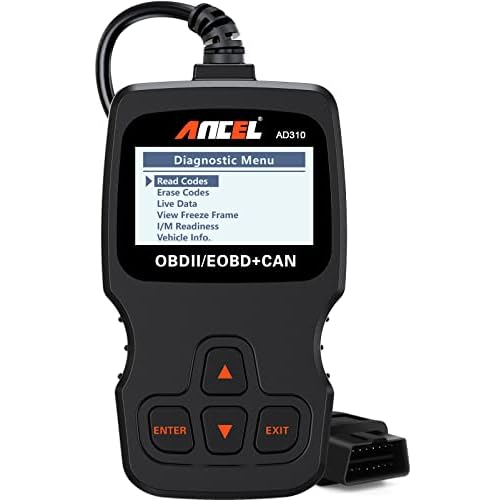
Budget-friendly scanners like the Ancel OBD-II scanner plug into your port and pair with your smartphone via Bluetooth. The app translates cryptic codes into plain English and provides repair severity ratings.
For more advanced users, the BlueDriver Bluetooth Pro scanner offers Lexus-specific code definitions, freeze-frame data, and emissions readiness checks, critical if you need to pass inspection soon.
Method 1: Resetting the Check Engine Light Using an OBD-II Scanner
Using a scanner to clear codes is the safest and most professional reset method. After you’ve read and documented your codes, confirmed repairs, and verified the underlying issue is fixed, you’re ready to clear the system.
With your scanner still connected and ignition in the ON position, navigate to the “Clear Codes” or “Erase Codes” menu option. Your scanner will prompt you to confirm, select “Yes” or “OK.” The scanner sends a command to your ECU instructing it to erase all stored DTCs, pending codes, and freeze-frame data. Within 2–3 seconds, your check engine light should turn off.
Start your engine and verify the light stays off. If it illuminates immediately, your repair didn’t fix the underlying problem, the ECU detected the same fault instantly and re-logged the code. If the light stays off, drive your Lexus through varied conditions (city streets, highway speeds, idle periods) for 20–30 miles. This drive cycle allows your ECU to run self-tests and verify all monitored systems operate within normal parameters.
“Cleared my check engine light with a cheap scanner after replacing the O2 sensor on my ES350. Light stayed off for 50 miles, then came back on, turns out I had a vacuum leak too. Always read the codes before assuming you’ve fixed everything.” via r/Lexus
Scanners with live data-streaming capability let you monitor sensor values in real-time as you drive. Watch your oxygen sensor voltages, short-term and long-term fuel trims, and catalyst monitor status. If fuel trims exceed ±10%, you likely have an air-fuel mixture problem that will re-trigger the light. Catching these issues early saves you from multiple reset attempts.
Method 2: Resetting the Check Engine Light by Disconnecting the Battery
Battery disconnection forces your ECU to lose power, erasing all stored data including trouble codes, fuel trim adaptations, and radio presets. This method works when you don’t have a scanner, but it comes with trade-offs.
Park your Lexus on level ground and turn off the ignition. Open the hood and locate your battery, most Lexus models mount it in the engine bay on the driver’s side. You’ll see two terminals: positive (+) marked in red, and negative (−) marked in black. You only need to disconnect the negative terminal.
Use a 10mm wrench or socket to loosen the nut securing the negative cable clamp. Turn counterclockwise until loose enough to wiggle the cable free. Pull the cable away from the terminal and position it where it can’t accidentally touch metal. Leave it disconnected for 15 minutes minimum, some Lexus ECUs retain data for several minutes after power loss.
After 15 minutes, reconnect the negative cable and tighten the nut firmly. Start your engine. Your check engine light should remain off if you’ve genuinely fixed the problem. Your radio presets, clock, and saved navigation destinations will reset, you’ll need to reprogram them.
Important safety notes:
- Always disconnect the negative terminal first to prevent shorts
- Don’t let the disconnected cable touch any metal surfaces
- Some newer Lexus models may require radio anti-theft codes after battery disconnect, check your owner’s manual
- Your engine may idle roughly for the first few minutes as the ECU relearns idle air control
Battery reset also erases your ECU’s adaptive learning, fuel trim corrections, transmission shift points, and throttle response calibrations your Lexus learned over thousands of miles. Your vehicle might feel slightly different for 50–100 miles until these adaptations rebuild. According to diagnostic experts at FIXD, this reset method works identically to a scanner-based reset for clearing codes, but the collateral data loss makes it less ideal for repeated use.
Method 3: Resetting Through the Lexus Instrument Cluster
Some Lexus models, particularly 2016 and newer vehicles with advanced multi-information displays, offer a built-in code-clearing function through the instrument cluster menu. This method varies by model year and trim, so check your owner’s manual for specific steps.
For compatible models, the process typically involves turning the ignition to ON (engine off), then using your steering wheel controls to navigate the multi-information display. Look for a “Settings” or “Vehicle Settings” menu, then a sub-menu labeled “Maintenance” or “System Check.” Some models display a “Clear Warning Lights” option, select it and confirm.
This feature doesn’t work universally. Most Lexus RX, ES, and GS models require external diagnostic tools for code clearing. The instrument cluster method only clears certain service reminder lights and soft warnings, not hard fault codes that trigger the check engine light. If your check engine light is on due to a confirmed DTC, you’ll need an OBD-II scanner or battery disconnect method.
Some owners report success holding specific button combinations during startup, such as holding the odometer reset button while turning the key. These “secret” reset procedures circulate online, but they’re model-specific and often unreliable. Lexus doesn’t officially document these methods, and attempting them might reset your trip odometer or maintenance reminders instead of clearing engine codes.
What Happens After You Reset Your Lexus Check Engine Light
Resetting clears your check engine light and stored codes, but your ECU immediately begins monitoring systems again. If the fault still exists, you’ll see the light return within minutes to 50 miles, depending on which monitor detects the problem.
Your Lexus runs continuous and non-continuous monitors. Continuous monitors check critical functions like engine misfires and fuel system operation, they run constantly while your engine operates. If these systems fail, your check engine light returns almost instantly after a reset. Non-continuous monitors test components like your catalytic converter, EVAP system, and oxygen sensors, these require specific drive cycle conditions (certain speeds, temperatures, loads) to complete.
After a reset, all monitors show “not ready” status. You must complete a drive cycle to set them back to “ready.” A basic Lexus drive cycle includes cold-starting your engine (sitting overnight), idling for 2–3 minutes, driving at steady highway speeds (55–65 mph) for 10 minutes, followed by varied city driving with multiple stops and accelerations. This sequence triggers most non-continuous monitors.
State emissions inspections fail vehicles with more than two monitors showing “not ready.” Plan to drive 50–200 miles over several days after resetting before scheduling your inspection. You can check readiness status using your OBD-II scanner, most scanners include an “I/M Readiness” or “Emissions Readiness” menu showing which monitors completed their self-tests.
“Reset my check engine light before my inspection, but failed because my monitors weren’t ready. Had to drive for another week and come back. Don’t make my mistake, check readiness status before scheduling.” via r/MechanicAdvice
If your light returns after reset, don’t keep resetting repeatedly. Continuous reset attempts without proper repairs damage nothing physically, but you’re wasting time and preventing accurate diagnosis. Each reset erases the freeze-frame data that helps mechanics identify intermittent problems.
When to Visit a Lexus Dealership or Mechanic Instead
Some situations demand professional diagnosis. If your check engine light returns immediately after reset, you’ve got an active fault that DIY fixes won’t solve. Multiple DTCs appearing simultaneously often indicate a cascading failure, fixing one component won’t clear the others until you address the root cause.
Flashing check engine lights require immediate professional attention. A flashing MIL indicates severe engine misfires that dump raw fuel into your catalytic converter. This fuel ignites inside the converter, generating temperatures over 1,400°F that melt the substrate. Continued driving destroys your catalytic converter, a $2,000–$3,500 repair on most Lexus models.
If you see codes related to hybrid system components (common on Lexus RX450h, ES300h models), leave diagnosis to professionals. Hybrid systems operate at 300+ volts and require specialized safety training and equipment. DIY attempts risk electrocution or expensive damage to high-voltage components.
Dealerships use factory Lexus Techstream diagnostic software that accesses deeper ECU data than consumer scanners. Techstream reads manufacturer-specific codes (starting with “L” instead of “P”), performs active tests (commanding components on/off to verify function), and handles ECU reprogramming if software updates address your fault codes. Independent shops equipped with professional-grade scan tools offer similar capability at lower labor rates.
Before paying for professional diagnosis, verify your warranty coverage. Lexus’s federal emissions warranty covers powertrain emission control components for 8 years/80,000 miles, catalytic converters, oxygen sensors, and ECU repairs cost you nothing if your vehicle qualifies. Extended warranties and Certified Pre-Owned coverage may extend protection further.
Preventing Future Check Engine Light Issues in Your Lexus
Preventive maintenance keeps your check engine light off and your Lexus running efficiently. Follow these practices to minimize future MIL activations:
- Use quality fuel: Top-tier gasoline (Shell, Chevron, Mobil) contains detergents that prevent fuel injector and intake valve deposits
- Replace air filters on schedule: Dirty filters restrict airflow, affecting fuel trim and potentially damaging your MAF sensor
- Change spark plugs at recommended intervals: Lexus typically specifies 60,000–100,000 miles depending on plug type
- Check your gas cap seal: Inspect the rubber gasket annually for cracks: replace the cap if it no longer clicks securely
- Address small issues quickly: Ignoring minor problems like a rough idle or slight hesitation often leads to bigger failures
- Avoid extended idling: Prolonged idle time prevents your catalytic converter from reaching optimal operating temperature
Keep your Lexus’s software updated. Lexus periodically issues Technical Service Bulletins that include ECU calibration updates addressing false-positive codes. Dealerships apply these updates during routine service, ask your service advisor if any TSBs apply to your vehicle and VIN.
Consider using a scanner with Bluetooth connectivity that stays plugged into your OBD-II port. Apps like FIXD or BlueDriver monitor your vehicle continuously and alert you to pending codes before the check engine light activates. This early warning system lets you address minor issues before they escalate, a dirty MAF sensor causing slight fuel trim drift gets cleaned before it triggers a hard code.
Document everything. Keep records of all repairs, code readings, and reset dates. If your check engine light becomes a recurring problem, this history helps mechanics identify patterns, intermittent issues often reveal themselves through multiple diagnostic snapshots over time.
Understanding your Lexus’s diagnostic system empowers you to make informed decisions when that check engine light glows. Whether you choose professional diagnosis or DIY code reading and resetting, always prioritize fixing the actual problem before silencing the warning. Your check engine light isn’t an enemy, it’s your vehicle’s way of communicating that something needs attention, protecting both your safety and your investment.
Frequently Asked Questions
What are the three main methods to reset a Lexus check engine light?
You can reset a Lexus check engine light using an OBD-II scanner to clear diagnostic codes (safest method), disconnecting the negative battery terminal for 15 minutes to force an ECU reset, or completing a full drive cycle allowing your ECU to self-clear once emissions monitors pass. Only reset after fixing the underlying issue.
Why does my Lexus check engine light keep coming back after I reset it?
The light returns if you haven’t fixed the underlying fault causing the trouble code. Resetting without repairs only temporarily silences the warning; your ECU will immediately re-detect the same problem and re-log the code within minutes to 50 miles, depending on which monitor triggers.
Can I reset my Lexus check engine light without an OBD-II scanner?
Yes, you can disconnect the negative battery terminal for 15 minutes to reset your ECU and clear codes, or some 2016+ Lexus models offer built-in cluster menu options. However, OBD-II scanners are safer because they let you read codes first, confirming you’ve fixed the actual problem before resetting.
What’s the difference between a steady and flashing Lexus check engine light?
A steady check engine light indicates a non-critical issue requiring attention soon, like oxygen sensor failure or loose gas cap. A flashing light signals severe engine misfires that damage your catalytic converter and requires immediate professional attention; never ignore a flashing MIL.
What causes check engine lights most commonly in Lexus vehicles?
The most common triggers are loose or damaged gas caps (EVAP system leaks), failing oxygen sensors (after 80,000–120,000 miles), catalytic converter efficiency loss, mass airflow sensor contamination from oiled air filters, worn spark plugs causing misfires, and vacuum hose leaks affecting emissions systems.
How long should I drive my Lexus after resetting the check engine light?
Drive 50–200 miles over varied conditions (city and highway) over several days to complete the drive cycle and set all emissions monitors back to ‘ready’ status. This is especially important if you need to pass a state emissions inspection; vehicles with unready monitors typically fail inspection.
Read More:
- Toyota Check Engine Light (What Is Actually the Car Telling You)
- Ram 1500 Check Engine Light (Means and Step-by-Step Fix Guide)
- Ram Check Engine Light Reset After Repairs (Here’s How)
- Nissan Check Engine Light Reset (Here’s the Proven Methods)
- Subaru Check Engine Light (Here’s the Master Diagnostic Guide)