
Your Mazda 3 delivers confident handling and agile cornering, yet every smooth commute depends on seamless gear changes. When you notice unexpected thumps or sluggish shifts during your daily drive, frustration replaces confidence.
Mazda 3 transmission problems typically show up as cold shift shock, a harsh jolt between gears during warm-up, low-speed jerking in parking lots, delayed engagement when shifting from Reverse to Drive, and stuck oil pressure switches triggering DTCs P0842 or P0847. The widely used 6-speed SkyActiv-Drive automatic transmission can develop fluid contamination, faulty Transmission Control Module (TCM) memory, or software glitches that cause erratic shifting. Most issues respond to fluid checks, TCM relearns, pressure switch replacements, or PCM software updates, though severe internal wear may require transmission replacement.
This guide walks you through early warning signs, root causes, and actionable repair strategies so you can speak confidently with your service advisor and protect your investment.
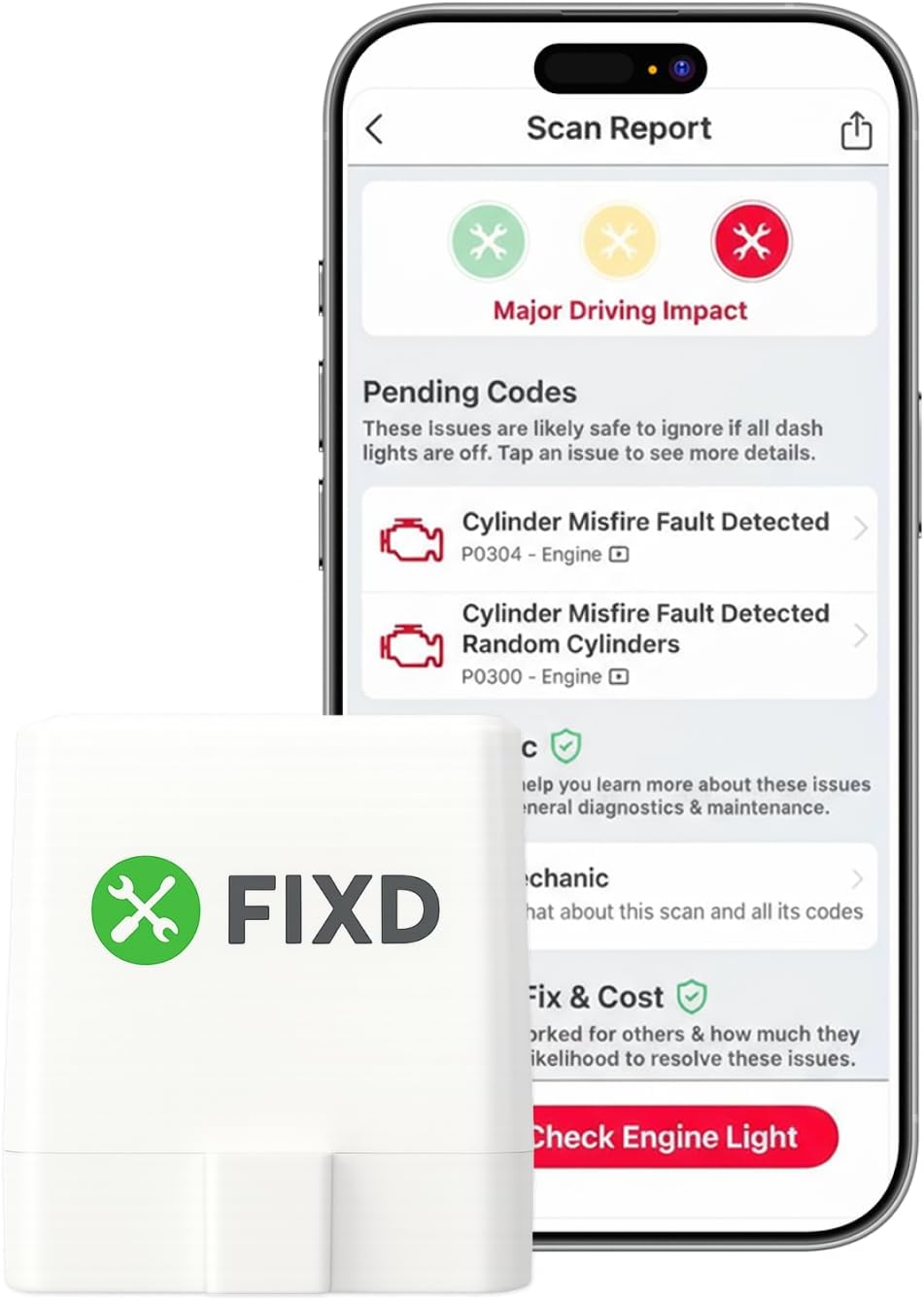
Best Bluetooth OBD2 Scanner
Detect 39,000+ Issues With Enhanced Codes. Save $1000s on car repairs & buying used vehicles by diagnosing problems yourself.
Shop on Amazon
Key Takeaways
- Mazda 3 transmission problems often manifest as cold shift shock, low-speed jerking, or delayed engagement—early signs that warrant immediate diagnosis through OBD-II scanning and fluid inspection.
- The SkyActiv-Drive automatic transmission relies on clean, high-quality fluid to maintain hydraulic pressure; degraded or contaminated fluid triggers stuck oil pressure switches (codes P0842, P0847) and erratic shifting.
- TCM relearns, PCM software updates, and routine fluid changes every 30,000–40,000 miles using Mazda FZ ATF prevent 90% of non-catastrophic transmission issues and extend drivetrain longevity.
- Diagnostic trouble codes like P0730 (Incorrect Gear Ratio) or P0847 demand prompt dealer attention, as clearing codes without addressing root causes guarantees rapid recurrence of warning lights.
- Gentle warm-up driving, smooth throttle inputs, and avoiding brake-torquing protect Mazda 3 transmission health and allow the SkyActiv-Drive to reliably exceed 150,000 miles without major repairs.
Types of Mazda 3 Transmission Systems
Manual Versus Automatic Transmissions
Mazda 3 lineups offer both conventional six-speed manual gearboxes and automatic transmissions. Manual transmissions remain simpler mechanically, relying on clutch packs and driver input, which makes them less prone to complex electronic faults. Automatic variants, especially the SkyActiv-Drive, use sophisticated hydraulic controls, solenoids, and valve bodies managed by the Transmission Control Module. When automatic transmissions fail, symptoms often include erratic shift timing, harsh engagement, or dashboard warning lights you’ll never see in a manual setup.
Evolution Across Generations
First-generation Mazda 3 models (2004–2009) paired four-speed or five-speed automatics with older fluid formulations and simpler TCM logic. Second-generation cars (2010–2013) introduced early SkyActiv thinking but still used conventional automatics. Third-generation vehicles (2014–2018) and fourth-generation models (2019–present) feature the refined 6-speed SkyActiv-Drive, which prioritizes fuel economy and responsive shifts. As Mazda’s engineering evolved, electronic integration deepened, making software calibration and fluid health more critical than ever.
Skyactiv-Drive Innovations
SkyActiv-Drive automatics employ a torque-converter design with lock-up clutches that engage earlier than traditional automatics, mimicking manual-transmission efficiency. This architecture reduces slippage and improves MPG but demands clean, high-quality transmission fluid to keep hydraulic pressures stable.
When fluid degrades or oil pressure switches malfunction, the TCM compensates by adjusting shift points, which can produce jerking, cold shift shock, or sluggish acceleration. Understanding this design helps you see why fluid contamination and sensor faults create dramatic driveability issues.
Most Notable Transmission Problems and Warning Signs
Early Symptoms of Transmission Issues
You’ll likely feel transmission trouble before you see a warning light. Low-speed jerking during parking-lot maneuvers, a violent thump when shifting from 2nd to 3rd gear while cold, and delayed engagement moving from Reverse into Drive are classic early signs.
You might also notice high engine revs without matching acceleration, a symptom called “slipping”, or feel the transmission hunting between gears on gentle highway inclines. These sensations mean hydraulic pressure, solenoid response, or TCM adaptive memory is drifting out of spec.
“My 2016 Mazda 3 jerks hard between 2nd and 3rd when it’s cold outside. After ten minutes of driving, it smooths out, but that first shift feels like someone rear-ended me.” via r/mazda3
Common Problem Patterns by Model Year
2014–2016 models frequently report cold shift shock and low-speed lurching tied to early SkyActiv-Drive calibration. Mazda issued PCM software updates addressing shift logic, yet many owners never received the flash if they skipped dealer visits. 2017–2018 units show fewer harsh-shift complaints but still struggle with stuck oil pressure switches (P0842, P0847) caused by metallic debris in aged fluid.
Fourth-generation cars (2019+) benefit from refined TCM algorithms, though neglected fluid changes still trigger erratic behavior. Tracking your model year helps narrow down whether you need a software update, a sensor swap, or a full fluid service.
Interpreting Diagnostic Trouble Codes
When the Check Engine Light or Automatic Transaxle Warning illuminates, scan for DTCs immediately. P0842 indicates Transmission Fluid Pressure Sensor/Switch A Circuit Low, often caused by a stuck-on oil pressure switch. P0847 points to Transmission Fluid Pressure Sensor/Switch B Circuit Low, another pressure-switch fault.
Both codes mean the TCM can’t verify hydraulic pressure, forcing it into limp mode or erratic shift schedules. P0730 signals Incorrect Gear Ratio, hinting at internal clutch slip or worn bands. Clearing codes without addressing root causes, contaminated fluid, faulty switches, or outdated software, guarantees the light will return within days.
Root Causes and Typical Repairs
Transmission Control Module (TCM) Failures
The TCM stores adaptive shift memory, learning your throttle habits and adjusting clutch engagement timing. Over time, corrupt memory or outdated firmware causes hesitation, flare shifts, or harsh downshifts. Performing a manual transmission relearn procedure clears adaptive tables: disconnect the negative battery terminal for 30 minutes, reconnect, then drive through varied speeds and load conditions for about 20 miles.
This resets shift points and often eliminates minor quirks. If symptoms persist, your dealer can flash updated PCM/TCM software, Mazda released multiple calibration updates between 2015 and 2020 addressing cold-start shift shock.
Fluid Leaks and Overheating
Transmission fluid serves as both lubricant and hydraulic medium. Leaks around the pan gasket, cooler lines, or axle seals drop fluid levels, starving the pump and causing slippage or delayed engagement. Overheating, common in stop-and-go traffic or towing, breaks down fluid additives, turning bright-red ATF into dark brown sludge that clogs valve-body passages and pressure switches.
You can check fluid condition with the dipstick (if equipped) or by loosening the fill plug: fluid should be translucent red and smell slightly sweet. Dark, burnt-smelling fluid demands an immediate drain-and-fill using Mazda FZ ATF or equivalent. Neglecting fluid changes accelerates clutch wear and turns a $200 service into a $3,000 rebuild.

Internal Component Wear
Severe slipping, grinding noises, or complete loss of forward gears signal internal damage, worn clutch packs, scored valve bodies, or broken planetary gears. These failures stem from prolonged operation on degraded fluid, aggressive driving habits, or manufacturing defects.
Diagnosing internal wear requires a tear-down inspection: many shops recommend replacement over rebuild because labor costs approach the price of a remanufactured unit. If your Mazda exhibits violent shuddering under load or refuses to engage any gear, budget for a full transmission replacement and ask your mechanic about warranty coverage on the replacement unit.
Prevention, Maintenance, and Longevity Tips
Routine Service and Fluid Checks
Mazda’s official maintenance schedule calls for inspecting transmission fluid every 30,000 miles and replacing it under “severe” conditions, frequent short trips, trailer towing, or extreme temperatures. Real-world experience suggests a drain-and-fill every 30,000–40,000 miles preserves SkyActiv-Drive reliability.
Use only Mazda FZ ATF or a fully compatible substitute: generic fluids lack friction modifiers tailored to lock-up clutch behavior. Inspect cooler lines and pan bolts for seepage during oil changes, and keep an eye on fluid color. Proactive fluid service prevents 90% of non-catastrophic transmission complaints.
Responding to Trouble Codes Quickly
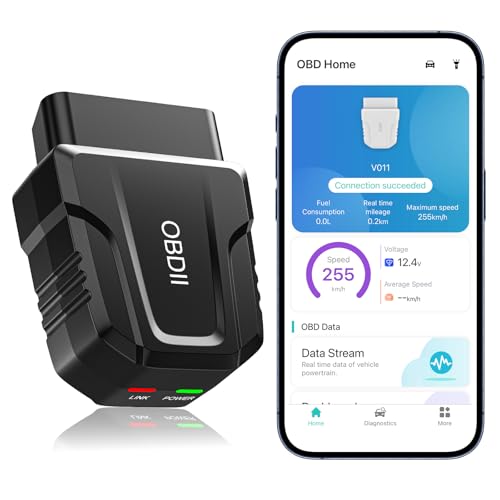
Don’t ignore a flashing Check Engine Light or transaxle warning. Scan codes with an OBD-II scanner within 24 hours and record the numbers. Research each DTC on Mazda forums or the NHTSA database to see if a Technical Service Bulletin (TSB) applies. Schedule a dealer visit if you find a relevant TSB: many software flashes and switch replacements fall under extended powertrain warranties. Acting fast prevents limp-mode episodes that strand you in traffic and compound wear.
Adapting Driving Habits for Transmission Health
Gentle throttle inputs during warm-up reduce cold shift shock: let the engine idle for 30 seconds before driving, then keep speeds below 30 mph for the first mile. Avoid “brake-torquing”, holding the brake while revving, which spikes hydraulic pressure and stresses clutch packs.
On highway merges, apply smooth, progressive throttle rather than sudden full-throttle kicks that force abrupt downshifts. These habits extend clutch life, keep fluid temperatures moderate, and give the TCM stable data for adaptive learning. Pair mindful driving with regular fluid changes, and your SkyActiv-Drive automatic can easily exceed 150,000 miles without major repairs.
Frequently Asked Questions
What are the most common Mazda 3 transmission problems?
Common Mazda 3 transmission problems include cold shift shock, low-speed jerking, delayed engagement from Reverse to Drive, and stuck oil pressure switches (DTCs P0842/P0847). Fluid contamination, TCM memory corruption, and software glitches in the SkyActiv-Drive automatic can cause erratic shifting and harsh gear changes.
Why does my Mazda 3 jerk when shifting in cold weather?
Cold shift shock occurs when hydraulic pressures and TCM adaptive memory drift out of spec during warm-up. The SkyActiv-Drive transmission demands clean, high-quality fluid to maintain stable pressures. Mazda released software updates addressing this issue in 2015–2020 models; a TCM relearn or PCM flash may resolve the problem.
How often should I change my Mazda 3 transmission fluid?
Mazda recommends inspecting transmission fluid every 30,000 miles and replacing it under severe conditions (short trips, towing, extreme temperatures). Real-world experience suggests a drain-and-fill every 30,000–40,000 miles preserves SkyActiv-Drive reliability. Always use Mazda FZ ATF or a fully compatible substitute.
What do transmission trouble codes P0842 and P0847 mean?
P0842 indicates Transmission Fluid Pressure Sensor/Switch A Circuit Low, while P0847 points to Pressure Sensor/Switch B Circuit Low. Both codes mean the TCM can’t verify hydraulic pressure, forcing it into limp mode or erratic shift schedules. Usually caused by stuck oil pressure switches or dirty, degraded transmission fluid.
Can a Mazda 3 transmission problem be fixed without replacement?
Yes, many transmission issues respond to fluid checks, drain-and-fill services, TCM relearns, pressure switch replacements, or PCM software updates. Only severe internal wear (grinding, complete loss of gears) requires full transmission replacement. Early diagnosis and proactive fluid maintenance prevent 90% of non-catastrophic failures.
What driving habits help prevent Mazda 3 transmission problems?
Gentle throttle inputs during warm-up, avoiding brake-torquing, smooth highway merges, and allowing 30 seconds idle time before driving reduce cold shift shock and clutch stress. These habits extend transmission life to 150,000+ miles when paired with regular fluid changes every 30,000–40,000 miles.
Read More:
- Lexus Transmission Problems (Here’s the Warning Signs & Expert Fixes)
- Kia Transmission Problems (Here’s the Common Symptoms and Fixes)
- Mazda Transmission Problems (Here’s the Clear Symptoms & Quick Fixes)
- Nissan Transmission Problems (Here’s the Expert Diagnosis & Repair)
- Ford Transmission Problems (Symptoms, Recalls, and What to Do)
- Chevy Transmission Problems (How to Diagnose the Shudder, the Lock-Up)
- Car Transmission Problems (Guide for Automatic, CVT, and Hybrid)