
Your Toyota Corolla has earned a reputation for reliability, but that glowing amber dashboard icon can still catch you off guard. The check engine light signals potential issues ranging from simple maintenance oversights to serious mechanical failures that demand immediate attention.
When your Toyota Corolla check engine light illuminates, it means the onboard diagnostic system (OBD-II) has detected a malfunction in the emission control system, engine performance components, or transmission sensors, the light may glow solid for minor issues like a loose gas cap or flash rapidly during dangerous cylinder misfires that require you to pull over immediately and stop driving.
This guide walks you through everything Corolla owners need to diagnose, address, and reset that check engine light. You’ll learn which problems you can fix yourself and when professional help becomes necessary for your daily driver.
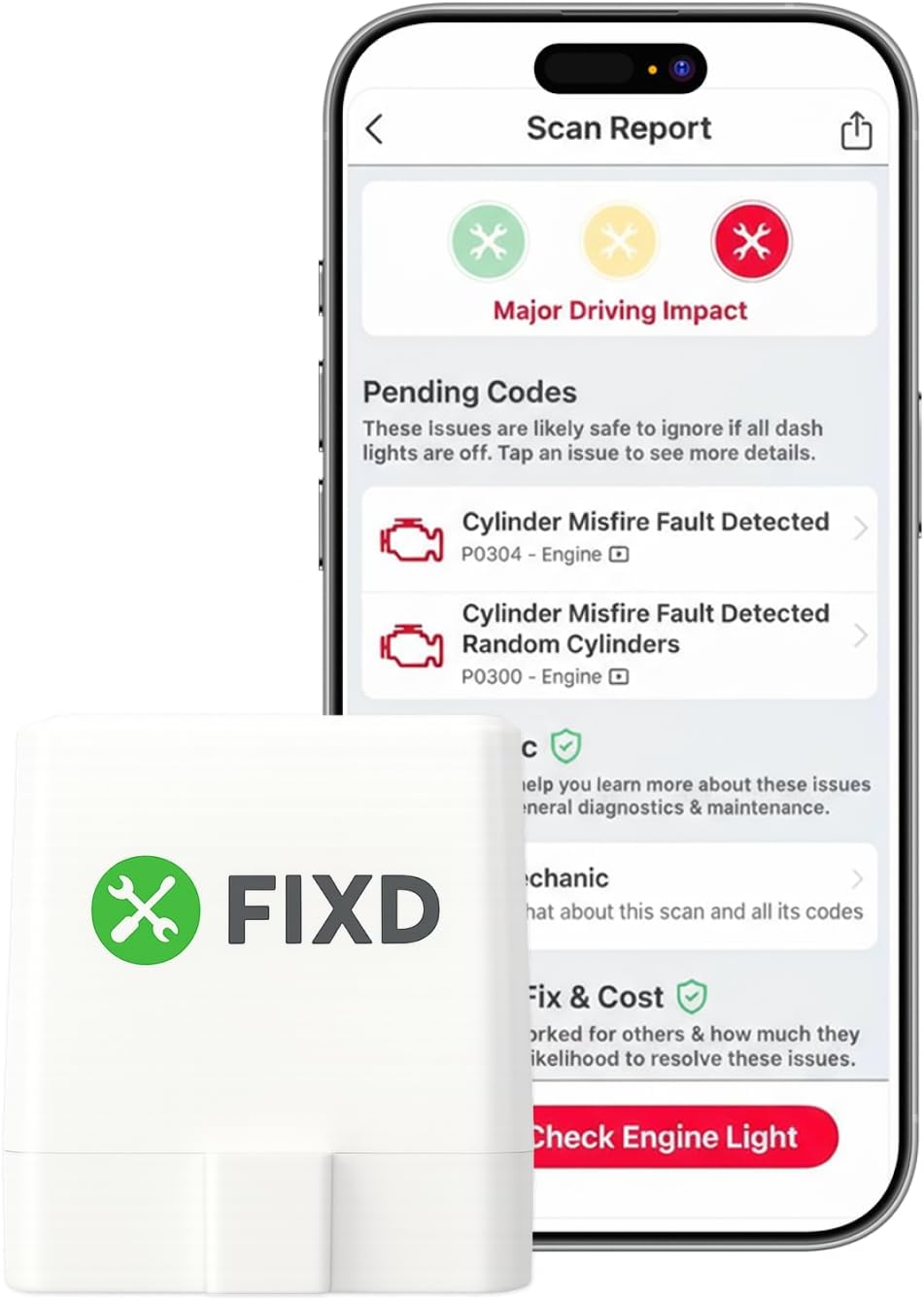
Best Bluetooth OBD2 Scanner
Detect 39,000+ Issues With Enhanced Codes. Save $1000s on car repairs & buying used vehicles by diagnosing problems yourself.
Shop on Amazon
Key Takeaways
- A Toyota Corolla check engine light can indicate minor issues like a loose gas cap or serious problems like catalytic converter failure—use an OBD-II scanner to retrieve diagnostic trouble codes and identify the exact problem.
- Flashing check engine lights demand immediate action as they signal active misfires that can damage your catalytic converter, while a solid amber light allows careful driving to a repair facility within a few days.
- Common check engine light causes include oxygen sensor failure ($60-$200 DIY), spark plug wear, loose gas caps, and mass airflow sensor problems—many of which you can repair yourself for a fraction of shop costs.
- Following Toyota’s maintenance schedule with spark plug replacements every 30,000-120,000 miles, regular air filter changes, and quality fuel prevents most check engine light issues before they occur.
- Don’t reset the check engine light without fixing the underlying problem, as ignoring issues like faulty oxygen sensors can lead to expensive catalytic converter damage costing $1,000-$2,500 at repair shops.
What Does the Check Engine Light Mean in Your Toyota Corolla?
Your Corolla’s check engine light serves as the primary warning system for engine and emission-related malfunctions. The onboard diagnostic computer constantly monitors dozens of sensors throughout the vehicle, checking fuel mixture, ignition timing, exhaust emissions, and transmission performance.
When the system detects values outside normal operating parameters, it logs a diagnostic trouble code (DTC) and triggers the dashboard warning. A solid amber light indicates a non-critical issue that needs attention soon. A flashing check engine light signals an active misfire or severe problem that can damage the catalytic converter if you continue driving.
You might also notice the VSC (Vehicle Stability Control) and traction control lights appearing alongside the check engine warning. This happens because Toyota’s safety systems share sensor data with the engine computer, when the engine control module detects a fault, it automatically disables traction and stability systems as a precaution.
The check engine light doesn’t tell you exactly what’s wrong. You need an OBD-II scanner to retrieve the specific trouble codes stored in your Corolla’s computer memory. These codes point you toward the failing component or system.
Most Common Reasons Your Corolla’s Check Engine Light Turns On
Loose or Faulty Gas Cap
A loose, cracked, or missing gas cap ranks as the single most common check engine light trigger in Toyota Corollas. Your fuel system operates as a sealed unit to prevent gasoline vapor from escaping into the atmosphere. When the cap doesn’t seal properly, the evaporative emission control system (EVAP) detects the pressure loss and logs codes P0440, P0441, or P0457.
You’ll typically see the light appear within a few drive cycles after refueling. Check that your gas cap clicks at least three times when you tighten it. Inspect the rubber seal for cracks or damage. A replacement cap costs under $15 and takes seconds to install. After securing the cap properly, the light should clear itself within three to five driving sessions.
Oxygen Sensor Failure
Oxygen sensors monitor exhaust gases before and after the catalytic converter, helping the engine computer maintain optimal fuel mixture. Corollas typically have two to four O2 sensors depending on the model year. These sensors degrade over time due to constant exposure to hot exhaust and can fail between 60,000 and 100,000 miles.
Failed oxygen sensors trigger codes P0130 through P0167 and cause poor fuel economy, rough idle, and reduced power. You might notice your Corolla hesitating during acceleration or consuming more gas than usual. Replacement requires proper tools and sensor socket wrenches, but many Corolla owners successfully replace these components as a DIY project.
Catalytic Converter Issues
The catalytic converter transforms harmful exhaust pollutants into less toxic emissions. When it fails or becomes clogged, you’ll see codes P0420 or P0430 indicating catalyst efficiency below threshold. This expensive repair often results from ignoring other maintenance issues, continued driving with faulty spark plugs or oxygen sensors damages the converter’s internal honeycomb structure.
Symptoms include sluggish acceleration, reduced fuel economy, and a sulfur or rotten egg smell from the exhaust. Catalytic converter replacement ranks among the costliest check engine light repairs. Some states require original equipment manufacturer (OEM) parts to pass emissions testing.
Mass Airflow Sensor Problems
The mass airflow (MAF) sensor measures incoming air volume so the computer can calculate proper fuel injection amounts. A dirty or failing MAF sensor causes codes P0171, P0174, P0101, or P0102, leading to rough idle, stalling, hesitation, and black exhaust smoke.
You can often restore MAF sensor function by cleaning it with specialized MAF sensor cleaner spray, never use carburetor cleaner or other solvents that damage the delicate sensing elements. Remove the sensor from the intake tube and spray the thin wire or film element with short bursts, allowing it to air dry completely before reinstallation.
Spark Plugs and Ignition Coil Malfunction
Worn spark plugs or failing ignition coils create cylinder misfires that trigger codes P0300 through P0308. You’ll feel the engine shaking, notice reduced power, and may see the check engine light flashing while driving. Misfires dump unburned fuel into the exhaust system, which can overheat and destroy the catalytic converter.
“My 2015 Corolla started shaking at idle and the check engine light came on flashing. Turned out to be a bad ignition coil on cylinder 3. Replaced all four coils and spark plugs for under $150 doing it myself.” via r/Toyota
Toyota recommends replacing spark plugs every 30,000 miles for conventional plugs or 120,000 miles for iridium plugs. Ignition coils typically last 80,000 to 100,000 miles but can fail earlier in high-mileage vehicles.
How to Diagnose Your Toyota Corolla Check Engine Light
Start by purchasing or borrowing an OBD-II scanner. The diagnostic port sits below the dashboard on the driver’s side, usually near the steering column. Plug in the scanner, turn the ignition to the ON position without starting the engine, and retrieve the stored codes.
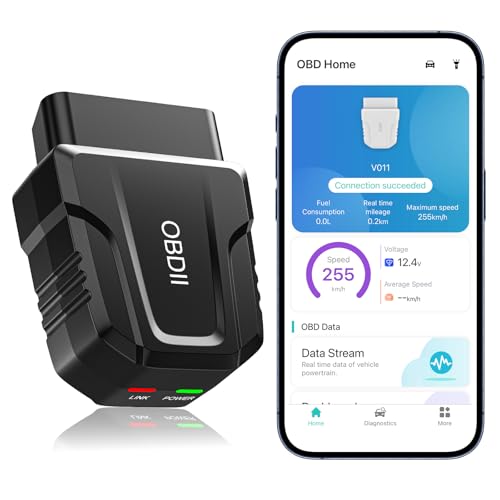
Write down all codes and their descriptions. Common Corolla codes include:
- P0171/P0174 – System too lean (vacuum leak, dirty MAF sensor, fuel pressure)
- P0300-P0304 – Cylinder misfire detected (spark plugs, ignition coils, fuel injectors)
- P0420/P0430 – Catalytic converter efficiency below threshold
- P0440-P0457 – EVAP system leak (gas cap, purge valve, canister)
- P0171 – Mass airflow sensor circuit malfunction
Cross-reference your codes with Toyota’s technical service bulletins to identify known issues for your model year. Online forums like Toyota Nation provide real-world troubleshooting experiences from other Corolla owners who’ve faced identical problems.
Many auto parts stores offer free code reading, but investing in your own scanner gives you the ability to monitor live sensor data and clear codes after repairs. Bluetooth OBD-II adapters pair with smartphone apps like Torque Pro, providing detailed diagnostics and performance monitoring for under $30.
Is It Safe to Drive Your Corolla with the Check Engine Light On?
A solid check engine light indicates you can continue driving carefully while arranging diagnosis and repair. Monitor your Corolla’s performance for unusual sounds, smells, or behavior. Schedule an inspection within a few days rather than ignoring the warning for weeks.
A flashing check engine light demands immediate action. Pull over safely and shut off the engine. Flashing indicates an active misfire that sends raw fuel into the exhaust system, creating temperatures hot enough to melt the catalytic converter’s internal structure. Towing your Corolla prevents expensive secondary damage.
Pay attention if multiple warning lights illuminate simultaneously. When the check engine, VSC, and traction control lights appear together, your Corolla’s computer has disabled stability systems due to detected engine faults. You can drive carefully to a repair facility, but traction control won’t function until you resolve the underlying issue.
“I drove my 2012 Corolla for two weeks with the check engine light on before getting it checked. Turned out to be a bad O2 sensor, but the delay also damaged my catalytic converter. What could have been a $200 repair cost me $1,400.” via r/MechanicAdvice
How to Reset the Check Engine Light on a Toyota Corolla
After completing repairs, you can clear the check engine light using your OBD-II scanner. Connect the scanner, navigate to the “Clear Codes” or “Erase Codes” function, and confirm the deletion. The check engine light should extinguish immediately when you start the engine.
You can also reset the light by disconnecting the negative battery cable for 15 minutes. This clears all stored codes and resets the engine computer to factory defaults. But, this method also erases radio presets, clock settings, and learned idle adaptation values.
Don’t reset the check engine light without first identifying and fixing the underlying problem. The light will simply return once the diagnostic system completes its monitoring cycles and detects the same fault. Some emission-related codes require multiple drive cycles under specific conditions before the monitor sets to “ready” status.
If the check engine light returns immediately after clearing, you haven’t resolved the problem. Persistent codes indicate active malfunctions that need proper diagnosis and repair. Clearing codes repeatedly without fixing the issue will eventually cause emission test failures and potential engine damage.
Repair Costs: What to Expect When Fixing Check Engine Light Issues
Repair costs vary dramatically based on the underlying problem. Here’s what typical Corolla check engine light repairs run:
| Issue | DIY Cost | Shop Cost |
|---|---|---|
| Gas cap replacement | $10-$20 | $15-$30 |
| Spark plug replacement | $30-$60 | $120-$180 |
| Ignition coil replacement | $40-$150 | $200-$400 |
| Mass airflow sensor | $50-$150 | $180-$350 |
| Oxygen sensor | $60-$200 | $200-$450 |
| Catalytic converter | $400-$1,200 | $1,000-$2,500 |
| EVAP purge valve | $35-$80 | $150-$300 |
Diagnostic fees typically run $80 to $150 at independent shops or dealerships if you don’t have your own scanner. Many shops waive the diagnostic charge if you proceed with recommended repairs.
Labor rates significantly impact final costs. Independent mechanics charge $80-$120 per hour, while Toyota dealerships command $120-$180 per hour. Some repairs like gas caps or air filters take minutes, while catalytic converter replacement requires several hours of labor.
Consider DIY repairs for straightforward components like spark plugs, ignition coils, or oxygen sensors. YouTube tutorial videos specific to your Corolla generation walk you through each step. Reserve complex diagnostics involving fuel system pressure testing or electrical circuit analysis for professional technicians.
Preventing Future Check Engine Light Problems in Your Corolla
Follow Toyota’s recommended maintenance schedule to prevent most check engine light triggers. Replace spark plugs at specified intervals, conventional plugs every 30,000 miles, iridium plugs every 120,000 miles. Change engine oil every 5,000 miles using the correct viscosity specified in your owner’s manual.
Inspect and replace your engine air filter every 15,000 to 30,000 miles depending on driving conditions. A clogged air filter restricts airflow and causes the engine computer to adjust fuel mixture, potentially triggering lean or rich condition codes. Clean filters improve fuel economy and prevent MAF sensor contamination.
Use quality fuel from reputable stations. Low-quality gasoline with excessive ethanol content or contamination damages fuel injectors and oxygen sensors. Add fuel system cleaner every 3,000 to 5,000 miles to prevent carbon buildup on intake valves and injector nozzles.
Address warning lights promptly instead of procrastinating. Small issues like a failing oxygen sensor become expensive catalytic converter replacements when ignored. Schedule annual inspections that include scanning for pending codes not yet severe enough to illuminate the check engine light.
Keep an OBD-II scanner in your glove box for immediate diagnosis when warning lights appear. Modern wireless scanners connect to your smartphone and provide real-time monitoring, allowing you to track sensor performance and catch developing problems before they trigger warning lights.
Frequently Asked Questions
What does the check engine light mean on a Toyota Corolla?
The check engine light indicates the OBD-II diagnostic system detected a malfunction in emission control, engine performance, or transmission sensors. A solid light means non-critical issues needing attention; a flashing light signals active misfires requiring immediate pullover and professional help.
What is the most common reason for a Toyota Corolla check engine light?
A loose, cracked, or missing gas cap is the single most common trigger. The fuel system requires a proper seal to prevent vapor escape. Check that your cap clicks three times when tightened. If that’s the issue, the light should clear within three to five driving sessions.
How do I diagnose what’s causing my Corolla’s check engine light?
Use an OBD-II scanner plugged into the diagnostic port below the driver’s side dashboard. The scanner retrieves diagnostic trouble codes (DTC) that identify the failing component. Many auto parts stores offer free code reading, or purchase a Bluetooth scanner for under $30.
Is it safe to drive a Toyota Corolla with the check engine light on?
A solid check engine light allows careful driving while arranging repairs within a few days. A flashing light indicates active misfires that can destroy the catalytic converter—pull over immediately and tow the vehicle to prevent costly secondary damage.
How much does it cost to fix a Toyota Corolla check engine light issue?
Costs range from $10–$20 for a gas cap replacement to $1,000–$2,500 for catalytic converter repairs. Diagnostic fees run $80–$150. DIY repairs for spark plugs or sensors save labor costs, while complex repairs require professional technicians at dealerships or independent shops.
Can I reset the check engine light myself without repair?
Yes, using an OBD-II scanner or disconnecting the negative battery cable for 15 minutes will clear the light. However, resetting without fixing the underlying problem causes the light to return. Address the root cause first—ignoring faults damages components and causes emission test failures.
Read More:
- Toyota Check Engine Light Reset (Here’s How to Perform It)
- Toyota Prius Check Engine Light (Means, Causes and Quick Fix Guide)
- Toyota RAV4 Check Engine Light (Complete Diagnostic Guide)