
You didn’t buy a Toyota Highlander expecting drivetrain drama. You chose it for bulletproof family transport, school runs, and grocery hauls without second-guessing reliability.
Yet a specific batch of 2017–2022 V6 Highlanders equipped with Aisin’s UA80E (FWD) and UA80F (AWD) 8-speed automatics are experiencing premature transmission failures, characterized by high-pitched whining noises under acceleration, harsh downshift jolts during rolling stops, erratic gear hunting, and complete gear slippage where engine RPMs spike but the vehicle refuses to accelerate. These failures often trace back to a documented front carrier assembly pinion shaft defect outlined in Technical Service Bulletin T-SB-0008-21, prompting Toyota to issue Customer Support Program CSP ZJC warranty extensions on qualifying early serial numbers.
This guide will walk you through the critical warning signs, root causes, and actionable repair pathways, including the myth-busting truth about “lifetime” transmission fluid, so you can protect your investment before facing an $8,000 replacement bill.
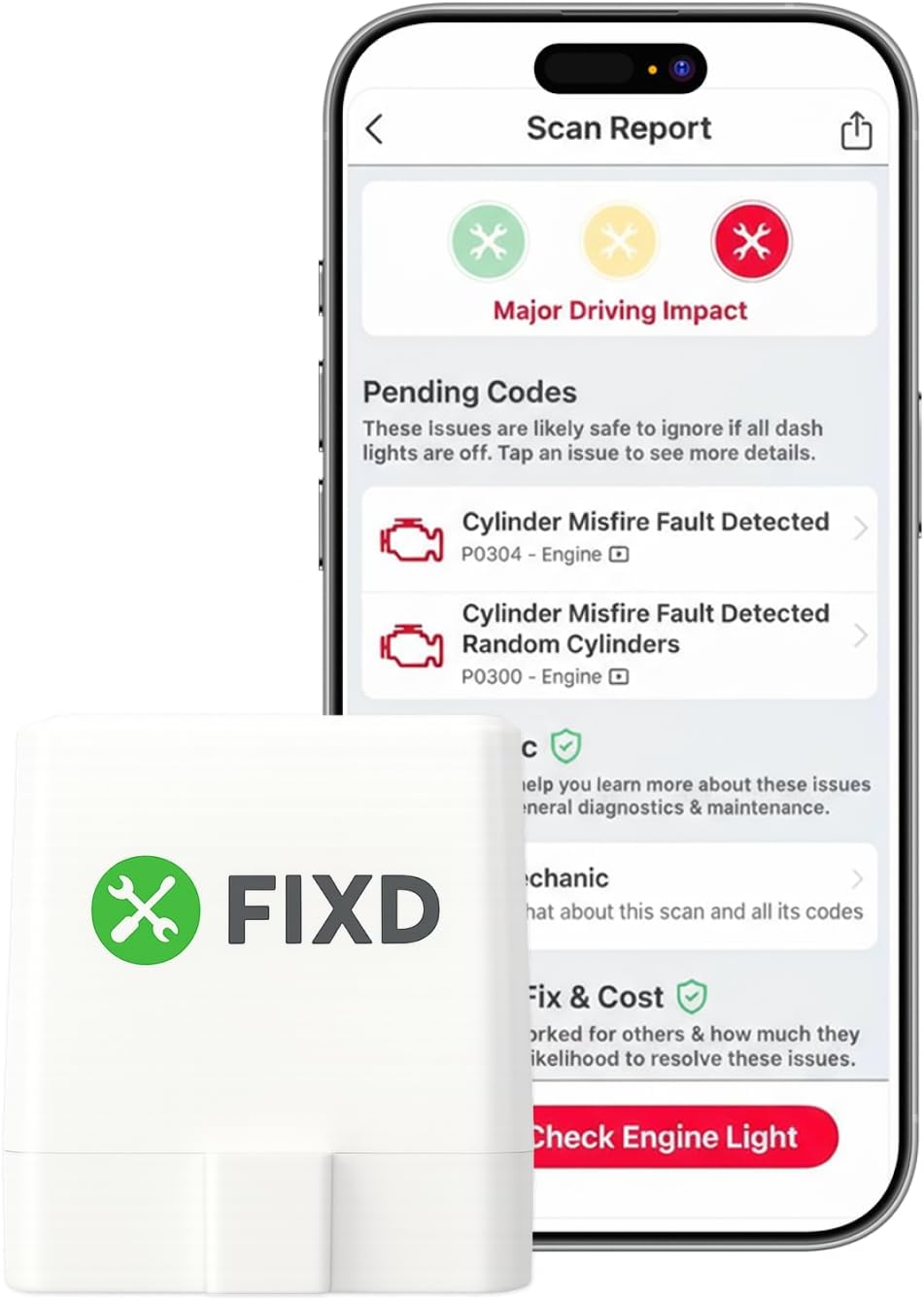
Best Bluetooth OBD2 Scanner
Detect 39,000+ Issues With Enhanced Codes. Save $1000s on car repairs & buying used vehicles by diagnosing problems yourself.
Shop on Amazon
Key Takeaways
- Toyota Highlander transmission problems primarily affect 2017–2022 V6 models with UA80E/UA80F 8-speed automatics, which experience premature failures traced to a documented front carrier assembly pinion shaft defect covered under Technical Service Bulletin T-SB-0008-21.
- Early warning signs of transmission failure include high-pitched whining during acceleration, harsh downshift jolts, gear slippage (engine revving without acceleration), and delayed engagement—ignoring these can escalate a $2,000 repair into an $8,000 replacement.
- Toyota’s “lifetime” transmission fluid claim is a myth; draining and refilling with genuine ATF-WS every 60,000 miles for $250–$300 prevents clutch degradation and is the single best insurance policy against catastrophic failure.
- Qualifying 2017–2022 Highlanders may be eligible for Toyota’s Customer Support Program CSP ZJC warranty extension covering 10 years, though coverage windows are narrow and some owners have secured partial reimbursements only by aggressively documenting maintenance and escalating claims.
- Repair costs range from $4,500–$6,000 for independent rebuilds to $7,000–$8,500 for dealership replacements, while preventive maintenance (fluid changes, software updates, solenoid replacement) caught early can extend transmission life for under $1,000.
- Hybrid Highlanders with eCVT systems consistently exceed 200,000 miles without drivetrain issues, making them a significantly more reliable alternative to V6 gas models for buyers concerned about transmission durability.
Critical Transmission Failures
UA80E and UA80F 8-Speed Transmission Issues
The heart of the problem centers on Aisin’s 8-speed Direct Shift automatic transmissions, specifically the UA80E (front-wheel drive) and UA80F (all-wheel drive) units installed in V6 gasoline Highlanders from model years 2017 through 2022. These gearboxes arrived with high expectations. Toyota marketed them as fuel-efficient alternatives to older 6-speed planetary designs, promising smoother shifts and better highway mileage.
But real-world durability told a different story. Owners began reporting a distinctive high-pitched whine that mimics a jet engine spooling up during acceleration. This isn’t a belt squeal or exhaust resonance, it’s the transmission’s internal front carrier assembly announcing its impending failure. The noise tracks with engine RPM, intensifying under load, and it’s often the first red flag that internal components are wearing prematurely.
Technical Service Bulletin T-SB-0008-21 formally acknowledges the front carrier assembly pinion shaft defect, confirming that certain production batches shipped with hardness inconsistencies in critical bearing surfaces. When these surfaces wear unevenly, metal particles contaminate the fluid, accelerating damage to clutch packs and valve bodies. Toyota’s Customer Support Program CSP ZJC extended warranties to 10 years on qualifying VINs, but many owners discover the problem after their coverage window closes.
Contrast this with Highlander Hybrids. Their eCVT planetary systems, essentially bulletproof electromechanical power-split devices with no traditional clutch packs or hydraulic shift logic, routinely sail past 200,000 miles with zero drivetrain intervention. The hybrid’s longevity highlights just how unusual the 8-speed’s fragility is within Toyota’s lineup.
Complete Transmission Failure and High Repair Costs
When the UA80 unit fails completely, you’ll know. The vehicle may refuse to move in Drive, display a flashing check engine light, or throw diagnostic trouble codes like P0868 (transmission fluid pressure low) or P0730 (incorrect gear ratio). At this stage, the transmission requires either a complete rebuild or factory replacement.
Dealership quotes for a new or remanufactured transmission typically range from $7,000 to $8,500, including labor. Independent shops may offer rebuild services for $4,500 to $6,000, but availability of experienced technicians familiar with the UA80’s unique clutch-to-clutch architecture varies widely. These aren’t simple planetary gear sets that any transmission shop can crack open, they demand specialized tooling and calibration software.
Many owners report their transmissions failing between 60,000 and 90,000 miles, well before the lifespan you’d expect from a Toyota product. The financial shock is compounded by the fact that most assumed their Highlander would mirror the legendary durability of Camrys and 4Runners. Instead, they’re facing repair bills that rival buying a reliable used car.
What makes this especially frustrating is the narrow window of goodwill assistance. If you’re outside the CSP ZJC coverage or your VIN doesn’t qualify, Toyota corporate typically declines participation unless you escalate aggressively with documented service records, multiple dealer visits, and persistent follow-up. Some owners have secured partial reimbursements by citing the TSB and demonstrating proactive maintenance, but outcomes vary.
Transmission Fluid Leaks and Side Cover Defects
Before catastrophic failure, many Highlanders develop external fluid leaks, often from the side cover gaskets or torque converter seals. You’ll spot dark red or brown puddles under the vehicle after it’s been parked overnight. Low fluid levels caused by leaks accelerate internal wear, starving clutch packs of hydraulic pressure and lubrication.
The UA80 design uses a thin stamped-aluminum side cover secured with multiple small bolts. Over time, thermal cycling causes the gasket material to compress and harden, creating seep points. If you catch a leak early and have the gasket replaced (typically a $300–$600 repair), you can prevent low-fluid damage. Ignore it, and you’ll burn up clutches within weeks.
Toyota’s “World Standard (WS)” ATF was marketed as “lifetime” fluid, implying no scheduled changes. That’s a dangerous myth. Heat, friction, and microscopic metal particles degrade the fluid’s friction-modifier additives and detergent packages. By 60,000 miles, lab analysis shows measurable breakdown in viscosity and additive depletion.
A simple drain-and-fill service every 60,000 miles, using genuine Toyota ATF-WS, can extend transmission life by tens of thousands of miles and costs around $200 to $300. It’s the single best insurance policy against an $8,000 disaster.
Transmission Symptoms Explained
Slipping Gears and Delayed Engagement
Gear slippage manifests as a sudden disconnect between engine speed and vehicle acceleration. You press the throttle, the tachometer climbs to 3,000 or 4,000 RPM, but the Highlander hesitates or barely moves. It feels like the engine is revving in neutral. This happens when clutch packs lose their ability to hold friction, either from burnt material, low hydraulic pressure, or contaminated fluid.
Delayed engagement is equally unsettling. You shift from Park into Drive, and there’s a 2- to 3-second lag before the transmission clunks into gear. Or you’re rolling to a stop, and the downshift from third to first gear comes with a harsh jolt instead of a smooth transition. These symptoms indicate the valve body is struggling to manage hydraulic pressure, often due to stuck solenoids or worn seals.
One real-world example comes from a Toyota Nation forum user who wrote:
“My 2018 Highlander started bucking at low speeds around 65k miles. Dealer said ‘adaptive learning’ and reset the TCM. Two weeks later, same thing. Turned out the front carrier was disintegrating.” via ToyotaNation forums
If you’re experiencing slippage or delayed engagement, don’t wait. Pull the dipstick (if accessible) or have a shop check fluid level and condition. Dark, burnt-smelling fluid with metallic flakes is a smoking gun for internal damage.
Rough Shifting and Unusual Noises
Rough shifting in the UA80 often presents as hard upshifts between second and third gear during moderate acceleration, or abrupt downshifts when you’re slowing for a traffic light. The transmission feels like it’s slamming gears rather than blending them smoothly. This typically points to pressure regulation solenoid malfunctions or worn clutch drum splines.
The high-pitched whine is the signature sound of UA80 distress. It’s not a growl or a clunk, it’s a pure, rising tone that tracks precisely with engine RPM. Some owners describe it as a “jet engine spool-up” or “electric motor whir.” It usually starts faint around 40–50 mph and becomes unmistakable under hard acceleration. That’s the front carrier assembly bearings crying for help.
Another common noise is a shudder or vibration during low-speed acceleration, especially in stop-and-go traffic. It feels like the vehicle is driving over rumble strips, even on smooth pavement. This is torque converter lockup clutch chatter, often caused by degraded fluid or worn friction material.
Clutch Wear and Shudder
The UA80’s clutch-to-clutch design means every gear change involves releasing one multi-plate clutch pack while engaging another. Unlike a traditional planetary automatic with bands and one-way clutches, there’s no mechanical backup if hydraulic pressure drops. When clutch material wears down, the friction surfaces lose their bite, causing slippage and heat buildup.
Shudder during light acceleration, especially when the transmission is cold, signals early clutch degradation. The torque converter’s lockup clutch, which mechanically couples the engine to the transmission for fuel economy, relies on precise friction modulation. Contaminated or aged fluid disrupts that modulation, creating the vibration you feel through the accelerator pedal and steering wheel.
A drain-and-fill with fresh ATF-WS can sometimes reduce or eliminate shudder if caught early. But if the clutch material has already glazed or delaminated, you’re looking at internal repairs. This is why the 60,000-mile fluid change interval is critical, it prevents the conditions that cause clutch wear in the first place.
Warning Lights and Advanced Signs
When the check engine light illuminates alongside transmission symptoms, scan for codes immediately. Common trouble codes include:
- P0730: Incorrect gear ratio (general)
- P0868: Transmission fluid pressure low
- P0741: Torque converter clutch circuit performance
- P2757: Torque converter clutch pressure control solenoid
These codes indicate the transmission control module (TCM) has detected operating parameters outside normal ranges. Sometimes a software reflash or solenoid replacement can resolve the issue. Other times, these codes are the final warning before total failure.
Another red flag: the transmission going into “limp mode,” where it locks into third gear and won’t shift. This is a fail-safe designed to prevent further damage and get you to a repair facility. If you’re in limp mode, stop driving the vehicle immediately. Continuing to operate it can turn a $2,000 repair into an $8,000 replacement.
Root Causes Explained
Design Flaws in UA80 and Related Models
The UA80 transmission family shares core architecture with other Aisin 8-speed units found in various Toyota and Lexus models. The design prioritizes packaging efficiency and fuel economy, using thin clutch packs and tight bearing tolerances to reduce parasitic drag. But those same tight tolerances leave little margin for error when materials degrade or manufacturing variances creep in.
TSB T-SB-0008-21 specifically calls out hardness inconsistencies in the front carrier assembly pinion shaft. During production, some batches didn’t receive proper heat treatment, leaving bearing surfaces softer than spec. Under normal operating loads, these surfaces wear rapidly, generating metal particles that circulate through the hydraulic system and embed in clutch material.
Another design vulnerability is the valve body’s reliance on multiple pressure-regulating solenoids. These solenoids use tiny wire coils and spring-loaded plungers to modulate hydraulic pressure for each clutch pack. Contaminated fluid can cause plungers to stick, leading to erratic shift timing and pressure spikes that damage seals.
Transmission Fluid Maintenance and Leaks
Toyota’s “lifetime” fluid claim has done more harm than good. While ATF-WS is a high-quality synthetic formulation, it’s not immune to thermal breakdown, oxidation, or contamination. In real-world driving, especially in hot climates, with heavy loads, or in stop-and-go traffic, fluid temperatures regularly exceed 200°F, accelerating chemical degradation.
By 60,000 miles, the fluid’s friction modifiers have depleted significantly. Lab testing shows viscosity shifts and increased varnish formation, both of which interfere with clutch engagement and hydraulic control. A drain-and-fill service replaces roughly 4 to 5 quarts of the system’s 9-quart capacity, refreshing enough fluid to restore performance without the complexity of a full flush.
External leaks compound the problem. A slow seep from a side cover gasket can drop fluid levels below the “add” mark within weeks, starving the pump and creating air pockets in the hydraulic circuit. Low fluid causes clutch slip, overheating, and accelerated wear, all preventable with a $20 gasket and an hour of labor.
For DIY-savvy owners, checking transmission fluid on the UA80 requires accessing the fill plug on the side of the case, there’s no traditional dipstick. Fluid should be cherry-red and translucent. If it’s dark brown or smells burnt, schedule a fluid service immediately.
Software and Calibration Issues
Not every rough shift or delayed engagement stems from hardware failure. Toyota has issued multiple TCM software updates to address shift quality complaints, particularly for early 2017–2018 models. These calibration updates adjust shift points, pressure curves, and torque converter lockup strategies to reduce harshness and improve drivability.
If you’re experiencing symptoms, ask your dealer to check for available TCM updates before authorizing expensive repairs. A reflash takes 30 minutes and is often covered under warranty or goodwill. Some owners report night-and-day improvements in shift quality after a software update, especially if the transmission hardware is still healthy.
But, software can’t fix mechanical wear. If your Highlander has high miles, contaminated fluid, or documented leaks, a TCM update alone won’t solve the problem. Address the root cause first, then apply software refinements.
Bulletins and Next Steps
TSBs, Recalls, and Common Years Affected
Technical Service Bulletin T-SB-0008-21 is your most important reference when dealing with UA80 transmission issues. It documents the front carrier assembly defect and outlines inspection procedures for Toyota technicians. If your Highlander falls within the affected VIN range, this TSB serves as formal acknowledgment of a known defect, strengthening your case for goodwill repairs or CSP ZJC warranty coverage.
Customer Support Program CSP ZJC extends warranty coverage to 10 years from the original in-service date for qualifying vehicles. Not all Highlanders are covered, eligibility depends on production date and serial number ranges. Contact your local Toyota dealer with your VIN to check status. If you’re covered and experiencing symptoms, the repair should be performed at no charge.
The most commonly affected model years are 2017 through 2019, with scattered reports extending into 2020 and 2021. The 2017 models saw the highest failure rates, likely due to early production teething issues. By 2020, Toyota had implemented running changes to improve durability, but the fundamental design remained unchanged.
Another Highlander owner shared their experience on the CarComplaints database:
“Transmission failed at 72k miles. Dealer quoted $8,200 for replacement. I pushed back with the TSB, and they agreed to cover 50% under goodwill. Still cost me $4,100.” via CarComplaints
This underscores the importance of documentation and persistence when seeking assistance outside formal warranty windows.
Repair and Replacement Options
When facing a transmission repair decision, you have several paths:
Dealership Replacement: Factory-new or remanufactured Toyota transmission with full warranty, installed by certified technicians. Highest cost ($7,000–$8,500) but maximum peace of mind.
Independent Rebuild: Experienced transmission shop disassembles, inspects, and rebuilds your existing unit with updated components. Costs $4,500–$6,000. Quality depends heavily on shop expertise.
Salvage/Used Transmission: Lower-mileage unit from a wrecked vehicle, installed with limited warranty. Costs $3,000–$5,000. Risk of inheriting another unit with the same defects.
Preventive Maintenance: If symptoms are mild and caught early, a fluid change, software update, and solenoid replacement can extend life significantly for under $1,000.
For owners within CSP ZJC coverage or with successful goodwill claims, the dealership route is the obvious choice. For those paying out of pocket, independent rebuilds offer the best value, provided you vet the shop thoroughly. Ask for references, warranty terms, and whether they’ve worked on UA80 units before.
If you’re handy and want to monitor fluid condition yourself, consider a Mityvac Fluid Evacuator for extracting samples through the fill plug, or a quality transmission fluid test kit to check for metal contamination and viscosity breakdown.

Long-Term Outlook for 2021 Toyota Highlander Owners
If you own a 2021 Highlander, you’re likely operating a later-production unit with Toyota’s running improvements. Failure rates appear lower for 2021–2022 models compared to 2017–2019, but the fundamental UA80 design hasn’t changed. Your best defense is aggressive preventive maintenance.
Commit to a 60,000-mile drain-and-fill service using genuine Toyota ATF-WS. This single action dramatically reduces the risk of clutch degradation and valve body contamination. Budget $250–$300 every 60k miles, a fraction of replacement cost.
Monitor for early warning signs: faint whining noises, hesitation during low-speed shifts, or any fluid leaks. Address them immediately rather than waiting for catastrophic failure. A $500 repair at 70,000 miles beats an $8,000 replacement at 75,000.
Stay informed about TSB updates and warranty extensions. Toyota occasionally expands CSP coverage as more data accumulates. Register your vehicle on Toyota’s owners portal to receive recall and service campaign notifications.
For prospective buyers evaluating used Highlanders, prioritize Hybrid models if budget allows, their eCVT systems are essentially bulletproof. If you’re set on a V6 gas model, inspect service records for fluid changes, request a PPI with a focus on transmission condition, and test-drive specifically for the high-pitched whine and harsh downshifts. Walk away from any unit showing symptoms unless the seller discounts accordingly.
Frequently Asked Questions
What are the main symptoms of Toyota Highlander transmission problems in 2017–2022 models?
Common signs include high-pitched whining noises during acceleration, harsh downshift jolts at stops, gear slippage (engine RPM spikes without acceleration), delayed engagement, and rough shifting between gears. These indicate issues with the UA80E and UA80F 8-speed automatic transmissions.
Why is the Toyota Highlander UA80 transmission failing prematurely?
Technical Service Bulletin T-SB-0008-21 identifies a front carrier assembly pinion shaft defect caused by hardness inconsistencies in certain production batches. This leads to uneven wear, metal contamination, and damage to clutch packs and valve bodies, accelerating transmission failure.
How much does a Toyota Highlander transmission replacement cost?
Dealership replacement ranges from $7,000–$8,500 including labor. Independent rebuilds cost $4,500–$6,000, while salvage units run $3,000–$5,000. Many owners report failures between 60,000 and 90,000 miles, well before expected transmission lifespan.
Is Toyota’s ‘lifetime’ transmission fluid claim accurate for Highlanders?
No, this is a dangerous myth. ATF-WS fluid degrades significantly by 60,000 miles due to heat and friction. A drain-and-fill every 60,000 miles using genuine Toyota ATF-WS costs $200–$300 and is the best preventive measure against transmission failure.
What warranty coverage is available for Highlander transmission problems?
Customer Support Program CSP ZJC extended warranty to 10 years for qualifying early-serial 2017–2022 V6 Highlanders. Coverage depends on VIN and production date. Check with your Toyota dealer using your VIN to verify eligibility for potential goodwill repairs.
Can a transmission fluid change fix slipping gears or rough shifting?
Early symptoms like mild shudder or slight hesitation may improve with a fluid change and TCM software update. However, once clutch material has degraded or the front carrier is damaged, internal repair or replacement becomes necessary—fluid changes alone cannot restore mechanical wear.
Read More:
- Car Transmission Problems (Guide for Automatic, CVT, and Hybrid)
- Toyota Transmission Problems (What Every Owners Need to Know)
- Toyota CVT Transmission Problems (Warning, Signs & Solutions)
- Toyota 8 Speed Transmission Problems (Critical Symptoms & Fixes)
- Toyota Tacoma Transmission Problems (Symptoms & Fixes Guide)
- Toyota Corolla Transmission Problems (Here’s the Diagnostic Guide)