
You bought your Tacoma expecting legendary reliability. So that first jerk between gears or cold-start delay feels like betrayal.
Your Toyota Tacoma’s transmission problems stem from three main hardware culprits: degraded Toyota Genuine ATF WS fluid quality even though “lifetime fill” marketing claims, frozen torque converter clutch actuators triggering TSB-mandated full transmission swaps on early 8-speed units, and faulty shift solenoid pressure control actuators inside the valve body causing erratic gear hunting, delayed engagement, and sudden check-engine-light limp mode events, especially on 3rd Gen 6-speed AC60E/AC60F assemblies and the newly redesigned 4th Gen AL80E/AL80F 8-speed gearboxes.
Here’s what’s happening inside your transmission, how to spot early warning signs, and exactly what your next steps should be.
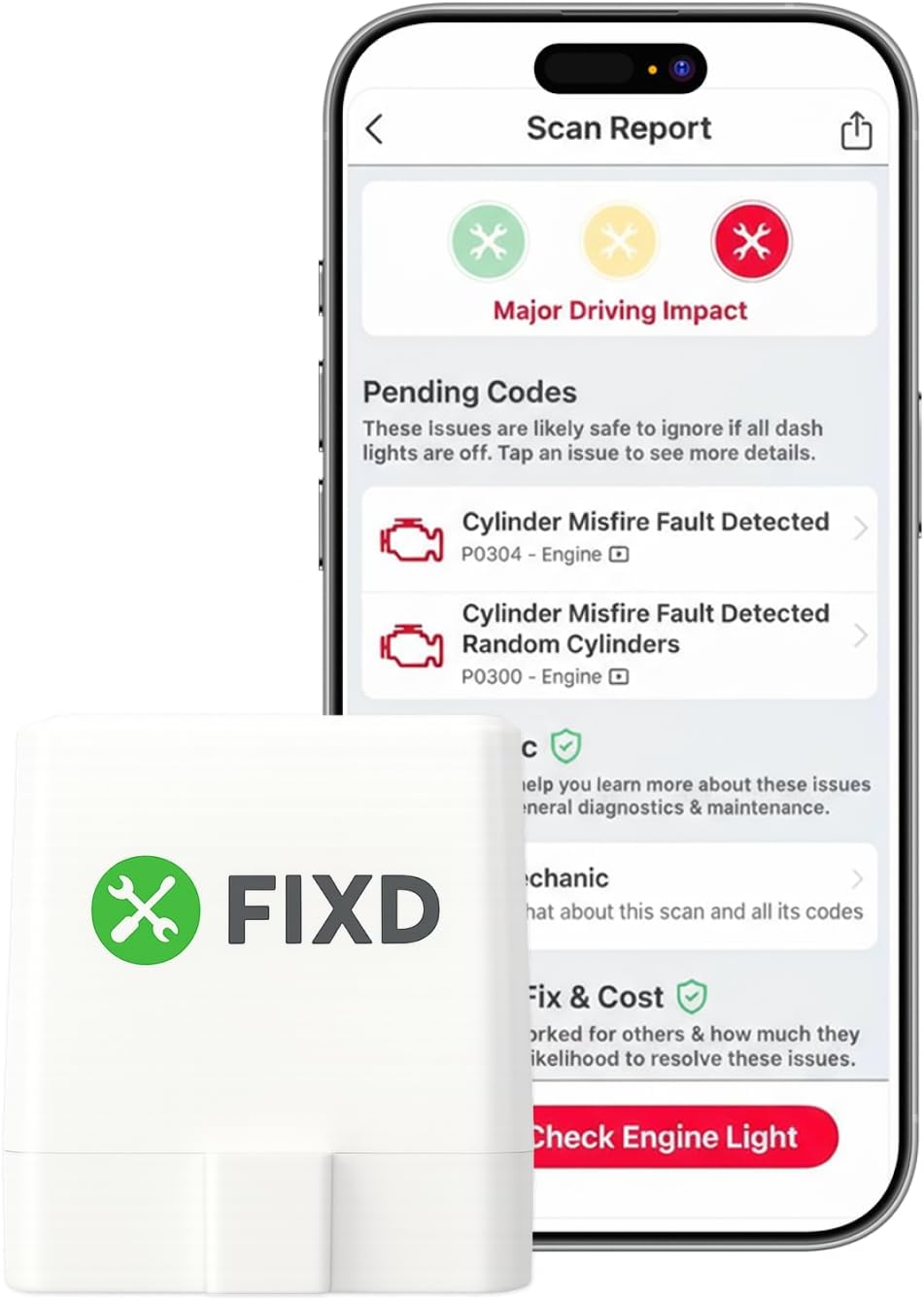
Best Bluetooth OBD2 Scanner
Detect 39,000+ Issues With Enhanced Codes. Save $1000s on car repairs & buying used vehicles by diagnosing problems yourself.
Shop on Amazon
Key Takeaways
- Toyota Tacoma transmission problems stem from three main hardware issues: degraded ATF WS fluid, frozen torque converter clutch actuators, and faulty shift solenoid pressure control actuators, with symptoms including delayed engagement, harsh shifting, and low-speed gear hunting.
- Early warning signs of transmission failure include delayed cold-start engagement, severe shuddering between 25-45 mph, and transmission slipping on acceleration, all of which require immediate diagnostic attention to prevent catastrophic damage.
- Toyota’s “lifetime fill” ATF claim is marketing fiction—drain and replace transmission fluid every 30,000 to 60,000 miles with genuine Toyota ATF WS to maintain proper line pressure and prevent premature clutch wear.
- Early 2024 Tacoma models with torque converter actuator freeze issues require complete transmission replacement under warranty; check your build date on the driver’s door jamb to determine if your truck is affected.
- Common diagnostic trouble codes like P0741 (torque converter performance), P0868 (transmission fluid pressure low), and P0731-P0736 (incorrect gear ratio) indicate specific faults requiring deeper diagnosis than code readers alone.
- Preventive maintenance including regular fluid checks, TCM software updates via Technical Service Bulletins, and proactive cooler inspection can prevent transmission failure and extend your Tacoma’s lifespan significantly.
Common Symptoms and Warning Signs
Recognizing Shifting Issues
Delayed engagement is usually your first red flag. You start the truck cold, shift into Drive, and nothing happens for two or three seconds. The engine just sits there idling while you wait. Then the transmission clunks hard into first gear like someone dropped a brick into the bellhousing. That’s a classic sign of low line pressure or a sticky shift solenoid inside the valve body.
Low-speed gear hunting between 1st and 3rd is another telltale symptom. You’re cruising at 20 mph through a neighborhood, maintaining light throttle, and the transmission can’t decide which gear it wants. It surges forward, drops back, surges again. The tachometer needle bounces like a metronome. This hunting behavior points directly to faulty torque converter lockup logic or worn clutch packs that can’t hold consistent clamping force.
Severe shuddering under light throttle acceleration, especially between 25 and 45 mph, indicates torque converter clutch chatter. The lockup clutch is trying to engage smoothly but can’t because of degraded friction material or contaminated ATF. You’ll feel it as a vibration through the floor and steering wheel, almost like driving over rumble strips. Many Tacoma owners initially mistake this for driveline issues or bad U-joints, but it’s purely transmission-related.
“2024 Tacoma starts fine but feels like it’s slipping or hesitating when I give it gas from a stop. Dealership says ‘working as designed’ but this isn’t normal.” via TacomaWorld Forum
Cold-start shudder that disappears after five minutes of driving suggests thickened ATF that can’t flow properly through narrow valve body passages until it warms up. Toyota’s WS fluid specification is designed for a wide temperature range, but contamination from clutch material wear or moisture ingress changes its viscosity profile dramatically.
Transmission Slipping and Loss of Power
Engine revs climb but your truck barely accelerates, that’s clutch pack slippage. Internal clutches are supposed to lock different gear sets together under hydraulic pressure. When clutch friction plates wear down to their backing metal or when seals leak pressure, those clutches can’t hold torque anymore. The engine spins freely while transmission output stays weak.
You’ll notice this most dramatically on highway on-ramps or when towing. You floor the throttle, the tachometer shoots up to 4,000 RPM, but your speedometer creeps upward lazily. There’s a disconnect between engine speed and wheel speed because slipping clutches are absorbing all that rotational energy as heat instead of transferring it to the driveshaft.
Sudden loss of reverse or specific forward gears indicates selective clutch pack failure. The AC60F 6-speed uses six different clutch packs, one fails, you lose that gear entirely. If 3rd gear suddenly vanishes and the transmission jumps from 2nd to 4th with a hard bump, the C2 clutch pack has likely burned out completely.
Flare-ups during upshifts, where RPM spikes briefly before the next gear catches, show marginal clutch holding capacity. The transmission releases one gear, engine speed jumps 300-500 RPM, then the next clutch clamps down and RPM drops back to normal. This indicates clutches are on the edge of complete failure. Continuing to drive with flare-ups rapidly accelerates damage because excessive heat glazes the remaining friction surfaces.
Dashboard Alerts and Diagnostic Trouble Codes
The check engine light paired with sudden limp mode is your transmission’s emergency shutdown. When the Transmission Control Module (TCM) detects a critical fault, like line pressure dropping below minimum thresholds or a solenoid completely stuck open, it immediately defaults the transmission to a safe mechanical gear (usually 3rd or 4th) and locks it there. You lose all normal shifting capability. Maximum speed drops to about 45 mph.
Common diagnostic trouble codes include P0868 (transmission fluid pressure low), P0731 through P0736 (incorrect gear ratio in gears 1-6), P0741 (torque converter clutch performance), and P2769 (torque converter clutch circuit low). These codes don’t tell you which physical component failed, they only report what the TCM’s sensors detected. You need deeper diagnosis to pinpoint the actual hardware fault.
Flashing overdrive indicator lights or transmission temperature warnings signal imminent thermal failure. Modern automatic transmissions operate safely up to about 220°F. Push past 260°F and you’re cooking seals, varnishing clutches, and breaking down the ATF molecular structure. If your temp gauge climbs into the red or you see any transmission overheat warning, pull over immediately and let everything cool down for at least 30 minutes.
“Got P0741 and P2769 codes on my 2017 Tacoma TRD Sport. Truck shifts fine when cold but shudders bad once warmed up. 62k miles.” via r/ToyotaTacoma
Intermittent codes that clear themselves after key cycles but keep coming back indicate borderline component failure. The solenoid or sensor works sometimes but fails under specific temperature or pressure conditions. These are the hardest faults to diagnose because they don’t happen during static shop tests.
Underlying Causes and Contributing Factors
Transmission Fluid Quality and Levels
Toyota’s “lifetime fill” marketing claim for ATF WS is engineering fiction under real-world truck use. The fluid does degrade. Towing, frequent stop-and-go traffic, dusty environments, and sustained highway speeds all accelerate ATF breakdown. By 60,000 miles, your transmission fluid has circulated through hot clutch packs and torque converter hundreds of thousands of times. It’s picked up microscopic metal particles, absorbed moisture from ambient humidity, and lost critical friction modifiers.
You can verify fluid condition with a simple visual test. Pull the transmission dipstick (or remove the fill plug on sealed units using a 24mm hex socket) and check color and smell. Fresh ATF WS is bright cherry red and nearly odorless. Degraded fluid turns dark brown or black and smells burnt, like overheated cooking oil. If you see metallic flakes floating in the fluid or a milky pink color (indicating coolant contamination from a failed internal ATF cooler), you’re looking at imminent transmission failure.
Low fluid levels cause every symptom described earlier: delayed engagement, slipping, harsh shifts, and overheating. The transmission pump can’t generate proper line pressure if it’s sucking air along with fluid. Check your driveway or parking spot for red puddles. Even small leaks from pan gaskets, cooler line fittings, or front pump seals will drop fluid levels enough to cause problems over time.
Stick to a strict 30,000 to 60,000-mile drain-and-fill interval. Not a flush, those create more problems by dislodging debris that then clogs narrow valve body passages. A simple drain-and-fill through the pan removes about 40% of total fluid capacity, which is enough to refresh contamination and restore proper lubrication. Use only genuine Toyota ATF WS fluid to maintain exact friction characteristics the TCM’s shift algorithms expect.

Role of the Torque Converter and Clutch Actuators
The torque converter multiplies engine torque during initial acceleration and locks up solid at cruising speeds for fuel efficiency. Inside sits a clutch pack controlled by hydraulic actuators. When those actuators freeze or fail, exactly what happened on early production 4th Gen 8-speed AL80E transmissions, the converter can’t lock properly. You get shuddering, slipping, or complete loss of torque transfer.
Technical Service Bulletin T-SB-0076-24 addresses this exact failure mode. Early 2024 Tacomas built between October 2023 and March 2024 received torque converter assemblies with actuators that would stick in the “off” position. The converter never locked up, fuel economy tanked, and transmission temperatures climbed dangerously high because all torque multiplication happened through fluid coupling instead of mechanical lockup. Toyota’s fix: complete transmission replacement under warranty.
Stuck solenoids inside the valve body create similar symptoms. Each shift solenoid is essentially a tiny electromagnetic valve controlling hydraulic pressure to specific clutch packs. When a solenoid coil shorts out or the valve plunger gets stuck by varnish buildup, that circuit loses proper pressure control. Result: harsh shifts, no shifts, or wrong gear engagement.
Pressure control solenoid failure generates codes like P0746 (pressure control solenoid A performance) or P0776 (pressure control solenoid B stuck off). These solenoids are buried deep inside the valve body.
Repair requires dropping the transmission pan, removing the valve body, disassembling it on a clean bench, and replacing individual solenoids, assuming you can even get the parts separately. Many shops just replace the entire valve body assembly because it’s faster and eliminates diagnosis uncertainty.
Transmission Control Module and Electronic Failures
The TCM is the transmission’s computer brain. It monitors input shaft speed, output shaft speed, turbine speed, line pressure, fluid temperature, throttle position, and about a dozen other sensor inputs. Based on all that data, it decides exactly when to command each shift solenoid to open or close. When the TCM itself fails, usually from water intrusion, voltage spikes, or internal circuit board cracks from vibration, you get completely erratic transmission behavior.
TCM location varies by generation. On 3rd Gen Tacomas, it’s mounted inside the transmission case, submerged in ATF. Heat cycling and vibration eventually crack solder joints on the circuit board. On 4th Gen models, Toyota relocated the TCM outside the transmission for better thermal management, but it’s still vulnerable to water intrusion if you’re deep wading through river crossings or pressure washing the undercarriage.
A TCM adaptive reset often fixes drivability issues that aren’t caused by actual hardware failure. The TCM learns your driving style over time and adjusts shift timing and pressure. If you bought a used Tacoma from someone who drove gently and you tow heavy loads, the TCM’s learned parameters won’t match your needs. The reset procedure is simple: disconnect the negative battery terminal, wait 15 minutes, reconnect, and drive through 20-30 gentle acceleration cycles so the TCM can relearn shift points from scratch.
Software calibration updates released through TSBs address shift quality complaints without hardware replacement. TSB T-SB-0094-24 specifically updates 6-speed AC60F shift logic to reduce cold-start delay and low-speed hunting. Your dealership can check your VIN against open TSB campaigns and flash updated TCM firmware in about 45 minutes. Always run this check before authorizing expensive transmission tear-downs.
Model-Specific Patterns in the Tacoma Lineup
2024 Toyota Tacoma and Recent Generational Changes
The 4th generation Tacoma arrived for 2024 with a completely redesigned AL80E/AL80F 8-speed automatic transmission, Toyota’s first 8-speed longitudinal gearbox designed in-house specifically for midsize trucks. Compared to the previous 6-speed, the 8-speed offers tighter ratio spacing for better acceleration feel, improved fuel economy, and theoretically smoother shifts. But early production units suffered catastrophic teething problems.
Build date matters critically. Tacomas assembled before April 2024 have significantly higher failure rates on torque converter actuator assemblies. If you’re shopping for a used 2024 model, check the build date sticker on the driver’s door jamb. Anything built after May 2024 received revised torque converter hardware that eliminates the stuck-actuator failure mode.
Dealerships were notified to inspect inventory and pre-emptively replace affected transmissions before customer delivery, but trucks sold in the first three months of production often slipped through.
The 8-speed’s additional gears create new failure points. More clutch packs, more solenoids, more hydraulic circuits, more opportunities for leaks, wear, and electronic faults. But, when everything works correctly, the 8-speed delivers noticeably better performance. The 6-speed’s wide ratio gaps between 1st and 2nd often caused harsh 1-2 shifts under hard acceleration. The 8-speed’s closer ratios eliminate that characteristic “bang” into second gear.
Compare transmission specifications:
| Feature | 3rd Gen AC60E/AC60F (6-Speed) | 4th Gen AL80E/AL80F (8-Speed) |
|---|---|---|
| Total Gear Ratios | 6 forward, 1 reverse | 8 forward, 1 reverse |
| 1st Gear Ratio | 3.538:1 | 4.596:1 |
| 6th/8th Gear Ratio | 0.672:1 | 0.636:1 |
| Torque Capacity | 295 lb-ft | 317 lb-ft |
| Fluid Capacity | 9.3 quarts | 11.2 quarts |
| Common Failure Modes | Torque converter shudder, solenoid sticking, delayed cold engagement | Actuator freeze, valve body solenoid shorts, TCM adaptive issues |
Technical Service Bulletins and Known Fault Codes
TSB T-SB-0076-24 (Torque Converter Clutch Actuator Replacement) remains the most critical bulletin for early 4th Gen owners. Symptoms include violent shuddering between 30-50 mph, delayed lockup, fuel economy dropping 3-4 mpg below EPA estimates, and eventual P0741/P0742 codes indicating torque converter performance faults. The only approved fix is complete transmission replacement, not a repair, not a component swap, full unit replacement under powertrain warranty.
TSB T-SB-0094-24 (Transmission Control Module Software Update) addresses 3rd Gen 6-speed shift quality complaints. If your 2016-2023 Tacoma exhibits excessive shift lag when cold, harsh 2-3 upshifts under light throttle, or inconsistent downshift response, this calibration update often resolves the issue completely. The updated software adjusts line pressure ramping rates and solenoid timing during specific temperature and load conditions.
The 4WD front driveshaft joint recall (affecting select 2024-2025 models) doesn’t involve the transmission directly but mimics transmission rollaway risks. A faulty front driveshaft center bearing can disengage unexpectedly, making the truck roll when parked in gear on an incline.
Many owners initially suspect transmission park pawl failure when their Tacoma creeps forward or backward on hills even though being in Park. Check NHTSA’s recall database using your VIN to see if your truck is affected.
P0741 (torque converter clutch circuit performance) appears most frequently on 2017-2019 6-speed models with 50,000+ miles. Root cause is usually degraded ATF breaking down the torque converter clutch friction material. A simple fluid drain-and-fill combined with a TCM reset solves about 60% of cases. The remaining 40% need actual torque converter replacement.
Transmission Failures Across Different Model Years
2016-2017 model years experienced early teething problems with the then-new AC60F 6-speed transmission. Common complaints included harsh downshifts from 6th to 3rd during highway deceleration, unexpected neutral conditions at stoplights (requiring a shift to Park and back to Drive), and cold-weather engagement delays exceeding five seconds. Toyota issued multiple calibration updates through 2018 that largely resolved these issues.
2020-2023 models represent the most refined iteration of the 6-speed platform. Most drivability bugs were engineered out, and failure rates dropped significantly. But, these trucks are now reaching 60,000-100,000 miles, where fluid degradation and normal wear start causing problems if owners skipped ATF service. If you’re shopping for a used Tacoma in this range, request service records proving transmission fluid was changed at least once.
Early 2024 models carry the highest transmission replacement risk due to the actuator freeze issue. Late 2024 and 2025 models with the revised hardware show dramatically improved reliability so far, though the platform is still too new to have meaningful long-term durability data. Current 8-speed owners should stay vigilant for TSB announcements and maintain aggressive fluid service schedules until the design fully matures.
Diagnostics, Solutions, and Preventive Maintenance
Identifying and Interpreting DTC Codes
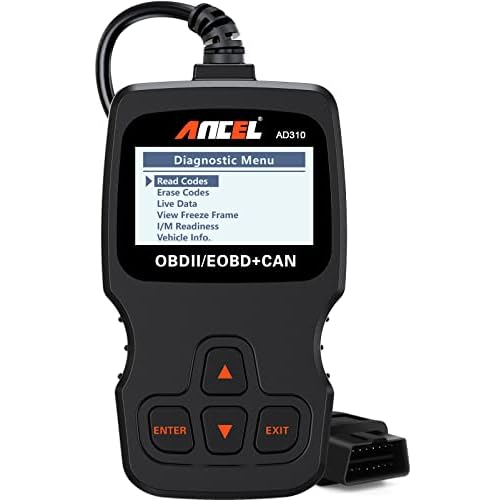
You don’t need a $5,000 professional scan tool to pull transmission codes. A basic OBD-II scanner that reads manufacturer-specific codes works fine. Plug it into the diagnostic port under your steering column, turn the ignition to “on” without starting the engine, and read stored codes. Write down every code, even pending ones that haven’t triggered the check engine light yet.
P0711, P0712, P0713 (transmission fluid temperature sensor circuit) indicate either a failed sensor or actual overheating. If fluid temp reads -40°F or 300°F+, the sensor circuit is shorted or open. If temp reads 240-260°F during normal driving, you have a legitimate overheating problem, check your external cooler for blockages and verify your cooling fan operates correctly.
P2A00 series codes point to air-fuel ratio sensor issues that affect transmission shift logic. The TCM uses oxygen sensor data to determine engine load and adjust shift timing. Failed O2 sensors can cause weird shift behavior even though the transmission hardware is fine. Clear these codes first, fix any engine-related faults, then retest transmission operation.
Multiple simultaneous codes usually indicate a common root cause rather than multiple component failures. If you see P0741, P0868, and P0744 all together, start with the simplest explanation: low fluid level or a failed pressure sensor. Don’t immediately assume you need a torque converter, valve body, and solenoid pack.
Transmission Repair and Replacement Options
Catch problems early, before metal contamination circulates through the entire system, and you can often fix them with targeted component replacement. A stuck solenoid or failed pressure sensor requires dropping the pan and valve body, which runs around 4-6 hours of labor. The parts themselves cost $150-400 depending on which specific solenoid failed.
Torque converter replacement is more involved. The transmission comes out of the truck, converter unbolts from the flexplate, new converter goes in, transmission goes back. You’re looking at 8-12 hours of labor. But if the converter is the only failed component and your clutch packs still have good material, this repair extends transmission life significantly.
Complete transmission replacement becomes necessary when internal hard parts fail, cracked pump housings, sheared gear teeth, destroyed clutch drums. At that point, contaminated metal shavings have circulated everywhere. Replacing just the converter or valve body won’t help because damaged particles are embedded in every lubrication circuit. Warranty coverage makes this decision easy. If you’re out of warranty, rebuilt transmissions from reputable suppliers offer the best value.
Preventive maintenance dramatically reduces catastrophic failure risk. Follow this schedule:
- Every 30,000 miles (heavy use/towing): Drain and fill ATF, inspect pan for metal debris, replace filter if equipped with external spin-on type
- Every 60,000 miles (normal use): Drain and fill ATF, inspect cooler lines for seepage, check front pump seal for leaks
- Every 100,000 miles: Consider full fluid exchange using a transmission flush machine operated by a skilled tech who monitors old/new fluid color and stops before dislodging debris
Preventing Future Transmission Issues
Run your VIN through Toyota’s online portal to check for open TSB calibrations and recall campaigns. Do this every six months because new bulletins release regularly. A simple 30-minute reflash at the dealership often fixes drivability complaints you thought required thousands in repairs.
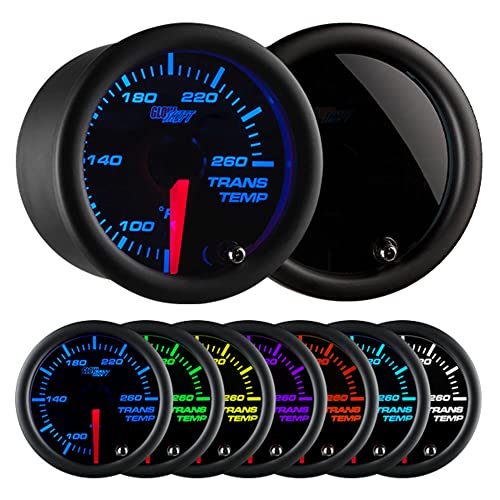
Install an external transmission temperature gauge if you tow regularly. The factory temp sensor feeds data to the TCM but doesn’t display actual numbers to the driver. An aftermarket gauge with a sensor installed in the cooler line gives you real-time visibility. Keep fluid temp below 220°F during towing by adding a supplemental cooler, selecting a lower gear to reduce torque converter slippage, or slowing down on long grades.
Avoid tuning chips or throttle controllers that alter shift behavior. The TCM’s programming is precisely calibrated for the mechanical capabilities of clutch packs and hydraulic circuits. Forcing earlier or harder shifts with aftermarket electronics accelerates clutch wear and can cause immediate failure. If you want better performance, add power at the engine, supercharger, turbo, intake, exhaust, but leave transmission tuning alone.
Learn to drive for transmission longevity. Come to complete stops before shifting from Reverse to Drive. Don’t hold the truck on hills using throttle against the brakes, that creates excessive heat in the torque converter. Let the transmission fully complete each shift before applying heavy throttle. These simple habits reduce internal wear dramatically over 100,000 miles.
Read More:
- Car Transmission Problems (Guide for Automatic, CVT, and Hybrid)
- Toyota Transmission Problems (What Every Owners Need to Know)
- Toyota CVT Transmission Problems (Warning, Signs & Solutions)
- Automatic Transmission Problems (Fixes for Slipping Gears, and Hard Shifts)
- Toyota 8 Speed Transmission Problems (Critical Symptoms & Fixes)