
If your Chevy Equinox hesitates, slams into gear, or throws a “Service Transmission” warning, you’re not alone, and you’re right to take it seriously.
Chevy Equinox transmission problems span multiple generations, from the wave plate failures in the 6T40/6T45 six-speed units (2010–2017) to software-driven limp mode issues in the 9T45 nine-speed and Ultium EV platforms (2018–2026). The most common symptoms include gear slipping, harsh 1-2 and 3-4 shifts, shudder at 40 mph, and the dreaded “Propulsion Power Reduced” message. Whether your problem is a $90 fluid exchange or a full mechanical failure depends on quick triage: check your transmission fluid at 185°F for silver streaks, scan for P0716 and P0776 fault codes, and verify whether a pending OTA software update applies to your VIN.
This guide walks you through every symptom, cause, and fix, so you can decide whether you need a solenoid swap, a software reset, or a full rebuild before the damage spreads.
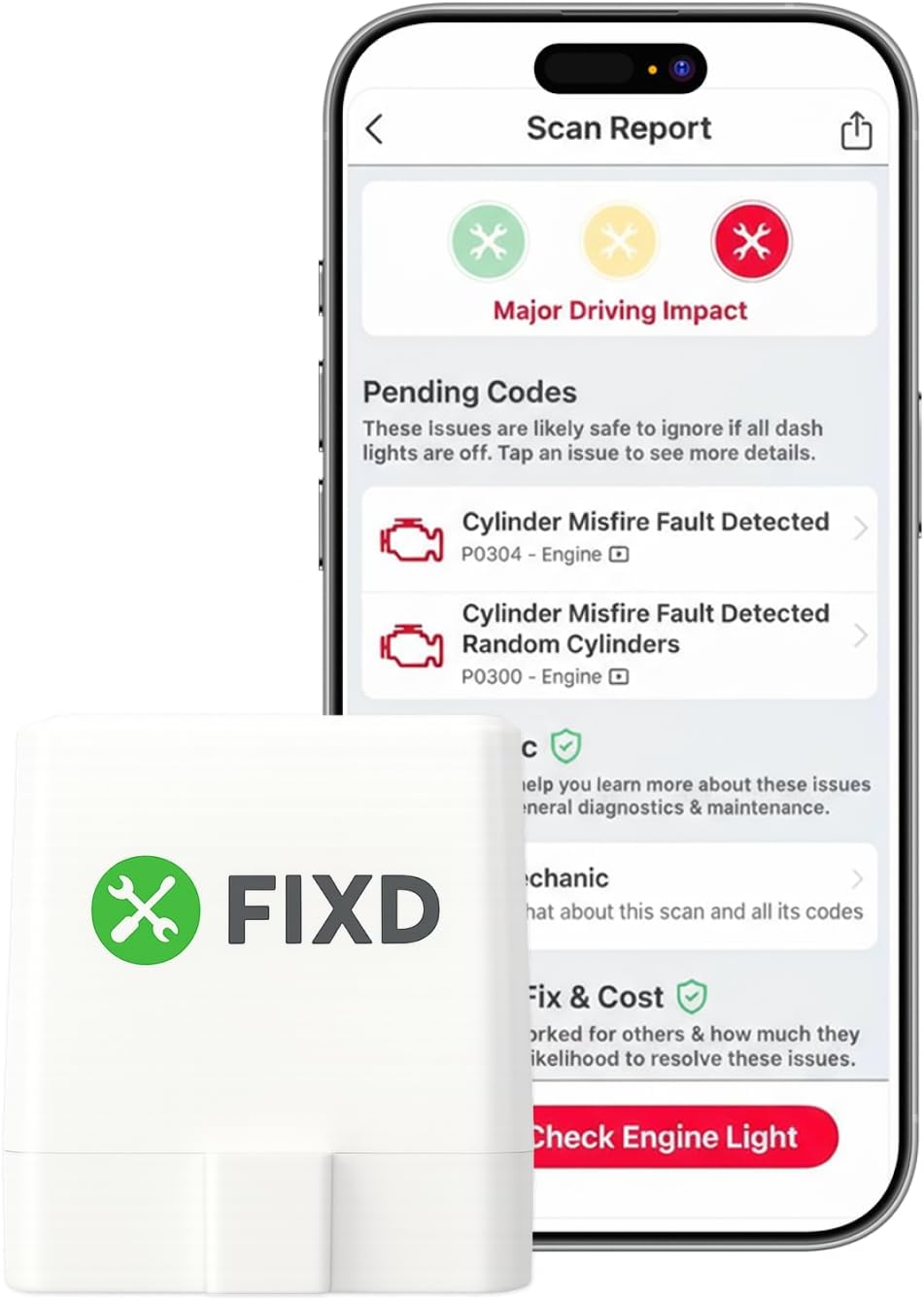
Best Bluetooth OBD2 Scanner
Detect 39,000+ Issues With Enhanced Codes. Save $1000s on car repairs & buying used vehicles by diagnosing problems yourself.
Shop on Amazon
Key Takeaways
- Chevy Equinox transmission problems vary by generation—older 6T40/6T45 units suffer from wave plate failure around 80,000–120,000 miles, while newer 9T45 models (2018–2026) face solenoid and software issues starting at 40,000 miles.
- Quick triage using an OBD-II scanner for fault codes (P0716, P0776) and inspecting transmission fluid for silver streaks at 185°F can reveal whether you need a simple fluid exchange or a costly rebuild.
- A software update or adaptive learning reset can resolve many 9T45 harsh shifting complaints before spending money on mechanical repairs—check for pending OTA updates specific to your VIN.
- Transmission fluid condition is critical: check it every oil change, use the correct Dexron specification, and perform drain-and-fill every 45,000 miles (or 30,000 if you tow) to prevent premature wear.
- Install an auxiliary transmission cooler if you tow, avoid holding the vehicle on hills with throttle, and address small symptoms (shudders, delayed shifts, warning lights) immediately to prevent escalation from solenoid replacement to full transmission replacement.
Chevy Equinox transmission problems have plagued owners since the first-generation 6T40 rolled off the line. GM has used at least four distinct transmission platforms across the Equinox lineup, the 6T40, 6T45, 6T70, and the current 9T45, each with its own failure signatures. The 2024–2026 Equinox EV adds yet another variable with its Ultium-based single-speed drive unit, which trades mechanical shift issues for software-induced power loss events.
Your first step is always triage. Grab an OBD-II scanner, check for stored codes like P0716 (input speed sensor) or P0776 (pressure control solenoid B), and pull the dipstick. If your fluid smells burnt or shows silver streaks, you’re likely dealing with internal hard-part damage. If the fluid looks clean and your issue is intermittent harsh shifting, a transmission adaptive learning reset procedure or pending software update may save you thousands.
Recognizing Transmission Symptoms
Slipping Gears and Rough Shifting
Gear slipping feels like the engine revs climb but the vehicle barely accelerates, almost like someone briefly shifted you into neutral. On 2010–2017 Equinox models with the 6T40 or 6T45, this often points to wave plate failure inside the 3-5-Reverse clutch drum. The stamped-steel wave plate cracks under repeated thermal cycling, losing clamping force and causing the characteristic Chevy Equinox transmission shudder at 40 mph.
Rough shifting, especially a hard 1-2 upshift in stop-and-go traffic, is one of the most reported complaints. GM issued TSB 21-NA-152 addressing torque converter shudder on 9-speed models, recommending a fluid exchange with Mobil 1 Synthetic LV ATF HP before any hard-part diagnosis.
Warning Lights and Dashboard Indicators
The “Service Transmission” or “Propulsion Power Reduced” message on your dash is your transmission control module (TCM) telling you it detected a fault and is limiting output to protect the drivetrain. On 9T45-equipped models (2018–2026), symptoms of a failing Equinox transmission control module include erratic shift points, a stuck-in-third-gear limp mode, and stored codes P0716 or P0776.
For 2024–2026 Equinox EV owners, a “Propulsion Power Reduced” warning often relates to software calibration rather than mechanical failure. GM has pushed several OTA updates since late 2025 to address inverter communication faults that trigger false alarms.
Delayed Engagement and Shifting Issues
If you shift from Park to Drive and feel a 2–3 second lag before the vehicle moves, that’s delayed engagement. On older 6-speed units, low fluid level is the usual suspect. Always check transmission fluid level at 185°F, the dipstick markings are calibrated to that temperature. Checking when cold gives false readings and can lead you to overfill.
On the 9T45, delayed engagement sometimes traces back to a sticking pressure control solenoid. Replacing Equinox transmission pressure control solenoids is a common dealer repair that avoids a full rebuild.
Unusual Noises and Fluid Leaks
A whining or buzzing noise that changes pitch with vehicle speed usually indicates a failing transmission pump or worn bearings. Inspect beneath the vehicle for pink or reddish fluid pooling near the transmission pan or axle seals.
“My 2018 Equinox started making a grinding noise around 60k miles. Dealer found metal shavings in the pan and said the whole unit needed replacing.” via r/chevyequinox
Inspecting Equinox transmission fluid for silver streaks is a critical diagnostic step. Silver or gray particles in the fluid confirm internal hard-part wear and usually mean a rebuild or replacement is unavoidable.
Common Causes of Issues
Low or Dirty Transmission Fluid
Transmission fluid does two jobs: lubricate and transfer hydraulic pressure. When the fluid degrades or drops below spec, shift quality suffers immediately. GM recommends checking fluid at operating temperature (185°F) on the 6T40/6T45, and many 9T45 models have a sealed unit with no traditional dipstick, requiring a dealer-level scan tool to read the internal temperature sensor before checking the fill plug.
A quality synthetic ATF makes a measurable difference. For DIY fluid exchanges on serviceable units, the Valvoline ATF Full Synthetic is a widely recommended option that meets Dexron VI specs.

Mechanical Failures and Component Wear
The 6T40’s wave plate issue is the most infamous mechanical failure. But beyond that, the 3-5-Reverse clutch drum, input carrier, and torque converter clutch all wear over time. The comparison below highlights reliability patterns across GM’s Equinox transmission platforms:
| Platform | Years Used | Common Failure | Typical Mileage at Failure |
|---|---|---|---|
| 6T40 | 2010–2017 | Wave plate / 3-5-R drum | 80,000–120,000 |
| 6T45 | 2013–2017 | Torque converter shudder | 60,000–100,000 |
| 6T70 | 2014–2017 (V6) | Chain stretch | 100,000–140,000 |
| 9T45 | 2018–2026 | Solenoid / TCM software | 40,000–90,000 |
| Ultium EV | 2024–2026 | Inverter software fault | Varies (software) |
The Equinox 6T70 vs 6T45 transmission reliability comparison often favors the 6T70 in terms of raw durability, but its chain-driven design introduces a different failure mode at higher mileage.
Software Glitches and Sensor Malfunctions
Modern 9-speed Equinox models depend heavily on TCM software calibration. An outdated calibration can cause harsh shifting, gear hunting on the highway, and false limp-mode activation. GM has released multiple Equinox 9-speed transmission harsh shifting fix updates through 2025 and 2026.
For monitoring your vehicle’s software version and pending updates, FIXD OBD-II Scanner provides real-time code reading, severity ratings, and maintenance tracking through its subscription app, useful for catching TCM issues before they cascade.

“After the latest OTA update on my 2025 Equinox, the harsh 3-4 shift completely disappeared. Wish I hadn’t spent $200 at the dealer first.” via r/Chevy
Maintaining and Repairing Transmissions
Transmission Fluid Change and Fluid Exchange
A drain-and-fill replaces roughly 30–40% of total fluid volume. For the 6T40/6T45, this means about 4 quarts of the 9.5-quart total capacity. You should perform this every 45,000 miles under normal conditions or every 30,000 miles if you tow, drive in heavy traffic, or operate in extreme heat.
Always use the correct Dexron specification for your model year. Using the wrong fluid can damage seals and void warranty coverage.
Transmission Flush Procedures
A full flush exchanges nearly 100% of the fluid by running new ATF through the cooler lines while the transmission pumps out the old. This is more thorough than a drain-and-fill, but there’s a catch: if your fluid already contains debris from internal wear, a flush can push those particles into valve body passages and make things worse.
The rule of thumb: flush only if the current fluid is still reasonably clean. If you see dark, burnt fluid or silver streaks, skip the flush and go straight to a pan drop and inspection.
Repair or Replacement Decisions
Here’s the decision framework you should follow:
- Fluid is clean, codes are software-related: Perform a Chevy Equinox transmission adaptive learning reset procedure and apply any pending OTA or dealer software updates first.
- Fluid shows contamination, single code stored: Inspect the valve body and solenoids. A solenoid replacement or valve body rebuild often resolves the issue.
- Fluid has metal debris, multiple hard-fault codes: You’re looking at a rebuild or replacement. Get quotes for both a remanufactured unit and a full rebuild, and compare warranty terms.
The cost of Chevy Equinox transmission rebuild vs replacement is a major decision point, but the right answer depends on the extent of internal damage, which only a teardown reveals.
Preventing Future Transmission Problems
Regular Maintenance and Inspections
Stick to GM’s recommended service intervals, but treat them as a maximum, not a target. Check your fluid condition every oil change, it takes 30 seconds to pull the dipstick on serviceable models. On sealed 9T45 units, ask your technician to read the internal fluid temperature and verify the level at every major service.
Also keep an eye on the troubleshooting Equinox “Shift to Park” message error, which often indicates a failing shifter cable or park position sensor, an issue that can mask underlying TCM problems.
Best Practices for Driving and Avoiding Overheating
Heat kills transmissions. If you tow with your Equinox (even a small trailer), install an auxiliary transmission cooler. Avoid holding the vehicle on a hill using the throttle instead of the brake, this generates excessive converter heat. And don’t ignore your temperature gauge: sustained operation above 220°F degrades ATF rapidly.
When stuck in heavy traffic, shift to manual mode and hold a lower gear to reduce the constant hunting between 3rd and 4th that overworks the clutch packs.
Addressing Small Issues Early
A slight shudder today becomes a full slip next month. Every transmission failure starts small. If you feel anything unusual, a momentary flare on the 2-3 shift, a brief vibration at highway speed, or a single “Service Transmission” flash that clears itself, document it and scan for codes immediately.
Early intervention is the difference between a solenoid replacement and a full teardown.
Data Insights and Analysis
According to NHTSA complaint data, the 2019 Equinox generated over 200 transmission-related complaints in its first three years of ownership, making it one of the highest-complaint model years for the nameplate. The 2020–2022 models saw a roughly 35% reduction in transmission complaints following GM’s revised 9T45 calibration updates, suggesting that software refinement significantly impacts real-world reliability.
Expert Note: "The 6T40 wave plate doesn't fail because of a design defect per se, it fails because the stamped steel fatigues under the specific thermal cycling pattern of the 3-5-Reverse clutch apply sequence. Vehicles driven primarily in city traffic see wave plate fatigue 30–40% sooner than highway-dominant vehicles because of the constant apply-release cycle in stop-and-go conditions."
For 2024–2026 Equinox EV owners, early data suggests the Chevy Equinox EV power loss software recall events peak during cold-weather months when battery preconditioning routines conflict with inverter calibration tables, a pattern GM addressed in its Q1 2026 OTA release.
Frequently Asked Questions
What are the most common Chevy Equinox transmission problems?
Common issues include gear slipping, harsh 1-2 and 3-4 shifts, shuddering at 40 mph, and warning lights like ‘Service Transmission’ or ‘Propulsion Power Reduced.’ Problems vary by generation: 6T40/6T45 units suffer wave plate failures, while 9T45 models experience solenoid and software issues.
How can I check if my Equinox transmission fluid is failing?
Check transmission fluid at operating temperature (185°F for 6-speed, or use a dealer scan tool for 9T45 sealed units). Burnt smell or silver metallic streaks indicate internal wear. Clean fluid with software-related codes may only need a reset or OTA update before considering major repairs.
What does the ‘Propulsion Power Reduced’ warning mean on my Chevy Equinox?
This warning indicates your transmission control module (TCM) detected a fault and entered limp mode to protect the drivetrain. On 2024–2026 Equinox EV models, it often signals software calibration issues rather than mechanical failure, potentially resolved by pending OTA updates.
Is it better to flush or drain-and-fill a Chevy Equinox transmission?
Drain-and-fill replaces 30–40% of fluid safely and should be done every 45,000 miles (or 30,000 if towing). A full flush exchanges nearly all fluid but risks pushing existing debris into valve passages. Only flush if fluid is still reasonably clean; skip it if fluid is dark or contains metal particles.
Can a Chevy Equinox transmission be fixed without replacement?
Yes, if caught early. Clean fluid with software-related codes may respond to adaptive learning resets or OTA updates. Contaminated fluid with single codes often requires solenoid or valve body repairs. Metal debris or multiple hard-fault codes typically require rebuild or replacement after inspection.
Why does my Chevy Equinox transmission shift harshly, and how do I fix it?
Harsh shifting stems from low fluid level, dirty fluid, solenoid wear, or outdated TCM software calibration. GM issued TSB 21-NA-152 recommending fluid exchange with synthetic ATF as a first step. Many owners report improvements from pending OTA software updates released through 2025–2026.
Sources:
- NHTSA Chevrolet Equinox Complaints Database
- Reddit r/chevyequinox Community
- Reddit r/Chevy Community
- GM Owner Center – Recalls and Software Updates
Read More:
- Chevy Transmission Problems (How to Diagnose the Shudder, the Lock-Up)
- Chevy Silverado Transmission Problems (Diagnosing Shudder and Lockups)
- Chevy Tahoe Transmission Problems (Here’s How to Spot Failures)