This post contains affiliate links. Purchases may earn me a commission at no extra cost to you.
If your Nissan Altima lurches during acceleration or whines at low speeds, you’re not alone. Altima transmission problems remain one of the most searched CVT issues in 2026.
The core problem centers on the Jatco CVT8 (JF016E) continuously variable transmission used across most Altima model years from 2007 onward. Common failures include belt slip, overheating, valve body degradation, and P17F0 judder codes. Many owners can resolve symptoms like shudder and hesitation through a triple drain and fill with NS-3 CVT fluid, a TCM calibration data write, or auxiliary cooler installation, without a full transmission replacement.
This guide walks you through every symptom, root cause, diagnostic step, and proven fix based on two decades of Jatco platform experience. Whether you drive a 2013 with 120,000 miles or a 2024 still under extended warranty, you’ll find actionable answers here.
Altima transmission problems commonly stem from CVT fluid degradation and valve body wear, but many cases can be resolved through proactive triple drain-and-fill service with NS-3 fluid every 30,000 miles rather than requiring full replacement.
Early warning signs like whining at 15–30 mph, P17F0 judder codes, and delayed engagement during acceleration indicate your CVT is micro-slipping and requires immediate diagnostic attention before mechanical scoring develops.
The 2013–2015 Altima generation shows the highest CVT failure rates, while 2019+ models demonstrate a 60% reduction in transmission complaints thanks to engineering revisions, though hot-climate overheating remains a concern in Arizona, Texas, and Florida.
Installing an auxiliary CVT oil cooler is the most effective hardware upgrade for preventing overheating-related limp mode, reducing fluid temperatures by 20–30°F and extending transmission life significantly.
Verify your Altima’s extended 10-year/120,000-mile CVT warranty eligibility through Nissan’s recall lookup tool, and always perform a TCM calibration data write (“Write IP Chara”) after valve body replacement to prevent recurring transmission codes.
Common Symptoms and Early Warning Signs
Catching Altima transmission problems early can save you thousands. Here are the telltale signs that your CVT is struggling.
Delayed Engagement and Hesitation
You press the accelerator and… nothing happens for a second or two. This delayed engagement is the classic “rubber banding” effect where the CVT belt momentarily loses tension before catching up. It feels like the engine revs freely, then the car lurches forward. This symptom worsens in hot weather and typically appears first during stop-and-go driving. Don’t confuse this with genuine steel belt slip, rubber banding is often a fluid pressure issue you can fix, while belt slip means the belt is physically skating across scored pulleys.
Transmission Warning Lights and Trouble Codes
When your dashboard lights up with a transmission warning, your Altima’s TCM has detected a measurable fault. The most common code is P17F0, which flags CVT judder, essentially, the computer sensed vibration patterns consistent with belt-to-pulley friction loss. You may also see P0746, indicating low hydraulic pressure from a worn flow control valve. A P0868 code points to dangerously low line pressure. Each code tells a different story, so don’t just clear them and hope for the best.
Unusual Noises and Vibrations
A whining noise at low speeds, particularly between 15 and 30 mph, is one of the earliest red flags. This sound comes from the CVT’s internal steel belt vibrating against worn pulley surfaces. If you feel a shudder during light acceleration between 20 and 40 mph, that’s the belt micro-slipping. Some owners describe it as driving over rumble strips.
“My 2017 Altima started making a whining sound around 60k miles. Dealer said it was ‘normal CVT noise’ but it got progressively worse until the shudder started.” via r/NissanDrivers
Loss of Power and Unexpected Shutdowns
Limp mode is your CVT’s last line of defense. The TCM restricts engine output to prevent catastrophic belt failure when it detects overheating or critical pressure loss. Your Altima will feel sluggish, cap speed around 30–40 mph, and may display CVT overheating limp mode symptoms on the dash. In severe cases, the transmission shuts down completely during highway driving, a genuinely dangerous scenario during merging.
Root Causes and Technical Challenges
Understanding why these failures happen helps you make smarter repair decisions.
The Jatco CVT8 JF016E uses a steel push-belt running between two variable-diameter pulleys. It’s elegant in theory but punishing in practice. The belt relies on precise hydraulic clamping pressure to transfer torque without slipping. Over time, microscopic scoring develops on the pulley faces, reducing friction. Once scoring reaches a critical depth, typically visible as concentric grooves, no fluid change or software update will restore proper function. That’s the difference between a fixable software lag and fatal mechanical damage.
Transmission Fluid Issues and Overheating
Nissan’s NS-3 CVT fluid degrades faster than most owners expect. The fluid’s friction modifiers break down with heat, and the Altima’s factory CVT cooler is undersized for sustained highway driving or hot climates. Fluid temperatures above 220°F accelerate degradation exponentially. You can check your CVT fluid deterioration counter using a Consult III+ scanner, this internal value tracks fluid condition based on temperature history. When it crosses the threshold, the TCM may trigger protective measures.
Factor
Serviceable Issue
Fatal Mechanical Damage
Shudder at 20–40 mph
Fluid degradation or valve body wear
Deep pulley scoring visible on inspection
P17F0 Code
Often cleared with fluid change + TCM reset
Returns immediately after reset
Whining Noise
Fluid level or pressure issue
Bearing failure or belt stretch
Limp Mode
Overheating, low fluid, solenoid fault
Internal component seizure
Valve Body and Solenoid Problems
The valve body is the CVT’s “brain” for hydraulic routing. Worn flow control valves inside it lose their ability to maintain consistent line pressure, triggering P0746 codes and erratic shifting behavior. A valve body replacement on the Jatco CVT8 requires a TCM calibration data write (called “Write IP Chara” in Nissan’s Consult software). Skip this step and the new valve body won’t communicate properly with your TCM, you’ll get fresh codes within miles.
Manufacturer Updates and Recalls
Nissan has issued multiple TSBs (Technical Service Bulletins) addressing CVT concerns. NTB17-076 covers CVT judder complaints and prescribes fluid replacement plus TCM reprogramming. Nissan also extended CVT warranties on certain model years to 10 years/120,000 miles after class-action pressure. Check your VIN through Nissan’s recall lookup tool to confirm eligibility.
Model Years, Generational Changes and Known Issues
Not all Altimas fail equally. Here’s how CVT reliability breaks down by generation.
2007–2012 Models: Early CVT Failures
These early Jatco CVT7 (JF015E) equipped Altimas earned the transmission its bad reputation. The 2007–2012 generation suffered from premature bearing failures and belt degradation often before 100,000 miles. Nissan extended the powertrain warranty to 10 years/120,000 miles for 2003–2010 models after widespread complaints. If you’re shopping for a used Altima from this era, assume the CVT has either been replaced or is overdue.
2013–2018 Models: High Rate of Major Transmission Issues
This generation switched to the Jatco CVT8 (JF016E), which improved torque capacity but introduced new failure patterns. The 2013–2015 models are especially notorious.
“I bought a 2015 Altima with 80k miles. At 95k the CVT started slipping on the highway. Dealer quoted me over $4,000 for a reman. Ended up doing a triple drain and fill with NS-3 and it bought me another 30k miles.” via r/MechanicAdvice
The 2016–2018 models received revised valve body internals and updated TCM software, reducing (but not eliminating) judder complaints. Fluid maintenance on this generation is critical, skip the 30,000-mile drain-and-fill interval and you’re gambling.
2019–2026 Models: Improvements and Persistent Complaints
The 2019+ Altima rides on Nissan’s D-platform and uses an updated CVT with a wider belt and improved cooler capacity. Shudder complaints dropped significantly, but they haven’t disappeared. Hot-climate owners in Arizona, Texas, and Florida still report overheating-related limp mode during summer months. Installing an auxiliary CVT oil cooler remains the most effective hardware fix for these models. For 2019+ owners, Nissan’s extended warranty may still cover CVT repairs, verify through your dealer or Nissan’s owner portal.
Engine CVT Transmission Oil Cooler with O-rings Compatible with 2013-2019 Nissan Altima Maxima Murano Pathfinder Quest Rogue 2.5L & 3.5L 4/6 Cylinder Engine
Here’s your action plan, ordered from least invasive to most involved.
Identifying and Interpreting Diagnostic Codes
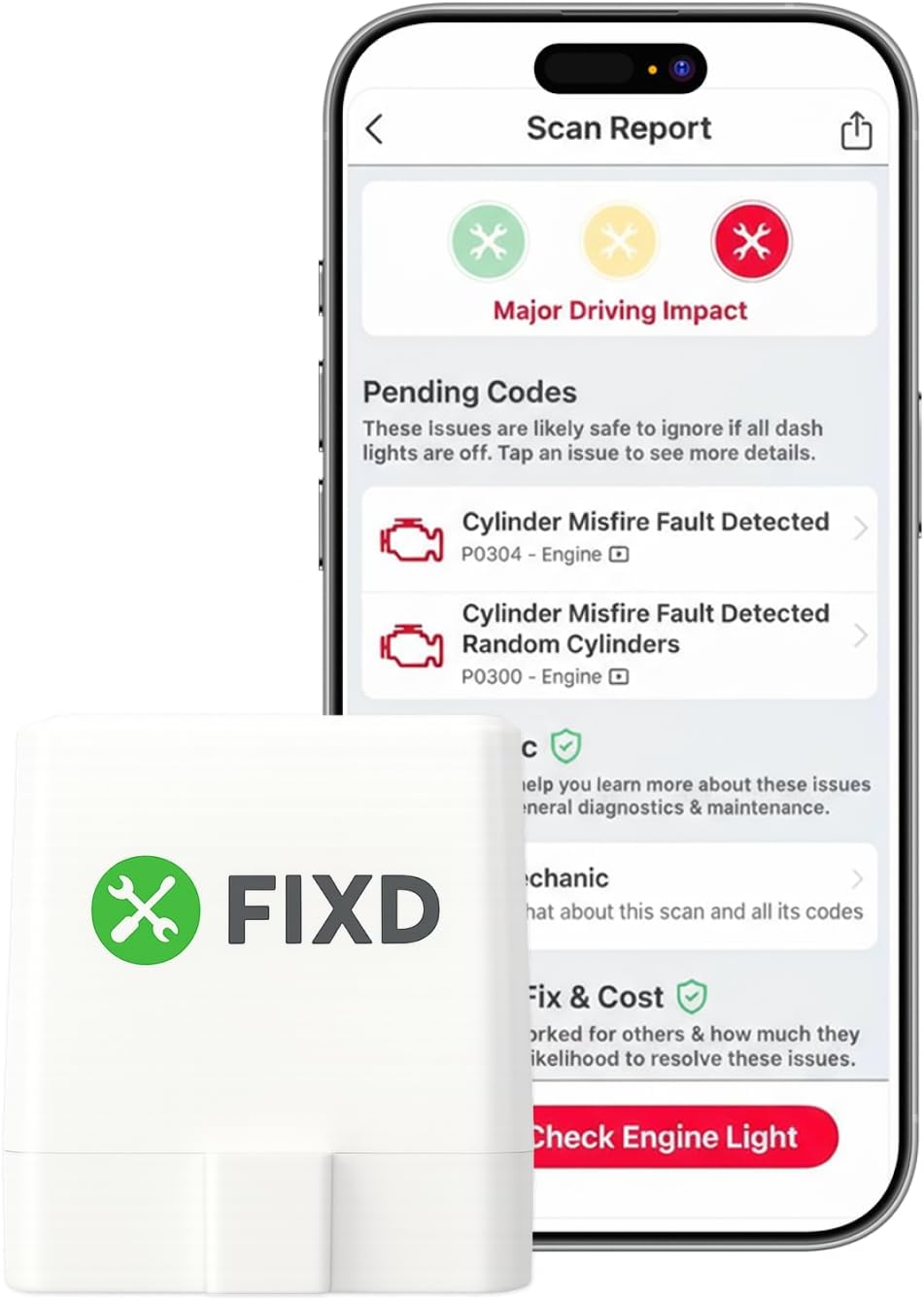
You need an OBD-II scanner capable of reading Nissan-specific transmission codes, generic readers miss CVT-specific DTCs like P17F0. The FIXD OBD2 Scanner reads these codes and provides plain-English explanations through its app. For professional-level diagnosis, a Consult III+ clone lets you read the CVT fluid deterioration counter and perform TCM resets.
FIXD Bluetooth OBD2 Scanner for iPhone & Android - Diagnostic Scan Tool for Repairs and Car Buying - Check Engine Code Reader & Enhanced Codes - (1 Pack...
The triple drain and fill with genuine Nissan NS-3 CVT fluid is the single most effective preventive measure. Here’s the process: drain the CVT, refill with NS-3, drive 10 miles, drain again, refill, drive 10 more miles, then drain and refill a third time. This replaces roughly 90% of the total fluid volume without disturbing the filter or risking contamination from a flush machine. Perform this every 30,000 miles, Nissan’s “lifetime fluid” claim is marketing, not engineering.
After the triple drain and fill, clear the adaptive transmission learning through the TCM reset procedure. Turn the ignition to ON (don’t start), wait 5 seconds, press the accelerator fully for 10 seconds, turn OFF, wait 10 seconds, then restart. This clearing of Nissan adaptive transmission learning forces the TCM to relearn your driving patterns with fresh fluid.
Repair, Replacement and Associated Costs
If your pulleys show visible scoring, no amount of fluid or software will save the CVT. You’re looking at a valve body replacement (if that’s the isolated failure) or a full remanufactured transmission. A valve body swap requires the TCM calibration data write, your technician must use Consult III+ to perform the “Write IP Chara” procedure, matching the new valve body’s serial data to your TCM. Without this step, expect persistent P0746 and erratic behavior.
For monitoring your CVT’s health between services, the FIXD app (available as a subscription service) provides real-time transmission temperature monitoring and code alerts, a worthwhile investment for any high-mileage Altima owner.
Warranty Coverage and Owner Resources
Nissan extended the CVT warranty to 10 years/120,000 miles on many 2013–2018 models following class-action settlements. For 2019+ models, standard powertrain coverage runs 5 years/60,000 miles, but Nissan has quietly approved goodwill repairs on CVT failures beyond warranty on a case-by-case basis. Document every service record and file complaints through NHTSA’s vehicle complaint portal to strengthen your case.
Data Insights and Analysis
According to CarComplaints.com, the 2013–2015 Nissan Altima model years account for the highest concentration of transmission-related complaints, with over 3,000 NHTSA reports filed for the 2013 model alone. The 2019+ generation shows a roughly 60% reduction in CVT failure reports compared to the 2013–2015 peak, suggesting Nissan’s engineering revisions have had measurable impact, though overheating in hot climates remains a persistent outlier.
Expert Note: “The CVT doesn’t fail because the belt wears out, it fails because the fluid’s friction modifier package breaks down under sustained heat, causing micro-slip that scores the pulleys over thousands of cycles. By the time you feel shudder, the damage has been accumulating for 20,000+ miles. That’s why proactive fluid maintenance at 30k intervals changes the entire failure trajectory.”
Frequently Asked Questions
What are the most common Altima transmission problems in 2026?
The most common Altima transmission problems involve the Jatco CVT8 (JF016E) belt slipping, overheating, and valve body degradation. Symptoms include shudder during acceleration, whining noises at low speeds, delayed engagement, and transmission warning codes like P17F0 (CVT judder). These issues are especially prevalent in 2013–2015 models.
Can a fluid change fix Nissan Altima transmission slipping?
A triple drain and fill with genuine Nissan NS-3 CVT fluid can often fix slipping caused by degraded fluid or low pressure. However, if the P17F0 code returns within 500 miles of a fluid change, the damage is likely mechanical (scored pulleys), requiring full transmission replacement rather than fluid maintenance.
How often should you change Altima CVT transmission fluid?
Despite Nissan’s ‘lifetime fluid’ claim, CVT transmission fluid should be changed every 30,000 miles. The friction modifiers degrade with heat, and failure to maintain this interval significantly increases the risk of belt micro-slip and pulley scoring, especially in hot climates.
What does the P17F0 transmission code mean on a Nissan Altima?
P17F0 indicates CVT judder—the transmission control module detected vibration patterns consistent with belt-to-pulley friction loss. This code often appears after the shudder symptom begins and suggests the CVT belt is micro-slipping. A fluid change plus TCM reset may clear it, but if it returns, mechanical damage has likely occurred.
How do you reset a Nissan Altima transmission control module (TCM)?
Turn ignition to ON (don’t start), wait 5 seconds, press the accelerator fully for 10 seconds, turn OFF, wait 10 seconds, then restart. This clears adaptive transmission learning. For full TCM reprogramming with Consult III+ software, visit a Nissan dealer for professional TCM calibration data write.
Is an auxiliary CVT cooler worth installing on an Altima?
Yes, especially in hot climates or for frequent highway driving. An auxiliary CVT oil cooler reduces fluid temperatures by 20–30°F, dramatically extending fluid life and preventing heat-related limp mode. It’s the most effective hardware solution for 2019+ Altimas experiencing overheating issues.
Disclaimer: This content is provided for educational and informational purposes only. Equipment symptoms, repairs, and diagnostic procedures may vary by make, model, year, and condition. Always consult a qualified technician, your equipment’s service manual, and verified manufacturer recalls or service bulletins before performing repairs. GearFixes.com assumes no liability for damages resulting from the use of information on this site.