
Notice your Mazda lurching forward at stoplights or clunking hard between gears? You’re not alone. Thousands of SkyActiv-Drive owners report similar low-speed jerking, cold shift shock, and hesitation that can turn a smooth commute into a jarring daily puzzle.
Mazda transmission problems often stem from software calibration issues in the Transmission Control Module (TCM), contaminated transmission fluid clogging internal pressure switches, or mechanical wear in transaxle bearings. Many low-speed jerking and harsh 2nd-to-3rd gear transitions can be resolved with a simple TCM software reflash via an official Technical Service Bulletin (TSB), while fluid contamination or stuck oil pressure switches require a physical fluid flush or complete bearing replacement.
This guide helps you decode exactly what’s happening under your car and when to request a software update versus a hardware repair. You’ll learn to spot early warning signs, understand root causes specific to Mazda’s 6-speed automatic transmissions, and confidently discuss solutions with your mechanic.
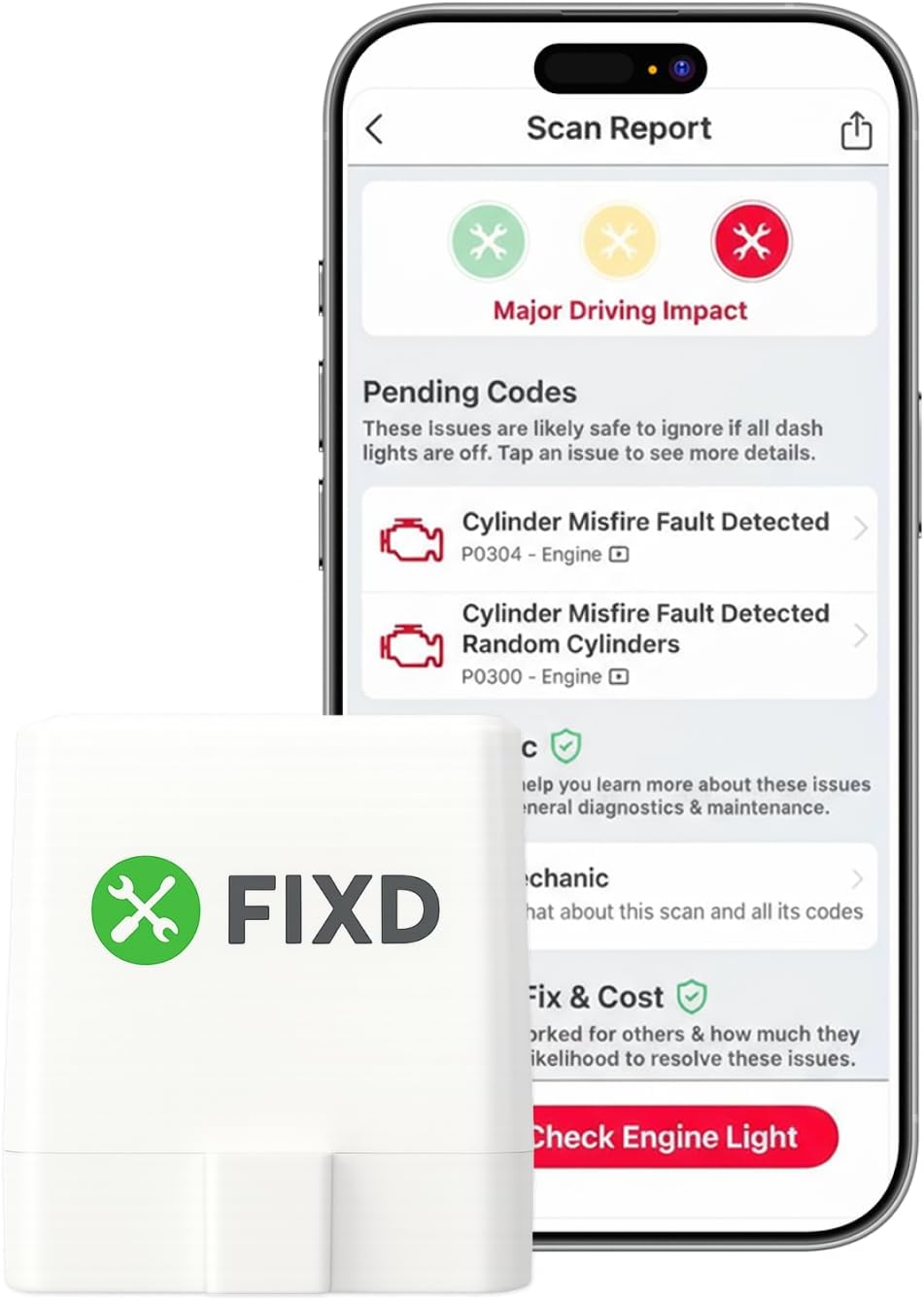
Best Bluetooth OBD2 Scanner
Detect 39,000+ Issues With Enhanced Codes. Save $1000s on car repairs & buying used vehicles by diagnosing problems yourself.
Shop on Amazon
Key Takeaways
- Mazda transmission problems like lurching, harsh shifts, and hesitation often stem from Transmission Control Module software calibration issues, contaminated fluid, or mechanical wear that can be diagnosed through warning codes and unusual noises.
- Many low-speed jerking and cold shift shock issues in Mazda 3, 6, CX-5, and CX-9 models can be resolved with a free TCM software reflash via official Technical Service Bulletins rather than expensive hardware replacement.
- Regular transmission fluid checks every 20,000 miles and proper fluid flushes every 60,000 miles using genuine Mazda FZ-spec ATF prevent contamination and pressure switch failures that trigger fault codes.
- Warning signs including erratic shifting, harsh 2nd-to-3rd transitions, check engine lights with codes like P0841 or P0960, and mechanical whining require immediate inspection to prevent catastrophic bearing and clutch pack damage.
- If a TCM software update doesn’t resolve transmission issues, a failed Transmission Control Module requiring replacement and initialization can put the transmission into limp mode and demand professional diagnosis of solenoids and valve body components.
Common Transmission Issues and Warning Signs
Erratic Shifting and Slipping Gears
Erratic shifting feels like your transmission can’t decide which gear to hold. You’ll notice sudden RPM spikes without matching acceleration, or the engine revving loudly while your speed stays flat. Slipping gears often appear during highway merges when you press the throttle and the car hesitates before lurching forward. This symptom typically points to worn clutch packs inside the automatic transaxle or low transmission fluid levels that prevent proper hydraulic pressure.
Mazda’s SkyActiv-Drive system relies on precise fluid pressure to engage clutches smoothly. When internal seals wear or fluid breaks down, the transmission can’t maintain consistent contact between gears. You might also experience sluggish acceleration symptoms where the car feels stuck in a higher gear than needed for your current speed. If you’re pulling onto a highway and the tachometer jumps without forward momentum, that’s classic slipping behavior.
Harsh or Delayed Shifts
Harsh shifts hit you like a hard thump between gears, especially noticeable during the 2nd-to-3rd transition in cold weather. Cold shift shock is a widespread complaint among Mazda3 and CX-5 owners during the first 5–10 minutes of driving in temperatures below 40°F.
The transmission fluid hasn’t reached optimal viscosity yet, so shift actuators engage too aggressively. Delayed shifts happen when you press the accelerator and the car pauses 1–2 seconds before suddenly jumping forward, creating that unnerving lurch at stop signs.
Many harsh gear engagement issues trace back to outdated TCM software calibration. Mazda released multiple TSBs to recalibrate shift timing and pressure curves, smoothing out those jolting transitions. If your car lurches at stop or low speeds, especially when rolling from a red light, a software reflash often fixes the problem without replacing any hardware. Delayed engagement can also signal a failing solenoid pack that isn’t responding fast enough to TCM commands.
Transmission Warning Lights and Unusual Noises
The check engine light and automatic transaxle warning often appear together when your car detects transmission-related fault codes. Common diagnostic trouble codes include P0960 (pressure control solenoid), P0841 (transmission fluid pressure sensor stuck on), and P0745 (pressure control solenoid malfunction). These codes frequently point to oil pressure switch stuck on conditions caused by internal fluid contamination.
Mechanical whining or grinding noise from transaxle bearing assemblies signals serious wear. You’ll hear a high-pitched whine that changes with vehicle speed, not engine RPM. This sound indicates bearing surfaces are breaking down, scattering metal particles into your transmission fluid.
Left unchecked, bearing failure can contaminate solenoids and damage clutch packs. If you hear grinding during shifts, inspect your fluid immediately, dark, burnt-smelling oil with metallic flakes confirms internal damage.
Loss of Drive or Reverse
Complete loss of forward drive or reverse is rare but catastrophic. You’ll shift into Drive or Reverse, release the brake, and nothing happens, the engine revs but the car won’t move. This usually means total clutch pack failure, broken planetary gears, or a completely drained transmission fluid system.
Some Mazda owners report intermittent loss of reverse after parking on steep inclines, which can indicate a failing parking pawl or low fluid pressure in the reverse circuit.
Before assuming the worst, check your transmission fluid level. SkyActiv transmissions are sensitive to low fluid, even a quart low can prevent proper engagement. If the fluid is full and clean but you still have no drive, you’re likely facing internal mechanical failure requiring transaxle removal and rebuild. But, if the problem only occurs when cold and resolves after warming up, a TCM software update may restore normal operation by adjusting engagement timing.
Root Causes of Mazda Transmission Failures
Transmission Fluid Contamination and Leaks
Contaminated fluid is the silent killer of automatic transmissions. Mazda specifies FZ-type ATF for SkyActiv-Drive units, but many owners unknowingly use generic fluids that lack the friction modifiers these transmissions need. Over time, incorrect fluid breaks down faster, creating varnish deposits that clog narrow solenoid passages and stick pressure switches. You’ll notice delayed shifts, harsh engagement, and eventually fault codes like P0841.
Fluid leaks develop at the transmission pan gasket, output shaft seals, and cooler lines. Even a slow drip can drop fluid levels below the minimum threshold within weeks. Low fluid starves the hydraulic pump, causing air pockets that make shifts feel soft or spongy. Always inspect the ground under your car for reddish-brown puddles.
If you spot a leak, address it immediately and top off with the correct FZ-spec fluid. Don’t wait for warning lights, checking transmission fluid levels and oil quality every 20,000 miles prevents most contamination issues.
Electrical and Software-Related Faults
Electrical and software glitches account for the majority of Mazda transmission complaints that don’t involve mechanical wear. The Transmission Control Module runs complex algorithms to manage shift timing, line pressure, and torque converter lockup. Early TCM calibrations were overly aggressive, causing cold shift shock and troubleshooting skyactiv gearbox hesitation fixes became a common forum topic. Mazda addressed these issues with multiple software updates between 2013 and 2020.
A transmission control module tcm software update mazda can resolve low gear jerking and sluggish acceleration symptoms without touching hardware. Dealers perform a TCM reflash that recalibrates shift maps and pressure curves. After the update, many owners report smoother transitions and eliminated lurching.
But, if your TCM has failed completely, often due to water intrusion or voltage spikes, you’ll need a replacement module. Failed TCMs trigger multiple fault codes and may put the transmission into limp mode, limiting you to 2nd or 3rd gear only.
Mechanical Wear in Key Components
Mechanical wear shows up in high-mileage SkyActiv transmissions as bearing noise, clutch slippage, and hard parts failure. Transaxle bearings support rotating shafts under constant load. Once bearing surfaces begin to pit or spall, they generate metallic debris that circulates through the entire system. This contamination clogs filters, damages solenoids, and accelerates clutch pack wear. You’ll hear mechanical whining or grinding noise from transaxle bearing assemblies, especially during acceleration.
Clutch packs wear out from excessive heat, aggressive driving, or prolonged slipping. SkyActiv clutches are thin, multi-plate designs optimized for fuel efficiency but less tolerant of abuse than traditional automatics. If you frequently tow heavy loads or drive in stop-and-go traffic without proper fluid maintenance, expect clutch wear by 100,000 miles.
Worn clutches slip under load, causing the car to rev without accelerating. Replacing clutch packs requires full transaxle disassembly, making it a labor-intensive repair that often costs as much as a remanufactured unit.
Affected Mazda Models and Notable Technical Bulletins
Problems in Mazda 3, Mazda 6, CX-5, and CX-9
The Mazda3, Mazda6, CX-5, and CX-9 equipped with 6-speed SkyActiv-Drive automatics from 2012 through 2018 show the highest complaint rates. Early 2013–2015 Mazda3 and CX-5 models exhibit cold shift shock and harsh 2nd-to-3rd transitions most frequently. Owners on Mazda 3 Revolution forums and CX-5 owner communities document identical symptoms: a hard clunk when cold that disappears after 10 minutes of driving.
The Mazda6 (2014–2016) also suffers from transmission pressure switches getting stuck due to internal fluid contamination, triggering P0841 and P0960 codes. CX-9 owners report less frequent issues, likely because the larger transmission in the CX-9 uses slightly different calibration. But, all these models share core SkyActiv-Drive architecture, so root causes and fixes remain similar across the lineup.
“My 2014 CX-5 jerks hard from 2nd to 3rd every morning until it warms up. Dealer reflashed the TCM under TSB and it’s 80% better now.” via r/mazda
Transmission Technologies: Skyactiv-Drive and FW6A-EL
SkyActiv-Drive is Mazda’s brand name for their 6-speed automatic transmission family, internally designated FW6A-EL (front-wheel-drive applications) and AW6A-EL (all-wheel-drive). These transmissions use a traditional torque converter with lockup clutch, six forward gears, and electronic shift control. Unlike CVTs or dual-clutch designs, SkyActiv-Drive prioritizes smooth power delivery and fuel efficiency through lightweight components and aggressive torque converter lockup strategies.
The FW6A-EL transmission relies on low-viscosity FZ-type ATF to minimize internal friction. This thin fluid improves fuel economy but requires precise contamination control, any debris quickly clogs narrow solenoid passages. The transmission also features a wide-ratio gear spread, meaning larger steps between gears.
This design can make shifts more noticeable, especially when TCM calibration is off. Understanding these design trade-offs helps you recognize that some firmness is normal, while excessive harshness signals a calibration or mechanical issue.
Important TSBs and Recalls
Mazda issued several key Technical Service Bulletins addressing skyactiv drive automatic transmission problems:
- TSB 05-002/18 (2013–2016 Mazda3, Mazda6, CX-5): TCM software update to reduce cold shift shock and improve 2nd-to-3rd shift quality
- TSB 05-003/14 (2014 Mazda6): Revised transmission control module calibration for smoother low-speed engagement
- TSB 05-001/16 (2014–2015 CX-5): Updated ATF specification and flush procedure to address pressure switch contamination
These bulletins are free if your car is under warranty, but many dealers will perform the reflash for a diagnostic fee on out-of-warranty vehicles. Always ask your service advisor to check for open TSBs related to your VIN before authorizing expensive repairs.
A simple software update can eliminate symptoms that might otherwise lead to unnecessary transmission replacement. Mazda has not issued widespread recalls for transmission failures, but individual cases of bearing defects have resulted in goodwill repairs beyond warranty on a case-by-case basis.
Maintenance Strategies and Solutions
Transmission Fluid Checks and Flush Recommendations
Checking your transmission fluid is the single most important preventive step. Park on level ground, warm the engine to operating temperature, and locate the transmission dipstick (on models equipped) or fill plug. Fluid should be translucent red or pink.
Dark brown or black fluid with a burnt smell means it’s overdue for change. Mazda officially lists SkyActiv ATF as “lifetime” fluid, but transmission specialists recommend replacement every 60,000 miles for severe-duty use (frequent towing, stop-and-go traffic, extreme heat).
A proper flush removes old fluid and debris using a machine that exchanges fluid while the transmission runs. This ensures solenoids, cooler lines, and the torque converter get fresh fluid. Some shops offer a simple drain-and-fill, which only replaces about 40% of total fluid. For contaminated systems showing fault codes, a full flush paired with a new filter addresses the root problem.
Always use genuine Mazda FZ-spec ATF or an approved equivalent like Idemitsu Type FZ, generic “universal” fluids lack the friction modifiers SkyActiv transmissions require. You can find genuine Mazda ATF on Amazon for DIY fluid top-offs between services.

Replacing Faulty Transmission Control Units
If a TCM software update doesn’t resolve your issues, the module itself may have failed. Symptoms of a bad TCM include multiple fault codes, transmission stuck in one gear (limp mode), and erratic shifting that doesn’t improve with fresh fluid. Replacing the TCM requires a new or remanufactured unit programmed to your VIN. After installation, the transmission needs initialization and shift learning mode, a process where the TCM relearns clutch engagement points and shift characteristics.
Performing mazda transmission initialization involves driving through specific speed and throttle patterns over 20–30 miles. During this period, shifts may feel odd as the TCM adapts. Some owners report using an OBD-II scanner with Mazda-specific software to monitor live transmission data and confirm the TCM is relearning correctly. Professional-grade scanners can also clear adaptation values and force a fresh learn cycle if shifts remain harsh after initial adaptation.

Diagnosing Mounts and Other Mechanical Parts
Don’t overlook transmission mounts when troubleshooting vibration and clunking. Worn engine or transmission mounts allow excessive drivetrain movement, amplifying shift harshness and creating loud bangs during gear changes. Jack up the car safely, inspect rubber mount bushings for cracks or separation, and watch for excessive engine movement when an assistant shifts between Drive and Reverse.
Other mechanical contributors include the torque converter, valve body, and solenoid pack. A failing torque converter produces shuddering at highway speeds, especially during light acceleration with the converter locked. Valve body wear causes cross-leaking between circuits, creating soft or inconsistent shifts.
Solenoid packs control fluid flow to clutches, failed solenoids trigger specific fault codes (P0745, P0750, P0755) and usually require replacement as a complete assembly. If you’re experiencing ongoing issues even though software updates and fluid service, request a pressure test and solenoid function check to isolate the failing component.
Frequently Asked Questions
What causes Mazda transmission problems like jerking and harsh shifts?
Mazda transmission problems stem from three main sources: software calibration issues in the Transmission Control Module (TCM), contaminated transmission fluid clogging pressure switches, or mechanical wear in transaxle bearings. Cold shift shock and low-speed jerking often resolve with a TCM software reflash via Technical Service Bulletin, while fluid contamination requires a flush or bearing replacement.
Can a TCM software update fix my Mazda SkyActiv transmission issues?
Yes, many Mazda transmission complaints resolve with a TCM software reflash. Mazda released multiple Technical Service Bulletins (TSB 05-002/18, TSB 05-003/14) to recalibrate shift timing and pressure curves, eliminating cold shift shock and harsh 2nd-to-3rd transitions without hardware replacement. The update is free if under warranty.
What transmission fluid should I use for my Mazda SkyActiv-Drive?
Use genuine Mazda FZ-spec ATF or approved equivalents like Idemitsu Type FZ. Generic universal fluids lack the friction modifiers SkyActiv transmissions require. Incorrect fluid breaks down faster, creating varnish deposits that clog solenoid passages and trigger fault codes like P0841. Check fluid every 20,000 miles.
How often should I flush my Mazda transmission fluid?
Although Mazda lists SkyActiv ATF as lifetime fluid, transmission specialists recommend replacement every 60,000 miles for severe-duty use (frequent towing, stop-and-go traffic, extreme heat). A proper flush using a machine removes old fluid and debris, ensuring solenoids and cooler lines get fresh fluid instead of a simple drain-and-fill.
What do the transmission warning codes P0841 and P0960 mean on Mazda vehicles?
P0841 indicates a transmission fluid pressure sensor stuck on, while P0960 signals a pressure control solenoid malfunction. Both codes frequently result from internal fluid contamination clogging narrow solenoid passages. A full transmission flush with fresh FZ-spec ATF paired with a filter replacement typically resolves these fault codes.
Which Mazda models are most affected by SkyActiv transmission issues?
The 2013–2018 Mazda3, Mazda6, CX-5, and CX-9 equipped with 6-speed SkyActiv-Drive automatics show the highest complaint rates. Early 2013–2015 models exhibit cold shift shock and harsh 2nd-to-3rd transitions most frequently, particularly during startup in temperatures below 40°F.
Read More:
- Ford Transmission Problems (Symptoms, Recalls, and What to Do)
- Chevy Transmission Problems (How to Diagnose the Shudder, the Lock-Up)
- Lexus Transmission Problems (Here’s the Warning Signs & Expert Fixes)
- Kia CVT Transmission Problems (Common Symptoms and Fixes)
- Car Transmission Problems (Guide for Automatic, CVT, and Hybrid)
- Automatic Transmission Problems (Fixes for Slipping Gears, and Hard Shifts)