
Your Chevy Traverse check engine light just turned on, and you’re immediately wondering if it’s safe to drive or if you’re facing a costly repair. That orange glow on your dash can trigger instant stress, especially when you’re transporting your family.
The check engine light in your Chevy Traverse illuminates when the Powertrain Control Module (PCM) detects a sensor reading or system performance value outside normal operating parameters. Common triggers include loose gas caps, EVAP purge valve failures (P0496), timing chain stretch (P0008/P0011), oxygen sensor faults, misfires (P0300), and catalytic converter inefficiency (P0420).
Most Traverse owners can retrieve the diagnostic trouble code using an affordable OBD2 scanner, identify whether the issue is minor or serious, and decide if they can resolve it themselves or need professional service. This guide walks you through the entire diagnostic process step by step.
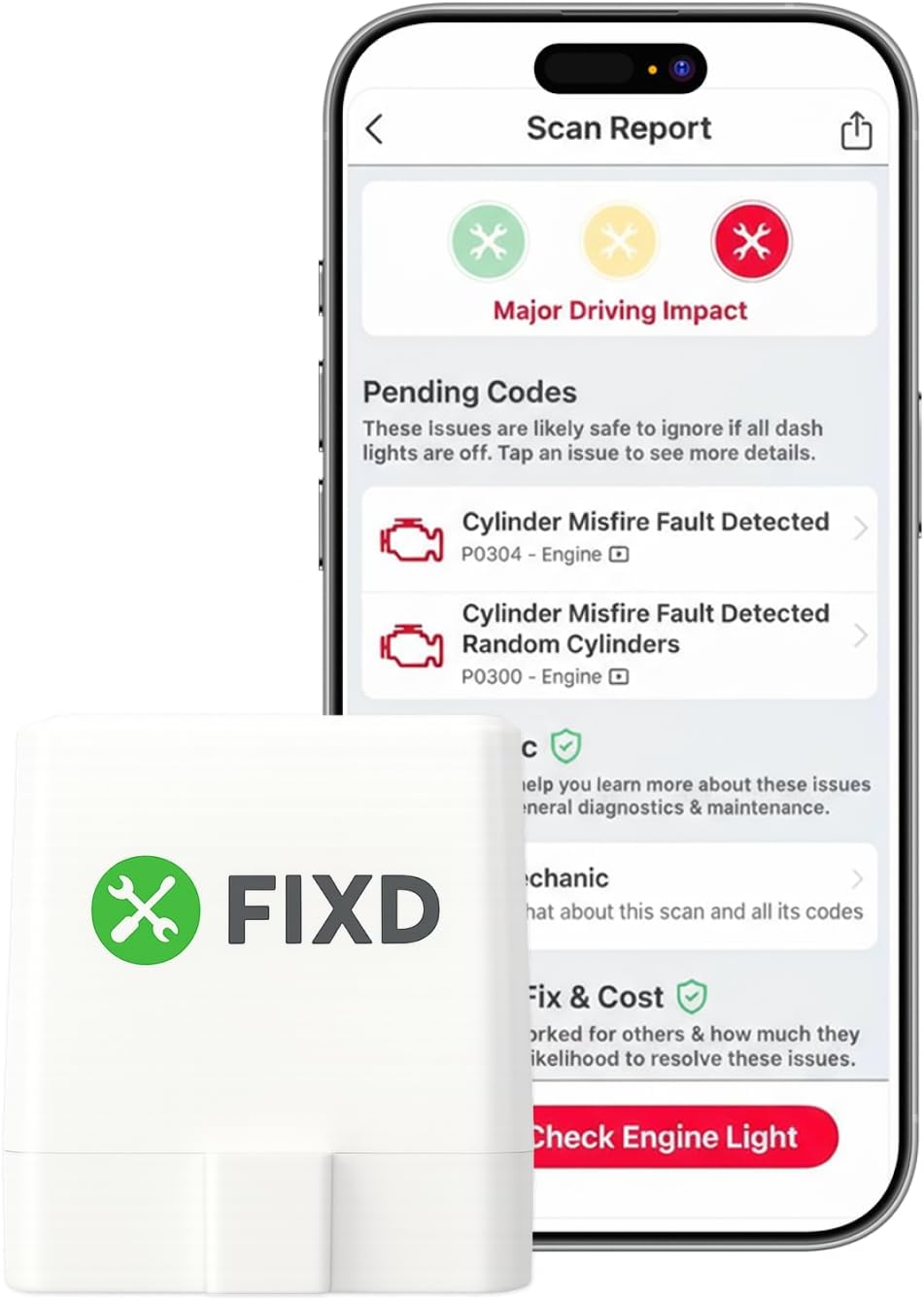
Best Bluetooth OBD2 Scanner
Detect 39,000+ Issues With Enhanced Codes. Save $1000s on car repairs & buying used vehicles by diagnosing problems yourself.
Shop on Amazon
Key Takeaways
- A Chevy Traverse check engine light is triggered when the PCM detects sensor readings outside normal operating parameters, with common causes including loose gas caps, EVAP valve failures, and catalytic converter issues.
- Use an affordable OBD2 scanner to retrieve diagnostic trouble codes yourself—most issues can be diagnosed in minutes without paying for expensive dealer diagnostics.
- Some Traverse check engine light codes are simple fixes: P0455 often resolves with a gas cap tightening, while P0496 typically requires a purge valve replacement under $100.
- A flashing check engine light demands immediate attention and professional service, as it signals an active misfire that can destroy your catalytic converter within minutes.
- Regular maintenance—including oil changes every 5,000 miles and spark plug replacements at recommended intervals—prevents 80% of check engine light issues.
- After fixing the underlying problem, use your OBD2 scanner to clear codes and complete a drive cycle under varied conditions to confirm the repair worked.
How the Check Engine Light System Works
Your Traverse’s onboard computer constantly monitors dozens of sensors, solenoids, and actuators. When something falls outside the expected range, the system logs a diagnostic trouble code and triggers the malfunction indicator lamp.
Onboard Diagnostics and the Powertrain Control Module
The PCM acts as your SUV’s brain. It analyzes data from crankshaft position sensors, oxygen sensors, mass airflow sensors, and coolant temperature sensors in real time. If the PCM detects a problem, like inconsistent camshaft timing on the 3.6L V6 due to a stretched timing chain, it sets a code and lights up your dash.
Role of OBD-II and the Malfunction Indicator Lamp
OBD-II (On-Board Diagnostics II) became mandatory in 1996, standardizing how vehicles report faults. Your Traverse uses this protocol to communicate trouble codes to any compatible scanner. A solid check engine light means the PCM logged a non-critical fault. A flashing light signals an active misfire that can damage the catalytic converter and requires immediate attention.
Diagnostic Trouble Code Structure
Every DTC follows a five-character format: the first letter (P for powertrain, B for body, C for chassis), followed by four digits. P0420 indicates catalytic converter efficiency below threshold. P0300 signals a random engine misfire. According to SAE International standards, these codes help technicians pinpoint issues fast.
Common Sensors and Their Functions
Your Traverse relies on upstream and downstream oxygen sensors to fine-tune the air-fuel mixture. Mass airflow sensors measure incoming air volume. Crankshaft and camshaft position sensors synchronize ignition timing. When any of these fail, the PCM logs a code. The National Highway Traffic Safety Administration tracks sensor failures across vehicle platforms, and the Traverse’s 3.6L V6 timing chain issues appear frequently in their data.
Retrieving and Interpreting Check Engine Light Codes
Before you visit a shop, grab an OBD2 scanner and pull the code yourself. This simple step saves you diagnostic fees and gives you the power to research the issue.
Locating and Using the OBD2 Port
The OBD2 port on your Traverse sits under the driver’s side dash, just above the brake pedal. Turn your ignition to the “On” position without starting the engine. Plug the scanner into the port. Most scanners auto-detect your vehicle and display active codes within seconds.
Choosing and Using an OBD2 Scanner
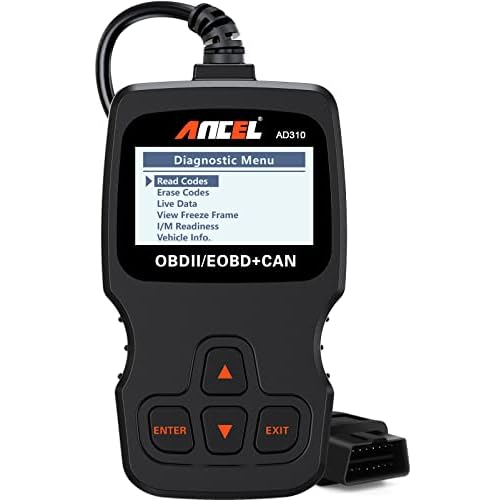
I recommend the ANCEL AD410 OBD2 Scanner for basic code reading, or step up to the BlueDriver Bluetooth Pro if you want freeze-frame data and live sensor graphs on your smartphone. Both tools read generic and manufacturer-specific codes. After pulling the code, jot down the number and description.
Understanding Freeze-Frame Data
When the PCM logs a fault, it captures a snapshot of engine operating conditions at that moment: RPM, load, coolant temperature, fuel trim, and throttle position. This freeze-frame data helps you (or your mechanic) recreate the exact scenario that triggered the light. For example, if P0496 logged during a cold start at 15°F with high fuel trim, you’re likely dealing with a stuck EVAP purge valve.
“My 2016 Traverse threw P0496 and would barely start after filling up. Replaced the purge valve for $60 and haven’t had an issue since.” via TraverseForum.com
Manual and Professional Code Reading Options
Some auto parts stores offer free code reading. But a quality home scanner pays for itself after one use. If your Traverse displays a flashing light or you see multiple misfire codes, skip the DIY and head straight to a certified Chevrolet technician.
Most Common Trouble Codes and Their Solutions
Certain codes appear repeatedly on Traverse forums and service records. Here’s what each one means and how to fix it.
Emission System Issues (P0420, P0442, P0455)
P0420 means your catalytic converter isn’t cleaning exhaust gases efficiently. Often, this is a downstream oxygen sensor failure, not a bad converter. Replacement O2 sensors run around $50–$120 for parts. P0442 and P0455 indicate EVAP system leaks, sometimes as simple as a loose or cracked gas cap. Check your cap’s O-ring first. If it’s dry or torn, replace it for under $20.
Misfire and Ignition-Related Codes (P0300, Misfire Codes)
P0300 signals a random misfire across multiple cylinders. P0301 through P0306 pinpoint which cylinder is misfiring. On the 3.6L V6, ignition coil packs and spark plugs are common culprits. Coil packs wear out around 80,000–100,000 miles. Swap the suspect coil with another cylinder. If the misfire follows the coil, you’ve found your problem. Replace all six coil packs and plugs together to avoid repeat diagnostics.
EVAP System Leaks and Gas Cap Problems
The EVAP system prevents fuel vapors from escaping into the atmosphere. A stuck-open purge valve (P0496) floods the engine with vapors during cold starts, causing rough idle and hard starts after refueling. The purge valve sits on the engine’s intake manifold. Replace it if you hear clicking noises from under the hood or experience stalling after fill-ups.
“Check your gas cap first. I spent three days worrying about P0455 before realizing I hadn’t tightened it after my last fill-up.” via r/ChevyTraverse
Catalytic Converter Efficiency and Sensor Failures
If you ignore a flashing misfire light, unburned fuel floods the catalytic converter and melts the honeycomb substrate. That’s a $1,200+ repair. But often, P0420 stems from a failing oxygen sensor, not the converter itself. Replace the downstream sensor first and clear the code. Drive 50–100 miles. If the light stays off, you’ve saved yourself a fortune.
Resetting, Preventing, and Responding to Check Engine Warnings
After you’ve fixed the underlying problem, you’ll want to clear the code and confirm the repair worked.
Best Methods to Clear Codes After Repairs
Use your OBD2 scanner’s “Erase Codes” function. This resets the check engine light and clears freeze-frame data. Don’t disconnect the battery to reset codes, modern vehicles lose learned parameters and idle settings when you cut power. According to General Motors Service Information, disconnecting the battery can trigger additional trouble codes.
Drive Cycles and Automatic Light Resets
Your Traverse needs to complete a drive cycle to verify the repair. Drive under varied conditions: cold starts, highway speeds, idle periods, and acceleration. The PCM re-checks all monitors during this cycle. If the fault doesn’t recur, the light stays off. Some codes reset faster than others. EVAP codes may require several warm-up cycles.
When to Seek Immediate Professional Help
A flashing check engine light means stop driving immediately. You’re experiencing an active misfire that will destroy the catalytic converter in minutes. Park safely and call a tow truck. Codes P0008, P0011, and P0014 (timing chain stretch) also warrant professional diagnostics. Low oil levels accelerate timing chain wear on the 3.6L V6, and ignoring these codes can lead to catastrophic engine damage.
Preventive Maintenance for Future Issues
Change your engine oil every 5,000 miles using GM’s Dexos1 Gen 2 specification. The timing chain tensioner relies on oil pressure. Low oil accelerates chain stretch. Inspect your gas cap O-ring every few months. Replace spark plugs and ignition coils at recommended intervals. Keep your fuel tank above one-quarter full to prevent EVAP system stress. Regular maintenance prevents 80% of check engine light triggers.
Common Chevy Traverse Check Engine Light Codes
| Code | Meaning | Typical Fix |
|---|---|---|
| P0420 | Catalytic converter efficiency low | Replace downstream O2 sensor |
| P0496 | EVAP purge valve stuck open | Replace purge valve |
| P0300 | Random misfire detected | Replace coil packs and spark plugs |
| P0455 | Large EVAP leak | Tighten or replace gas cap |
| P0008 | Camshaft/crankshaft correlation | Address timing chain stretch |
Frequently Asked Questions
What does the check engine light mean on a Chevy Traverse?
The check engine light illuminates when your Traverse’s Powertrain Control Module detects a sensor or system performance issue outside normal parameters. Common causes include loose gas caps, oxygen sensor faults, misfires, EVAP purge valve failures, or catalytic converter inefficiency. A solid light indicates a non-critical fault; a flashing light signals an active misfire requiring immediate attention.
How do I read the check engine light code on my Chevy Traverse?
Locate the OBD2 port under your driver’s side dash above the brake pedal. Turn the ignition to ‘On’ without starting the engine, plug in an OBD2 scanner, and retrieve the diagnostic trouble code. Affordable scanners like the ANCEL AD410 or BlueDriver Bluetooth Pro read both generic and manufacturer-specific codes, helping you identify the exact problem.
Can a loose gas cap trigger the check engine light?
Yes. A loose or damaged gas cap can trigger P0455 (large EVAP leak), one of the most common check engine codes on the Traverse. The EVAP system prevents fuel vapors from escaping. Check your cap’s O-ring first—if it’s dry or torn, replace it for under $20 before visiting a mechanic.
What should I do if my Chevy Traverse check engine light is flashing?
A flashing check engine light indicates an active misfire that will damage your catalytic converter immediately. Stop driving, park safely, and call a tow truck. Do not ignore this warning—unburned fuel floods the converter, requiring a costly $1,200+ repair if ignored.
How much does it cost to fix a check engine light on a Traverse?
Costs vary widely. Simple fixes like replacing a gas cap cost under $20. Oxygen sensors run $50–$120. EVAP purge valves cost around $60. However, ignoring a flashing misfire can lead to catalytic converter failure costing $1,200+. Using an OBD2 scanner to diagnose the specific code first helps determine the actual repair cost.
What is the most common check engine code on a Chevy Traverse?
P0420 (catalytic converter efficiency) and P0455 (EVAP leak) are the most frequent codes. However, P0496 (stuck EVAP purge valve), P0300 (random misfire), and timing chain codes (P0008/P0011) also appear regularly on Traverse forums. Each code has different causes and repair costs, so proper diagnosis with an OBD2 scanner is essential.
Read More:
- Chevy Check Engine Light (Means, Root Causes & How to Fix It)
- Chevy Silverado Check Engine Light (Meaning, Causes and Quick Fix Guide)
- Chevy Equinox Check Engine Light (Means, Cause and How to Fix It)
- Chevy Trax Check Engine Light (Here’s the Quick Fix in 2015-Present)