
Your Ford Ranger’s check engine light just came on, and you’re not sure if you should pull over immediately or keep driving.
The check engine light in your Ford Ranger is triggered by the onboard diagnostic system (OBD-II) when it detects emission, sensor, or mechanical faults. A solid light usually indicates minor issues like a loose gas cap or faulty oxygen sensor, while a flashing light signals dangerous misfires requiring immediate attention to prevent catalytic converter damage.
This guide covers everything from reading diagnostic trouble codes (DTCs) with a scanner to fixing common Ford Ranger issues like EVAP leaks, ignition coil misfires, and EcoBoost turbo faults. You’ll learn when you can clear the code yourself and when professional help is necessary.
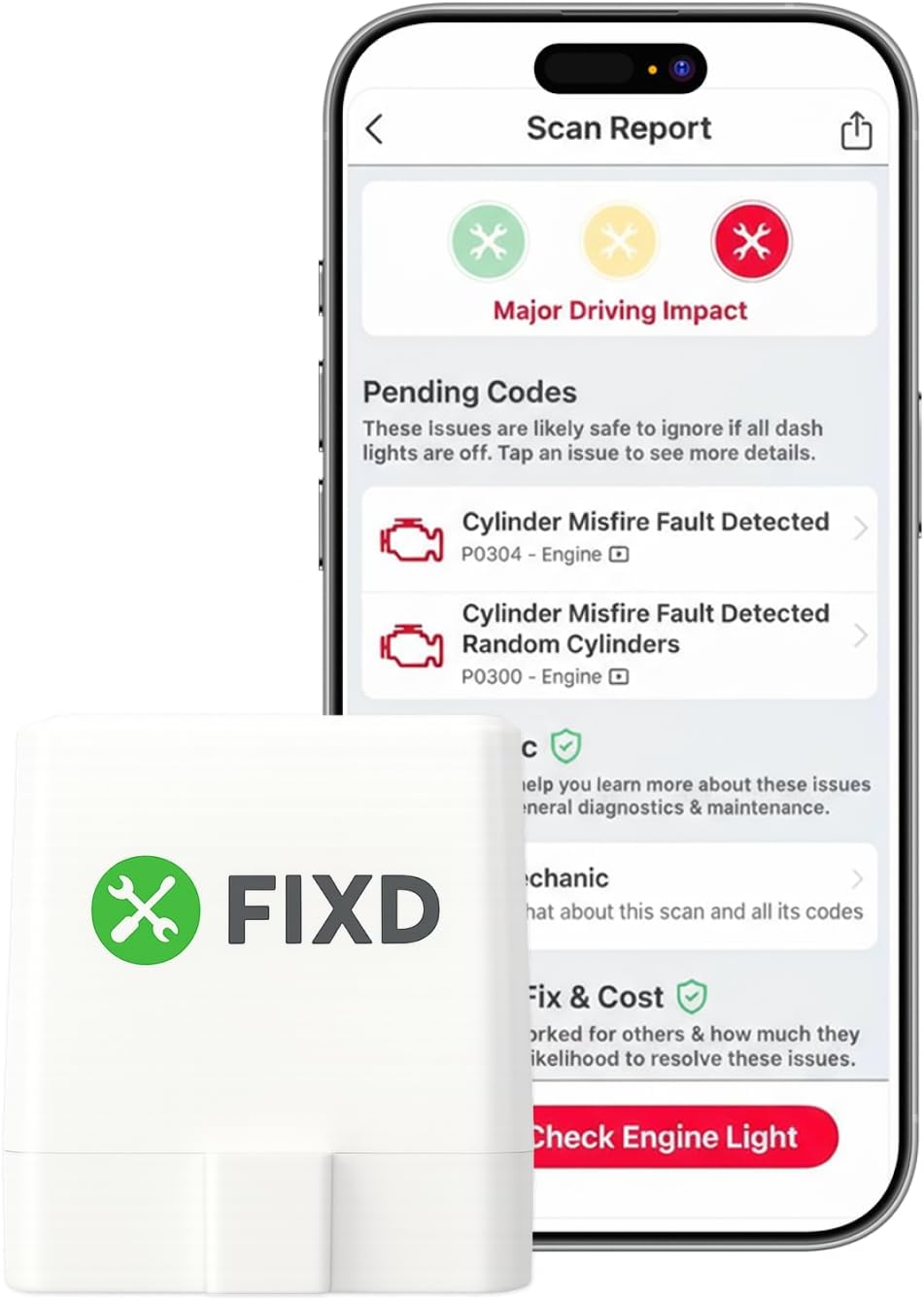
Best Bluetooth OBD2 Scanner
Detect 39,000+ Issues With Enhanced Codes. Save $1000s on car repairs & buying used vehicles by diagnosing problems yourself.
Shop on Amazon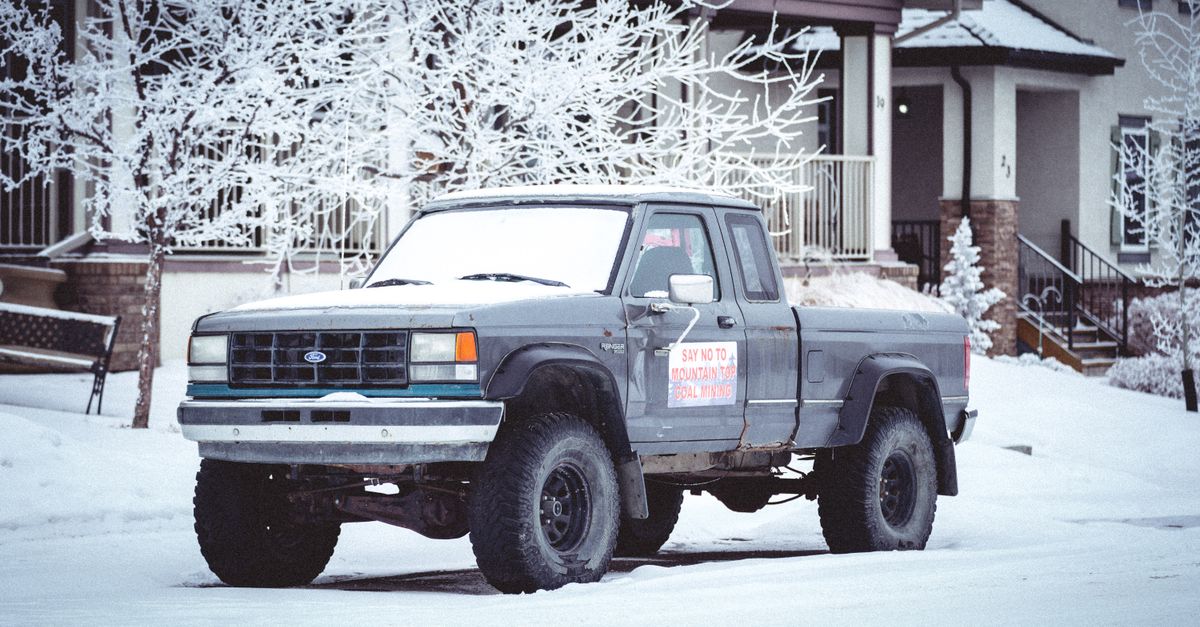
Key Takeaways
- A solid Ford Ranger check engine light usually indicates minor issues like a loose gas cap or faulty oxygen sensor, while a flashing light signals dangerous misfires requiring immediate attention to prevent catalytic converter damage.
- The most common check engine light triggers on Rangers are EVAP system leaks, ignition coil misfires (especially on EcoBoost engines), and failed oxygen sensors—all diagnosable with an affordable OBD-II scanner to read diagnostic trouble codes.
- Invest in a quality OBD-II scanner to read and clear codes yourself; preventive maintenance following Ford’s service schedule (spark plugs every 60,000 miles on EcoBoost, fuel filters every 20,000 miles on diesel) stops most check engine light issues before they start.
- Never clear codes without identifying and fixing the root cause first, or the check engine light will return; always record trouble codes and verify the problem is solved before resetting.
- Use only OEM or quality aftermarket parts like Motorcraft, Bosch, or Denso for critical emissions components; cheap sensors often fail within 20,000 miles and won’t calibrate properly with your Ranger’s PCM.
- Seek professional help immediately for flashing check engine lights if you cannot identify the cause, as severe misfires can overheat and destroy your catalytic converter within minutes, resulting in $2,000+ in damage.
Understanding the Warning Lights
Types of Warning Lights and What They Mean
Your Ford Ranger’s dashboard displays different warning lights for different severity levels. The check engine light (also called the malfunction indicator lamp or MIL) appears as an amber engine symbol. A solid light means the system detected a fault but the truck is usually safe to drive short distances. A flashing light indicates active engine misfires that can overheat and destroy your catalytic converter within minutes.
Other related lights include the oil pressure warning (red), coolant temperature warning (red), and the battery/charging system light. Don’t confuse these critical red warnings with the amber check engine light. Red lights demand immediate shutdown to prevent severe engine damage.
The check engine light stays illuminated until you fix the underlying problem and clear the code. Sometimes it resets itself after several drive cycles if the fault was temporary. But most issues require proper diagnosis and repair.
Role of Onboard Diagnostics in the Ford Ranger
Your Ranger’s OBD-II system continuously monitors dozens of sensors and systems. It tracks everything from oxygen sensor voltages to fuel trim adjustments to ignition timing. When a parameter falls outside programmed limits, the system stores a diagnostic trouble code (DTC) and illuminates the check engine light.
The OBD-II port is located under the dashboard on the driver’s side. You’ll need an OBD-II scanner to read stored codes. Modern scanners display five-character codes (like P0300 or P1450) along with brief descriptions. Understanding these codes is the first step toward fixing your Ranger.

Ford’s system uses both generic OBD-II codes and manufacturer-specific codes. Generic codes (starting with P0) work across all brands. Ford-specific codes (starting with P1) address platform-unique issues like the EVAP purge valve stuck open condition common on Rangers.
How the Malfunction Indicator Lamp Detects Issues
The powertrain control module (PCM) acts as your Ranger’s brain. It receives input from sensors throughout the engine bay, exhaust system, and fuel system. When sensor readings conflict or fall out of range, the PCM stores a fault code and triggers the MIL.
For example, if your upstream oxygen sensor reads lean but your fuel trims show rich conditions, the PCM knows something’s wrong. It might set a P0171 (system too lean) code. The light won’t tell you exactly what failed, that’s why you need a scanner to pull the specific DTC.
Some faults trigger the light immediately. Others require the problem to occur during two consecutive drive cycles before illuminating the lamp. This prevents nuisance warnings from temporary glitches. According to Ford’s technical service bulletins, the 2.3L EcoBoost engines are particularly sensitive to ignition system faults and will set misfire codes faster than older V6 models.
Most Common Causes
Loose or Faulty Gas Cap and Evaporative System Leaks
The EVAP system prevents fuel vapors from escaping into the atmosphere. A loose, damaged, or missing gas cap is the single most common check engine light trigger across all vehicles. On Rangers with the capless Easy Fuel system, inspect the rubber seal inside the filler neck for cracks or debris.
Code P0456 indicates a small EVAP leak. Code P1450 is Ford-specific and often points to a stuck-open purge valve. The purge valve controls vapor flow from the charcoal canister to the intake manifold. When it fails in the open position, you’ll get rough idle and fuel smell.
“My 2023 Ranger kept throwing P1450. Replaced the purge valve for $60 and problem solved. Dealer wanted $400 for diagnosis.” via Ranger5G Forum
Inspect all vacuum hoses connected to the EVAP canister for cracks. Check the fuel filler neck for damage from off-road impacts. A simple visual inspection catches most EVAP issues before you spend money on parts.
Ignition System Issues (Coils, Spark Plugs, Misfires)
Misfire codes (P0300 through P0304) are extremely common on EcoBoost Rangers. The 2.3L turbocharged four-cylinder runs high cylinder pressures that stress ignition components. Coil packs fail prematurely, especially on trucks used for towing or extended idling.
Symptoms include rough idle, hesitation under acceleration, and reduced fuel economy. A flashing check engine light during acceleration means severe misfires are happening right now, pull over immediately. Continued driving will overheat the catalytic converter and cause $2,000+ in damage.
Spark plugs should be replaced every 60,000 miles on EcoBoost engines. Use only Motorcraft or OEM-equivalent plugs gapped to Ford’s specifications. Cheap plugs won’t survive turbo boost pressures. Coil packs can fail earlier: inspect them if you’re experiencing misfires before the 100,000-mile mark.
Oxygen Sensors, MAF Sensor, and Fuel Delivery Problems
Oxygen sensors monitor exhaust gases to optimize fuel mixture. Your Ranger has upstream (pre-cat) and downstream (post-cat) sensors. Upstream sensors control fuel trim: downstream sensors monitor catalyst efficiency. Failed O2 sensors trigger codes P0130–P0159 depending on bank and location.
The mass airflow (MAF) sensor measures incoming air volume. Carbon buildup from oily aftermarket air filters fouls the sensor element, causing codes P0101 or P0171. Never over-oil reusable filters. Clean the MAF sensor with dedicated MAF cleaner spray, never carburetor cleaner, which damages the delicate element.
Fuel delivery issues include clogged fuel filters (especially on diesel Rangers), failing fuel pumps, and dirty injectors. These typically trigger lean condition codes (P0171/P0174) or fuel system codes. Diesel Rangers are particularly sensitive to contaminated fuel and require regular fuel filter changes every 20,000 miles.
Catalytic Converter and Emissions System Concerns
Code P0420 or P0430 indicates catalyst efficiency below threshold. This doesn’t always mean the converter is dead. Often, failed oxygen sensors falsely report low efficiency. Replace the downstream O2 sensor first before condemning the expensive catalytic converter.
True catalyst failure usually follows severe misfires or coolant/oil contamination. If you’ve been driving with a flashing check engine light, you’ve likely damaged the catalyst by dumping unburned fuel into the exhaust. EGR valve issues (common on diesel Rangers) can also trigger catalyst codes.
According to data from RepairPal, catalytic converter replacement is the most expensive check engine light repair. Prevention is key: fix misfires immediately, use quality fuel, and don’t ignore upstream problems that contaminate the exhaust stream.
Diagnosing and Troubleshooting
Using an OBD-II Scanner and Reading DTCs
Invest in a quality OBD-II scanner like the OBDlink. Basic code readers cost $20–$30 and display fault codes. Better scanners ($80–$150) show live sensor data, freeze frame information, and offer code definitions. Pro-level tools even suggest likely causes.
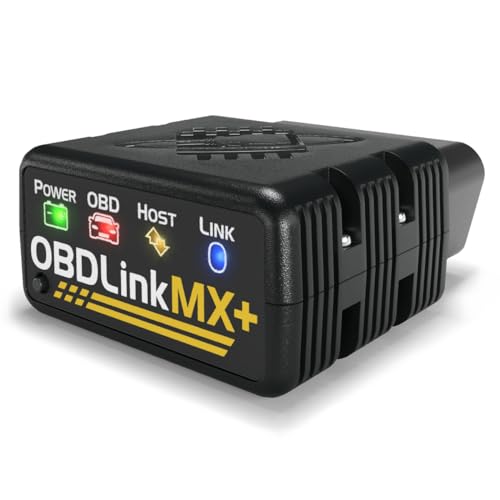
Plug the scanner into the OBD-II port under the dash. Turn the ignition to “on” without starting the engine. Select “Read Codes” on your scanner. Write down all codes, both pending and confirmed. Pending codes haven’t triggered the light yet but indicate developing problems.
Search each code online with “Ford Ranger” added to your query. Forums like Ranger5G and TheRangerStation have detailed discussions about platform-specific issues. Cross-reference multiple sources before ordering parts.
Step-by-Step Troubleshooting Process
Start with the easiest fixes first. For EVAP codes, inspect the gas cap and filler neck. For misfire codes, pull the spark plugs and examine them for fouling or damage. Check oil and coolant levels, low fluids can trigger multiple codes.
Use your scanner’s live data feature to watch sensor readings. Compare them against normal values from service manuals or online resources. For example, your MAF sensor at idle should read 3–7 grams per second on a healthy 2.3L EcoBoost. Readings outside this range indicate a dirty or failed sensor.
“Pulled code P0128. Thermostat was stuck open, common issue on 3.2L diesel Rangers. $45 part, 30-minute job.” via r/FordRanger
Create a diagnosis checklist: verify all fluid levels, inspect visible wiring and vacuum lines, test suspect sensors, swap coil packs between cylinders to see if the misfire follows, and monitor short-term and long-term fuel trims for mixture problems.
When to Seek Professional Help
Some faults require specialized equipment to diagnose properly. Intermittent electrical issues, complex driveability concerns, and transmission-related codes often need dealer-level scan tools. If you’ve replaced obvious parts but the light returns, professional diagnosis saves money in the long run.
Flashing check engine lights always warrant immediate professional attention if you can’t identify the cause. Severe misfires damage expensive components quickly. Turbo wastegate codes on EcoBoost Rangers may indicate actuator failure, a repair requiring special tools and calibration.
Diesel Rangers with EGR or DPF codes need careful diagnosis. Deleting emissions equipment is illegal and will cause inspection failures. Work with shops experienced in diesel diagnostics. According to NHTSA technical reports, improper diesel repairs are a leading cause of subsequent emissions system failures.
Fixing, Resetting, and Prevention
How to Safely Reset and Clear Codes
Never clear codes before recording them and identifying the root cause. Clearing codes without fixing the problem just masks symptoms. The light will return, sometimes immediately. Some emissions monitors need several drive cycles to reset after clearing codes, meaning you could fail an inspection even after repairs.
To clear codes with a scanner, select “Clear Codes” or “Erase DTCs.” Turn the ignition off, wait 30 seconds, then start the engine. The light should stay off if you’ve fixed the problem. Drive through varied conditions (city, highway, idle) to allow the system to run all monitors.
Disconnecting the battery also clears codes but erases radio presets and adaptive learning. Use this method only if your scanner lacks a clear function. Disconnect the negative terminal for 15 minutes, reconnect, and drive immediately to begin the relearning process.
Tips for Maintenance and Emissions Compliance
Preventive maintenance stops most check engine lights before they start. Follow Ford’s service schedule religiously:
- Spark plugs: Every 60,000 miles (EcoBoost), 100,000 miles (V6)
- Oxygen sensors: Inspect at 100,000 miles, replace as needed
- Air filter: Every 30,000 miles or yearly
- Fuel filter: Every 20,000 miles (diesel), 40,000 miles (gas)
- MAF sensor cleaning: Every oil change if using reusable air filters
Use quality fuel from Top Tier certified stations. Cheap gas contains fewer detergents and contributes to carbon buildup. On EcoBoost engines, occasional Italian tune-ups (sustained highway acceleration under load) help burn carbon deposits from valves and turbos.
Inspect your capless fuel filler regularly for debris. Keep the rubber seal clean and pliable. Replace it every few years if you frequently refuel in dusty or dirty conditions.
Actions to Avoid Future Issues
Address check engine lights promptly. Small problems become expensive failures when ignored. A $60 purge valve becomes a $400 catalytic converter job if you drive for months with a stuck valve dumping raw fuel into the exhaust.
Avoid cheap aftermarket sensors. Stick with Motorcraft, Bosch, or Denso parts for critical emissions components. Off-brand O2 sensors often fail within 20,000 miles and may not calibrate properly with Ford’s PCM.
Invest in a good dedicated OBD-II scanner for your Ranger. Knowledge is power, being able to pull codes immediately helps you decide whether to drive home or call a tow truck. Modern scanners pay for themselves after one avoided unnecessary dealer visit.

Keep detailed maintenance records. Document all repairs, parts replaced, and when codes occurred. Patterns emerge over time, like coil packs failing every 80,000 miles or O2 sensors going bad at 120,000 miles. This historical data guides future troubleshooting and helps mechanics diagnose complex issues faster.
Frequently Asked Questions
What does a solid vs. flashing check engine light mean on a Ford Ranger?
A solid check engine light indicates minor issues like a loose gas cap or faulty oxygen sensor—your Ranger is usually safe to drive short distances. A flashing check engine light signals dangerous misfires requiring immediate attention to prevent catalytic converter damage within minutes.
How do I read diagnostic trouble codes on my Ford Ranger check engine light?
Use an OBD-II scanner plugged into the diagnostic port under the dashboard. Select ‘Read Codes’ with the ignition on but engine off. Scanners display five-character codes (like P0300 or P1450) along with descriptions. Ford uses generic codes (P0) and manufacturer-specific codes (P1) for platform-unique issues.
What’s the most common cause of a Ford Ranger check engine light?
A loose, damaged, or missing gas cap is the single most common trigger. On Rangers with capless Easy Fuel, inspect the rubber seal in the filler neck for cracks or debris. EVAP system leaks, especially a stuck-open purge valve, are also frequent culprits triggering codes like P0456 or P1450.
Why do EcoBoost Ford Rangers get misfire codes so frequently?
The 2.3L turbocharged four-cylinder runs high cylinder pressures that stress ignition components, causing coil packs to fail prematurely. Misfire codes (P0300–P0304) are common, especially on trucks used for towing. Replace spark plugs every 60,000 miles with OEM-equivalent plugs to prevent misfires.
Can I clear the check engine light code myself, or do I need professional help?
You can clear codes with a scanner by selecting ‘Clear Codes’ after identifying the root cause, but never clear without fixing the problem first—the light will return. Some issues require specialized dealer-level equipment, especially flashing lights, turbo faults, and intermittent electrical problems.
How much does a catalytic converter replacement cost when triggered by a Ford Ranger check engine light?
Catalytic converter replacement is the most expensive check engine light repair. However, it’s often not the actual problem—a failed downstream oxygen sensor can falsely report low efficiency. Always replace the O2 sensor first before condemning the expensive converter to save money.
Read More:
- Ford Check Engine Light (Means and Step-By-Step Diagnosis)
- Ford Escape Check Engine Light (Quick Diagnostic Guide for DIY Owners)
- Ford Focus Check Engine Light (Here’s the Fixes You Can Do Today)
- Ford Fiesta Check Engine Light (Here’s the Critical Reasons Behind It)
- Ford Explorer Check Engine Light (Here’s the Quick Fix Guide)