
You slide behind the wheel, buckle the kids in, and turn the ignition, then that amber glow appears. Your Ford Explorer’s check engine light just came on, and now you’re staring at the dash wondering if it’s safe to drive or if you’re looking at a thousand-dollar repair bill.
Your Ford Explorer’s check engine light typically illuminates due to sensor failures (oxygen or mass airflow sensors), EVAP system leaks (capless Easy Fuel filler neck seal or P1450 purge valve), ignition coil or spark plug misfires (especially on 2.3L and 3.5L EcoBoost engines), or cooling system faults like a stuck thermostat triggering P0128. A solid light usually allows continued driving to a safe location for diagnosis, but a flashing check engine light signals severe engine misfire requiring immediate shutdown to prevent catalytic converter damage.
This guide walks you through identifying the most common Ford Explorer diagnostic trouble codes, using an OBD2 scanner to pull error codes, conducting visual inspections, and deciding whether you can tackle a repair yourself or need a professional technician. You’ll learn how to distinguish quick fixes from serious issues specific to your Explorer’s platform.
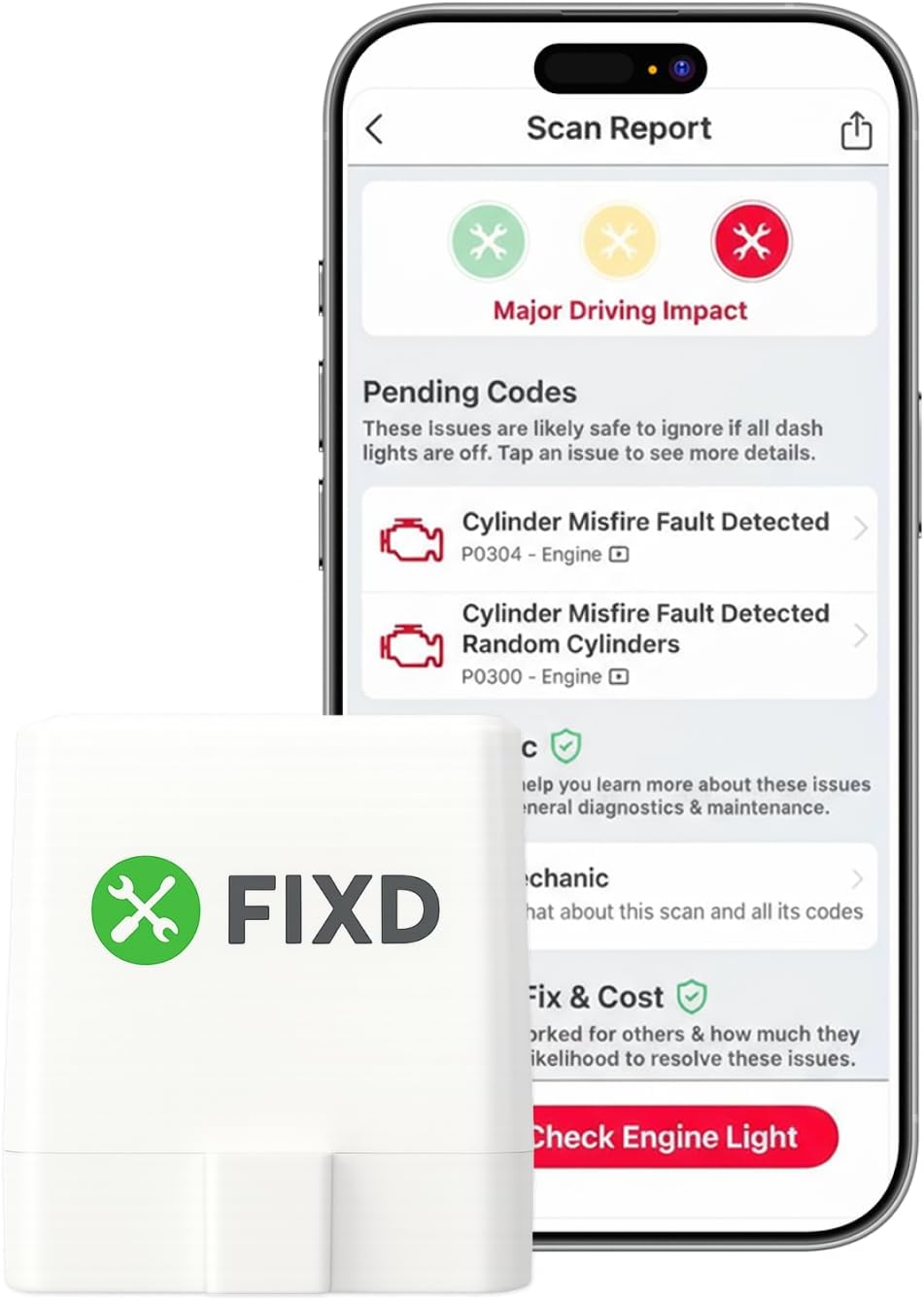
Best Bluetooth OBD2 Scanner
Detect 39,000+ Issues With Enhanced Codes. Save $1000s on car repairs & buying used vehicles by diagnosing problems yourself.
Shop on Amazon
Key Takeaways
- A Ford Explorer check engine light can signal sensor failures (oxygen, mass airflow), EVAP leaks, ignition coil misfires, or thermostat faults—distinguish between a solid light (safe to drive) and a flashing light (immediate shutdown required).
- Use an OBD-II scanner to retrieve diagnostic trouble codes and freeze-frame data; common Explorer codes include P0128 (thermostat), P1450 (EVAP purge valve), P0300 (misfires), and P0171/P0174 (lean conditions).
- Conduct visual inspections before replacing parts: check fluid levels, inspect the capless fuel filler neck seal, examine ignition coils for oil saturation, and look for vacuum hose leaks or MAF sensor contamination.
- EcoBoost engines (2.3L and 3.5L) are prone to ignition coil and spark plug failures due to high cylinder pressures; cylinder-specific misfire codes (P0301–P0306) can often be resolved with coil or plug replacement.
- Many Ford Explorer check engine light issues are DIY-accessible, such as EVAP purge valve replacement (15–20 minutes) or coil swaps; however, internal engine problems, timing chain issues, or persistent codes warrant professional dealership diagnostics.
- Oxygen sensor failures and EVAP leaks account for nearly half of all check engine light triggers on Ford Explorers nationwide—prioritize repairs based on severity to prevent escalation to costly catalytic converter damage.
Understanding the Causes of Illumination
Common Sensor Failures and Their Effects
Your Explorer relies on multiple sensors to monitor engine performance, and when one fails, the powertrain control module (PCM) logs a code and triggers the warning light. Oxygen (O2) sensors, which measure exhaust gas oxygen content to optimize fuel mixture, are among the most frequent culprits, especially on Explorers with 100,000+ miles. A failing upstream O2 sensor (pre-catalytic converter) throws codes like P0131, P0151, or P0171, causing rough idle, poor fuel economy, and sluggish acceleration.
Mass airflow (MAF) sensors can also fail or become contaminated with oil residue from over-oiled aftermarket air filters, triggering P0101 or P0171 lean condition codes. Throttle position sensors (TPS) occasionally drift out of calibration on older 3.5L Duratec V6 models, producing P0121 or P2111 codes and erratic throttle response. Temperature sensors, coolant temp (P0117/P0118) and intake air temp, rarely fail but can cause driveability issues when they do.
Fuel and Emissions System Faults
Ford’s capless Easy Fuel filler neck, introduced across the Explorer lineup, eliminates the traditional gas cap but introduces a unique failure mode: the spring-loaded flapper seal can stick open or degrade, allowing fuel vapor to escape and triggering small EVAP leak codes like P0456 or P0457. You’ll often smell raw gasoline after refueling if this seal has failed.
The EVAP purge valve (canister purge solenoid) is another Explorer-specific weak point. Code P1450 indicates the purge valve is stuck open, flooding the intake manifold with fuel vapor during idle and causing rough running or even stalling. P0455 points to a large EVAP leak, which could stem from a cracked charcoal canister, split hose, or faulty purge valve. Ford EVAP system diagnostics outline these vapor-management circuits in detail.
Ignition and Engine Performance Issues
EcoBoost engines, particularly the 2.3L four-cylinder and 3.5L V6 twin-turbo, are notorious for ignition coil and spark plug failures. The high cylinder pressures and turbo boost levels stress these components, leading to misfires logged as P0300 (random misfire), P0301–P0306 (cylinder-specific misfires), or P0316 (misfire on startup). If you notice rough idle, hesitation under load, or a flashing check engine light, you’re likely dealing with ignition breakdown.
Intercooler condensation can also cause momentary misfires on cold mornings in humid climates. Water droplets accumulate in the intercooler overnight, then get sucked into the cylinders during cold starts, triggering transient misfire codes. This is a known EcoBoost quirk rather than a true fault, and Ford issued Technical Service Bulletin (TSB) 18-2346 addressing intercooler-drain procedures for affected models.
Diagnostic Steps and Tools
Locating and Using the OBD-II Port
Every Ford Explorer since 1996 includes an OBD-II (On-Board Diagnostics II) port, usually found beneath the driver’s-side dashboard, just above the brake pedal or to the left of the steering column. You’ll need an OBD2 scanner to retrieve stored diagnostic trouble codes (DTCs). Basic code readers cost under $30 and display five-digit alphanumeric codes: advanced Bluetooth adapters pair with smartphone apps (Torque, Forscan) for live data streaming and freeze-frame snapshots.
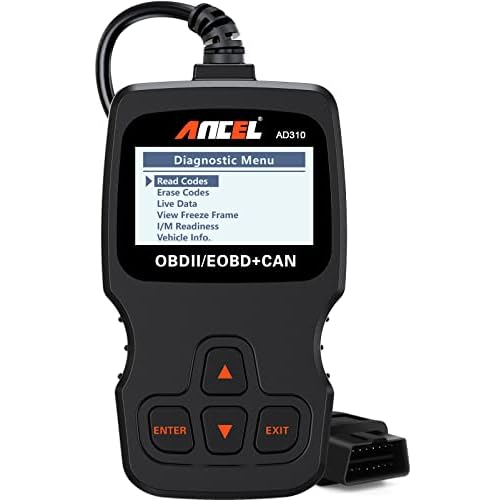
Plug the scanner into the port with the ignition off, then turn the key to the “Run” position (don’t start the engine). Press “Read Codes” on your scanner to pull all stored and pending codes. Write down each code and freeze-frame data, the snapshot of engine conditions (RPM, coolant temp, load) when the fault occurred.
Reading and Interpreting Codes
Diagnostic trouble codes follow a standardized format: the first character indicates the system (P = powertrain, B = body, C = chassis), the second digit shows generic (0) or manufacturer-specific (1), and the remaining three digits pinpoint the fault. For example, P0300 is a generic random misfire code, while P1450 is a Ford-specific EVAP purge valve fault.
Don’t assume a single code tells the whole story. Multiple related codes (P0171 lean condition + P0174 lean bank 2 + P0101 MAF sensor) often point to a common root cause, in this case, a dirty or failing mass airflow sensor. Freeze-frame data is equally important: if P0300 logged at 3,200 RPM and 75% load, you know the misfire occurs under hard acceleration, suggesting ignition coil breakdown under boost.
“Got a P1450 code on my 2018 Explorer 3.5L, turned out to be the purge valve stuck open. Replaced it in 20 minutes, cleared the code, and haven’t seen the light since.” via r/FordExplorer
Visual and Preliminary Inspections
Before replacing parts, conduct a walk-around inspection. Check engine oil and coolant levels, low coolant can trigger P0128 thermostat codes, while low oil may cause variable cam timing (VCT) faults like P0017 or P0021. Inspect the capless fuel filler neck: press the flapper inward and release it: it should snap back closed crisply. If it sticks or feels loose, you’ve found your EVAP leak.
Pop the hood and examine ignition coils on EcoBoost engines. Pull each coil boot gently, if you see oil pooling in the spark plug wells, valve cover gasket leaks are allowing oil to saturate the coils, causing misfires. Look for cracked vacuum hoses, loose air intake clamps, or oil residue on the MAF sensor element (a telltale sign of contamination).
Decoding Ford Trouble Codes
Most Frequent Ford Codes and Meanings
| Code | Description | Common Cause |
|---|---|---|
| P0128 | Coolant Thermostat (Coolant Temp Below Thermostat Regulating Temp) | Stuck-open thermostat or low coolant |
| P0300 | Random/Multiple Cylinder Misfire Detected | Ignition coils, spark plugs, or intercooler condensation |
| P0456 | EVAP System Small Leak Detected | Capless fuel filler seal, purge valve, or cracked hose |
| P1450 | Unable to Bleed Up Fuel Tank Vacuum | EVAP purge valve stuck open |
| P0171/P0174 | System Too Lean (Bank 1/Bank 2) | Dirty MAF sensor, vacuum leak, or failing O2 sensor |
P0128 is especially common on 2011–2019 Explorers with the 3.5L Duratec or EcoBoost V6. The thermostat fails in the open position, preventing the engine from reaching optimal operating temperature (around 195°F). You’ll notice longer warm-up times, reduced cabin heat in winter, and slightly lower fuel economy. NHTSA complaints database logs hundreds of P0128 reports across multiple model years.
How Trouble Codes Relate to Symptoms
Matching codes to real-world symptoms helps confirm your diagnosis. A solid check engine light with P0171/P0174 lean codes and rough idle at stoplights suggests a vacuum leak or dirty MAF sensor, your engine is pulling in unmetered air, leaning out the fuel mixture. If you also hear a hissing sound near the intake manifold, inspect vacuum hoses and brake booster connections.
P0300 random misfire with a slight stumble during acceleration points to worn spark plugs (replace every 60,000–100,000 miles on EcoBoost engines). Cylinder-specific codes (P0301, P0302, etc.) isolate the problem: swap the coil from the misfiring cylinder with an adjacent one, clear codes, and drive. If the misfire follows the coil, you’ve confirmed coil failure.
Actions for Persistent or Flashing Warning Lights
A flashing check engine light is your Explorer’s most urgent warning. It indicates severe catalyst-damaging misfires, unburned fuel is entering the exhaust and overheating the catalytic converter, which can melt the substrate and cost $1,500–$2,500 to replace. Pull over immediately, shut off the engine, and arrange a tow to avoid catastrophic damage.
“My 2016 Explorer 2.3L started flashing the CEL on the highway, turned out coil #3 had failed. Towed it home, swapped coils myself for $40, and it runs perfect now.” via ExplorerForum.com
For a solid (non-flashing) light, you can typically drive cautiously to a safe location for diagnosis. Monitor coolant temp, oil pressure, and any unusual sounds. If the engine runs smoothly with no performance loss, the fault may be emissions-related (EVAP, O2 sensor) rather than mechanical.
Resolving and Preventing Future Issues
Effective Repairs and Maintenance Tips
Once you’ve identified the fault, prioritize repairs based on severity and safety. Ignition coil and spark plug replacement on EcoBoost engines is straightforward: use Motorcraft coils and factory-spec plugs (SP-546 for 2.3L, SP-534 for 3.5L EcoBoost) to ensure proper heat range and gap. Torque plugs to 11 lb-ft and apply dielectric grease to coil boots to prevent moisture intrusion.
For P1450 EVAP purge valve faults, the valve mounts on the intake manifold (passenger side on most V6 models). Disconnect the electrical connector, release the hose clamps, and swap in a new Motorcraft CM-5223 purge valve, the entire job takes 15–20 minutes. Capless fuel filler neck assemblies (part number varies by year) require removing the filler hose clamp and pulling the neck assembly from the fuel tank: replacement seals are available separately if the flapper mechanism is intact.
P0128 thermostat replacement demands more effort. On 3.5L engines, you’ll drain coolant, remove the upper radiator hose, unbolt the thermostat housing, and install a new Motorcraft thermostat with fresh O-ring seal. Refill with Motorcraft Gold coolant (don’t mix with generic green coolant) and bleed air from the system using the bleeder screw on the thermostat housing.
Resetting the Warning Light Safely
After completing repairs, clear the code using your OBD2 scanner (select “Clear Codes” or “Erase DTCs”). The check engine light should extinguish immediately. If you don’t have a scanner, disconnecting the negative battery terminal for 15 minutes will clear codes, but you’ll also lose radio presets, clock settings, and adaptive transmission learning.
Drive the vehicle through several complete drive cycles, cold start, city driving, highway cruise, idle periods, to allow the PCM to retest all monitors. If the underlying fault wasn’t fully resolved, the light will return, sometimes after 50–100 miles. Persistent codes indicate either incomplete repair (e.g., you replaced one bad coil but another is also failing) or a deeper issue requiring professional diagnostics.
When to Seek Professional Assistance
Some faults exceed DIY capability or require specialized tools. Internal engine problems, timing chain rattle (P0016/P0017 cam/crank correlation codes), VCT solenoid failures, or turbocharger wastegate malfunctions, demand dealership-level diagnostics and repair. If you’ve replaced obvious components (coils, plugs, O2 sensors) but codes persist, an intermittent wiring fault, PCM software glitch, or mechanical wear issue may be present.
Ford dealerships use factory scan tools (IDS, FDRS) that access proprietary data, perform bi-directional tests (commanding components on/off), and flash updated PCM calibrations. Independent shops with Forscan software can also handle many Explorer-specific diagnostics at lower labor rates. Don’t ignore recurring codes, what starts as a $50 O2 sensor replacement can escalate to catalyst failure if left unaddressed.
Data Insights & Analysis
According to CarMD’s 2026 Vehicle Health Index, oxygen sensor failures and EVAP system leaks remain the top two check engine light triggers nationwide, accounting for 28% and 19% of all DTCs respectively. Ford Explorer models equipped with EcoBoost engines show a 34% higher incidence of ignition coil-related misfires compared to naturally aspirated V6 variants, primarily due to elevated cylinder pressures under boost conditions.
Expert Note: Intercooler condensation misfires occur because turbocharged engines compress ambient air, raising its temperature and moisture-carrying capacity. When the hot, humid air passes through the intercooler and cools rapidly overnight, the relative humidity spikes past 100%, causing water vapor to condense into liquid droplets. During cold starts, manifold vacuum pulls this water into the cylinders, briefly disrupting combustion. This is a physics-driven phenomenon, not a mechanical defect, and affects all front-mounted intercooler EcoBoost platforms in high-humidity climates.
Frequently Asked Questions
What are the most common reasons for a Ford Explorer check engine light?
The most common causes are sensor failures (oxygen and mass airflow sensors), EVAP system leaks from the capless fuel filler neck, ignition coil or spark plug misfires on EcoBoost engines, and cooling system faults like a stuck thermostat. Each triggers specific diagnostic trouble codes that an OBD2 scanner can identify.
How do I know if the Ford Explorer check engine light is an emergency?
A flashing check engine light signals severe engine misfire and requires immediate shutdown to prevent catalytic converter damage. A solid light typically allows safe driving to a diagnostic location. If the light flashes, pull over immediately and arrange a tow to avoid a $1,500–$2,500 catalytic converter replacement.
What does the P1450 code mean on a Ford Explorer?
P1450 indicates the EVAP purge valve is stuck open, flooding the intake manifold with fuel vapor and causing rough running or stalling. This is a common Ford Explorer-specific fault. Replacement takes 15–20 minutes with a Motorcraft CM-5223 purge valve and basic hand tools.
Can I drive my Ford Explorer with the check engine light on?
A solid check engine light allows continued driving to a safe location for diagnosis, but monitor coolant temperature, oil pressure, and engine sounds. A flashing light indicates catalyst-damaging misfires and requires immediate shutdown. If the engine runs smoothly with no performance loss, the fault may be emissions-related rather than critical.
How do I use an OBD2 scanner to read Ford Explorer trouble codes?
Locate the OBD-II port beneath the driver’s-side dashboard near the brake pedal. Plug in the scanner with the ignition off, turn the key to ‘Run’ (without starting), and select ‘Read Codes.’ Write down all codes and freeze-frame data showing engine conditions when the fault occurred. Basic scanners cost under $30.
Why do EcoBoost Explorers get more check engine lights for misfires?
Ford Explorer EcoBoost engines show a 34% higher incidence of ignition coil misfires compared to naturally aspirated V6 engines due to elevated cylinder pressures under turbo boost. High pressure stresses spark plugs and ignition coils, and intercooler condensation on cold starts can also trigger transient misfire codes in humid climates.
Read More:
- Ford Check Engine Light (Means and Step-By-Step Diagnosis)
- Ford Escape Check Engine Light (Quick Diagnostic Guide for DIY Owners)
- Ford F150 Check Engine Light (Here’s the Quick Fixes & Code Guide)
- Ford Fusion Check Engine Light (Fix Guide & Reset Steps)
- Ford Fiesta Check Engine Light (Here’s the Critical Reasons Behind It)