
You’re driving your Kia Forte to work when that dreaded yellow engine icon suddenly illuminates on your dashboard. Your heart sinks, is it serious? Can you still drive? Will this cost hundreds at the dealership?
The check engine light in your Kia Forte signals that the onboard diagnostic system (OBD-II) has detected a fault in the emissions control system, engine performance, or sensor network, ranging from a loose gas cap ($0 fix) to a failing catalytic converter (up to $1,200 repair). A solid light indicates a non-urgent issue you should address within a few days, while a flashing light means immediate engine damage is occurring (usually a misfire) and you should pull over safely.
Understanding the specific trouble code behind that warning is the first step toward a smart, budget-conscious repair. Whether you’re dealing with common Forte issues like P0420 (catalyst efficiency), P0171 (lean fuel condition), or P0300 (random misfire), this guide walks you through fast checks, diagnostic tools, and when to visit a mechanic versus handling it yourself.
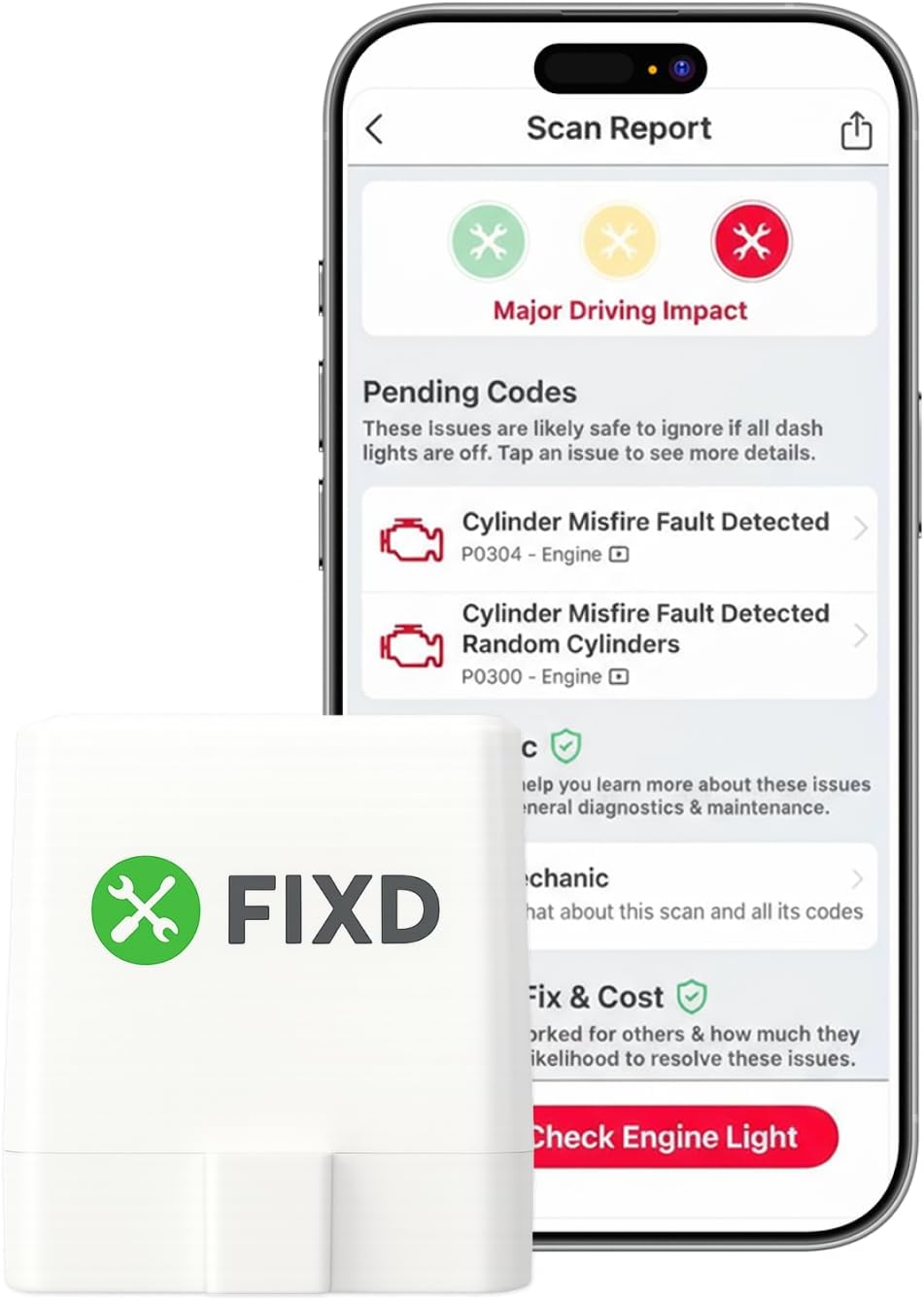
Best Bluetooth OBD2 Scanner
Detect 39,000+ Issues With Enhanced Codes. Save $1000s on car repairs & buying used vehicles by diagnosing problems yourself.
Shop on Amazon
Key Takeaways
- A solid check engine light in your Kia Forte indicates a non-urgent emissions or performance issue to address within days, while a flashing light signals active engine misfires requiring immediate attention to prevent catalytic converter damage.
- Common Kia Forte check engine light causes include oxygen sensor failure, faulty catalytic converters, loose gas caps, and mass airflow sensor issues—many diagnosed and fixed by owners using a $25 OBD-II scanner.
- Reading your trouble codes with an OBD-II scanner takes minutes and reveals whether you need a simple DIY fix (gas cap, MAF cleaning) or professional help (timing chain issues, fuel system problems, or warranty-related recalls).
- Flashing check engine lights require immediate action to avoid turning a $150 spark plug repair into a $1,200+ catalytic converter replacement, so pull over safely and arrange professional diagnostics.
- Preventive maintenance—regular spark plug and air filter replacement, quality synthetic oil changes every 5,000 miles for GDI engines, and periodic gas cap inspection—keeps your Kia Forte’s check engine light off and extends sensor lifespan.
- Check the NHTSA recall database for your VIN before visiting a mechanic; models like 2019–2021 Fortes may qualify for free Knock Sensor Detection System repairs that incorrectly trigger warning lights.
What Does the Check Engine Light Mean in Your Kia Forte?
The check engine light (CEL) is your Forte’s built-in alarm system. Kia’s Engine Control Unit (ECU) monitors over 100 sensors across your 1.6T GDI, 2.0L naturally aspirated, or GT turbocharged engine. When readings fall outside acceptable parameters, fuel trim too lean, oxygen sensor voltage stuck, ignition coil misfiring, the ECU logs a diagnostic trouble code (DTC) and triggers that amber warning.
A solid check engine light means the system detected a problem that affects emissions or performance but isn’t causing immediate damage. You can typically drive a short distance to a safe location or auto parts store. A flashing check engine light is the automotive equivalent of a fire alarm: it indicates active engine misfires that can overheat and destroy your catalytic converter within minutes, potentially turning a $150 ignition coil repair into a $1,200+ converter replacement.
Many Forte owners first encounter the CEL after fueling up (loose gas cap), during cold starts (fouled spark plugs in high-mileage 2.0L engines), or after hitting a pothole (dislodged sensor connector). The NHTSA recall database also lists Knock Sensor Detection System (KSDS) issues on 2019–2021 models (recall 21V-338), which can trigger P1326 codes and illuminate the light even when the engine runs fine.
Most Common Causes of a Check Engine Light in Kia Fortes
Oxygen Sensor Failure
Kia Fortes (especially 2014–2018 models with over 80,000 miles) frequently throw P0133 or P0141 codes when upstream or downstream oxygen sensors degrade. These sensors measure exhaust gas oxygen content to fine-tune the air-fuel mixture. A failing O2 sensor causes poor fuel economy (up to 15% worse MPG), rough idle, and hesitation during acceleration. Carbon buildup from short city commutes accelerates sensor contamination.
Replacing an oxygen sensor is straightforward for DIYers with a wrench and an OBD-II scanner like the FIXD. Upstream sensors (Bank 1 Sensor 1) are more critical and cost $40–$80, while downstream sensors run $30–$60. If you ignore a bad O2 sensor, the ECU defaults to a “limp mode” fuel map that can eventually damage your catalytic converter.

Faulty Catalytic Converter
Code P0420 (Catalyst System Efficiency Below Threshold) is the second most common CEL trigger in Fortes with 100,000+ miles. Your catalytic converter uses precious metals to reduce harmful emissions: over time, carbon deposits, oil contamination from worn valve seals, or overheating from persistent misfires degrade its honeycomb structure. You’ll notice sluggish acceleration, a sulfur “rotten egg” smell, and declining fuel economy.
Catalytic converter failure often results from neglecting upstream issues, driving on a flashing CEL, skipping oil changes in GDI engines, or using low-quality fuel. Car and Driver notes that aftermarket cats cost $300–$600, while OEM Kia converters run $800–$1,200 installed. Regular maintenance (spark plug replacement every 60,000 miles, quality synthetic oil) extends converter life.
Loose or Damaged Gas Cap
The simplest CEL culprit: a loose, cracked, or missing gas cap. Kia’s Evaporative Emission Control System (EVAP) maintains a sealed fuel system to prevent vapor leaks. Codes P0440, P0441, or P0455 indicate a large EVAP leak, often triggered within 20 minutes of refueling if you didn’t tighten the cap until it clicks three times.
Before panicking, pull over, remove your gas cap, inspect the rubber seal for cracks, and reinstall it firmly. Drive through two or three complete drive cycles (cold start, 10+ minutes of varied driving, engine off), and the light often clears itself. A replacement OEM Kia gas cap costs $12–$18 and takes 30 seconds to install, the easiest $0 diagnostic you’ll ever perform.
Mass Airflow Sensor Issues
The Mass Airflow (MAF) sensor on your Forte measures incoming air volume so the ECU can calculate the correct fuel injection amount. When carbon buildup or oil residue from a dirty air filter coats the sensor’s hot-wire element, you’ll see codes like P0101 or P0171 (System Too Lean). Symptoms include hard starting, stalling at idle, and hesitation during acceleration.
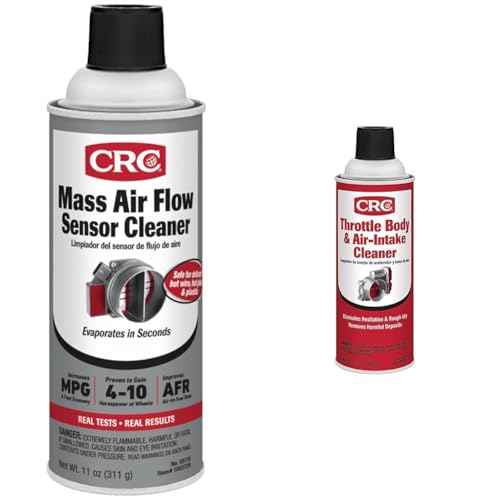
Cleaning your MAF sensor with CRC MAF Cleaner takes five minutes: locate the sensor between the air filter box and throttle body, unplug the connector, remove two screws, spray the sensor wires (don’t touch them), let it dry, and reinstall. Replace your engine air filter every 15,000–20,000 miles to prevent repeat contamination. A new MAF sensor costs $80–$150 if cleaning doesn’t resolve the issue.
How to Diagnose Your Kia Forte Check Engine Light
Using an OBD-II Scanner to Read Trouble Codes
The fastest path to answers is reading the stored diagnostic codes yourself. Every Kia Forte since 1996 has an OBD-II port under the dashboard, left of the steering column. Plug in a basic code reader (Amazon has models from $25) or a Bluetooth adapter like the BlueDriver, turn the ignition to “ON” without starting the engine, and retrieve the codes within seconds.

Common Kia Forte trouble codes you’ll encounter:
- P0300–P0304: Random or cylinder-specific misfire (check spark plugs, ignition coils, or fuel injectors)
- P0171/P0174: System too lean (vacuum leak, dirty MAF sensor, weak fuel pump)
- P0420/P0430: Catalyst efficiency below threshold (failing catalytic converter or O2 sensor)
- P0440/P0455: EVAP system leak (gas cap, purge valve, or cracked vapor hose)
- P1326: Knock Sensor Detection System fault (2019–2021 recall-related)
Write down all codes and their “freeze frame” data (vehicle speed, engine temp, fuel trim when the code set). Cross-reference codes with the official Kia owner resources or forums like KiaForteForums.com where owners share model-specific solutions. Many auto parts stores offer free code reading, but owning your scanner saves repeated trips and lets you clear codes after repairs.
When to Take Your Kia Forte to a Mechanic
Some CEL issues are perfect weekend DIY projects: others require professional diagnostics. If your check engine light is flashing, pull over immediately and arrange a tow, continuing to drive risks catalytic converter damage costing four times a basic misfire repair. Persistent misfires (P0300-series codes) on multiple cylinders may indicate low compression, a jumped timing chain, or failed VVT solenoid, all requiring shop tools and expertise.
Seek professional help when you encounter codes like P0017 (Crankshaft/Camshaft Position Correlation), which suggests timing chain stretch common in high-mileage 1.6T engines, or P0016 on 2.0L models. Fuel system codes (P0087, low fuel rail pressure) might stem from a failing in-tank pump requiring tank removal. And any airbag, ABS, or transmission-related code that triggers the CEL warrants immediate dealer attention for warranty coverage and safety.
“My 2017 Forte threw P1326 and the dealer said it’s the KSDS recall, free fix, took two hours. Don’t skip checking recalls first.” via r/kia
Before visiting a shop, document your symptoms (idle quality, fuel economy changes, unusual noises), retrieve your codes, and check the NHTSA recall site for your VIN. This prep work prevents unnecessary diagnostics charges and helps you communicate clearly with your technician.
How to Reset the Check Engine Light on a Kia Forte
After fixing the underlying issue, you have three ways to clear the CEL. With an OBD-II scanner, select “Clear Codes” or “Erase DTCs” in the menu, the light should extinguish immediately. Alternatively, disconnect your battery’s negative terminal for 15 minutes to force an ECU reset (note: this erases radio presets and may require a re-learn idle procedure).
The no-tool method: drive through 2–3 complete drive cycles. A drive cycle includes a cold start (engine off 8+ hours), idling for two minutes, steady 45–55 mph cruise for 10 minutes, deceleration, and city driving with stops. The Forte’s readiness monitors will run self-tests and, if all systems pass, the light clears automatically.
Important: Clearing codes before confirming the repair simply resets the symptom, not the cause. If you erase a P0420 code without replacing the failing catalyst, the light returns within 20–50 miles. Many states require all readiness monitors to show "Ready" for emissions testing: clearing codes resets these monitors to "Not Ready," so avoid clearing immediately before an inspection.
“Tightened my gas cap, drove for three days, and the P0455 code cleared itself. Saved me $100 in shop diagnostics.” via ForteOwners.com
Watch for the light’s return pattern: if it comes back within 10 miles, the primary repair failed: if it returns after 200+ miles under specific conditions (highway cruising, cold weather), you may have an intermittent sensor or wiring issue requiring advanced diagnostics.
Preventing Future Check Engine Light Problems
Prevention beats reactive repairs. Follow Kia’s maintenance schedule religiously: replace spark plugs every 60,000 miles (copper) or 100,000 miles (iridium), change engine oil every 5,000 miles for GDI engines (7,500 for conventional), and install a fresh engine air filter annually. GDI engines are especially sensitive to oil quality, use only API SP or higher full-synthetic oil to minimize carbon buildup on intake valves and sensors.
Inspect your gas cap seal quarterly and replace it every 50,000 miles or if you spot cracks. Keep your fuel tank above one-quarter full to prevent sediment from clogging the fuel pump filter and causing lean codes. Address rough idle or hesitation immediately rather than waiting for a CEL, early intervention prevents $200 repairs from escalating into $1,000+ jobs.
Invest in a quality OBD-II scanner and check for pending codes (stored but not yet triggering the light) during oil changes. This proactive monitoring catches sensor drift before it causes drivability issues. Finally, stay informed: subscribe to Kia’s recall notifications for your VIN and join owner forums where fellow Forte drivers share real-world solutions to model-specific quirks. Your Forte is an economical, reliable commuter, treat it right, and that check engine light will remain off for thousands of worry-free miles.
Frequently Asked Questions
What does the check engine light mean in a Kia Forte?
The check engine light signals that your Kia Forte’s onboard diagnostic system (OBD-II) detected a fault in the emissions control, engine performance, or sensor network. A solid light indicates a non-urgent issue to address within days, while a flashing light means active engine damage (usually misfire) and requires immediate stop.
What are the most common causes of check engine light in Kia Fortes?
Common causes include oxygen sensor failure (P0133/P0141), catalytic converter issues (P0420), loose gas cap (P0440/P0455), mass airflow sensor problems (P0101/P0171), and random misfires (P0300-P0304). Older models with high mileage frequently experience sensor degradation.
Can I drive my Kia Forte with the check engine light on?
A solid check engine light allows short-distance driving to a safe location or auto parts store. However, a flashing light indicates active misfires that can destroy your catalytic converter within minutes, turning a $150 repair into a $1,200+ replacement. Pull over immediately if flashing.
How do I read check engine codes on my Kia Forte?
Plug an OBD-II scanner (available for $25+) into your Forte’s OBD-II port under the dashboard left of the steering column. Turn ignition to ‘ON’ without starting the engine and retrieve codes within seconds. Many auto parts stores also offer free code reading services.
How much does it cost to fix a check engine light issue in a Kia Forte?
Repair costs vary significantly: a loose gas cap is a free fix, oxygen sensors cost $40–$80, MAF sensor cleaning is minimal, but a failing catalytic converter runs $800–$1,200 for OEM parts. Identify the specific trouble code first to understand repair costs accurately.
How do I prevent check engine light problems in my Kia Forte?
Follow Kia’s maintenance schedule: replace spark plugs every 60,000–100,000 miles, change oil every 5,000 miles for GDI engines, replace air filters annually, and inspect gas cap seals quarterly. Use API SP synthetic oil, keep fuel above one-quarter tank, and address rough idle immediately to prevent escalation.
Read More:
- Kia Soul Check Engine Light (Means, Causes and How to Fix It)
- Kia Sportage Check Engine Light (Here’s the Complete Owner’s Guide)
- Kia Sorento Check Engine Light (Here’s the Causes & How to Fix It)
- Kia Telluride Check Engine Light (Means and Fast Diagnostic Guide)
- Kia Check Engine Light (Complete Troubleshooting Guide)