
That amber check engine light glowing on your Kia K5 instrument cluster can be unsettling, especially when you’re mid-commute. Whether you’re driving a 1.6T, 2.5L, or 2.5T GT, that warning means your onboard diagnostics (OBD-II) system has detected a fault code.
The Kia K5 check engine light typically indicates issues ranging from a loose gas cap, faulty oxygen sensor, catalytic converter degradation, or mass air flow sensor problems, all of which trigger your powertrain control module (PCM) to log a diagnostic trouble code (DTC) and illuminate the dashboard warning.
A flashing check engine light signals severe misfire conditions, often turbo boost leaks or ignition coil failure, requiring immediate attention to prevent catalytic converter damage. A solid light usually allows safe driving while you diagnose the root cause using an OBD-II scanner and inspect common failure points like spark plugs, EVAP system components, and thermal management modules.
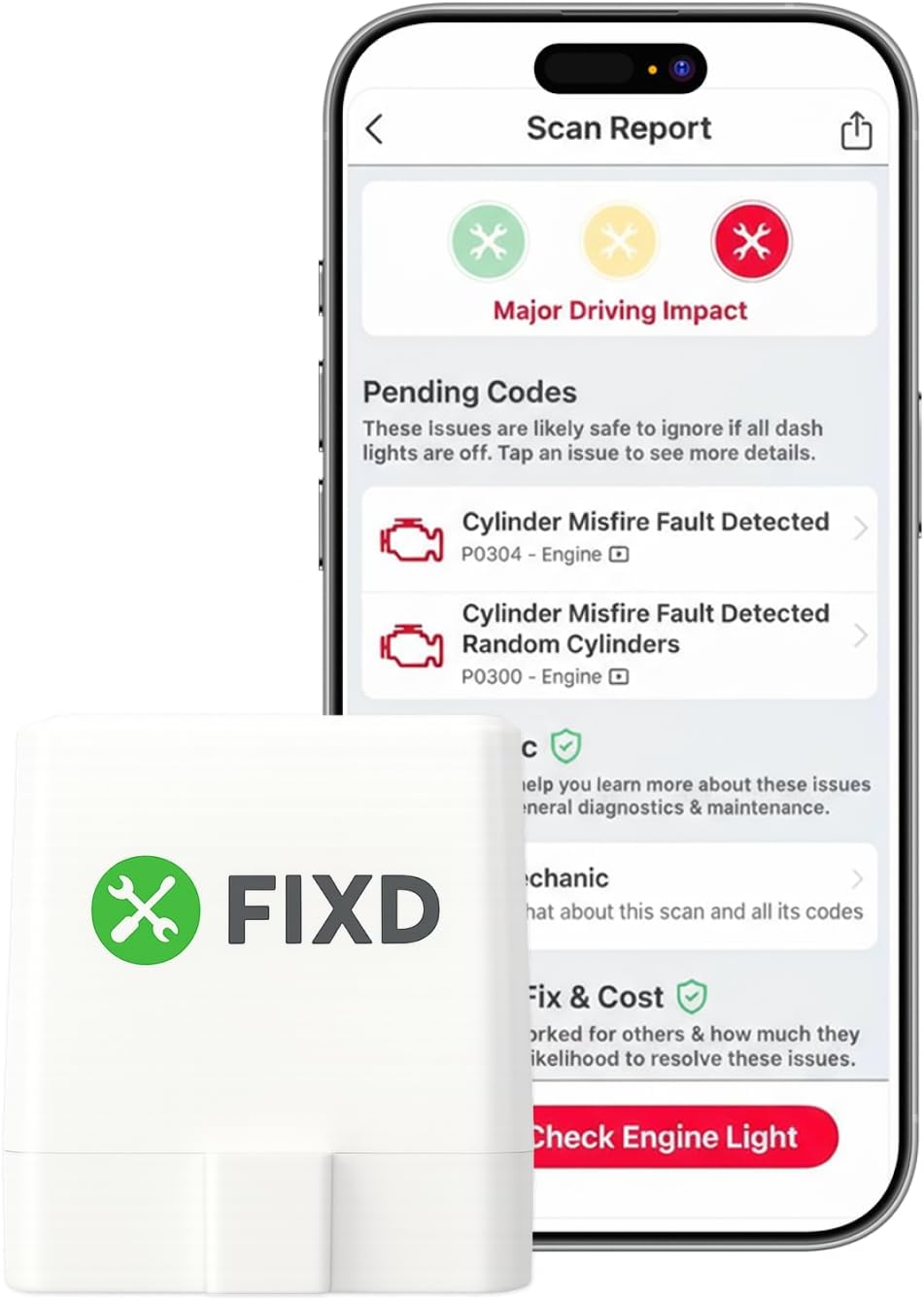
Best Bluetooth OBD2 Scanner
Detect 39,000+ Issues With Enhanced Codes. Save $1000s on car repairs & buying used vehicles by diagnosing problems yourself.
Shop on Amazon
Key Takeaways
- A Kia K5 check engine light indicates the onboard diagnostics system has detected a fault code, with causes ranging from a loose gas cap to oxygen sensor failure or catalytic converter issues.
- A flashing check engine light signals severe engine misfire and requires immediate attention to prevent catalytic converter damage, while a solid light typically allows safe driving to a service location.
- Use an OBD-II scanner to read trouble codes on your K5, then address common culprits like oxygen sensors, mass air flow sensors, or EVAP system leaks before attempting to reset the light.
- You can safely drive a Kia K5 with a solid check engine light but should avoid high speeds and heavy loads; pull over immediately if the light flashes to prevent engine damage.
- Prevent future check engine light issues by following Kia’s maintenance schedule, using Top Tier fuel, regularly inspecting your gas cap and air filters, and checking oil levels frequently.
What Does the Light Indicate?
Your K5’s check engine light is your PCM’s way of telling you it’s detected an issue affecting emissions, engine performance, or transmission function. Modern Smartstream turbo engines rely on dozens of sensors, oxygen sensors, knock sensors, camshaft position sensors, to maintain peak efficiency and low emissions. When any parameter falls outside factory-programmed thresholds, the PCM logs a fault code and triggers the light.
The system monitors everything from air-fuel ratios to turbo boost pressure. Even minor deviations, like a vacuum leak in the EVAP system or a failing downstream O2 sensor, can trip the warning. The light doesn’t tell you what’s wrong, only that something requires your attention.
Understanding the Difference Between Solid and Flashing Lights
A solid check engine light means your K5 has detected a fault that doesn’t immediately threaten engine integrity. You can typically drive to a safe location, pull codes with an OBD-II scanner, and diagnose the issue methodically. Common triggers include oxygen sensor degradation, minor EVAP leaks (P0441, P0455), or a loose gas cap.
A flashing check engine light is urgent. It signals active engine misfire, often in multiple cylinders, that can overheat and destroy your catalytic converter within minutes. Causes include failed ignition coils, fouled spark plugs under boost, or turbo boost leaks starving cylinders of proper air-fuel mixture. Pull over immediately, turn off the engine, and arrange for towing or very gentle driving to a service facility.
Flashing lights on turbocharged K5 models (1.6T, 2.5T GT) often coincide with rough idle, hesitating acceleration, or loss of boost pressure. Don’t ignore it, catalytic converter replacement can exceed $2,000, and warranty claims require prompt action.
Most Common Causes
Oxygen Sensor Failure
Your K5 uses upstream and downstream oxygen sensors to monitor exhaust gas composition and adjust fuel delivery. Upstream sensors (pre-catalytic converter) fail more often due to heat and contamination from oil or coolant leaks. Symptoms include poor fuel economy, sluggish throttle response, and codes like P0131, P0132, P0171.
Replacement typically takes 30–45 minutes per sensor. OEM Kia sensors ensure proper ECU calibration, though aftermarket options like Bosch premium oxygen sensors offer reliable alternatives. Always clear codes after replacement and complete a full drive cycle to reset readiness monitors.

Faulty Catalytic Converter
Catalytic converter failure is less common on newer K5s but can occur from prolonged driving with misfires or using low-quality fuel. You’ll notice sluggish acceleration, sulfur smell from the exhaust, and codes P0420 (catalyst efficiency below threshold) or P0430. Converter substrates degrade over time, especially if the engine runs rich or burns oil.
Kia’s powertrain warranty covers catalytic converters up to 8 years/80,000 miles in most states (10 years/100,000 miles in California). Document all service records and act quickly, delaying replacement worsens fuel economy and can trigger additional sensor failures.
Loose or Damaged Gas Cap
The simplest culprit: a loose, cracked, or missing gas cap breaks the EVAP system seal, allowing fuel vapors to escape. Your K5’s PCM detects the pressure drop and logs codes P0455 (large EVAP leak) or P0457 (loose gas cap). You might hear a hissing sound when removing the cap or notice a fuel odor.
Tighten the cap until it clicks three times. If the light doesn’t clear after 20–40 miles of driving, inspect the cap’s rubber seal for cracks. A replacement OEM gas cap costs $15–$25 and prevents nuisance codes. The STANT fuel cap with tether is a direct-fit upgrade offering improved seal durability.

Mass Air Flow Sensor Issues
The MAF sensor measures incoming air volume, critical for turbo engines that rely on precise air-fuel ratios under boost. Contamination from dirty air filters or oil residue causes erratic readings, triggering codes P0101, P0102, or P0103. Symptoms include rough idle, hesitating acceleration, and black smoke from the exhaust.
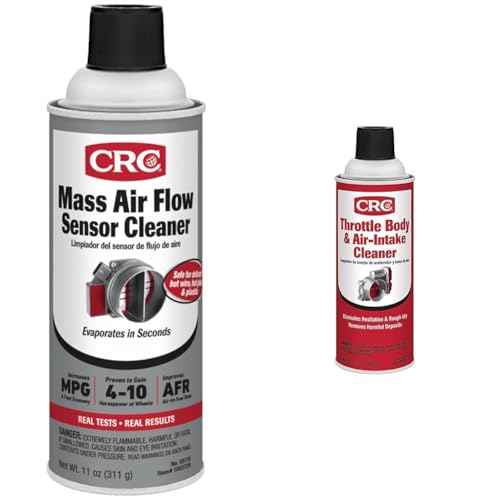
Clean the MAF sensor using CRC MAF sensor cleaner, never touch the delicate platinum hot-wire element. Spray from 4–6 inches away, let it air-dry completely, then reinstall. Replace your cabin and engine air filters every 15,000 miles to prevent repeat contamination.
How to Diagnose
Using an OBD-II Scanner to Read Trouble Codes
An OBD-II scanner is your first diagnostic tool. Plug the scanner into the 16-pin port under your K5’s dashboard (driver’s side, near the steering column). Turn the ignition to “on” without starting the engine, then follow the scanner’s prompts to retrieve stored and pending codes.
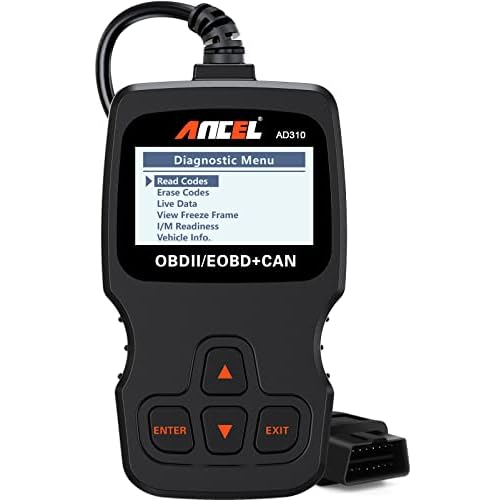
Budget scanners like the ANCEL AD310 read and clear basic powertrain codes (P-codes). Advanced Bluetooth adapters, like the BlueDriver OBD2 scanner, connect to your smartphone, display live sensor data, and provide Kia-specific code definitions and repair reports.
Write down all codes before clearing them. Cross-reference codes using resources like OBD-Codes.com or the Kia Owners Portal for manufacturer-specific bulletins. Some codes point directly to a component (P0301 = cylinder 1 misfire), while others require deeper diagnosis (P0171 = system too lean, bank 1).
Complete a test drive after repairs to confirm the PCM doesn’t re-trigger the same code. Monitor freeze-frame data, snapshots of engine conditions when the fault occurred, to identify patterns like cold-start misfires or boost-pressure anomalies at wide-open throttle.
What to Do
First, assess the light’s behavior. If it’s flashing, pull over safely and shut down the engine. If it’s solid, reduce speed and avoid hard acceleration or towing loads until you’ve pulled codes.
Check simple fixes first: tighten your gas cap, inspect for obvious vacuum line disconnections, and verify your oil level using the dipstick. Low oil pressure, especially on turbo models, can trigger the check engine light alongside the oil pressure warning. Top off with the correct viscosity (5W-30 full synthetic for turbo engines) if needed.
If you’re near a dealership and your K5 is under warranty, schedule an appointment immediately. Kia’s 5-year/60,000-mile basic warranty and 10-year/100,000-mile powertrain warranty cover most engine and emissions components. Document the date and mileage when the light appeared, some TSBs (technical service bulletins) and recalls address specific check engine light issues.
“My 2021 K5 GT threw a P0299 code (turbo underboost) at 18k miles. Dealer found a split intercooler hose, covered under warranty, fixed in 90 minutes.” via KiaForum.com
For out-of-warranty K5s or simple fixes, use your OBD-II scanner to pull codes, then tackle repairs yourself or visit an independent shop. Keep all receipts and documentation, resale value depends on a clean maintenance history.
Can You Drive With It?
Solid light: Yes, but with caution. Avoid sustained high speeds, heavy loads, or aggressive acceleration. Your K5 may enter “limp mode” to protect the engine, limiting power and RPM. Drive to a safe location and diagnose the issue within 50–100 miles.
Flashing light: No. Driving with active misfires risks catastrophic catalytic converter damage. Unburned fuel enters the exhaust, overheating the converter substrate and causing it to melt or disintegrate. Tow the vehicle or drive very gently (under 2,000 RPM, under 30 mph) for the shortest distance possible.
Monitor for secondary symptoms: overheating (coolant temperature gauge), abnormal noises (knocking, rattling), or loss of boost pressure. If you smell burning oil, see smoke from the exhaust, or hear grinding sounds, shut down the engine immediately.
“Drove my 2022 K5 1.6T for 200 miles with a solid CEL (P0420 cat efficiency). No issues, but fuel economy dropped 15%. Fixed it at my next oil change.” via r/kia
Some states require all emissions monitors to be “ready” for inspection. Driving with a check engine light keeps monitors incomplete, causing automatic inspection failure. Address the issue promptly to avoid registration delays.
How to Reset
Method 1: OBD-II Scanner
Plug in your scanner, navigate to “Clear Codes” or “Erase DTCs,” and confirm. This erases stored fault codes and turns off the light. The PCM will re-trigger the light if the underlying issue persists, typically within 10–50 miles.
Method 2: Battery Disconnect
Disconnect the negative battery terminal for 10–15 minutes to reset the PCM. This clears all stored codes and learned fuel trims but also resets radio presets, clock, and other settings. Reconnect, start the engine, and let it idle for 5 minutes to relearn base parameters.
Method 3: Drive Cycle
After repairs, complete a full Kia drive cycle: cold start, idle for 2 minutes, drive at steady highway speeds (55–65 mph) for 10 minutes, then city driving with multiple stops. This allows the PCM to run all self-tests and confirm the repair.
Never reset the light without addressing the root cause. Repeated resets without fixing the fault can mask serious issues and void warranty claims. Dealerships and inspection stations access your PCM’s fault-code history, they’ll see if codes were recently cleared.
Preventing Future Issues
Maintenance Schedule
Follow Kia’s severe-duty maintenance schedule if you drive in stop-and-go traffic, extreme temperatures, or dusty conditions. Change engine oil every 5,000 miles (turbo engines), replace spark plugs every 30,000 miles (1.6T) or 50,000 miles (2.5L/2.5T), and inspect ignition coils annually.
Quality Fuel and Additives
Use Top Tier gasoline (minimum 87 octane for 1.6T/2.5L: 91+ recommended for 2.5T GT) to prevent carbon buildup on intake valves and injectors. Run a bottle of Techron fuel system cleaner every 5,000 miles to maintain fuel system efficiency and prevent sensor contamination.
Inspect EVAP System Components
Check your gas cap seal every oil change. Inspect EVAP purge valves and charcoal canisters for cracks or blockages. Replace the cabin air filter every 15,000 miles and engine air filter every 30,000 miles to protect MAF sensors and turbo inlet systems.
Software Updates
Kia periodically releases PCM software updates addressing specific fault-code triggers, idle quality, and turbo calibration. Check the NHTSA recalls database and ask your dealer about available updates during routine service. Some updates resolve phantom check engine lights without hardware replacement.
Monitor Fluid Levels
Turbo engines demand consistent oil pressure. Check your oil level every 1,000 miles and watch for consumption patterns. Low oil triggers both the oil-pressure warning and check engine light. Use only Kia-approved 5W-30 full synthetic oil meeting API SP or ILSAC GF-6 standards.
Frequently Asked Questions
What does the check engine light mean on a Kia K5?
The Kia K5 check engine light indicates your powertrain control module (PCM) has detected a fault affecting emissions, engine performance, or transmission function. Common causes include a loose gas cap, faulty oxygen sensor, catalytic converter issues, or mass air flow sensor problems. Use an OBD-II scanner to retrieve the diagnostic trouble code (DTC) for precise diagnosis.
Is it safe to drive with a solid check engine light?
Yes, but with caution. A solid Kia K5 check engine light allows safe driving while you diagnose the issue. Avoid sustained high speeds, heavy loads, or aggressive acceleration. Your vehicle may enter limp mode. Drive to a safe location and address the problem within 50–100 miles to prevent secondary damage.
What should I do if my check engine light is flashing?
A flashing Kia K5 check engine light signals active engine misfire, an urgent condition threatening your catalytic converter. Pull over immediately and shut off the engine. Avoid driving; arrange for towing or drive very gently (under 2,000 RPM, under 30 mph) to a service facility. Unburned fuel can overheat and destroy the converter within minutes.
How do I read and clear the check engine light on my Kia K5?
Plug an OBD-II scanner into the 16-pin diagnostic port under your K5’s dashboard (driver-side, near the steering column). Turn on the ignition without starting, follow prompts to retrieve codes, and write them down. Clear codes via the scanner’s menu, then complete a full drive cycle (cold start, highway, city driving) to confirm the repair.
What are the most common causes of a Kia K5 check engine light?
The most common Kia K5 check engine light causes are oxygen sensor failure (P0131, P0132, P0171), loose or damaged gas cap (P0455, P0457), mass air flow sensor contamination (P0101-P0103), catalytic converter degradation (P0420), and turbo boost leaks. Inspect these components first and check your gas cap seal for cracks or improper sealing.
Can a loose gas cap trigger the check engine light on a Kia K5?
Yes, a loose, cracked, or missing gas cap is one of the simplest check engine light causes. It breaks the EVAP system seal, allowing fuel vapors to escape and triggering codes P0455 or P0457. Tighten the cap until it clicks three times. If the light persists after 20–40 miles, replace the cap (OEM caps cost $15–$25).
Read More:
- Kia Check Engine Light (Complete Troubleshooting Guide)
- Kia Forte Check Engine Light (Here’s the Complete Diagnostic Guide)
- Kia Sportage Check Engine Light (Here’s the Complete Owner’s Guide)
- Kia Sorento Check Engine Light (Here’s the Causes & How to Fix It)
- Kia Telluride Check Engine Light (Means and Fast Diagnostic Guide)