
That amber warning light on your Mazda 6’s instrument panel isn’t something to ignore. Whether you’re piloting a 2.5L SkyActiv, a turbocharged 2.5T, or an older V6, that check engine light signals your onboard computer has detected a fault.
The Mazda 6 check engine light activates when the ECU detects a fault in your engine, emissions, or drivetrain systems, triggered by oxygen sensor failures, catalytic converter inefficiency, mass airflow sensor issues, evaporative leak codes, spark plug misfires, or thermostat malfunctions. A solid light indicates non-urgent issues you should address soon, while a flashing light means immediate engine misfire damage requiring you to stop driving.
This guide walks you through diagnosis, common codes, repair steps, and reset procedures specific to Mazda 6 platforms. You’ll learn how to read trouble codes, identify severe versus minor warnings, and decide whether you can drive safely or need immediate service.
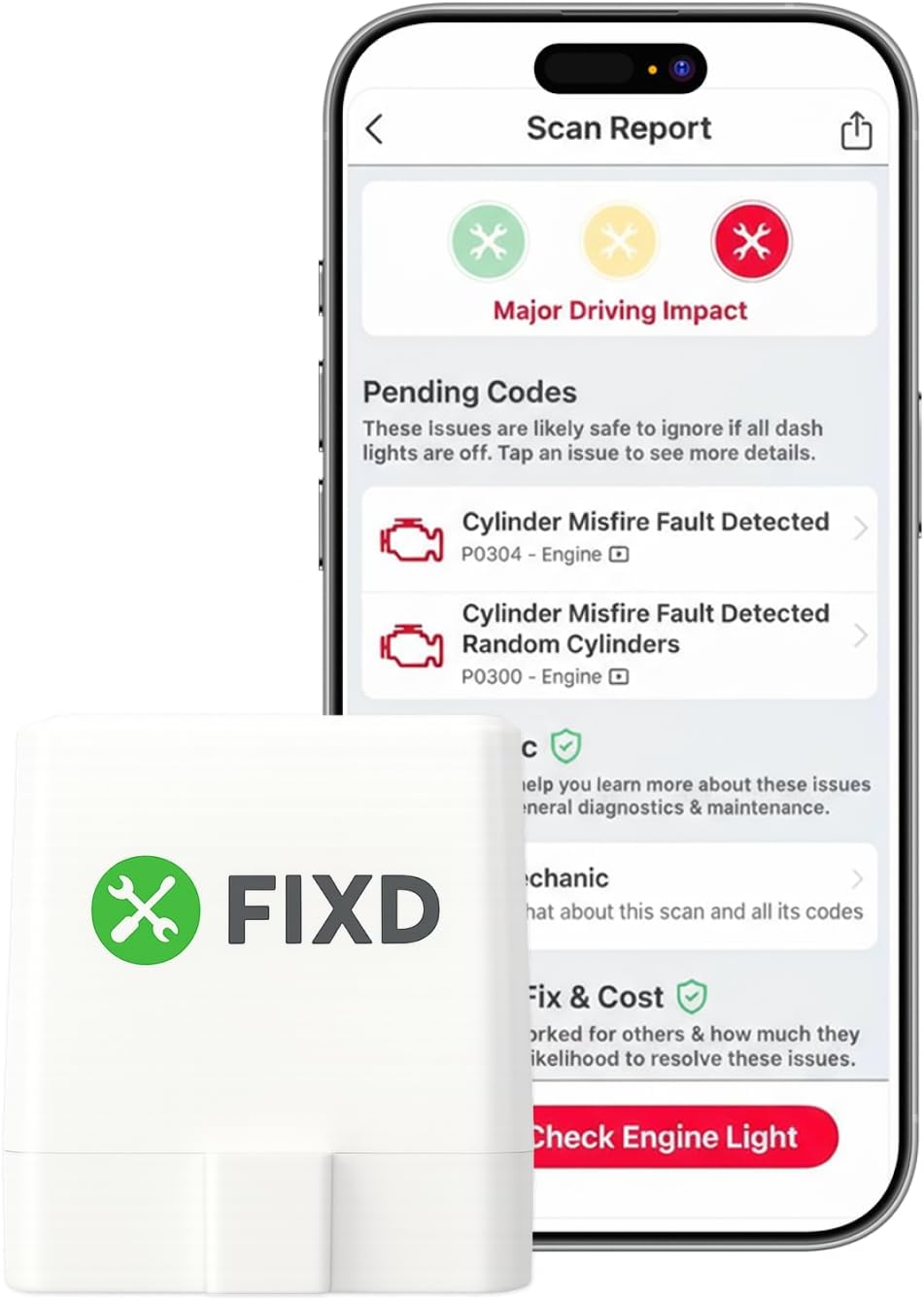
Best Bluetooth OBD2 Scanner
Detect 39,000+ Issues With Enhanced Codes. Save $1000s on car repairs & buying used vehicles by diagnosing problems yourself.
Shop on Amazon
Key Takeaways
- A Mazda 6 check engine light signals the ECU has detected a fault in engine, emissions, or drivetrain systems—a solid light allows short driving to service, while a flashing light indicates immediate misfire requiring you to stop and arrange a tow.
- The most common causes of check engine light activation are oxygen sensor failure (post-100,000 miles), catalytic converter inefficiency, mass airflow sensor problems, and spark plug misfires, each addressable through diagnosis with an OBD-II scanner.
- Reading trouble codes using an affordable Bluetooth OBD-II scanner lets you identify the specific fault before proceeding to repairs, potentially saving hundreds in unnecessary diagnostics at dealerships.
- Always diagnose and fix the root cause before resetting the check engine light, as clearing codes without repairs only erases the warning and causes the light to return within drive cycles.
- Oxygen sensor replacement ($155–$275) and spark plug service ($220–$400) are the most affordable fixes, while catalytic converter replacement ($1,000–$2,000) is expensive—so addressing upstream sensors first can prevent converter damage.
- Year-specific issues affect Mazda 6 models differently: 2014–2016 requires walnut blasting for GDI carbon buildup, 2018–2021 turbocharged models face fuel pump failures, and 2009–2013 V6 models need frequent oil changes to prevent valve timing solenoid stiction.
What Does It Mean?
Your Mazda 6’s check engine light is the visual output of the onboard diagnostics system (OBD-II). When sensors detect values outside normal operating parameters, like incorrect air-fuel ratios, exhaust oxygen levels, or ignition timing, the ECU logs a diagnostic trouble code (DTC) and illuminates the dashboard warning.
A steady amber light means the system found a fault that doesn’t pose immediate catastrophic risk. You can typically drive short distances to a safe location or diagnostic center. A flashing check engine light indicates active engine misfire, unburned fuel entering the exhaust, risking catalytic converter damage. Pull over immediately and arrange a tow.
Mazda 6 models from 2014 onward use SkyActiv engines with direct fuel injection and sophisticated emissions controls. These systems rely on precise sensor feedback. Even minor sensor drift, like a failing O2 sensor reading 0.2 volts off spec, triggers the light. Your car won’t necessarily feel broken, but the ECU has flagged a condition that affects emissions compliance or long-term durability.
Most Common Causes
Oxygen Sensor Failure
Oxygen sensors monitor exhaust gas composition before and after the catalytic converter. Mazda 6 platforms typically run four O2 sensors (two upstream, two downstream). When these sensors age past 100,000 miles, their zirconia elements degrade and response time slows. You’ll see codes like P0130, P0135, P0141, or P0161.
Symptoms include rough idle, hesitation during acceleration, and reduced fuel economy. The ECU can’t trim air-fuel ratios properly without accurate O2 feedback, so it defaults to open-loop mode and runs rich. Replace failed sensors with OEM-spec Denso oxygen sensors designed for SkyActiv exhaust temperatures.

“Changed my downstream O2 on my 2016 2.5L after getting P0141. Check engine light cleared and MPG went from 24 to 28.” via r/mazda6
Catalytic Converter Issues
Code P0420 (catalyst system efficiency below threshold) appears when the downstream O2 sensor readings mirror the upstream values too closely. This suggests the catalytic converter isn’t processing hydrocarbons and NOx effectively. High-mileage Mazda 6 sedans (150,000+ miles) or engines that burned oil can develop clogged honeycomb substrates.
Before replacing the converter, an expensive repair, verify upstream O2 sensors and spark plugs are healthy. Misfires dump unburned fuel into the exhaust, which overheats and damages the catalyst. According to RepairPal, catalytic converter replacement on a Mazda 6 averages $1,200–$2,500 depending on whether you need front or rear units.
Mass Airflow Sensor Problems
The MAF sensor sits between the air filter and throttle body, measuring incoming air volume. Carbon deposits from oil vapor (especially on turbocharged 2.5T models with PCV recirculation) coat the hot-wire element and skew readings. You’ll encounter P0101 (MAF circuit range/performance) or P0171/P0174 (system too lean).
Clean the sensor with CRC MAF cleaner spray, never touch the element with anything solid. If cleaning doesn’t resolve the code, replace the sensor. A faulty MAF causes the ECU to miscalculate fuel delivery, leading to surging, stalling, or black exhaust smoke.
How to Read DTCs
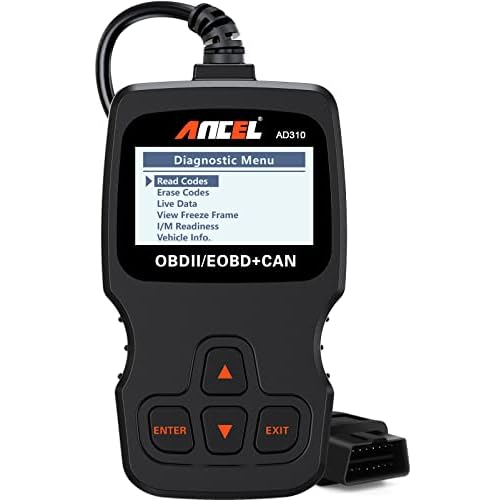
You’ll need an OBD-II code reader to pull stored trouble codes. Plug the scanner into the 16-pin diagnostic port under the driver-side dash (left of the steering column). Turn the ignition to ON without starting the engine, then select “Read Codes” on the scanner.
Codes follow a five-character format: P (powertrain), 0 (generic SAE code), and three digits identifying the specific fault. For example, P0126 means insufficient coolant temperature for stable fuel control. Write down all codes, sometimes multiple faults cascade from a single root cause.
Affordable scanners like the Ancel Bluetooth OBD2 scanner pair with smartphone apps that offer Mazda-specific code definitions, freeze-frame data, and emission readiness monitors. Professional-grade tools from Autel or Launch provide live sensor data streaming, letting you watch O2 voltage, MAF grams/second, and fuel trims in real time as you drive.
What to Do Now
Start with the simplest check: your gas cap. A loose, cracked, or missing cap triggers P0441, P0455, or P0456 (EVAP system leak). Remove the cap, inspect the rubber seal for cracks, and reinstall it until you hear three clicks. Drive through two complete warm-up cycles (cold start to full operating temp, then cool down). If the cap was the issue, the light clears automatically after the ECU runs its EVAP self-test.
Next, scan for codes. If you see misfire codes (P0300–P0304), pop the hood and inspect spark plugs and coil packs. SkyActiv GDI engines run lean air-fuel ratios and high compression, which stresses ignition components. Remove each coil, check for carbon tracking or oil pooling in the plug wells, and measure spark plug gaps (factory spec is 0.043–0.051 inches). Replace plugs every 75,000 miles or sooner if electrodes show heavy erosion.
Check your oil level and condition. Low oil pressure or contaminated oil can set P0524 or trigger variable valve timing codes (P0011, P0021). Mazda’s 2.5T requires 0W-20 synthetic changed every 5,000 miles to protect the turbocharger and VVT actuators. If oil is more than 1 quart low, top off immediately and investigate potential leaks or consumption issues.
Can You Drive It?
Solid check engine light: You can drive cautiously for short distances to reach a service center or safe parking area. Avoid aggressive acceleration, towing, or long highway trips. Monitor engine temperature, listen for unusual noises, and watch for secondary warning lights (oil pressure, temperature, or battery).
Flashing check engine light: Stop driving immediately. A flashing light indicates active misfire, raw fuel entering the exhaust can overheat and melt the catalytic converter’s ceramic substrate within minutes, turning a $150 spark plug job into a $2,000 converter replacement. Pull over safely, turn off the engine, and arrange a tow.
“Drove my ’18 Mazda 6 with a solid CEL for two weeks (P0126 code). No issues, but got it fixed when I had time. Flashing is a different story, don’t risk it.” via Mazda6Club
According to the National Highway Traffic Safety Administration, continuing to drive with active misfires increases emissions by up to 300% and can fail state emissions inspections. If you’re close to inspection deadlines, address the fault promptly.
How to Reset
After completing repairs, you can clear the check engine light using your OBD-II scanner. Select “Clear Codes” or “Erase DTCs.” The light should extinguish immediately. But, if the underlying fault persists, the light will return within a few drive cycles.
Alternatively, disconnect the negative battery terminal for 15 minutes to reset the ECU. This clears all stored codes and learned adaptations (idle speed, fuel trims). You’ll need to drive 50–100 miles for the ECU to relearn parameters and complete all OBD-II readiness monitors (catalyst, O2 sensor, EVAP).
Never reset the light without diagnosing the root cause. Clearing codes doesn’t fix the problem, it only erases the warning. State emissions tests check readiness monitors: if your ECU shows “not ready” status because you just cleared codes, you’ll fail inspection automatically. Drive through multiple warm-up cycles (city and highway) to set monitors before testing.
Year-Specific Issues
2014–2016 models: Early SkyActiv 2.5L engines experienced carbon buildup on intake valves (GDI doesn’t clean valves like port injection). This triggers P0300 random misfire codes around 80,000 miles. Walnut blasting the intake ports resolves the issue.
2018–2021 turbocharged 2.5T: High-pressure fuel pump failures cause P0087 (fuel rail pressure too low). Mazda issued TSB 01-002/21 covering diagnosis and replacement procedures. Symptoms include rough starts, loss of power under boost, and hesitation.
2009–2013 models (3.7L V6): Variable valve timing solenoids stick due to oil sludge, setting P0011/P0021 codes. Use 5W-30 synthetic oil and change intervals under 5,000 miles to prevent VVT actuator damage.
Average Repair Costs
| Fault | Parts | Labor | Total |
|---|---|---|---|
| Oxygen sensor | $80–$150 | $75–$125 | $155–$275 |
| Spark plugs + coils | $120–$220 | $100–$180 | $220–$400 |
| Mass airflow sensor | $90–$180 | $50–$100 | $140–$280 |
| Catalytic converter | $800–$1,600 | $200–$400 | $1,000–$2,000 |
| Gas cap | $15–$30 | DIY | $15–$30 |
| Thermostat (P0126) | $40–$80 | $120–$200 | $160–$280 |
Independent shops typically charge 20–30% less than dealerships. DIY repairs save labor costs but require basic tools: socket set, torque wrench, and an OBD-II scanner with live data. Always use OEM or OEM-equivalent parts for emissions components to ensure proper ECU communication and durability.

Frequently Asked Questions
What does the Mazda 6 check engine light mean?
The Mazda 6 check engine light indicates your onboard diagnostics system (OBD-II) has detected a fault in engine, emissions, or drivetrain systems. A solid light means a non-urgent issue you should address soon, while a flashing light indicates active engine misfire requiring immediate stops and towing.
What are the most common causes of a Mazda 6 check engine light?
Common causes include oxygen sensor failure, catalytic converter inefficiency, mass airflow sensor problems, spark plug misfires, EVAP system leaks, and thermostat malfunctions. Oxygen sensor failures are the most frequent issue, particularly on vehicles over 100,000 miles.
How do I read diagnostic trouble codes on my Mazda 6?
Use an OBD-II code reader plugged into the 16-pin diagnostic port under your driver-side dash. Turn ignition to ON without starting, then select ‘Read Codes.’ Codes follow a five-character format (P0XXX). Affordable Bluetooth scanners like BlueDriver pair with smartphone apps for Mazda-specific definitions.
Can I drive my Mazda 6 with a check engine light?
A solid check engine light allows cautious short-distance driving to a service center, but avoid aggressive acceleration or long trips. A flashing light indicates active misfire—stop immediately and arrange a tow, as continuing can damage your catalytic converter within minutes.
What should I do first when my Mazda 6 check engine light comes on?
Start by checking your gas cap—a loose or cracked cap triggers EVAP codes and is the easiest fix. Then scan for codes, inspect spark plugs if misfire codes appear, and verify oil level. If codes persist, professional diagnosis with an OBD-II scanner is recommended.
How much does it cost to repair a Mazda 6 check engine light issue?
Repair costs vary by fault: oxygen sensors ($155–$275), spark plugs ($220–$400), mass airflow sensors ($140–$280), gas caps ($15–$30), and catalytic converters ($1,000–$2,000). Independent shops typically charge 20–30% less than dealerships, and DIY repairs save labor costs.
Read More:
- Mazda Check Engine Light (Here’s the Complete Diagnostic Guide)
- Mazda CX-5 Check Engine Light (Quick and Fast Diagnostic Steps)
- Mazda 3 Check Engine Light (Try This First – It Might Fix the Problem)
- Kia Check Engine Light (Complete Troubleshooting Guide)
- Honda Check Engine Light (Means, Causes and How to Decode)